
Figures by the Old Water Mill near Whitby — History & Facts
In the dance of paint upon canvas, a world emerges where ecstasy wrestles with nature's serenity, inviting us to lose ourselves in its beauty. Look to the soft, rolling hills that cradle the old water mill, enveloped in the gentle embrace of a golden afternoon light. The figures, mere silhouettes against the vibrant backdrop, seem to breathe life into the landscape. Notice how the light falls upon the foliage, creating a dazzling interplay of shadow and luminosity that imbues the scene with an ethereal quality.
The harmonization of greens and earth tones brings forth a tangible texture, allowing you to feel the coolness of the air and the warmth of the sun. Yet beneath this idyllic surface lies a tension between man and nature. The mill, a symbol of human endeavor, stands resolute amidst the wildness of the surrounding landscape, suggesting a fragile balance between progress and the natural world. The figures, perhaps laborers or villagers, exude a sense of purpose, yet their posture hints at a moment of respite, caught between toil and tranquility.
This duality reflects the artist's exploration of ecstasy and labor, inviting contemplation on the relationship we share with our environment. During the mid-19th century, Creswick painted this work amid a burgeoning interest in landscape painting in England. This period was marked by a shift toward realism and an appreciation for the beauty of rural life, contrasting with the industrialization sweeping through the nation. Creswick, a member of the Pre-Raphaelite Brotherhood, sought to capture this essence, creating a dialogue between the pastoral and the manmade, reflecting both his personal artistic journey and the changing world around him.
More Artworks by Thomas Creswick
Browse all →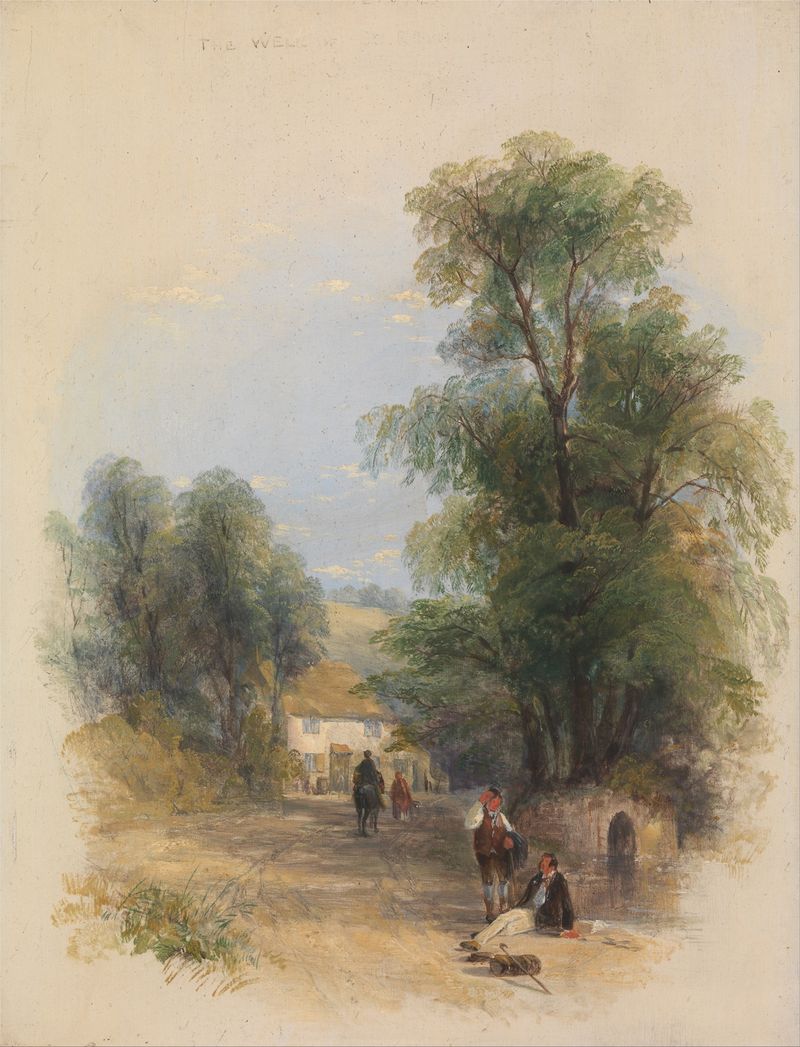
The Well of St. Keyne
Thomas Creswick
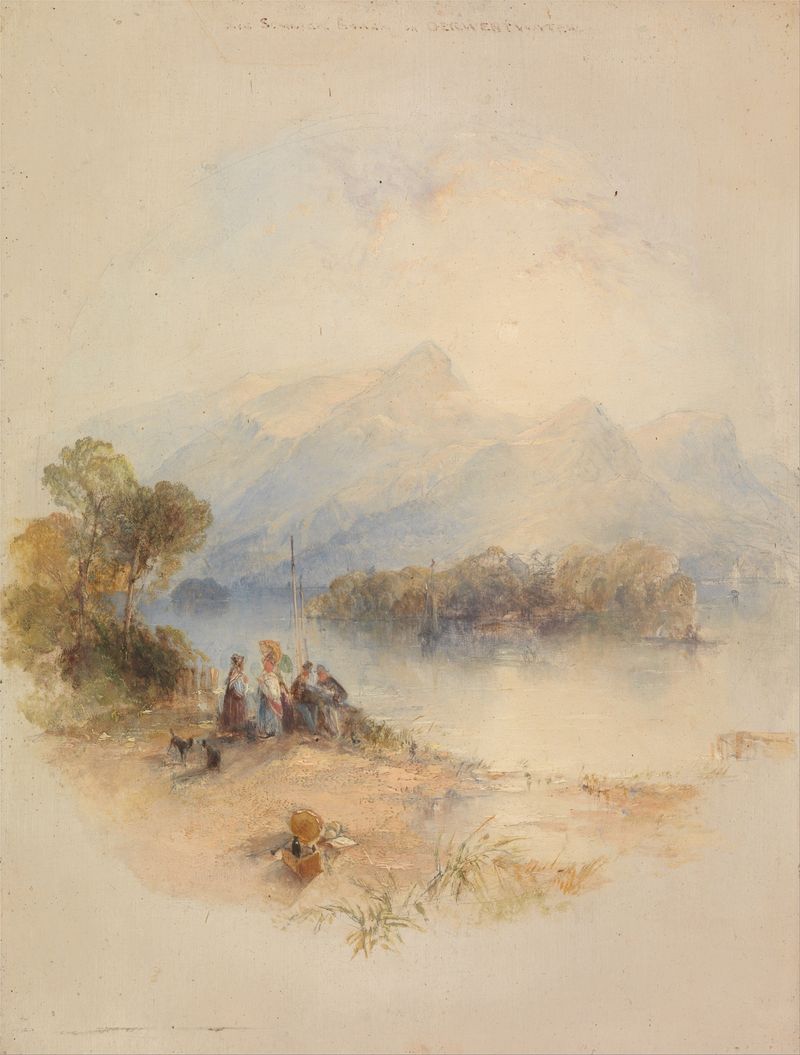
The Summer Bower, Derwent Water
Thomas Creswick

Landscape with Windmill
Thomas Creswick

View from Mr. Southey’s House, Keswick
Thomas Creswick
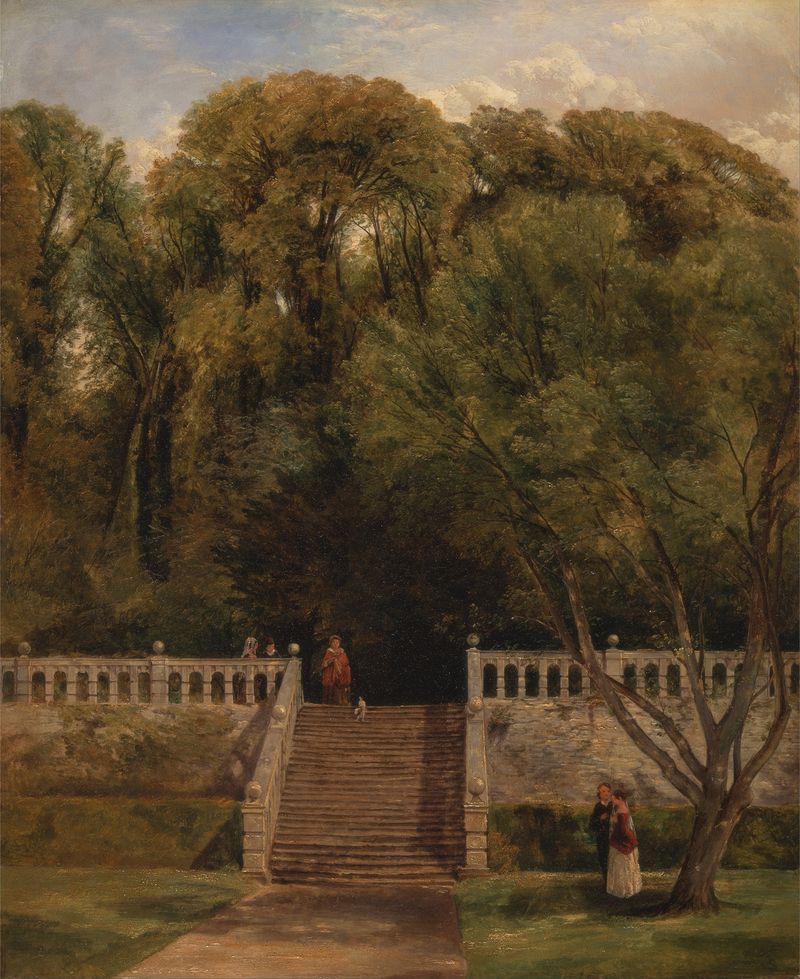
On the Terrace at Haddon Hall, Derbyshire
Thomas Creswick
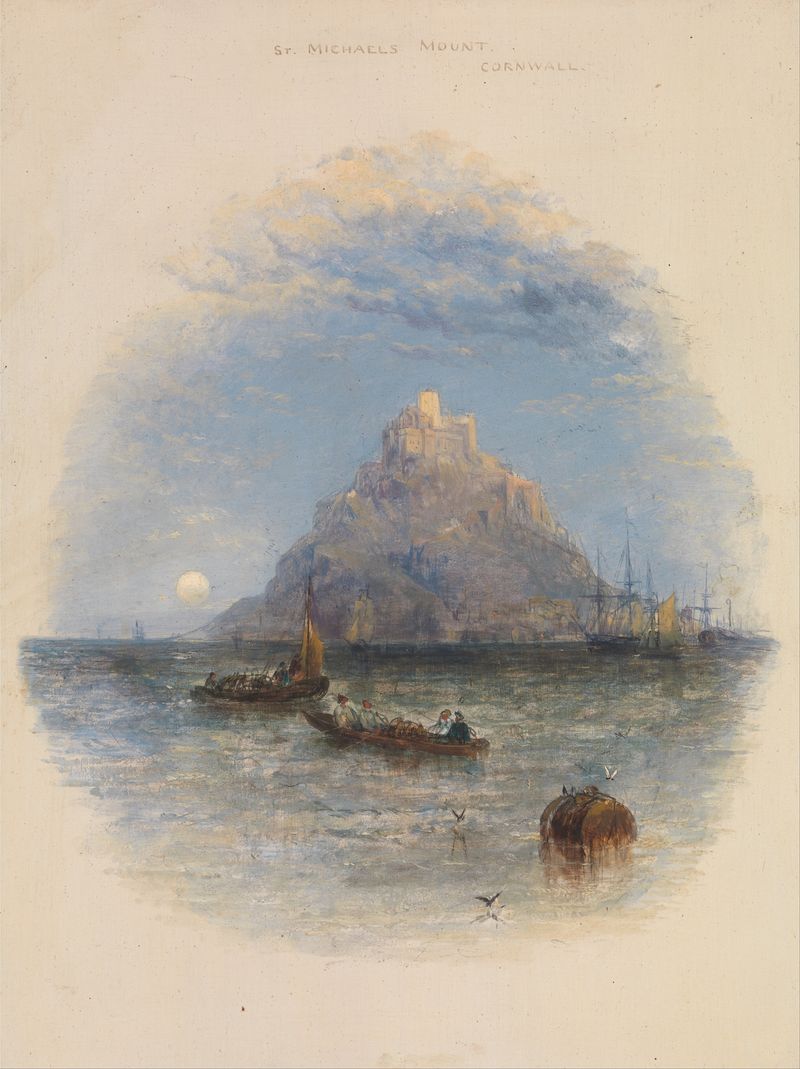
St. Michael’s Mount, Cornwall
Thomas Creswick

Rest by the Way
Thomas Creswick

Landscape View at Powerscourt
Thomas Creswick
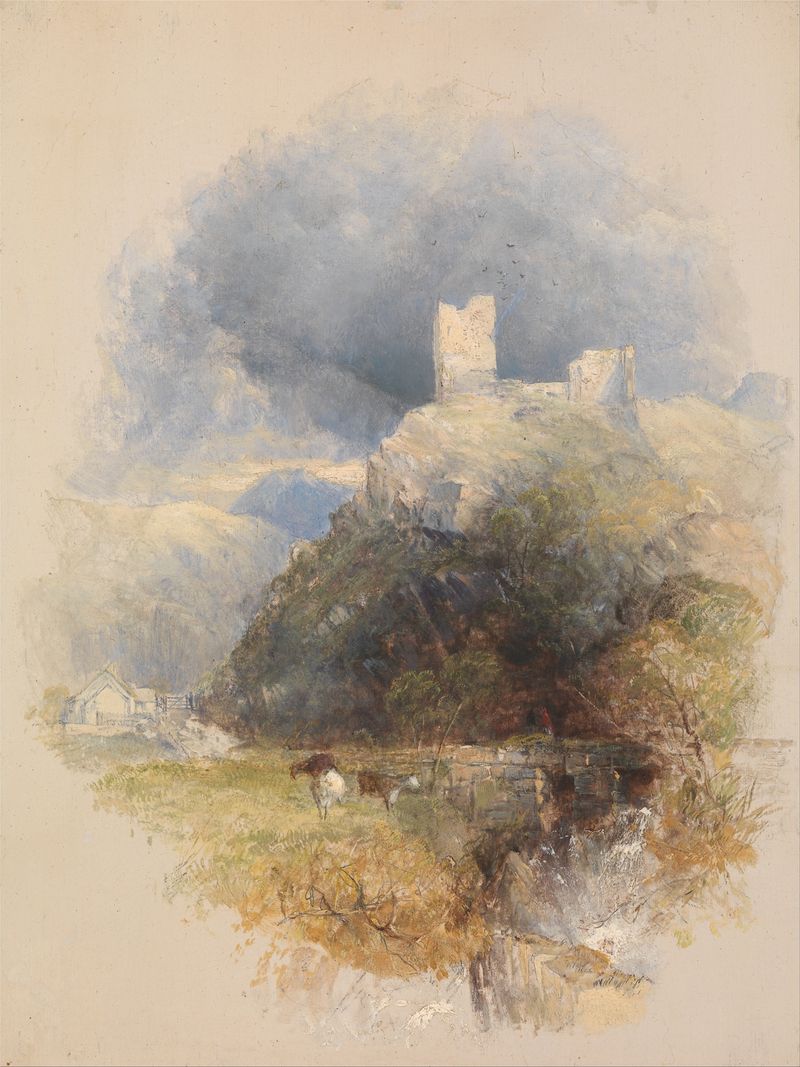
Dolwyddelan
Thomas Creswick

Figures on a Balcony, probably at Westpoint
Thomas Creswick





