
Figures on a Balcony, probably at Westpoint — History & Facts
In the stillness of a moment captured in time, the weight of existence lingers, threading through the spaces between figures and their surroundings. A scene unfolds, inviting reflection on the ephemeral nature of life, where every gesture and glance may hold unspoken truths. Look to the left at the vibrant hues of nature; the lush green foliage embraces the figures as if sharing their secrets. In the foreground, the delicate details of the figures' attire draw your gaze, their postures revealing a subtly intertwined narrative.
Notice how the light dances across the balcony’s edge, casting shadows that deepen the tableau's emotional resonance. The overall soft palette suggests tranquility, yet beneath it lies an unsettling tension, an acknowledgment of mortality that permeates the air. Delve deeper into the expressions of the figures; their faces, though serene, hint at untold stories and unacknowledged losses. The contrast between the vibrant surroundings and the somber undertone creates a compelling dialogue about life and death.
Each figure stands in a moment of contemplation, suspended between joy and sorrow, reflecting a universal struggle with the passage of time. In 1843, during a period marked by shifting artistic philosophies and a burgeoning interest in nature, Creswick painted this work in England. He was part of the Romantic movement, which often explored themes of emotion and the sublime. As he captured this moment, the world around him was grappling with industrialization, causing a deep introspection about the relationship between humanity and nature—an undercurrent that echoes throughout the work.
More Artworks by Thomas Creswick
Browse all →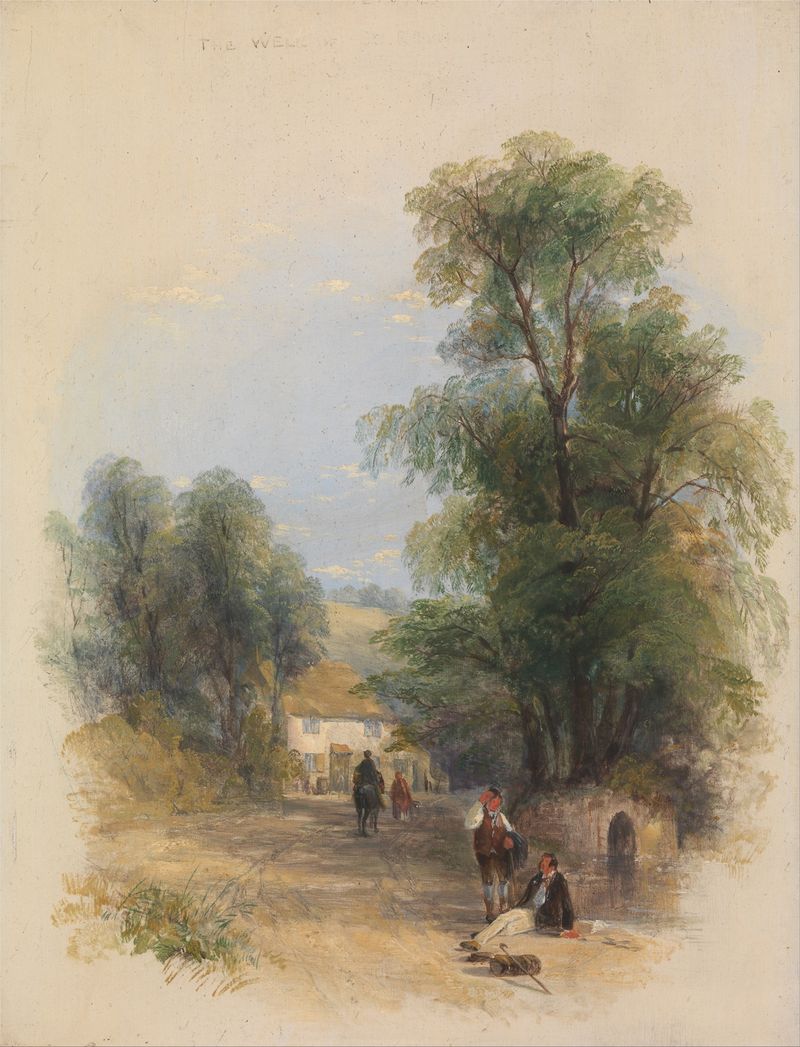
The Well of St. Keyne
Thomas Creswick
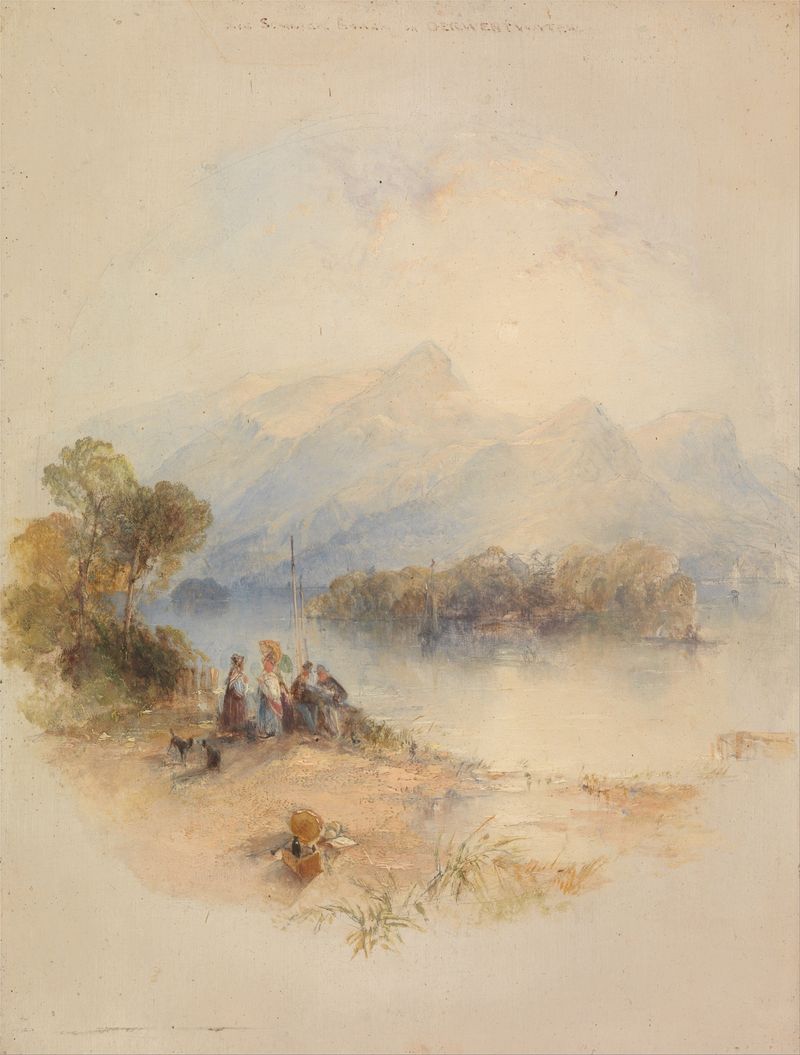
The Summer Bower, Derwent Water
Thomas Creswick

Landscape with Windmill
Thomas Creswick

View from Mr. Southey’s House, Keswick
Thomas Creswick
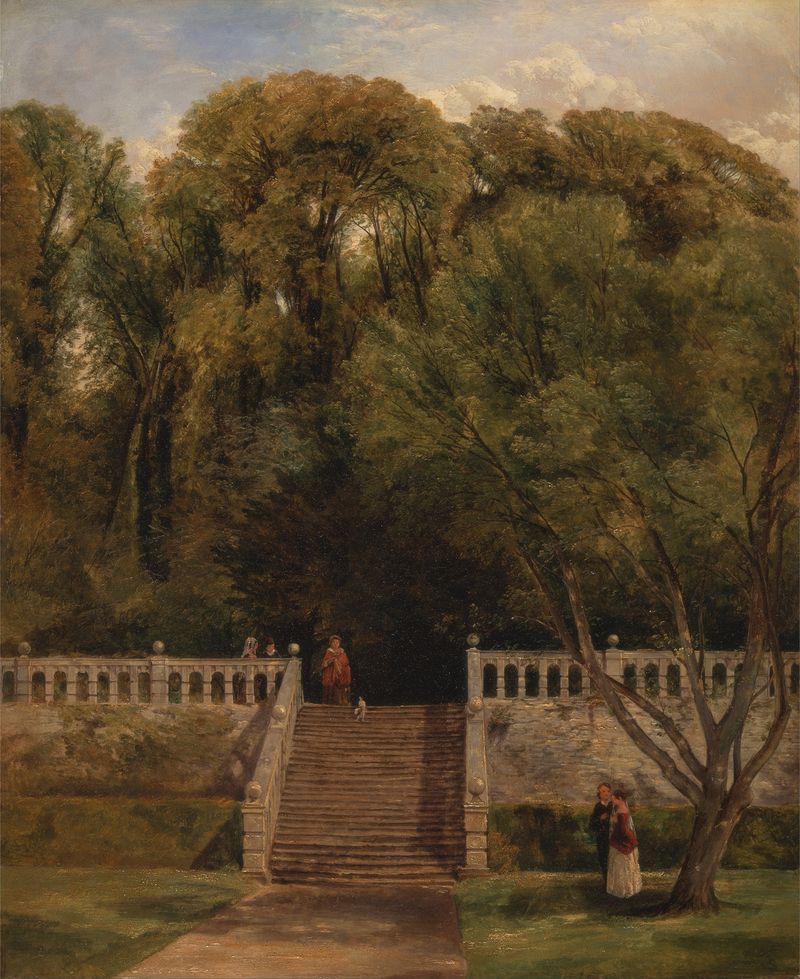
On the Terrace at Haddon Hall, Derbyshire
Thomas Creswick
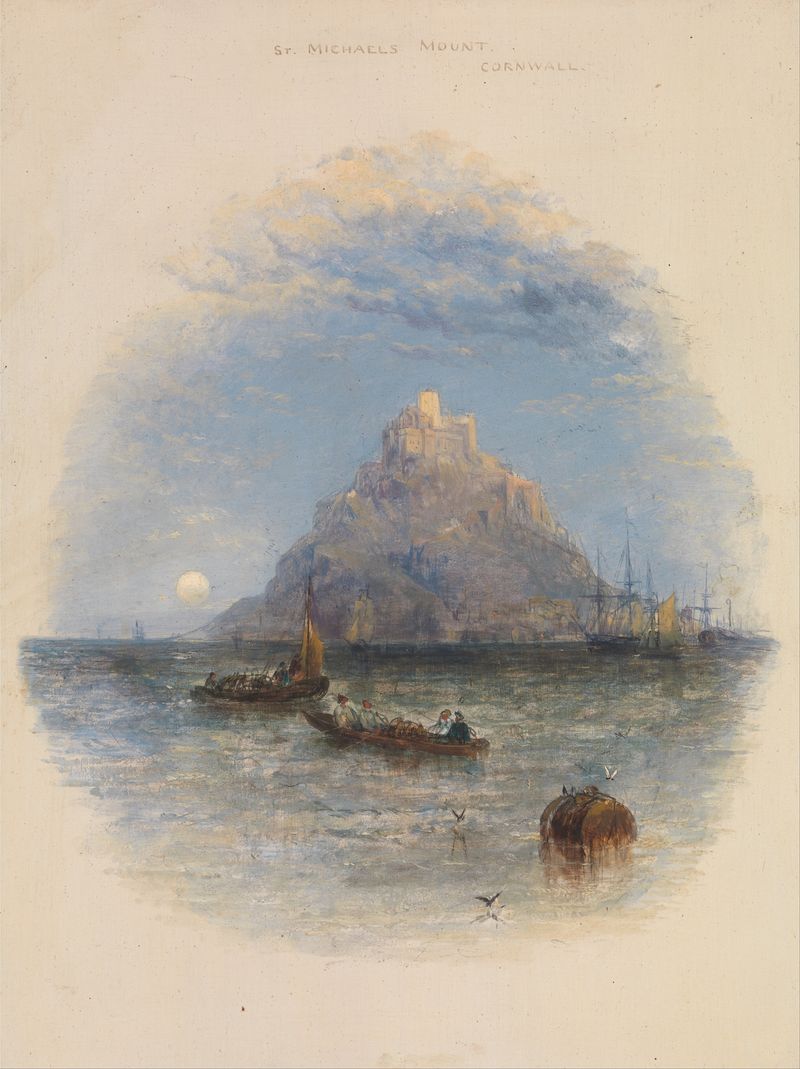
St. Michael’s Mount, Cornwall
Thomas Creswick

Rest by the Way
Thomas Creswick

Figures by the Old Water Mill near Whitby
Thomas Creswick

Landscape View at Powerscourt
Thomas Creswick
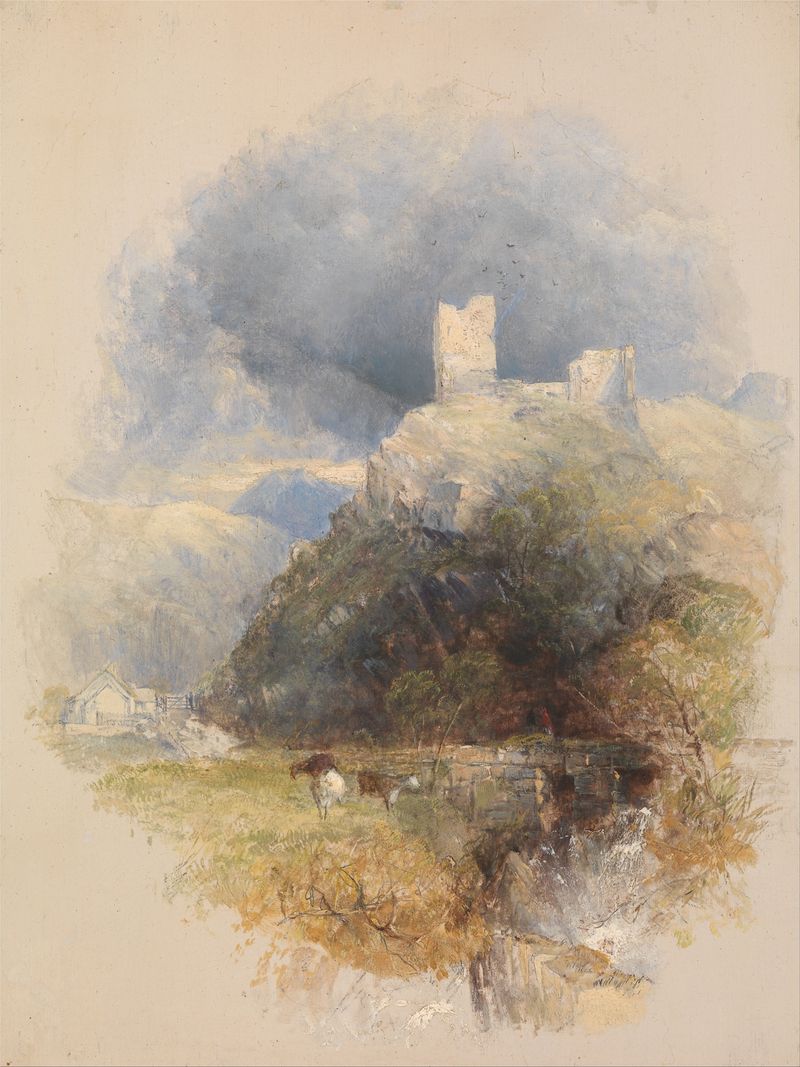
Dolwyddelan
Thomas Creswick





