
Rest by the Way — History & Facts
In the quiet corners of our memory lie moments of solitude, where stillness speaks volumes and nostalgia envelops us like a warm embrace. Focus first on the serene figure seated upon a mossy stone, nestled in the embrace of a lush, verdant landscape. The gentle arch of the trees overhead creates a natural cathedral, dappling the scene with soft light that dances upon the figure’s contemplative expression. Rich greens and earthy browns dominate the palette, inviting viewers to linger in the calming atmosphere while the distant hills recede into a soft blue haze.
Each brushstroke evokes a palpable sense of peace, encouraging us to pause and breathe with the painted world. Yet, within this tranquility lies an underlying tension. The figure, absorbed in thought, mirrors a universal longing for respite amid life's relentless pace. The juxtaposition of the serene setting and the solitary figure speaks to the fragility of time, reminding us that moments of rest are fleeting.
Look closely at the subtle detail of a forgotten path winding through the foliage, hinting at journeys past and future, encapsulating the bittersweet nature of memory itself. In the 19th century, Creswick created Rest by the Way during a period marked by the Romantic movement, where artists sought to capture the beauty of nature and the depth of human emotion. Living in England, he was deeply influenced by the landscape around him, as well as the rising appreciation for pastoral scenes. This artwork reflects not only his personal connection to the landscape but also the broader cultural shift towards valuing introspection and the sublime beauty of the natural world.
More Artworks by Thomas Creswick
Browse all →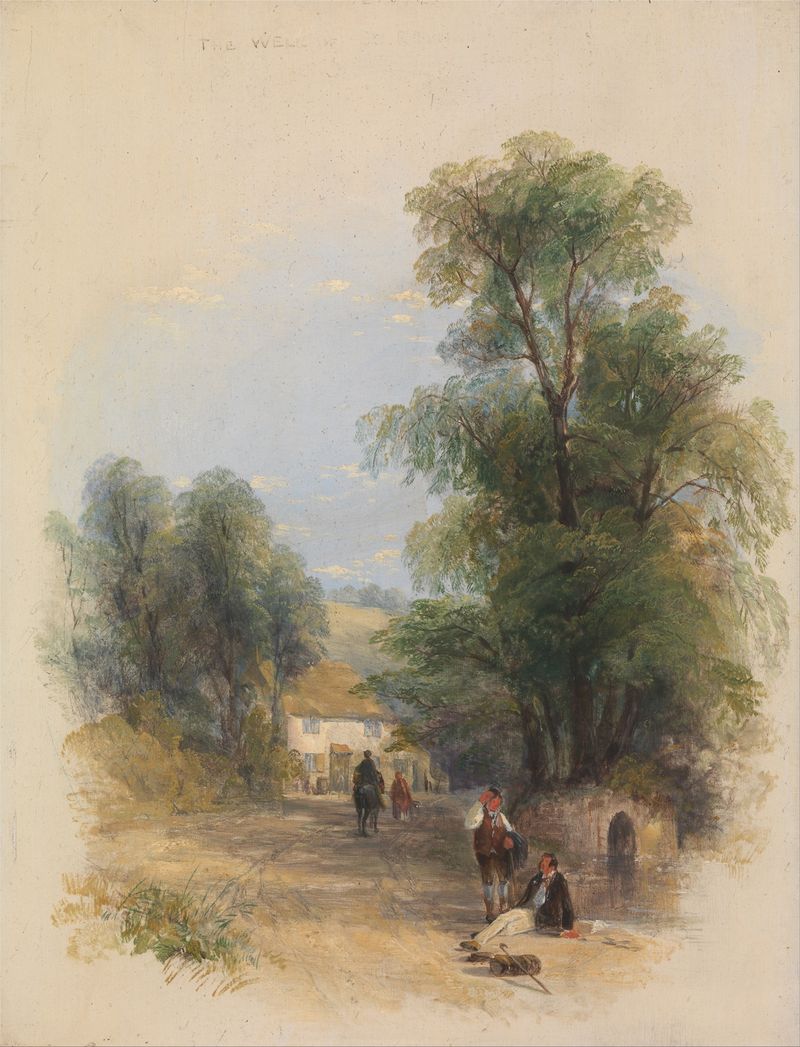
The Well of St. Keyne
Thomas Creswick
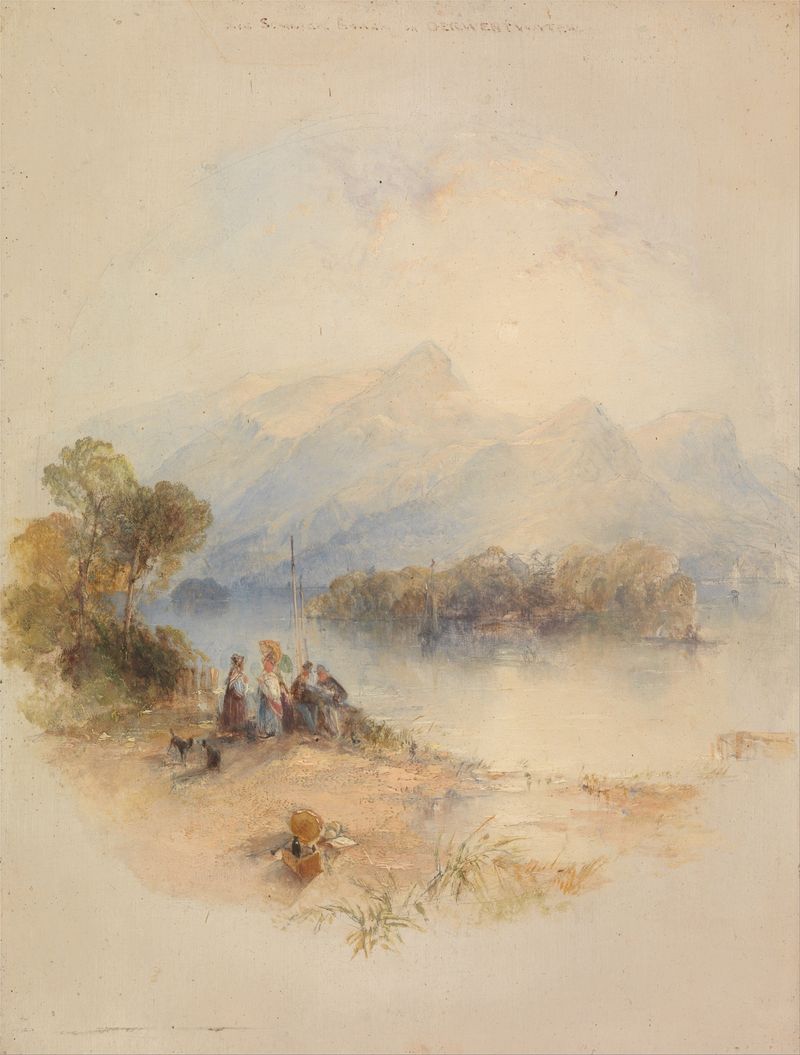
The Summer Bower, Derwent Water
Thomas Creswick

Landscape with Windmill
Thomas Creswick

View from Mr. Southey’s House, Keswick
Thomas Creswick
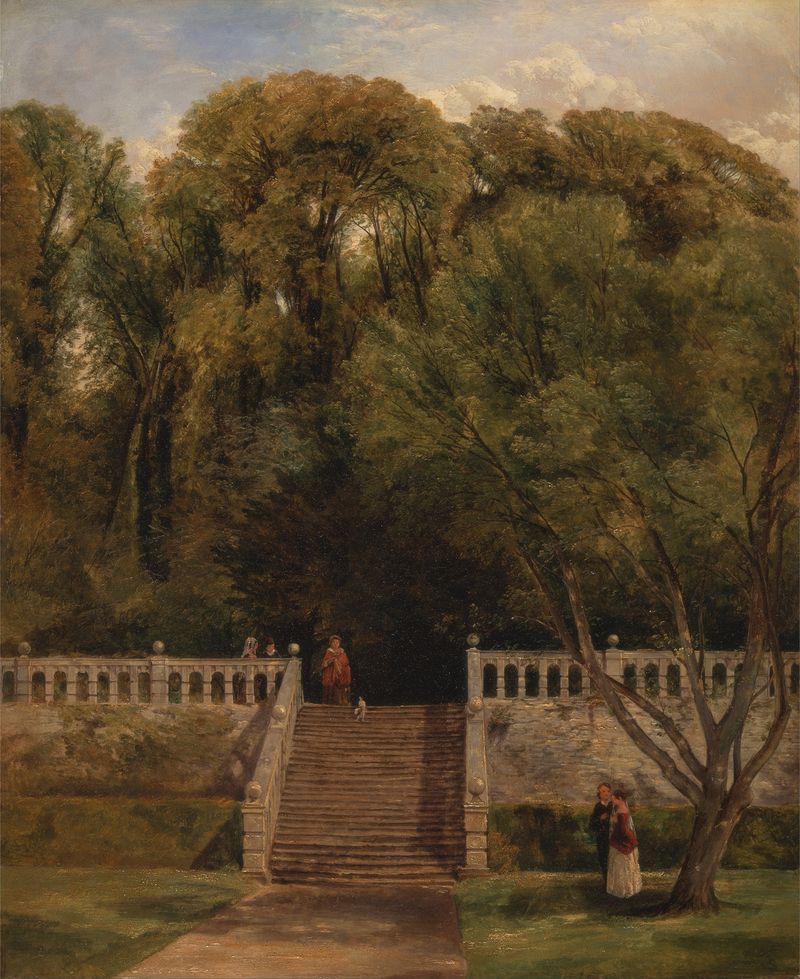
On the Terrace at Haddon Hall, Derbyshire
Thomas Creswick
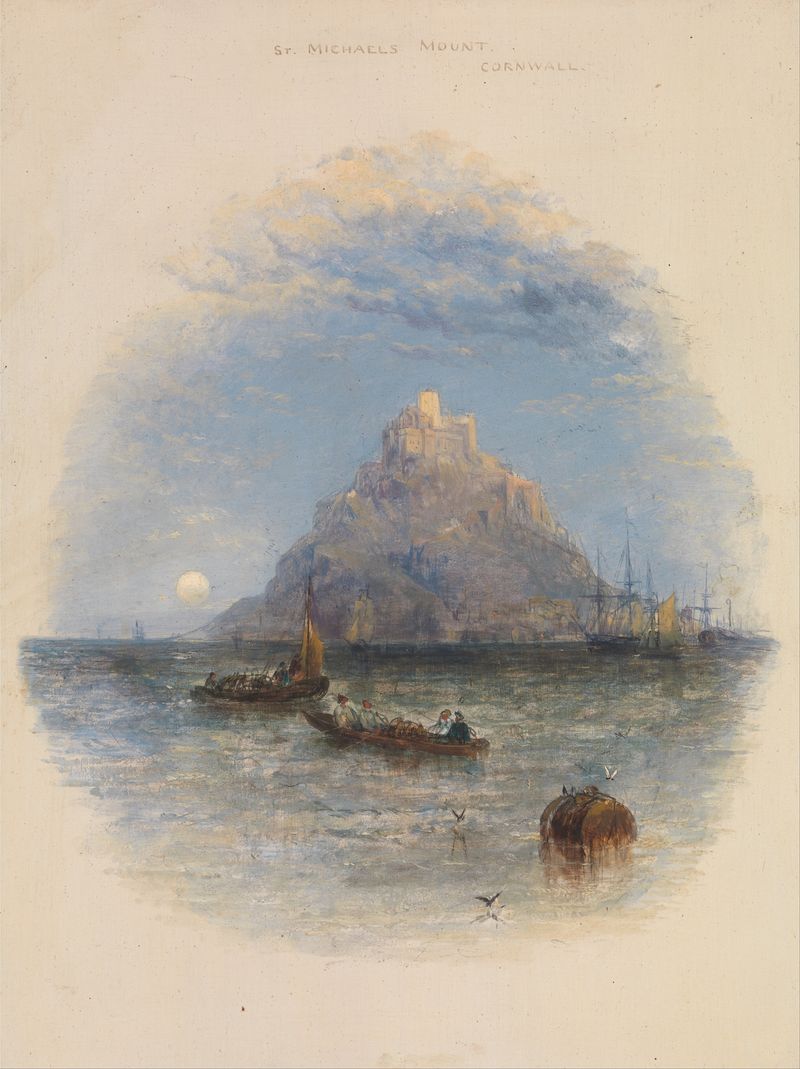
St. Michael’s Mount, Cornwall
Thomas Creswick

Figures by the Old Water Mill near Whitby
Thomas Creswick

Landscape View at Powerscourt
Thomas Creswick
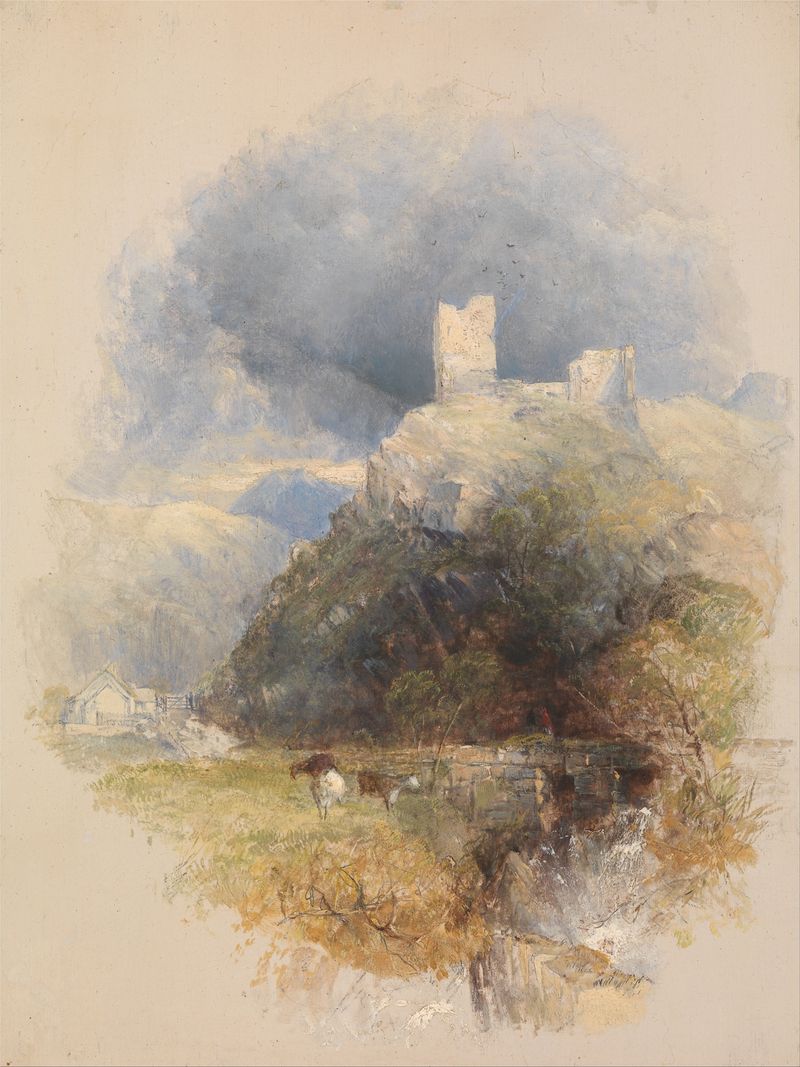
Dolwyddelan
Thomas Creswick

Figures on a Balcony, probably at Westpoint
Thomas Creswick





