
Fjordlandskab med robåd. Krøderen, Norge — History & Facts
When did color learn to lie? In the murky depths of a fading landscape, the hues whisper secrets of decay and transformation, inviting viewers to question the very essence of beauty. Look to the left at the gentle curve of the fjord, where muted greens and browns blend seamlessly into the water's reflective surface. The brushwork is delicate yet assertive, imparting an ethereal quality to the landscape. Notice how the stormy sky looms overhead, casting a soft, melancholic light across the scene, highlighting the small rowboat nestled within the stillness of the fjord.
It serves as a poignant reminder of the fragile relationship between man and nature, nestled in a cradle of rich, somber tones. Within this tranquil yet eerie setting lies an interplay of contrasts: the stillness of the water suggests peace, while the ominous clouds foreshadow an impending storm. The rowboat, seemingly abandoned, evokes feelings of solitude and reflection, as if it were a relic of a bygone era. Each brushstroke reveals the passage of time, where vibrant life gives way to the inevitable decay of nature.
It's a meditation on existence and transience, where beauty is tinged with a sense of loss. Martinus Rørbye painted Fjordlandskab med robåd between 1831 and 1832, during a period of intense exploration and romanticism in Scandinavian art. At that time, he was influenced by the emerging movements that sought to capture the sublime beauty of nature. The artist was also grappling with personal challenges that shaped his perspective, leading to a heightened sensitivity to themes of decay and the ephemeral, evident in this composition.
More Artworks by Martinus Rørbye
Browse all →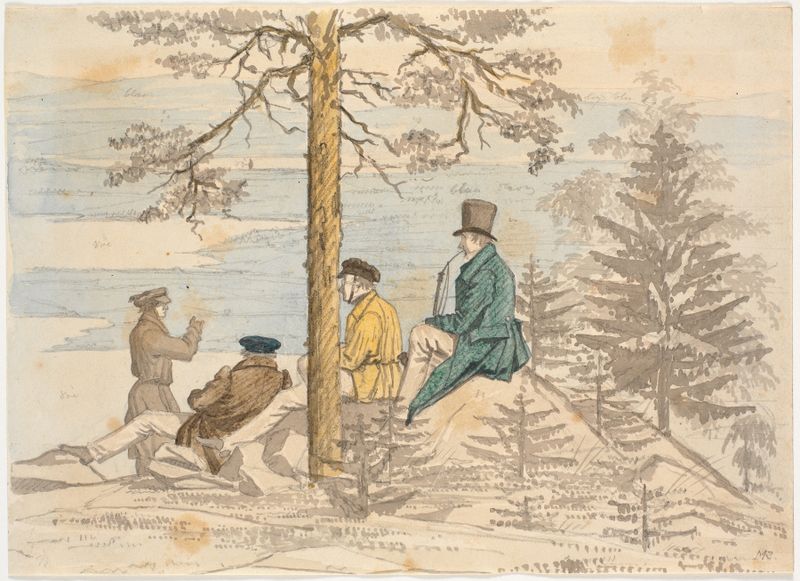
Fire mænd betragter udsigten fra Holmekollen
Martinus Rørbye
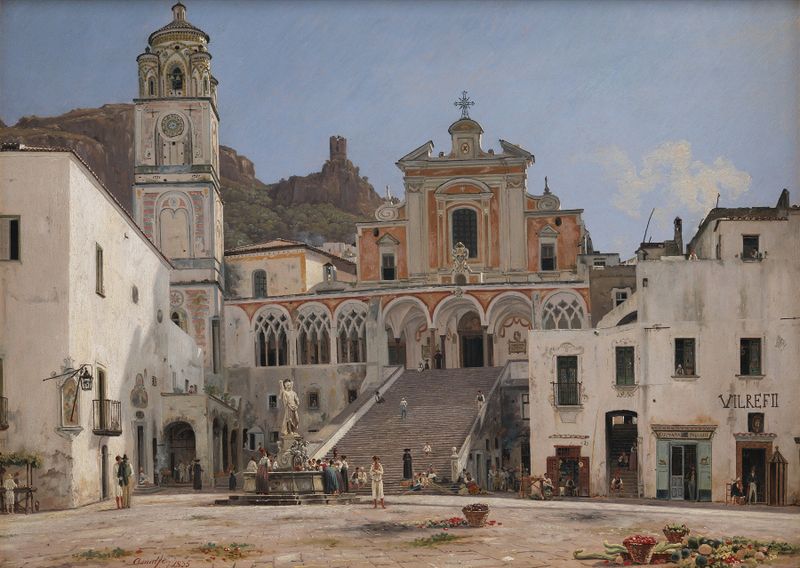
View of the Square in Amalfi
Martinus Rørbye
A Courtyard in Rome. Copy after Eckersberg
Martinus Rørbye
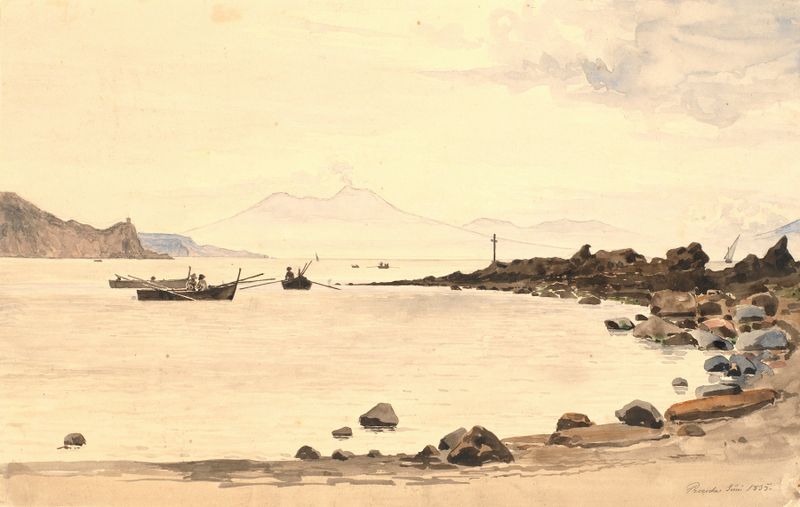
Udsigt mod Vesuv fra Procida
Martinus Rørbye
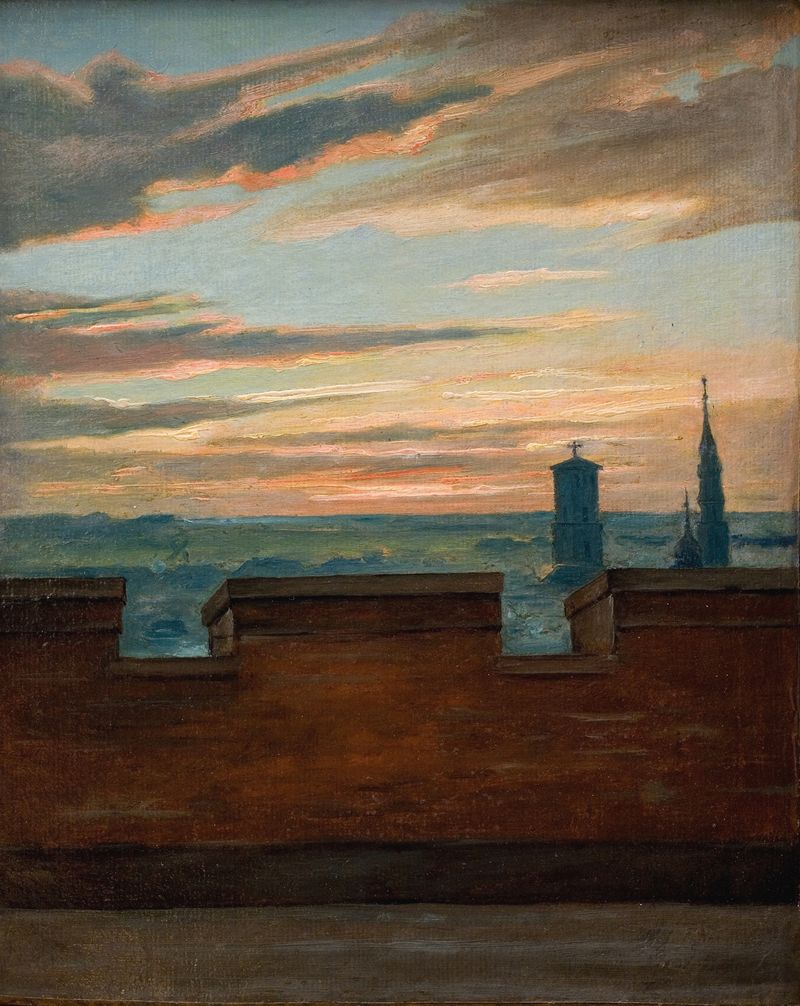
View of Copenhagen at Sunset
Martinus Rørbye
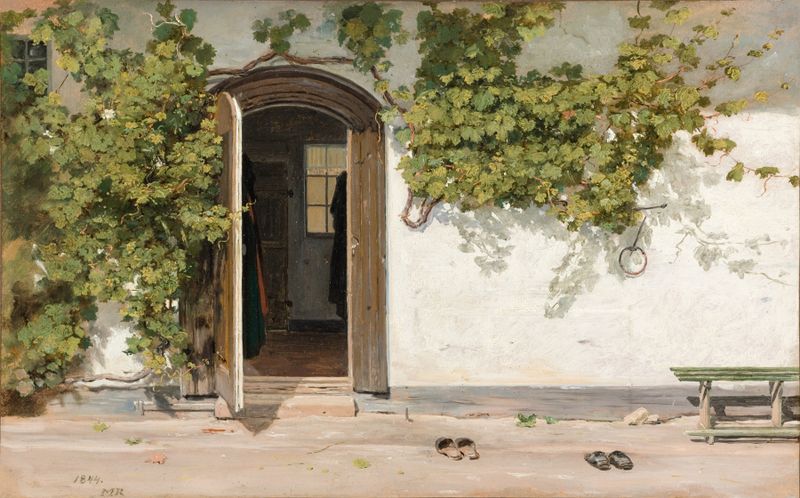
Entrance to an Inn in the Praestegarden at Hillested
Martinus Rørbye
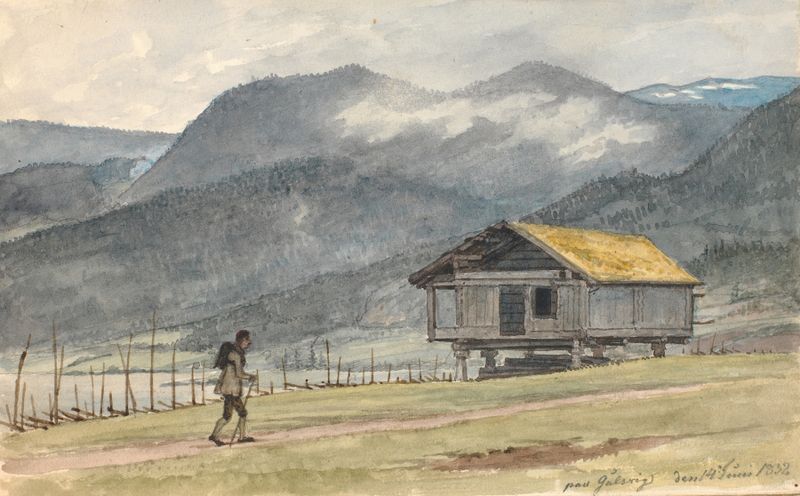
Fjeldlandskab med hytte og vandrer
Martinus Rørbye
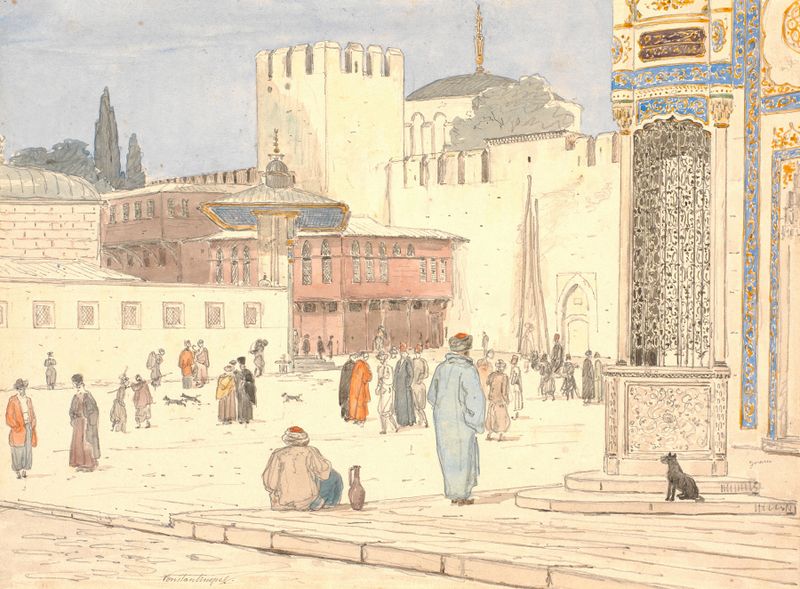
The Square in Front of Bab-i-Hümayan in Constantinople
Martinus Rørbye
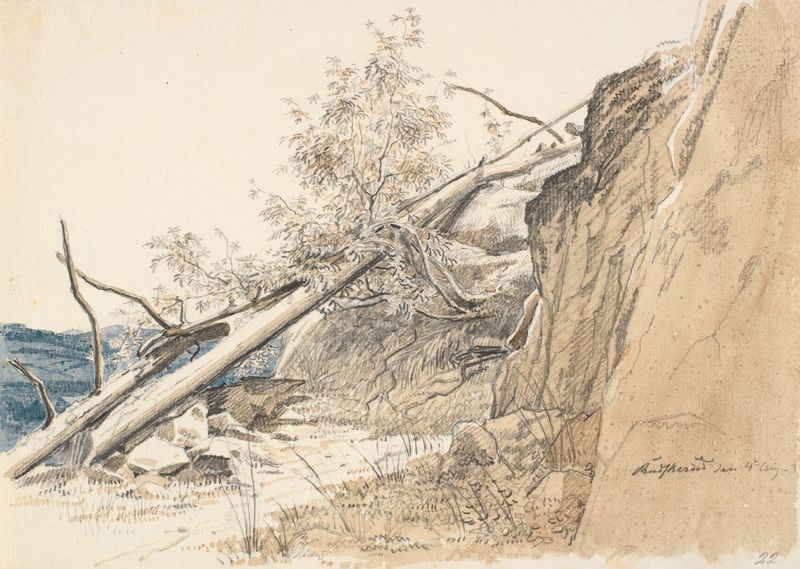
Tree Trunk Leaning Against a Rock. Norway
Martinus Rørbye
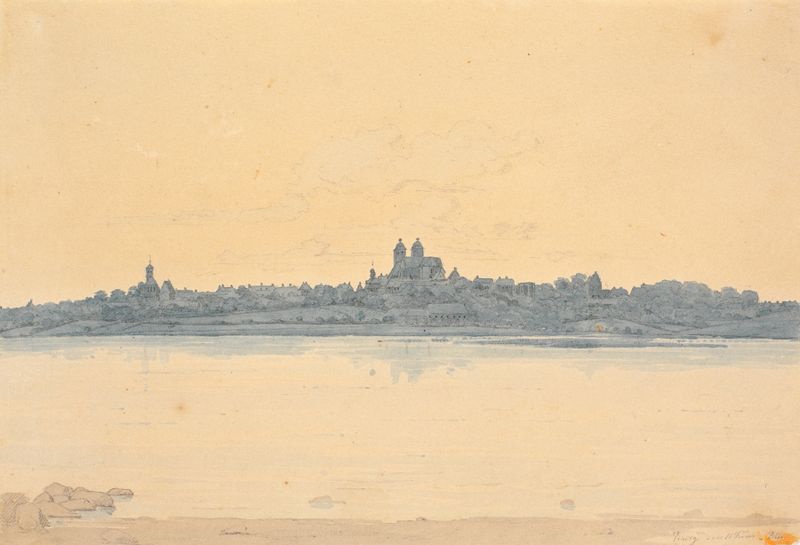
Viborg Seen from Asmild Klosterhave near Søndersø
Martinus Rørbye





