
Flood at Port-Marly — History & Facts
When did color learn to lie? The dreamlike quality of an ordinary landscape transforms into something profound, revealing hidden narratives beneath its surface. Look to the foreground, where the water’s reflective surface shimmers with a palette of muted greens and browns. The artist employs delicate brushstrokes, weaving a soft interplay of light and shadow that captures the ephemeral nature of the floodwaters. Focus on the way the trees, their trunks partially submerged, stand as silent witnesses to the landscape's changes.
Here, the fluidity of the water contrasts with the static solidity of the houses in the distance, creating a tension between stability and chaos. Upon closer inspection, notice the figures moving through the scene—some struggle against the current, while others seem resigned to their fate, suggesting a poignant commentary on human vulnerability in the face of nature's whims. The light filtering through the clouds adds a sense of melancholy, as if it too is aware of the tragedy unfolding. Each element whispers a story of loss and resilience, inviting viewers to ponder their place within the cyclical dance of life and nature. Alfred Sisley painted this work in 1872 while living in France, amidst the rise of Impressionism.
During this period, he was influenced by contemporaries like Monet and Pissarro, yet his focus remained on capturing the fleeting effects of light and atmosphere in the natural environment. This painting emerged during a time of personal struggle for Sisley, who faced financial insecurities, reflecting a broader change in the art world as traditional forms gave way to new interpretations of reality.
More Artworks by Alfred Sisley
Browse all →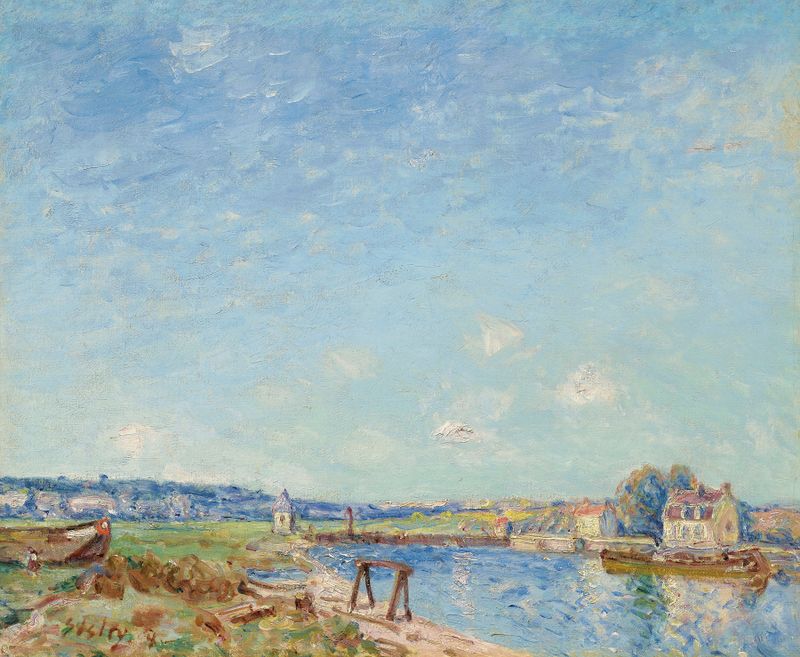
Le Loing à Saint-Mammès
Alfred Sisley
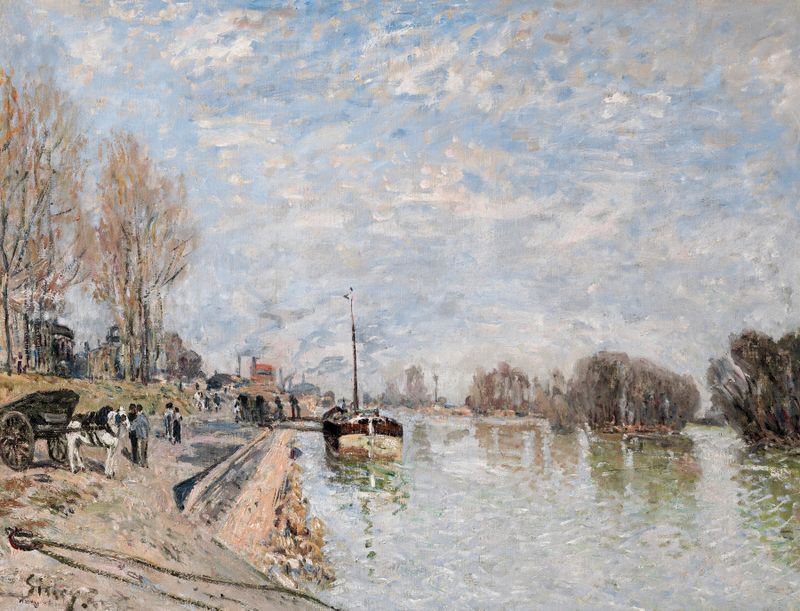
La Seine à Suresnes
Alfred Sisley
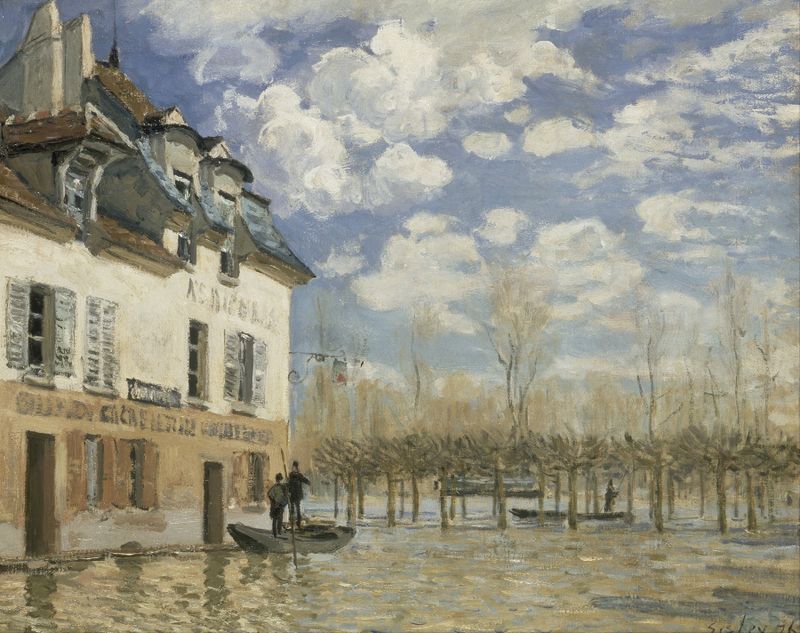
Boat in the Flood at Port Marly
Alfred Sisley
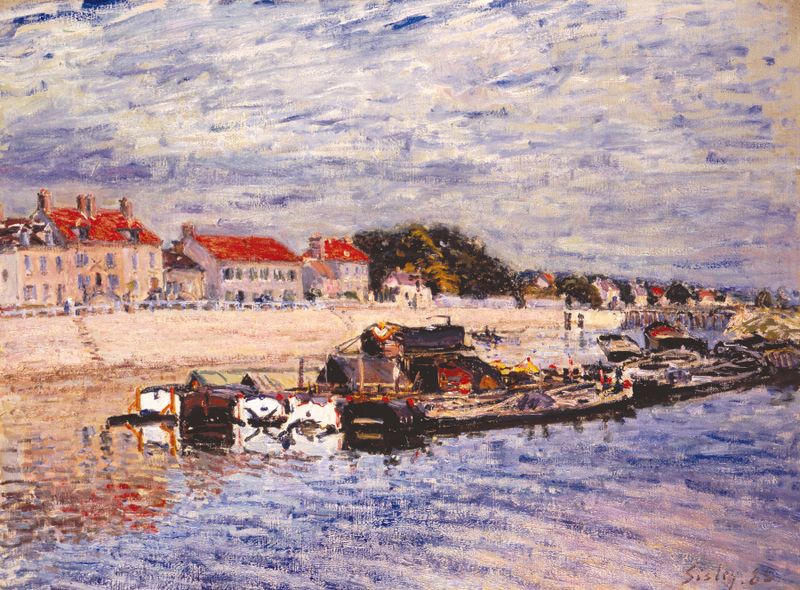
Barges on the Loing at Saint-Mammès
Alfred Sisley

L’allée des peupliers au bord du Loing
Alfred Sisley

Molesey Weir, Hampton Court
Alfred Sisley
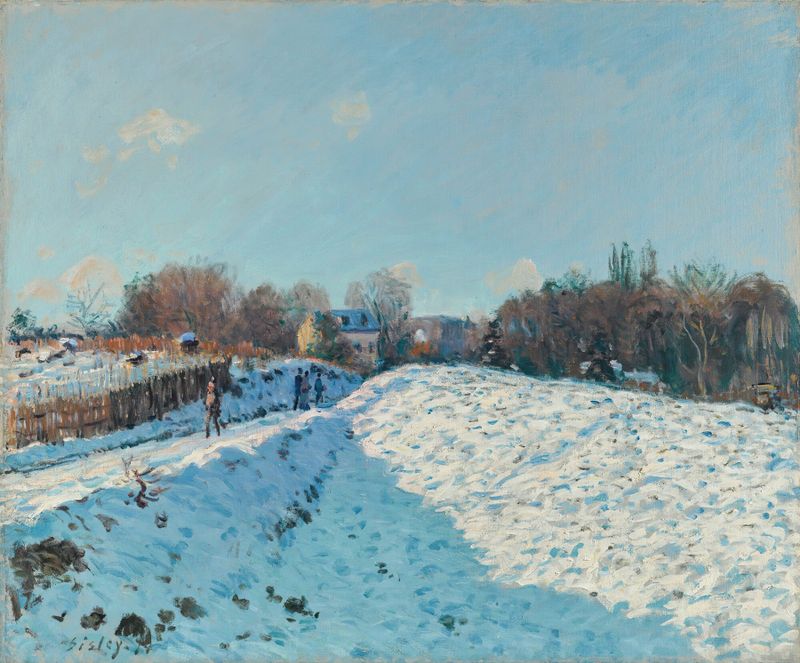
Effet De Neige À Louveciennes
Alfred Sisley
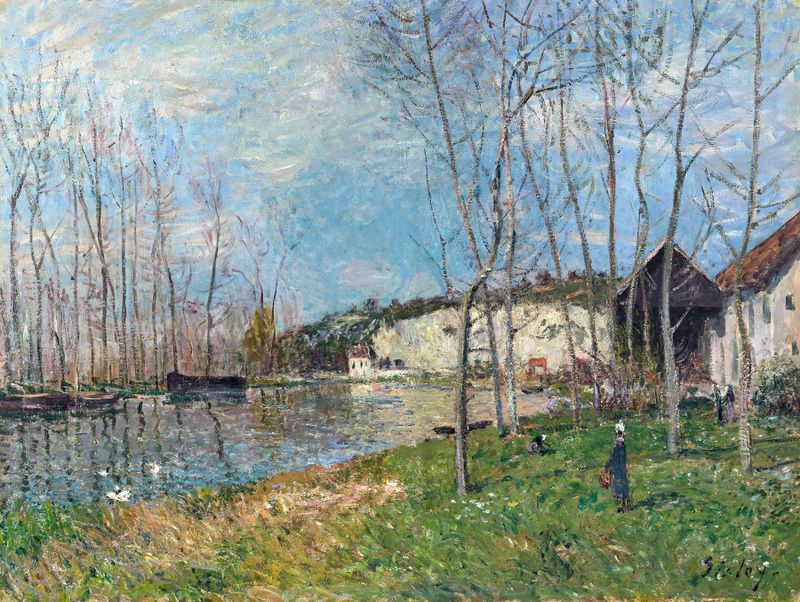
Printemps au bord du Loing
Alfred Sisley
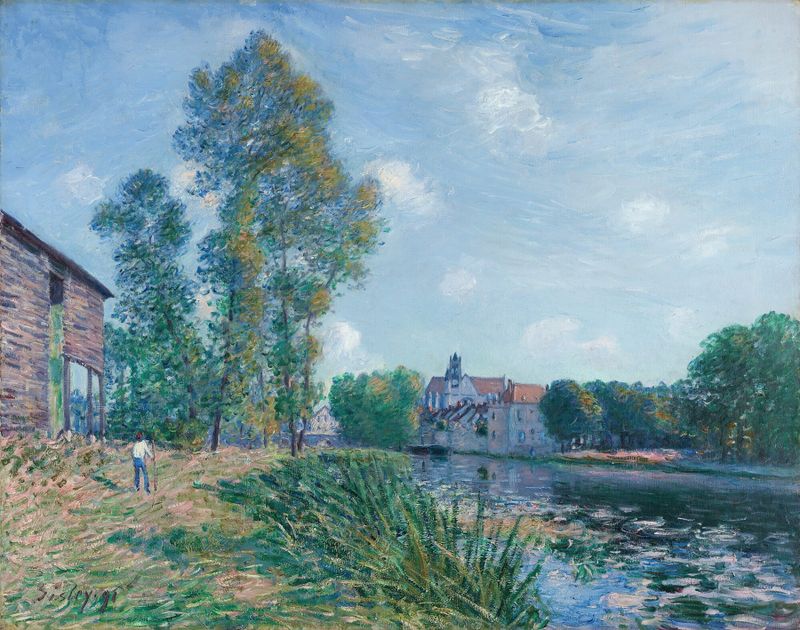
Le Loing À Moret, En Été
Alfred Sisley
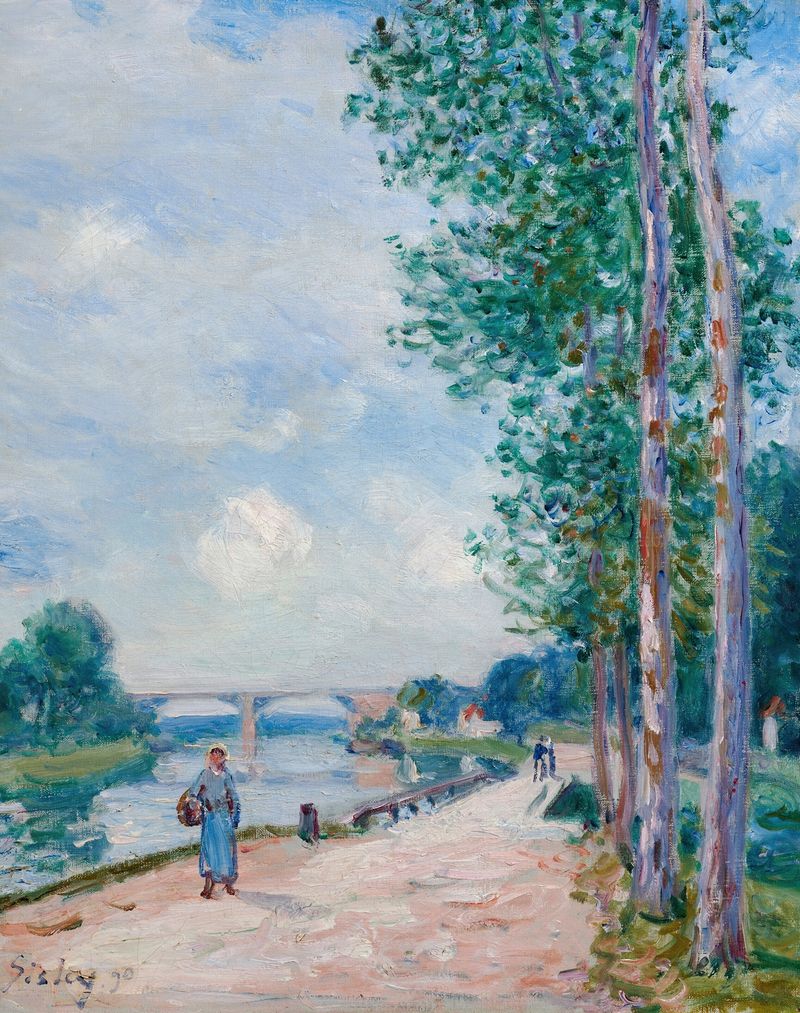
Les bords du Loing près de Moret
Alfred Sisley





