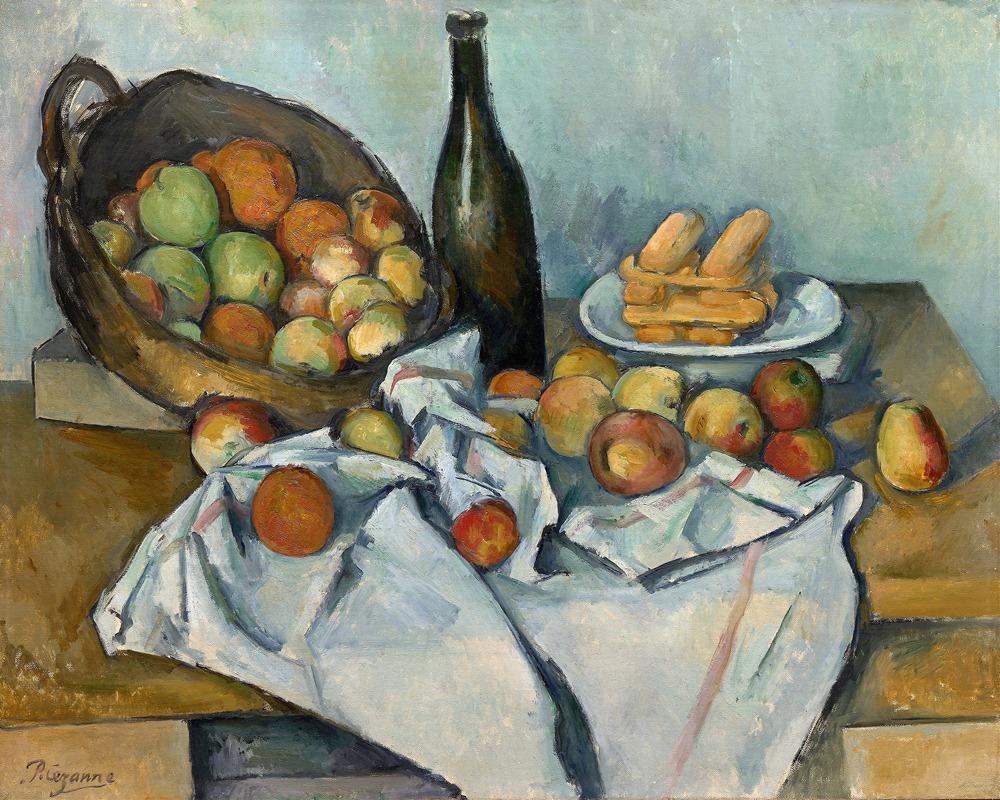
Discover insights about this artwork
Flowers still life — History & Facts
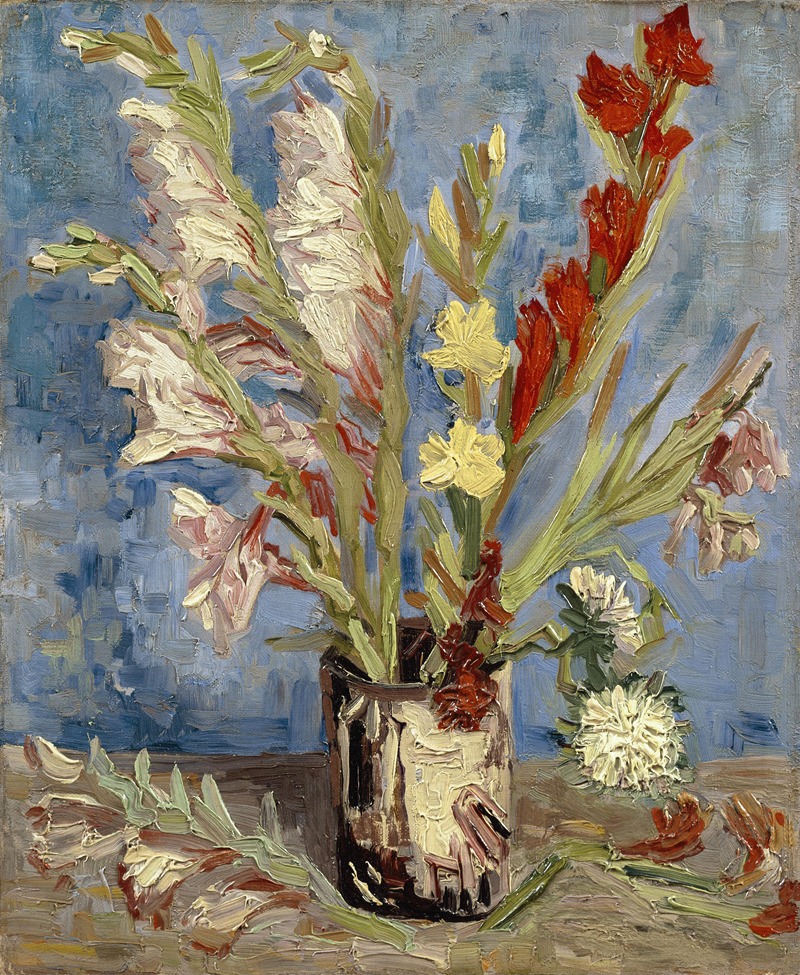
In Flowers Still Life, Paul Gauguin presents a vibrant array of flowers, bursting with color. The composition features rich reds, yellows, and greens, creating a lively atmosphere. Each flower is depicted with bold brushstrokes, emphasizing their unique shapes and textures.
The background is often muted, allowing the flowers to stand out as the focal point of the painting. The painting is executed in oil on canvas, a medium that allows for the vivid colors and dynamic brushwork characteristic of Gauguin's style. The approximate dimensions of the work are 60 x 80 cm, making it a medium-sized piece that invites close inspection. The artist's use of color and form reflects his Post-Impressionist approach, moving away from realistic representation.
Viewers can appreciate the layering of paint and the expressive quality of the brushstrokes. Paul Gauguin was a key figure in the Post-Impressionist movement, known for his bold use of color and innovative compositions. This particular work, created in the 1880s, showcases his fascination with nature and the beauty of flowers. An interesting fact about this painting is that it reflects Gauguin's desire to capture the essence of his subjects rather than their literal appearance.
His exploration of color and form in this still life contributes to his legacy as a pioneer of modern art.
More Artworks by Paul Gauguin
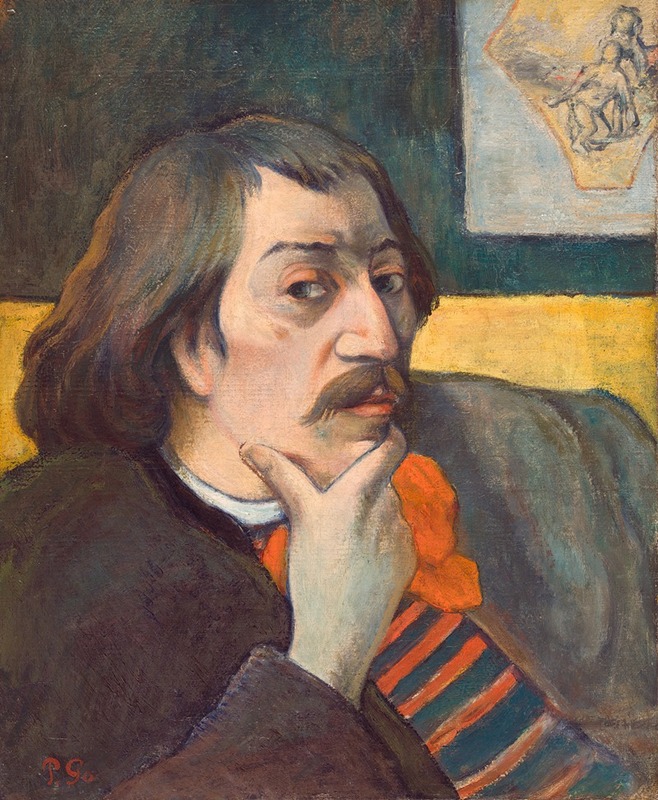
Self Portrait
Paul Gauguin
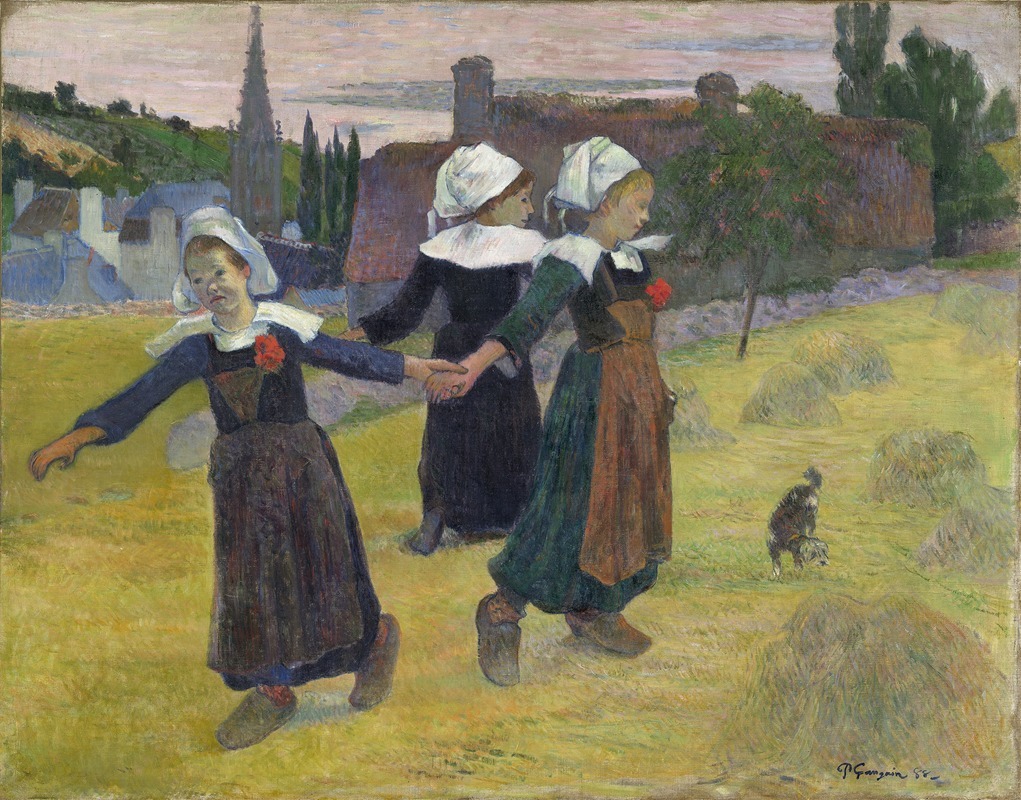
Breton Girls Dancing,Pont-Aven
Paul Gauguin
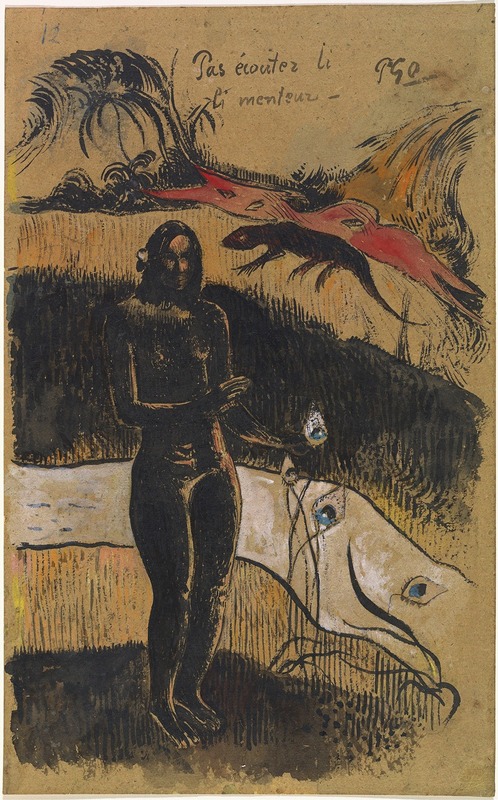
Nave Nave Fenua
Paul Gauguin
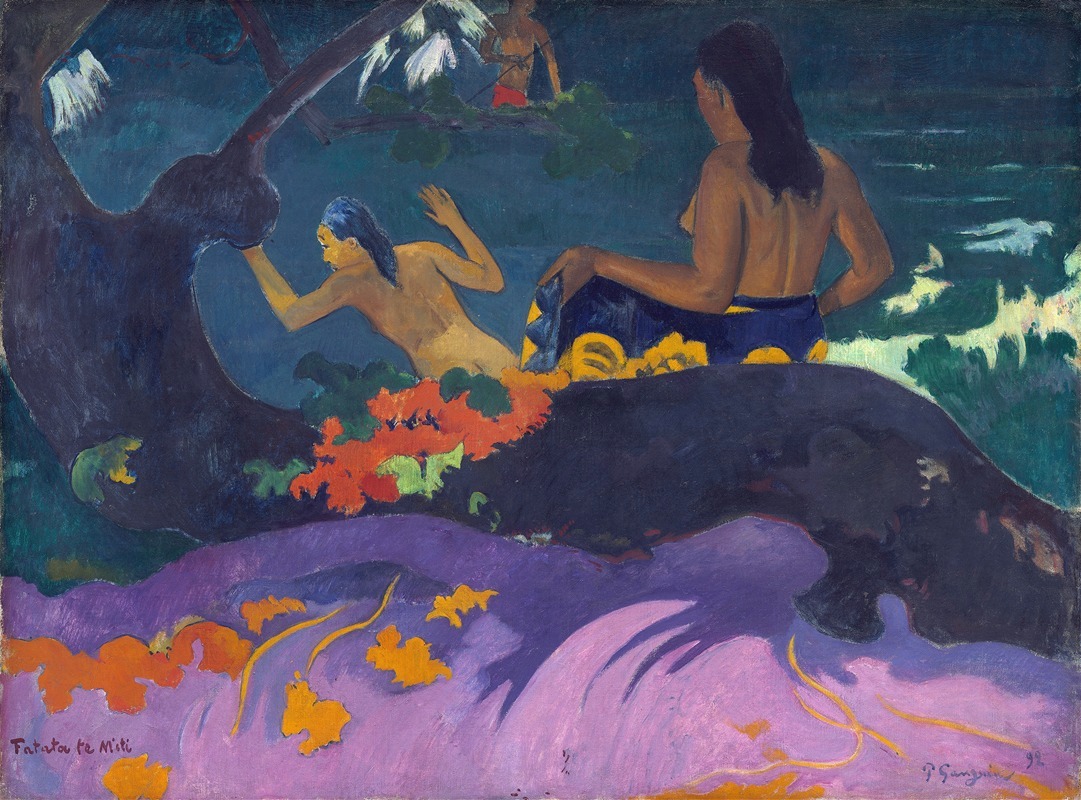
Fatata te Miti (By the Sea)
Paul Gauguin
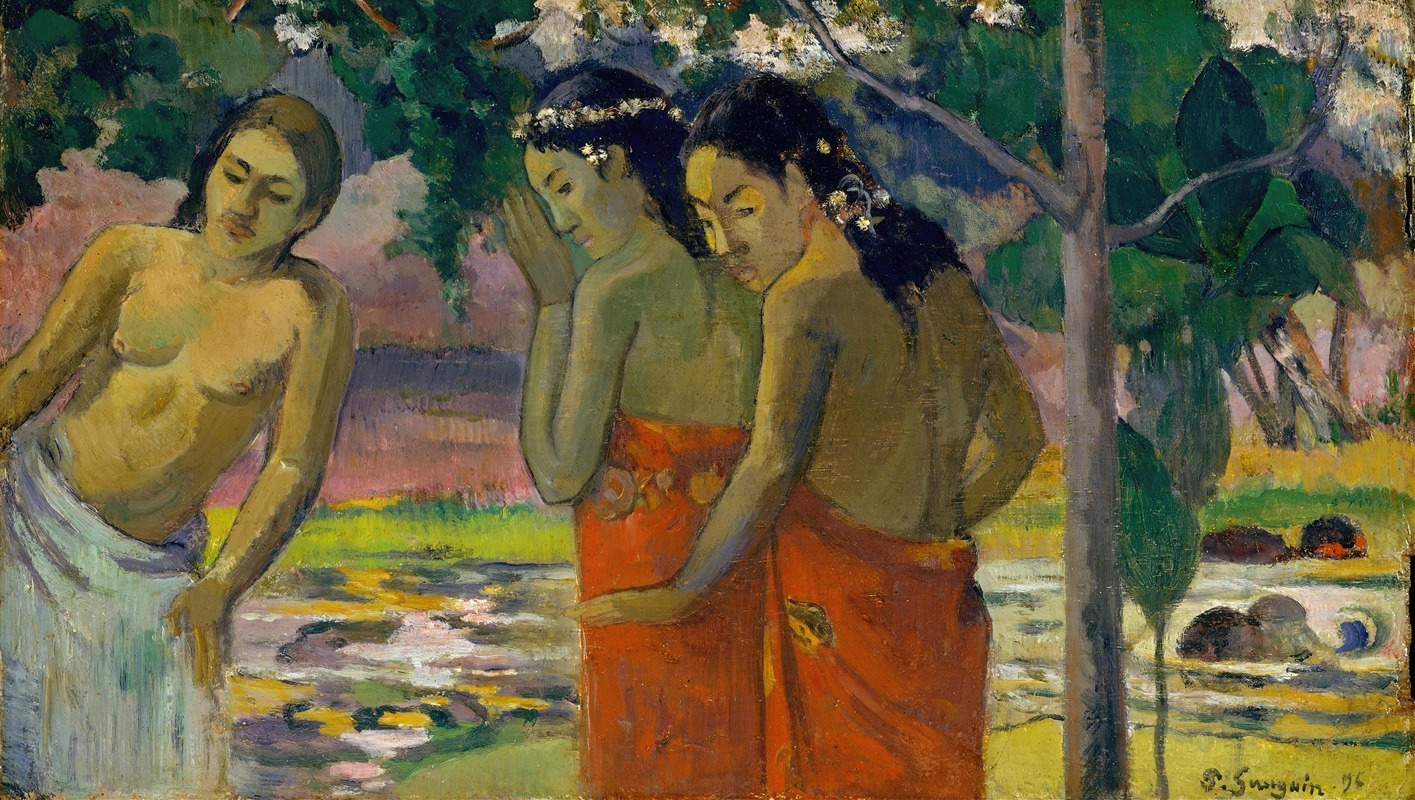
Three Tahitian Women
Paul Gauguin
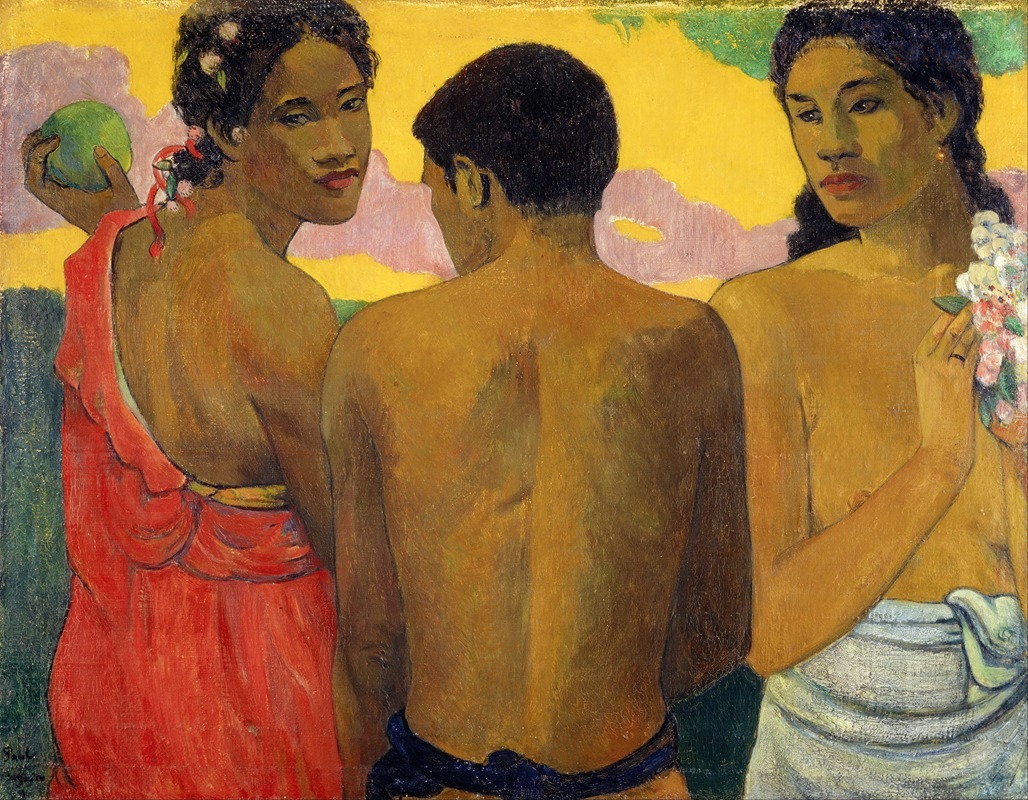
Three Tahitians
Paul Gauguin
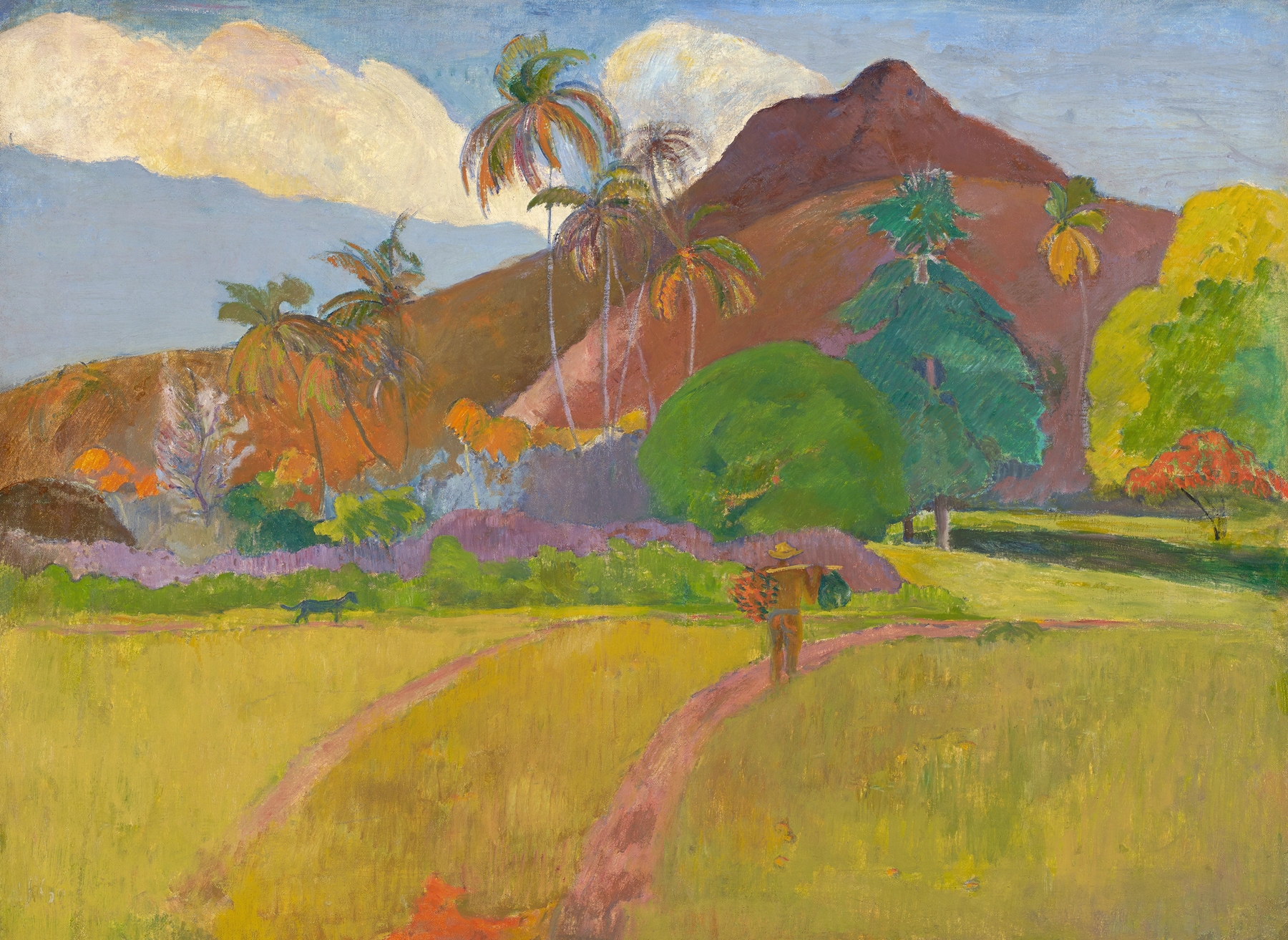
Tahitian Landscape
Paul Gauguin
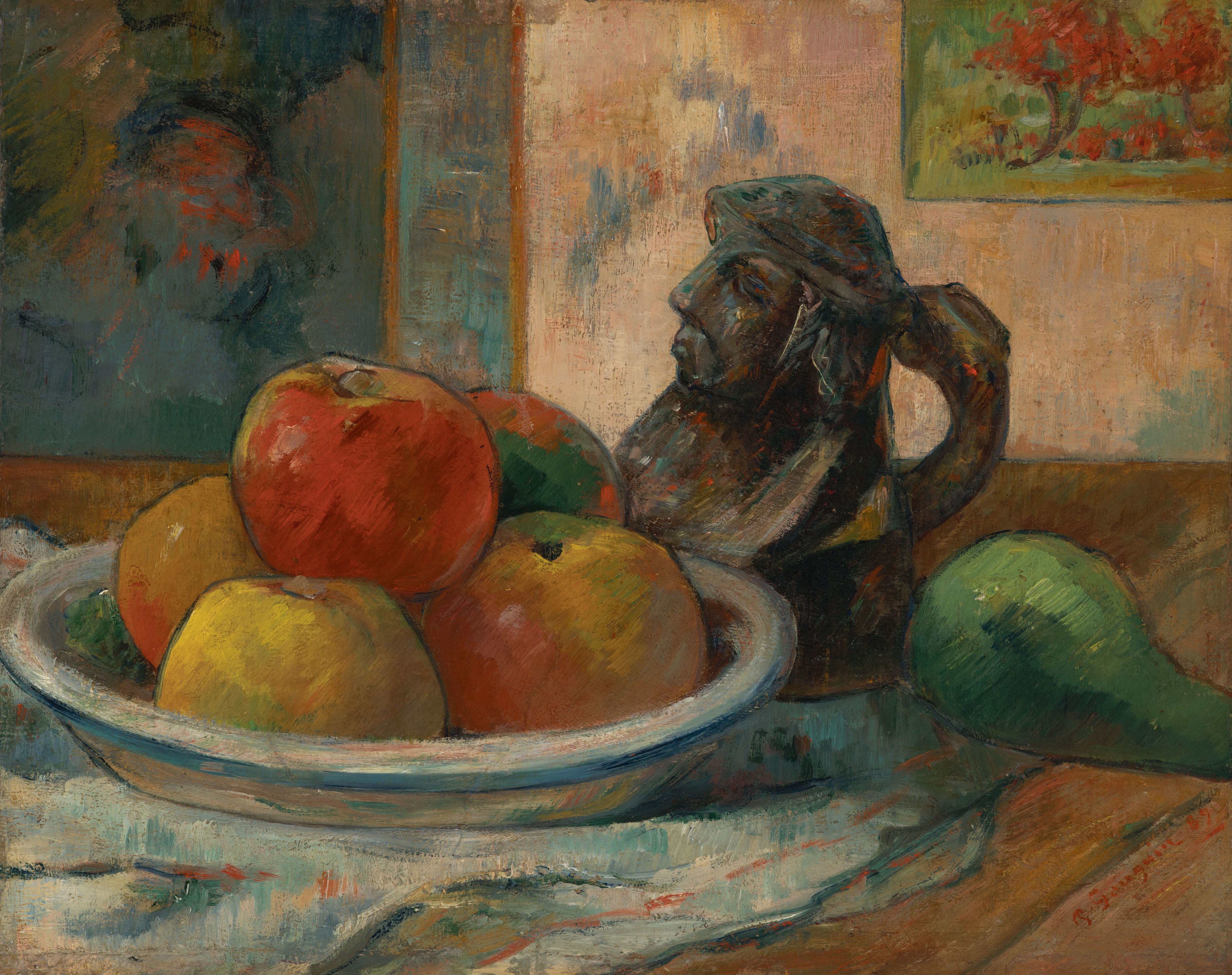
Still Life with Apples, a Pear, and a Ceramic Portrait Jug
Paul Gauguin
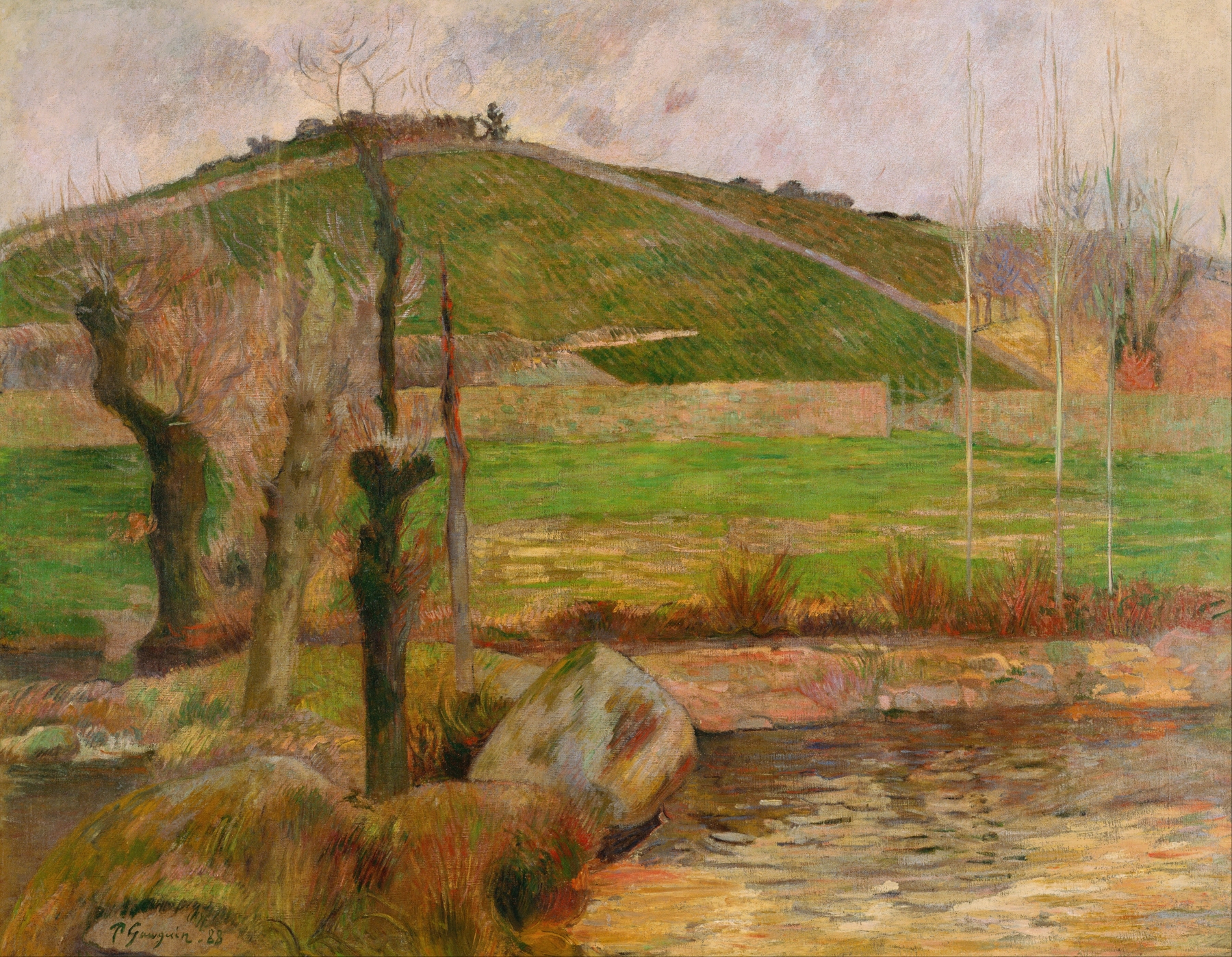
Landscape near Pont-Aven
Paul Gauguin

No te aha oe riri (Why Are You Angry?)
Paul Gauguin