
Flußlandschaft mit Bergkloster — History & Facts
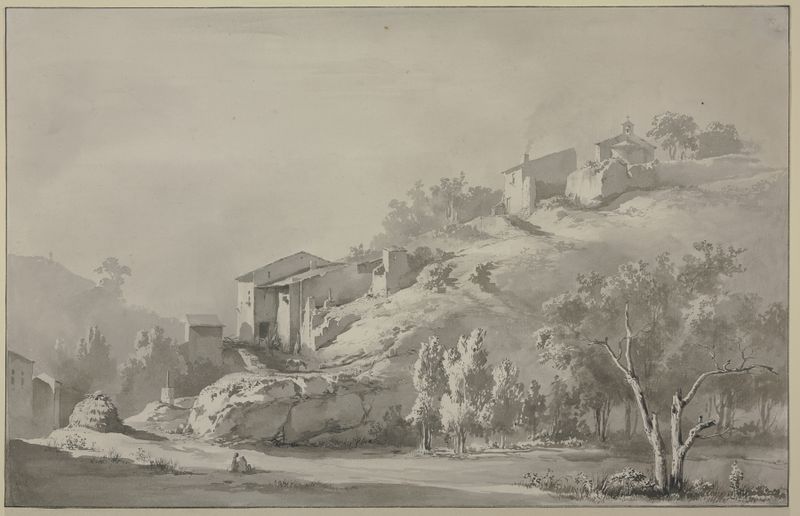
What if beauty was never meant to be finished? In Flußlandschaft mit Bergkloster, desire unfurls in the delicate interplay of nature and architecture, beckoning us to linger in its serene embrace. Look to the left at the gentle curve of the river, its waters shimmering under a soft, dappled light. The mountains rise majestically in the background, cradling the distant monastery that seems to resonate with spiritual yearning. Notice how the muted greens and blues of the landscape contrast with the warm hues of the building, a harmonious blend that draws the eye into a profound narrative of solitude and reflection.
The meticulous detailing in the foliage and the clouds overhead invites contemplation, grounding the viewer in both the natural and the transcendental. Beneath the calm surface lies a complex interplay of emotions. The juxtaposition of the sturdy monastery against the flowing river captures the tension between permanence and transience, a reminder of the human aspiration for sanctuary amidst life’s currents. The soft brushwork evokes a sense of longing, as if each element is reaching toward the ideal—a desire for connection with the divine that lingers in every brushstroke. In 1795, Jean-Jacques de Boissieu found himself in a world navigating the final throes of the Enlightenment.
Living in France during a time of significant social upheaval, he turned his focus to landscapes that harmonized the sublime aspects of nature with human presence. This painting reflects the artist’s keen interest in capturing not only the physical beauty of the world but also the spiritual introspection that landscapes can evoke, marking a pivotal moment in his artistic journey.
More Artworks by Jean-Jacques de Boissieu
Browse all →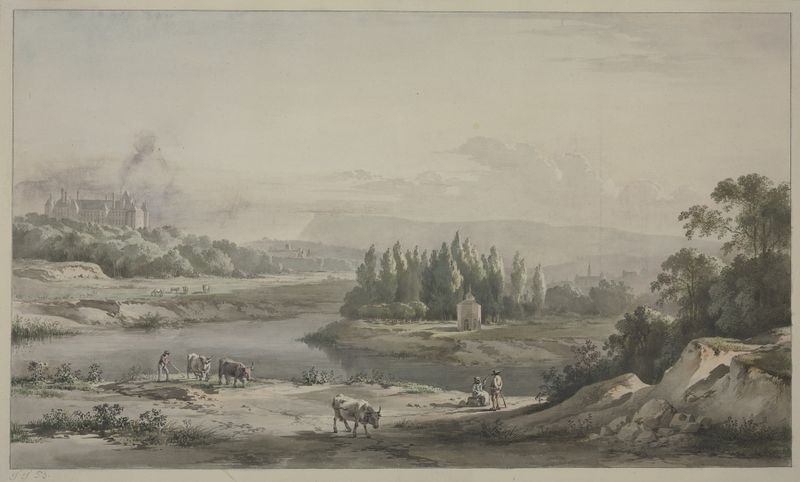
River Landscape
Jean-Jacques de Boissieu

Vestiges du temple d’Apollon au bord du Lac d’Auverne
Jean-Jacques de Boissieu

Vue du pont de la Guillotière à Lyon
Jean-Jacques de Boissieu
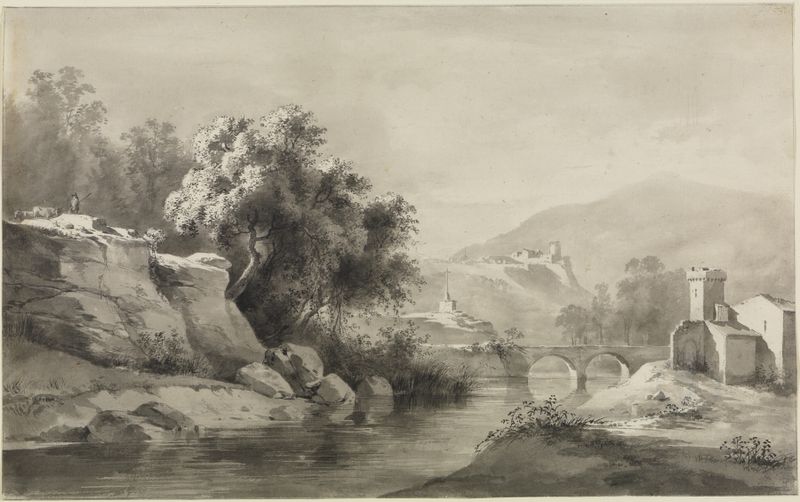
Flusslandschaft mit Doppelbogenbrücke und Kreuz
Jean-Jacques de Boissieu
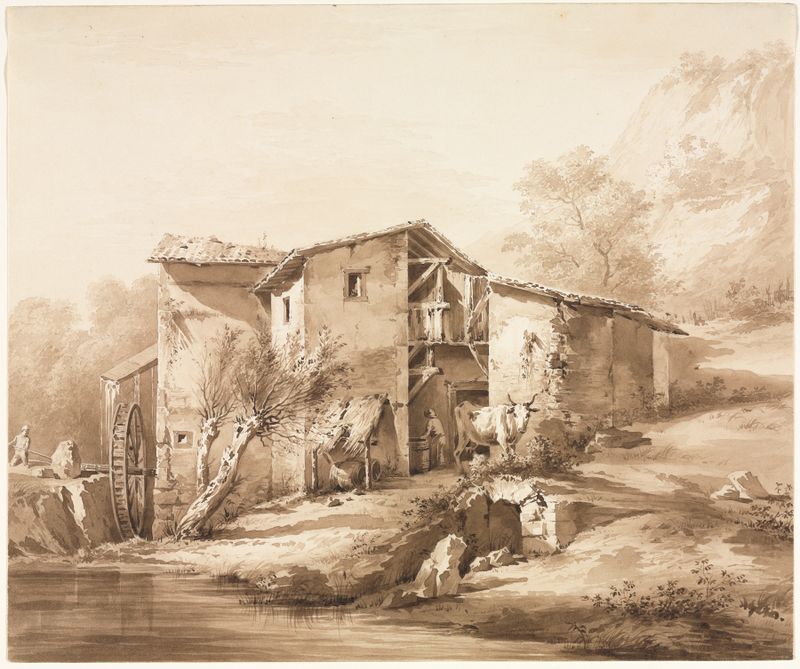
Landscape with Watermill
Jean-Jacques de Boissieu

Château Galliard
Jean-Jacques de Boissieu

Flußlandschaft bei L’Arbresle im Lyonnais
Jean-Jacques de Boissieu
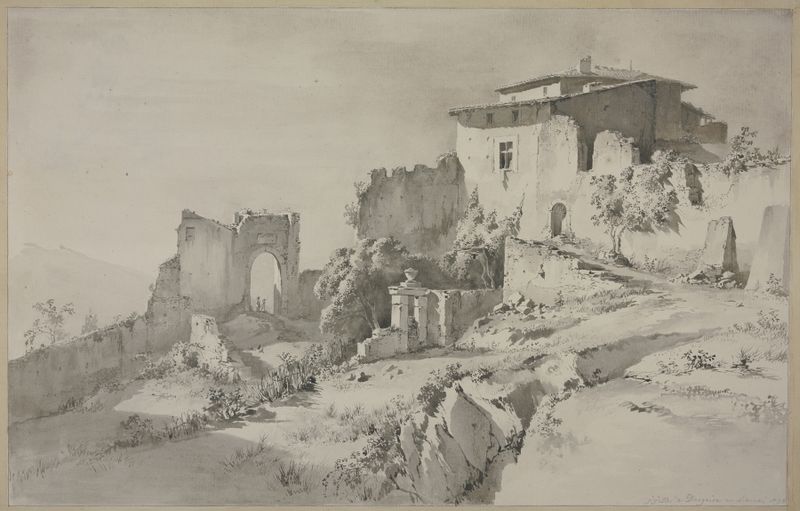
Landscape near Dargoire
Jean-Jacques de Boissieu

Tree with leafless treetop
Jean-Jacques de Boissieu
Landscape with a Chapel and Houses on a Mountainside
Jean-Jacques de Boissieu





