
Vue du pont de la Guillotière à Lyon — History & Facts
In the delicate strokes of Jean-Jacques de Boissieu, we encounter a world where fragility intertwines with permanence, where fleeting moments are captured for eternity. Look to the center of the composition, where a serene river reflects the soft hues of a dawn sky. The gentle ripples break the mirror-like surface, drawing the eye into a tranquil dance of light and water. Notice the arching bridge, its elegant curves contrasting the rigid structures of the buildings flanking either side.
Through subtle variations in tone, the artist plays with light and shadow, evoking a sense of depth that breathes life into the scene. Beneath the surface, a poignant tension exists between the man-made and the natural. The bridge, a symbol of human achievement, stands resilient yet fragile, hinting at the transient nature of progress. The soft blue and warm earth tones suggest a harmony that belies the undercurrents of change—a reminder that all things are subject to the passage of time.
Observe how the figures in the distance, mere silhouettes, embody the everyday life that pulses beneath the surface, evoking a sense of connection and continuity. In 1760, in Lyon, Boissieu was emerging as a recognized landscape artist. This period witnessed a shift in artistic focus, as landscapes began to capture not just nature but the intricate relationship between man and his environment. As he painted Vue du pont de la Guillotière à Lyon, Boissieu was not only reflecting a serene scene but also responding to the burgeoning desire for realism that would define the era.
More Artworks by Jean-Jacques de Boissieu
Browse all →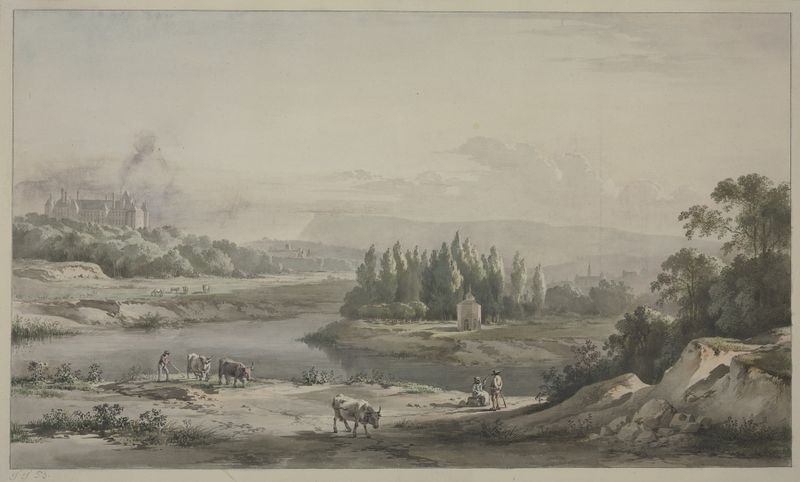
River Landscape
Jean-Jacques de Boissieu

Vestiges du temple d’Apollon au bord du Lac d’Auverne
Jean-Jacques de Boissieu
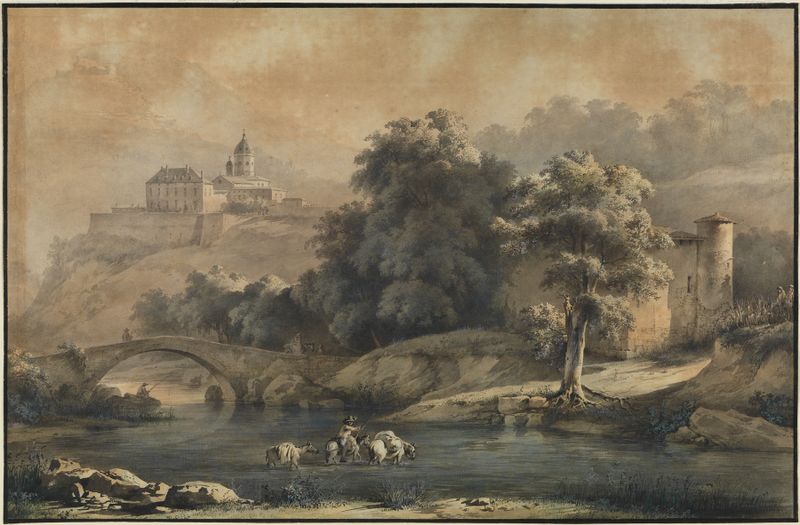
Flußlandschaft mit Bergkloster
Jean-Jacques de Boissieu
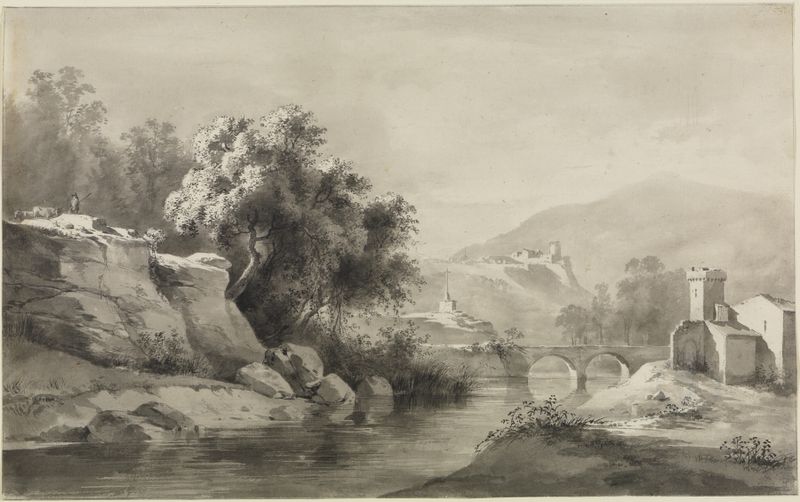
Flusslandschaft mit Doppelbogenbrücke und Kreuz
Jean-Jacques de Boissieu
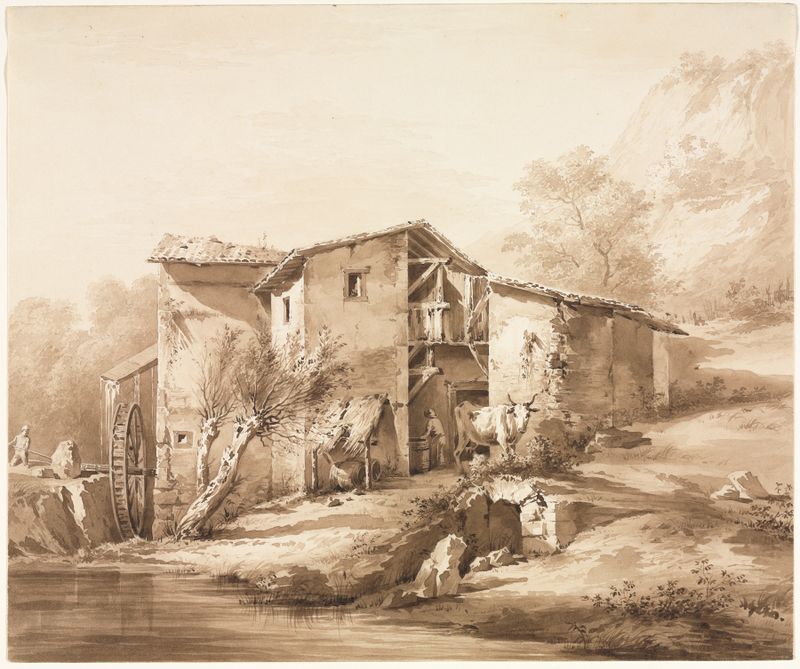
Landscape with Watermill
Jean-Jacques de Boissieu

Château Galliard
Jean-Jacques de Boissieu

Flußlandschaft bei L’Arbresle im Lyonnais
Jean-Jacques de Boissieu
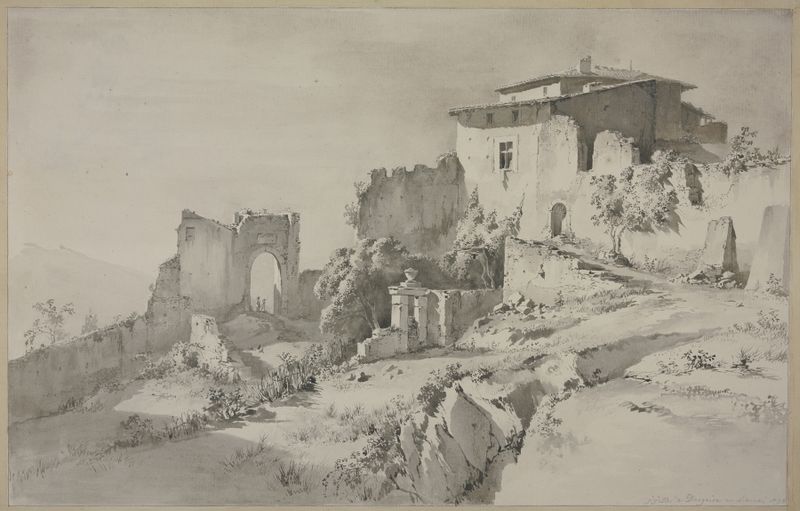
Landscape near Dargoire
Jean-Jacques de Boissieu

Tree with leafless treetop
Jean-Jacques de Boissieu
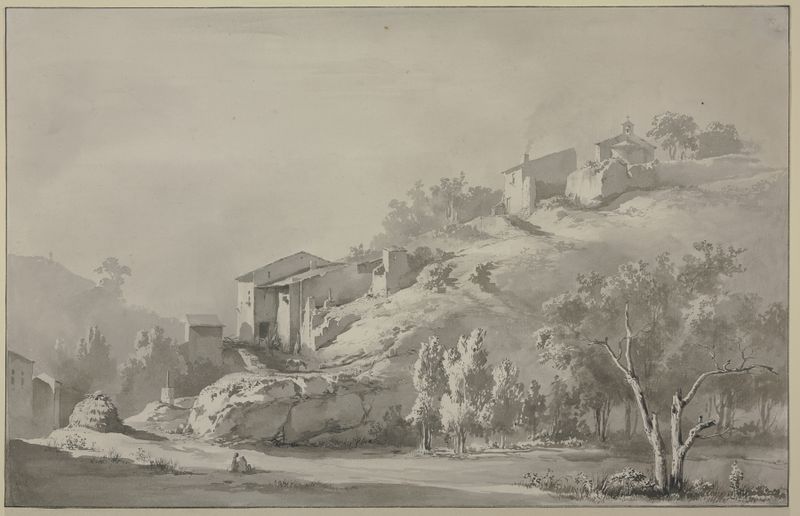
Landscape with a Chapel and Houses on a Mountainside
Jean-Jacques de Boissieu





