
Fontaine du Châtelet — History & Facts
Could beauty survive in a century of chaos? In Fontaine du Châtelet, the essence of longing is encapsulated within the quiet elegance of the scene, inviting us to ponder the delicate balance between serenity and the tumult of existence. Focus your gaze on the central fountain, where crystalline water spills gracefully from ornate spouts over rounded basins. Notice how the light dances upon the surface, creating a shimmering tableau that contrasts with the muted palette of the surrounding architecture. The intricately detailed stonework draws your eye, revealing the artist's meticulous technique and the harmonious composition that invites both admiration and tranquility. Amidst the stillness, subtle emotional tensions arise.
The interplay of shadow and light suggests a world on the brink, where beauty persists despite the surrounding chaos. The reflections in the water hint at fleeting moments, evoking a sense of nostalgia for times past, while the verdant foliage surrounding the fountain represents the enduring hope that life and artistry will triumph even in adversity. These details resonate with the viewer, hinting at a longing for peace in an ever-changing world. Prévost painted Fontaine du Châtelet in 1885 while living in France, a period marked by political unrest and artistic innovation.
Influenced by the shifting tides of the Impressionist movement, he sought to capture the interplay of light and nature, reflecting a desire for beauty amidst the looming uncertainties of modernity. This piece serves as both a testament to his skill and a poignant reminder of art's ability to transcend chaos.
More Artworks by Alexandre Prévost
Browse all →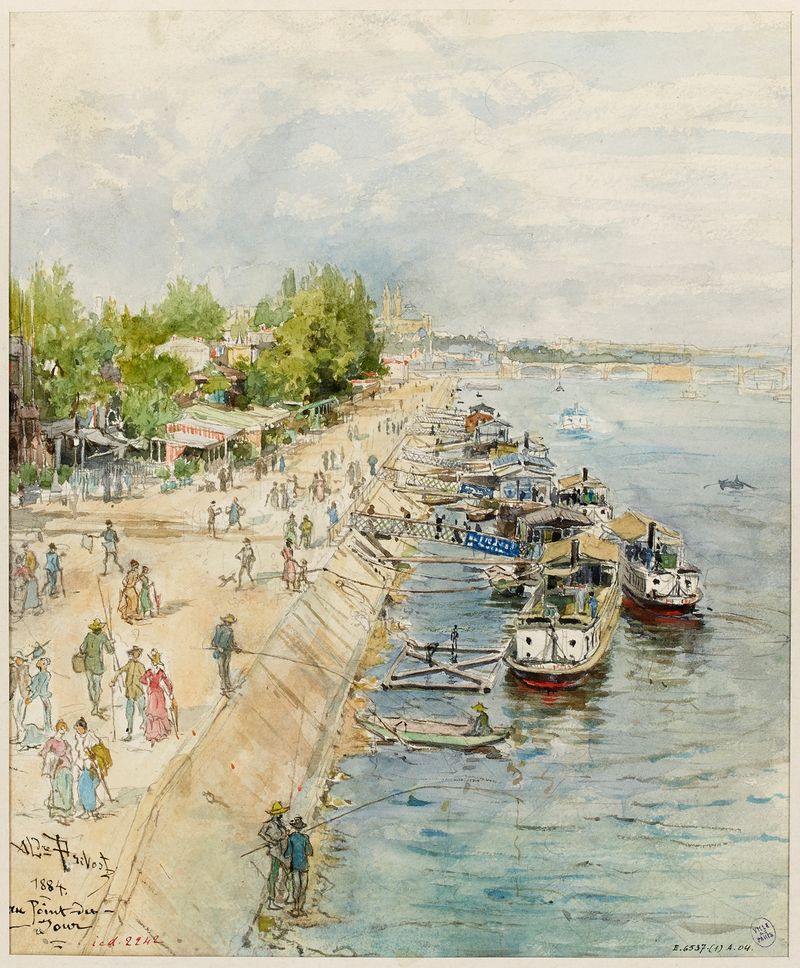
Embarcadère au Point du Jour
Alexandre Prévost
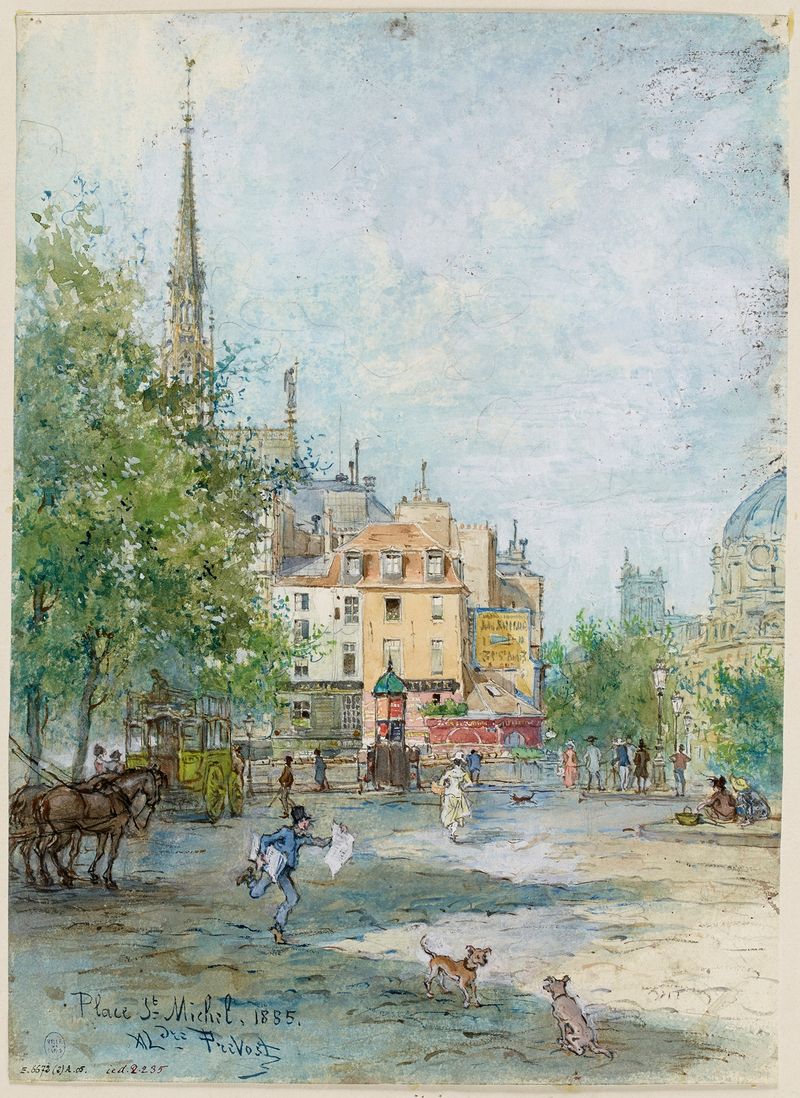
La place Saint Michel
Alexandre Prévost
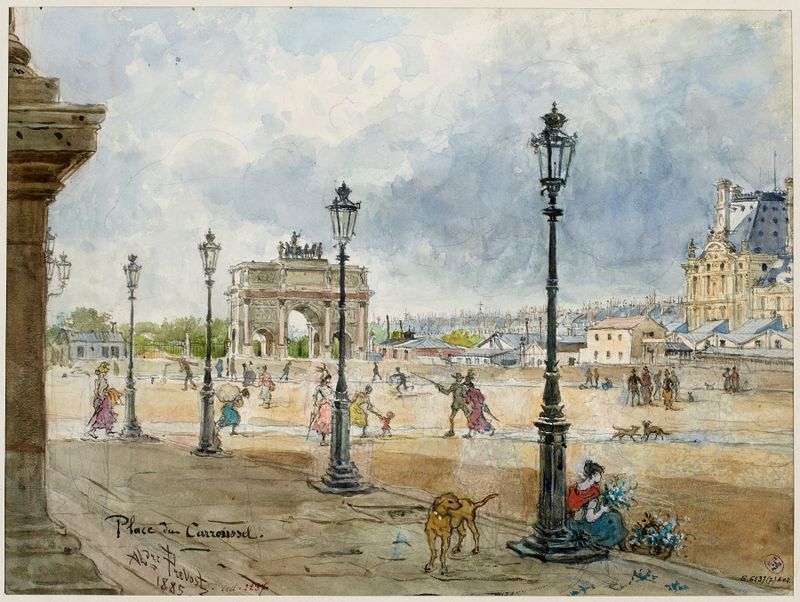
Place du Carrousel
Alexandre Prévost

Bains Henri IV
Alexandre Prévost
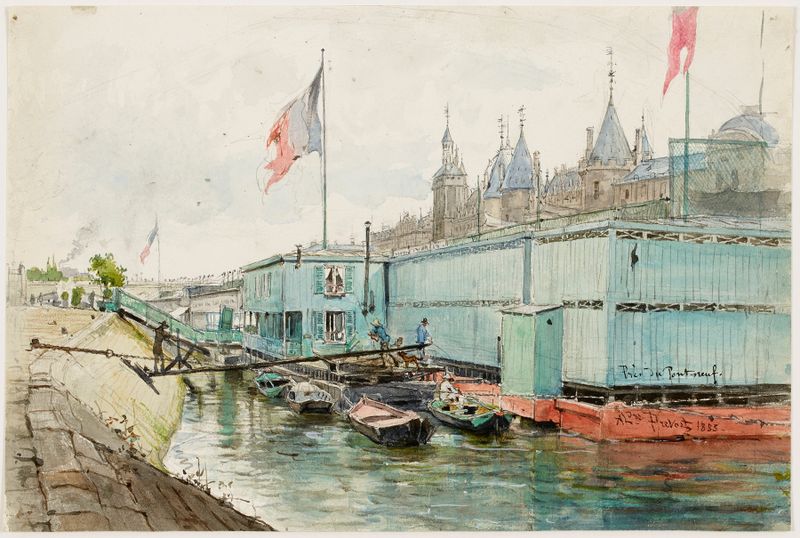
Bains froids au dessous du Pont Neuf
Alexandre Prévost

Square du Vert Galant
Alexandre Prévost
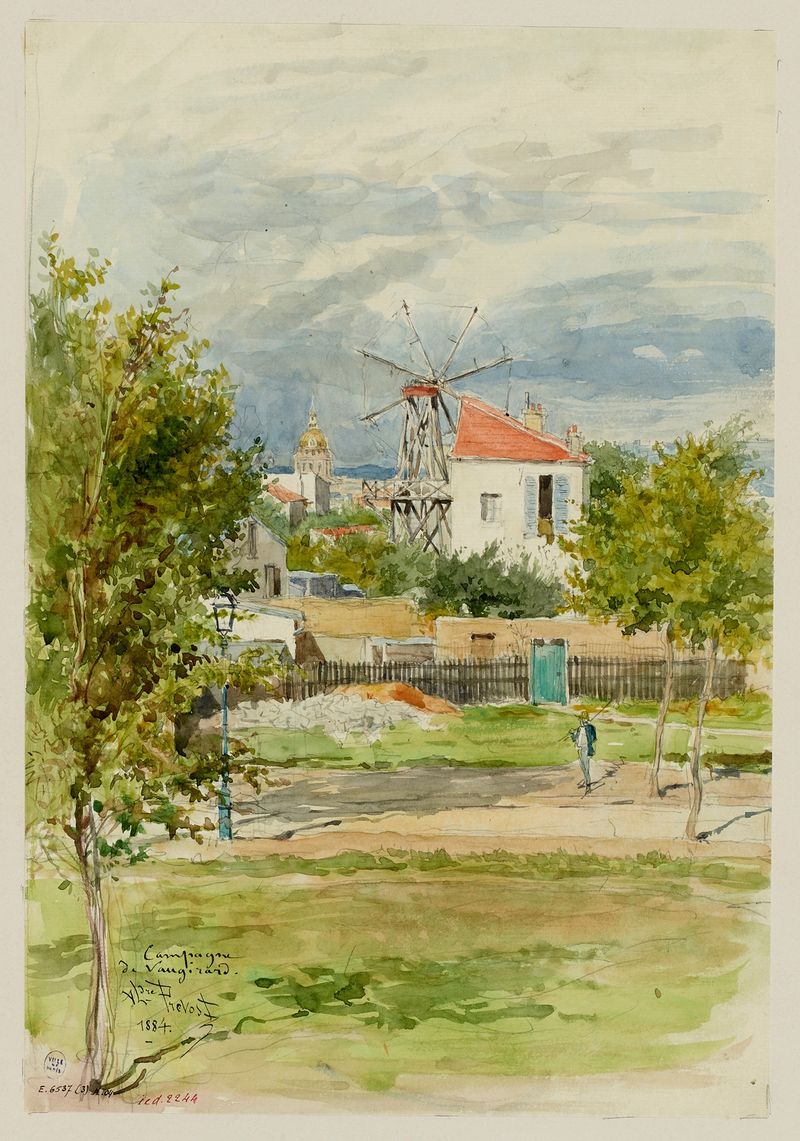
Campagne de Vaugirard
Alexandre Prévost

Le rocher au jardin du Trocadéro
Alexandre Prévost

Fontaine du Trocadéro
Alexandre Prévost
More Architecture Art
Browse all →
The statue of Liberty
Frédéric Auguste Bartholdi

View of Houses in Delft, Known as ‘The Little Street’
Johannes Vermeer

View of Houses in Delft, Known as ‘The Little Street’
Johannes Vermeer

The Cathedral in Rouen. The portal, Grey Weather
Claude Monet

The yellow house
Vincent van Gogh

The Church in Auvers-sur-Oise, View from the Chevet
Vincent van Gogh