
Fontaine du Trocadéro — History & Facts
Could a single brushstroke hold eternity? In Fontaine du Trocadéro, light dances upon the water’s surface, whispering secrets of time and beauty. Focus on the center of the canvas, where cascading water pours forth from the fountain, each droplet glistening with a crystalline clarity. Notice the delicate play of sunlight, illuminating the intricate details of the stonework and the figures that gather around the fountain’s edge. The artist employs a soft yet vibrant palette, with gentle blues and warm earth tones that evoke a sense of serene harmony and invite the viewer into this splendid Parisian moment. Beneath this tranquil surface lies a juxtaposition of human presence and nature’s splendor.
The figures, absorbed in conversation and reflection, seem in harmony with the flowing water, yet their stillness contrasts sharply with the dynamic motion of the fountain. This interplay evokes a contemplation of fleeting time, where the joy of the moment is both celebrated and ephemeral, revealing the tension between permanence and transience. In 1882, Alexandre Prévost painted this work during a transformative period for Paris, just after the Exposition Universelle had showcased the city's grandeur. At that time, the art world was grappling with the rise of Impressionism, and Prévost's engagement with light and form reflected these evolving artistic currents.
He sought to capture the elegance of the Trocadéro Gardens and the emotional resonance of the everyday, marking his place in the narrative of 19th-century French art.
More Artworks by Alexandre Prévost
Browse all →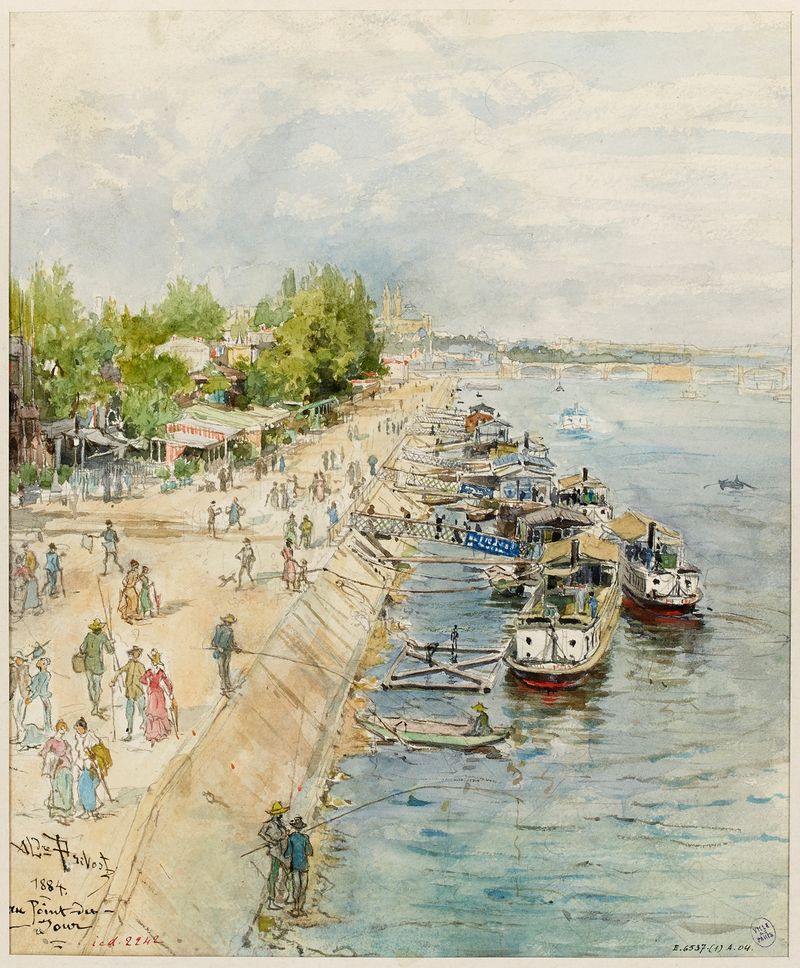
Embarcadère au Point du Jour
Alexandre Prévost
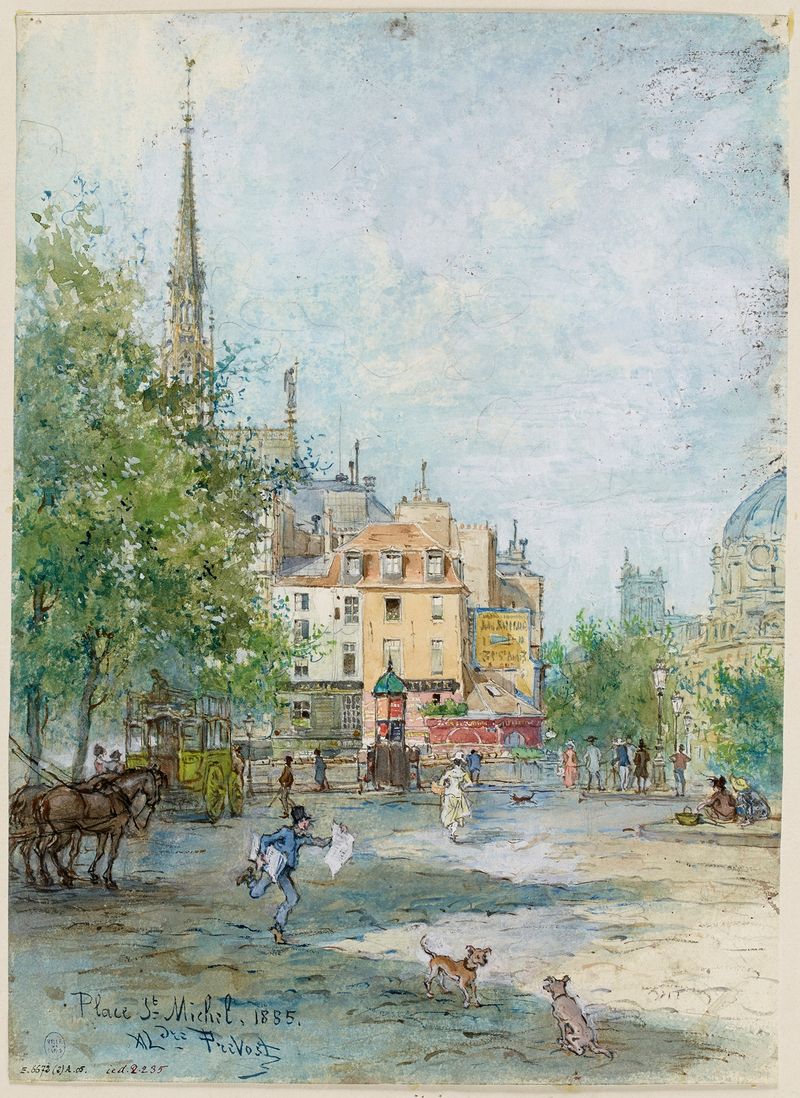
La place Saint Michel
Alexandre Prévost
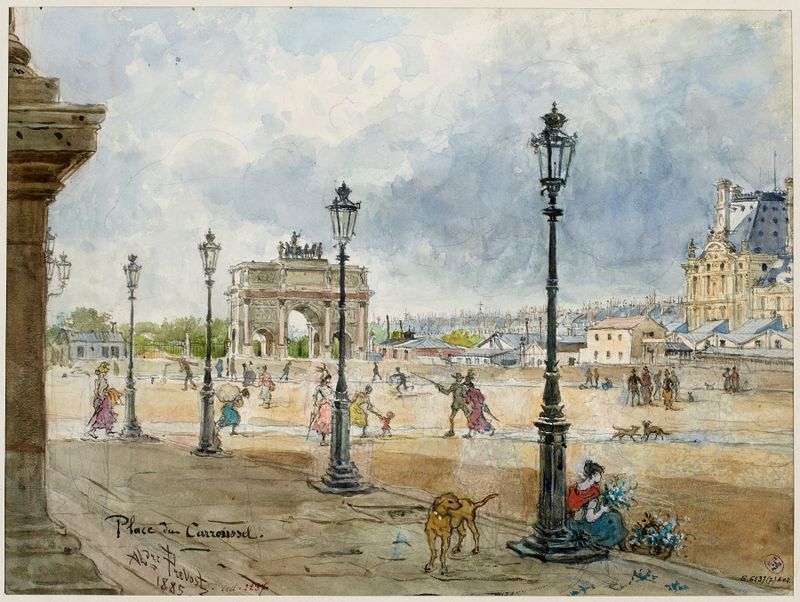
Place du Carrousel
Alexandre Prévost

Bains Henri IV
Alexandre Prévost
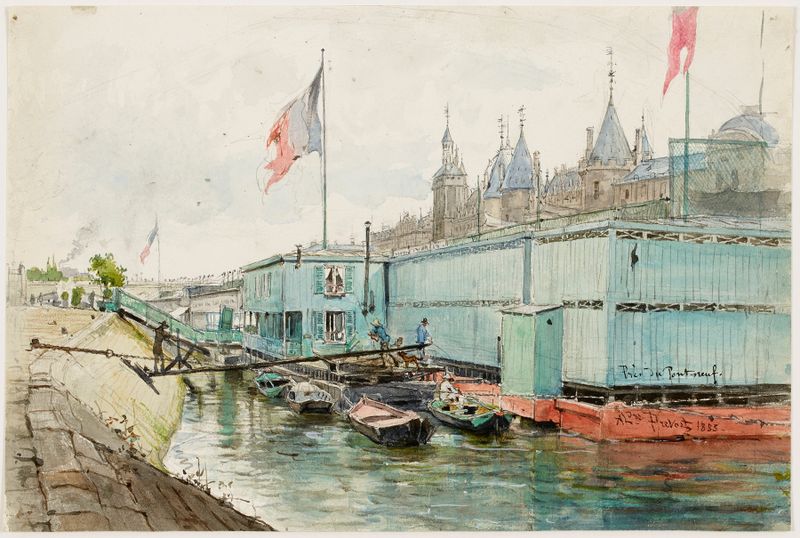
Bains froids au dessous du Pont Neuf
Alexandre Prévost

Square du Vert Galant
Alexandre Prévost
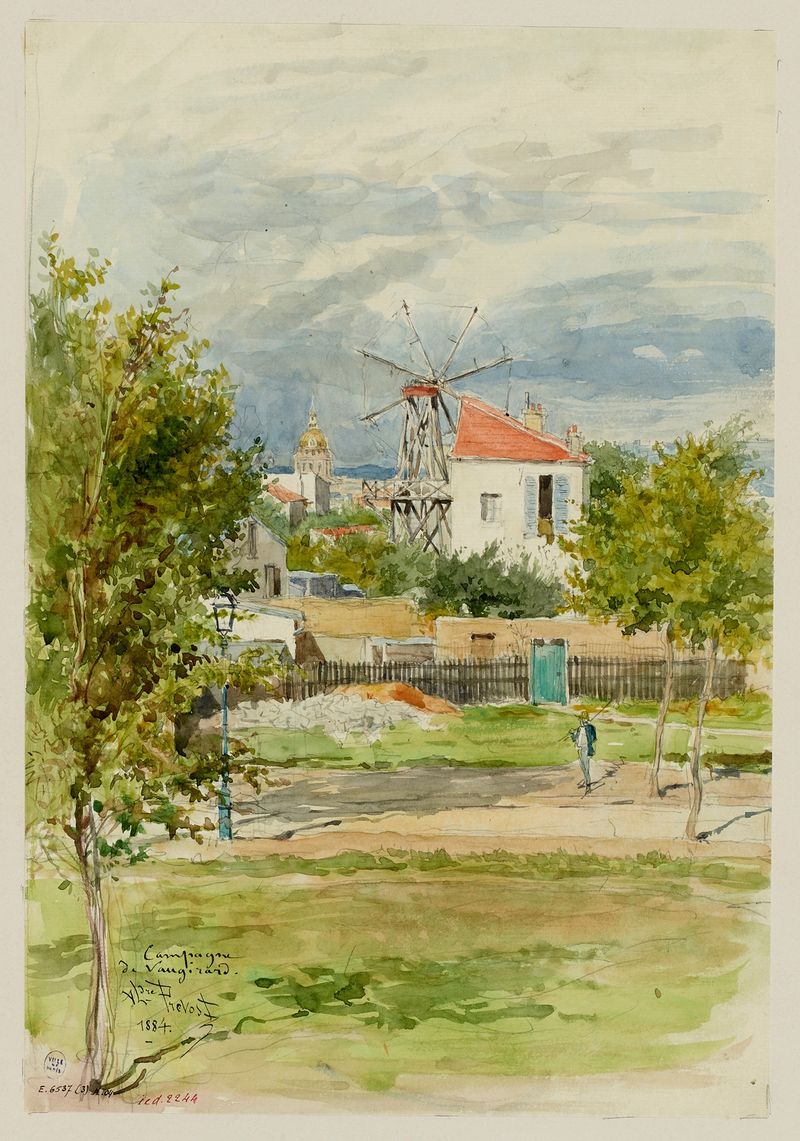
Campagne de Vaugirard
Alexandre Prévost

Le rocher au jardin du Trocadéro
Alexandre Prévost
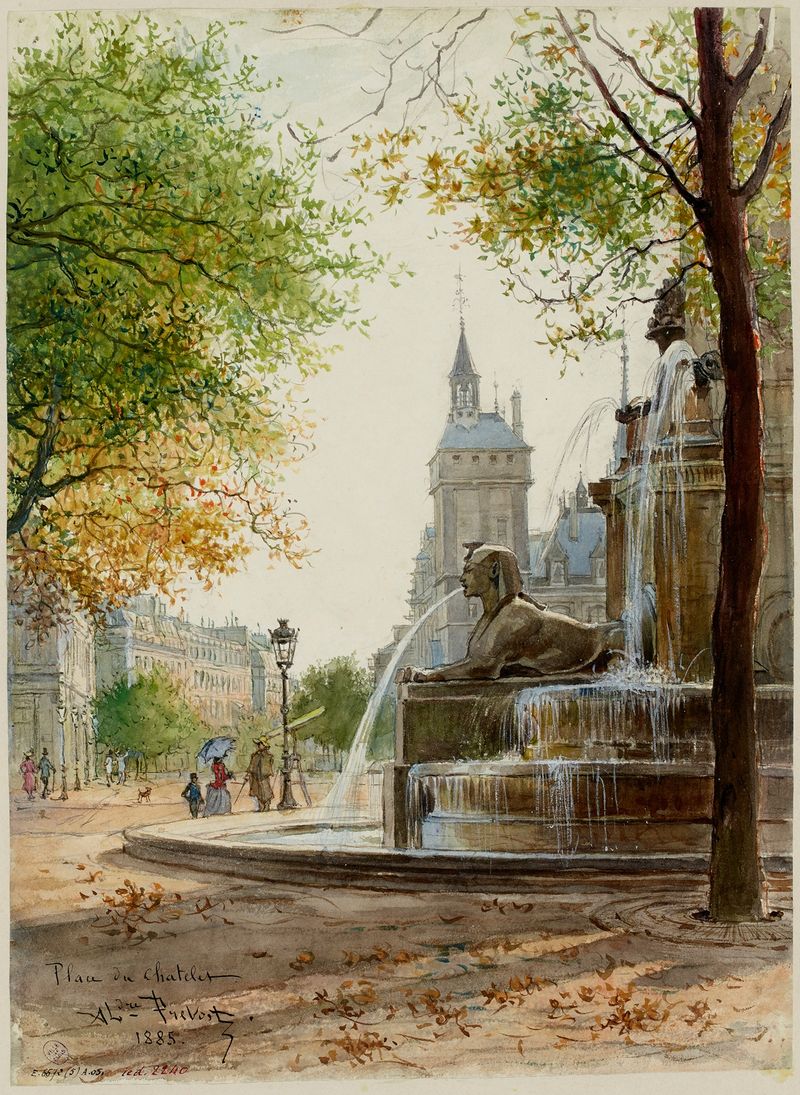
Fontaine du Châtelet
Alexandre Prévost
More Architecture Art
Browse all →
The statue of Liberty
Frédéric Auguste Bartholdi

View of Houses in Delft, Known as ‘The Little Street’
Johannes Vermeer

View of Houses in Delft, Known as ‘The Little Street’
Johannes Vermeer

The Cathedral in Rouen. The portal, Grey Weather
Claude Monet

The yellow house
Vincent van Gogh

The Church in Auvers-sur-Oise, View from the Chevet
Vincent van Gogh