
Le rocher au jardin du Trocadéro — History & Facts
In the tranquility of a lush garden, innocence reveals itself through the gentle embrace of nature, whispering stories of unspoken joys and hidden sorrows. Look to the center of the canvas, where a rugged rock formation emerges, cradled in vibrant greens and soft browns. The artist’s expert brushwork brings out the textures of the stone and foliage, as dappled sunlight dances upon them, drawing the eye to the delicate interplay of shadow and light. The composition is anchored by the rock, symbolizing stability amidst the ephemeral beauty surrounding it, inviting viewers to pause and reflect on nature’s quiet strength. Within this serene landscape, contrasts abound.
The ruggedness of the rock juxtaposes the softness of the surrounding plants, hinting at the fragility of innocence caught in life’s complexities. The gentle curves of the garden reflect a nurturing environment, yet the formidable presence of the rock serves as a reminder of life’s inherent challenges and the resilience required to navigate them. Each brushstroke conveys an emotional tension, revealing the complexity of what lies beneath the surface of beauty. In 1882, when this piece was created, the artist found himself in a rapidly changing Paris, where the arts were influenced by the rise of Impressionism.
Prévost, inspired by the blossoming naturalism of the era, sought to capture the essence of innocence and serenity in a world teetering on the edge of modernity. His work reflects both personal and societal transitions, embodying a moment where tradition met the shifting tides of artistic exploration.
More Artworks by Alexandre Prévost
Browse all →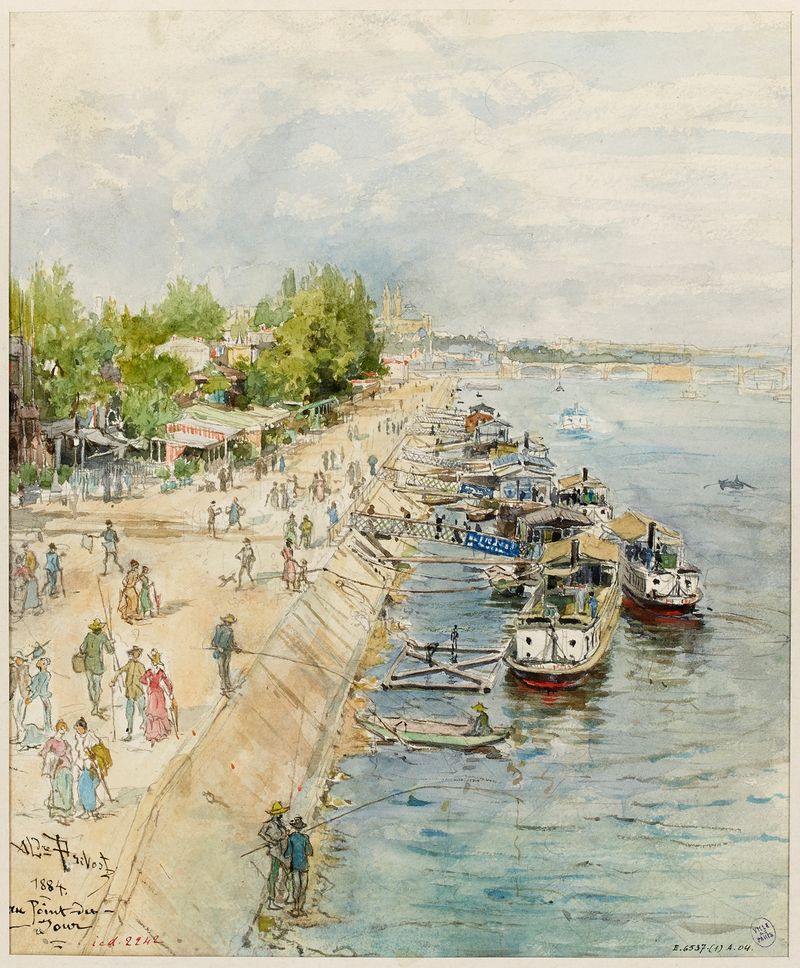
Embarcadère au Point du Jour
Alexandre Prévost
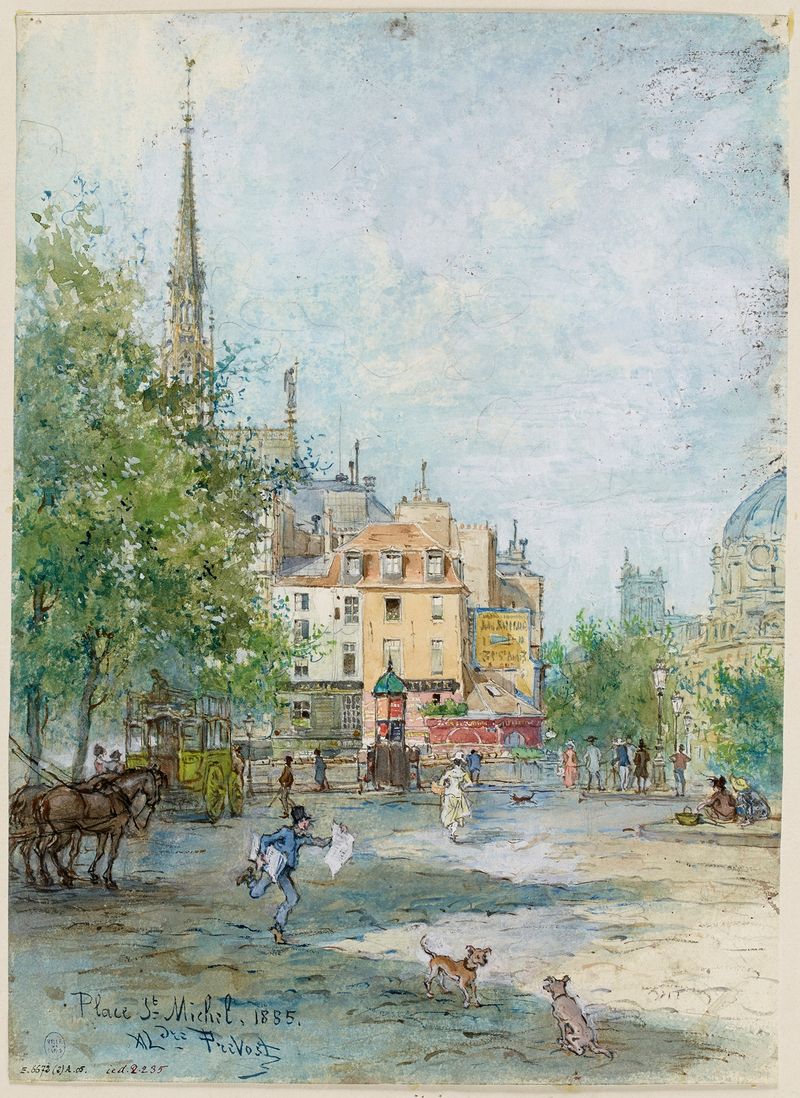
La place Saint Michel
Alexandre Prévost
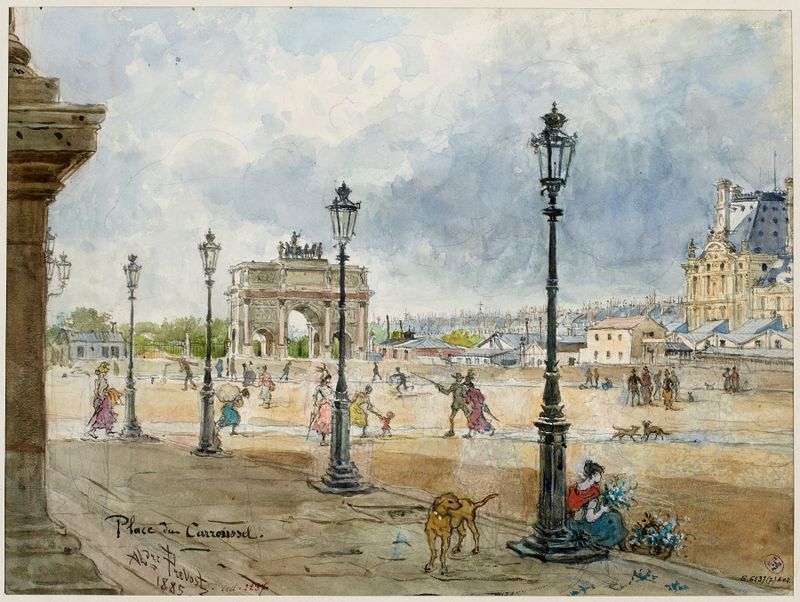
Place du Carrousel
Alexandre Prévost

Bains Henri IV
Alexandre Prévost
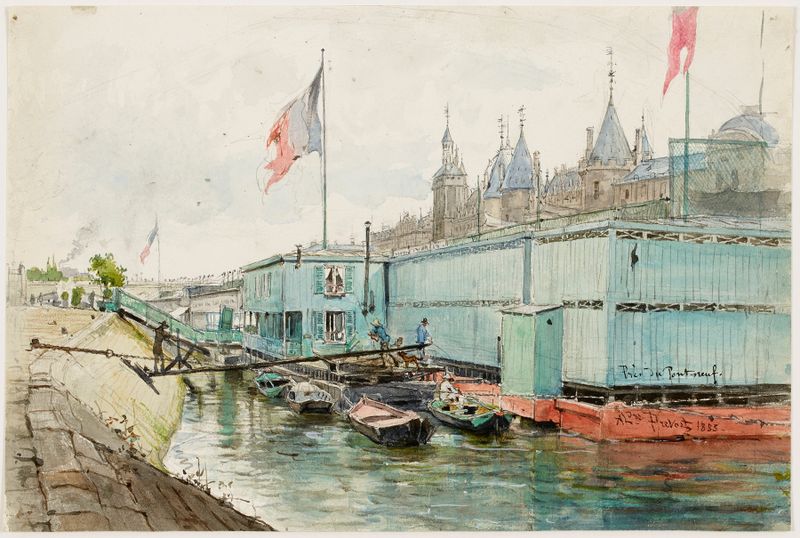
Bains froids au dessous du Pont Neuf
Alexandre Prévost

Square du Vert Galant
Alexandre Prévost
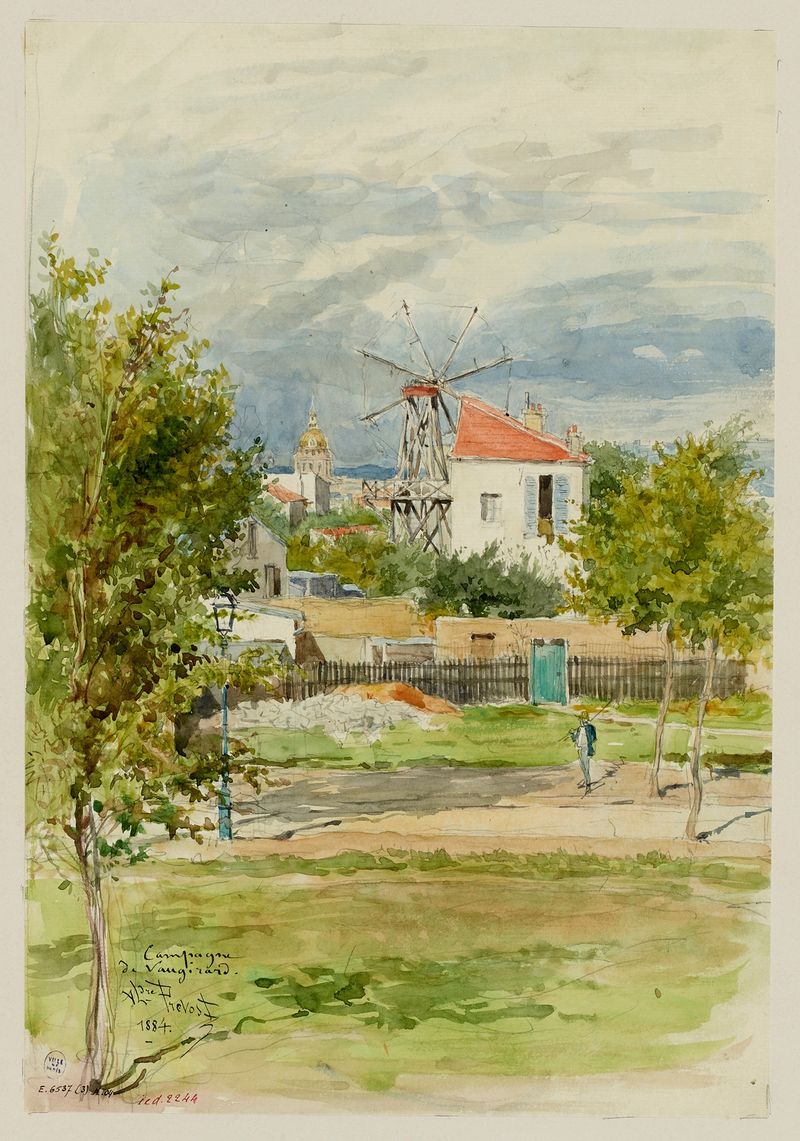
Campagne de Vaugirard
Alexandre Prévost
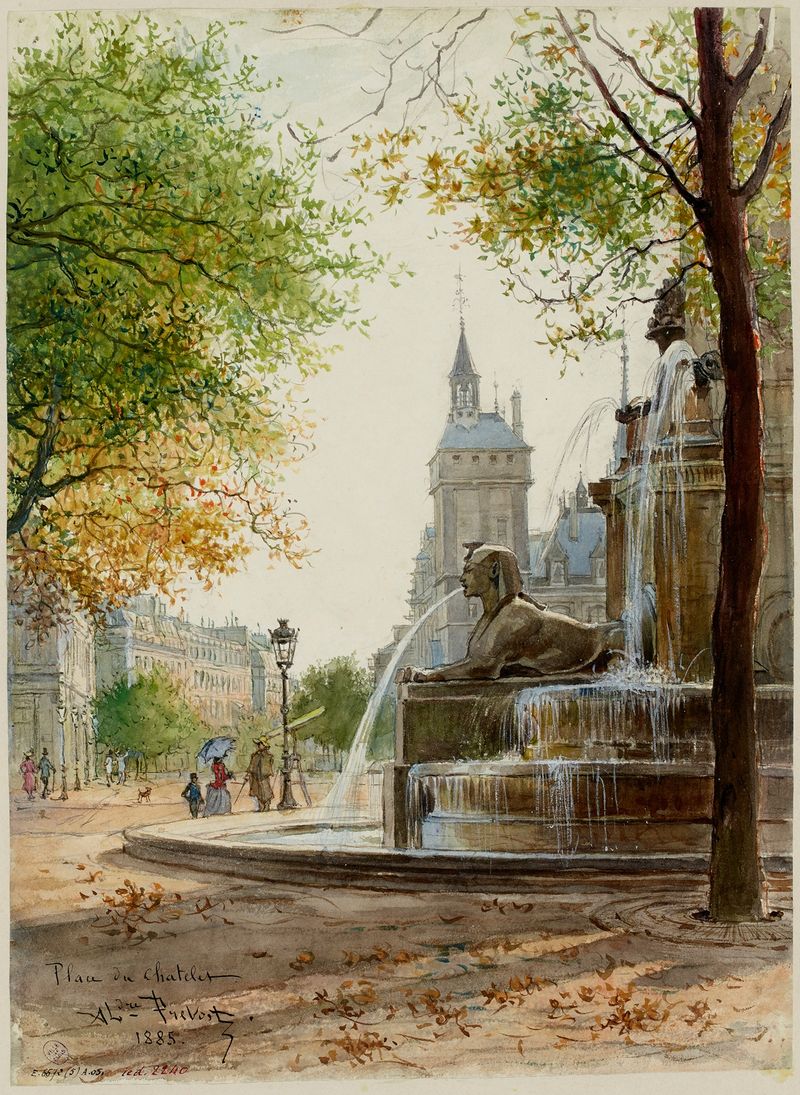
Fontaine du Châtelet
Alexandre Prévost

Fontaine du Trocadéro
Alexandre Prévost





