
Forest edge — History & Facts
What if beauty was never meant to be finished? In the quiet embrace of nature, where the forest meets the open air, we find a landscape steeped in melancholy, a scene that invites contemplation and reflection. Focus on the foreground where a delicate interplay of light and shadow creates a rhythmic dance upon the lush greenery. Notice how the vibrant greens are offset by muted browns and soft grays, hinting at an impending change. The trees, standing tall yet distant, draw the eye back, while the path leading to the forest's edge invites the viewer to explore both the external landscape and the inner emotional terrain.
Szermentowski’s brushwork reveals a brilliant tension between hope and nostalgia, as if the painting itself is caught in a moment of unresolved longing. Consider the way the light dapples through the leaves, casting fleeting patterns on the ground — it speaks of transience and the inexorable passage of time. The subtle inclusion of a solitary figure, perhaps lost in thought, adds depth to the scene, suggesting a unity between humanity and nature. This contrast between solitude and the vibrant forest evokes a bittersweet acknowledgment of beauty that is both present and evanescent. In 1860, Szermentowski created this work in Poland, amidst a period marked by artistic exploration and the rise of Romanticism.
His focus on the natural world reflects the growing interest in landscape painting, driven by a desire to capture the sublime beauty of untouched nature. The era was rich with emotional expression, and this piece stands as a bridge between the observable world and the innermost feelings it elicits.
More Artworks by Józef Szermentowski
Browse all →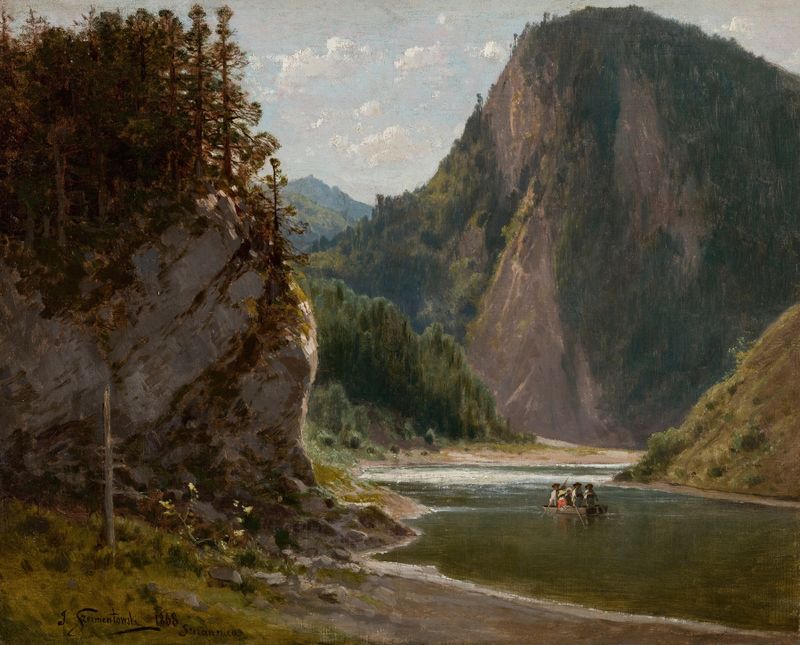
The Dunajec River in the Pieniny Mountains
Józef Szermentowski

View of Sandomierz from the Vistula River
Józef Szermentowski

Oak forest
Józef Szermentowski

Forest
Józef Szermentowski
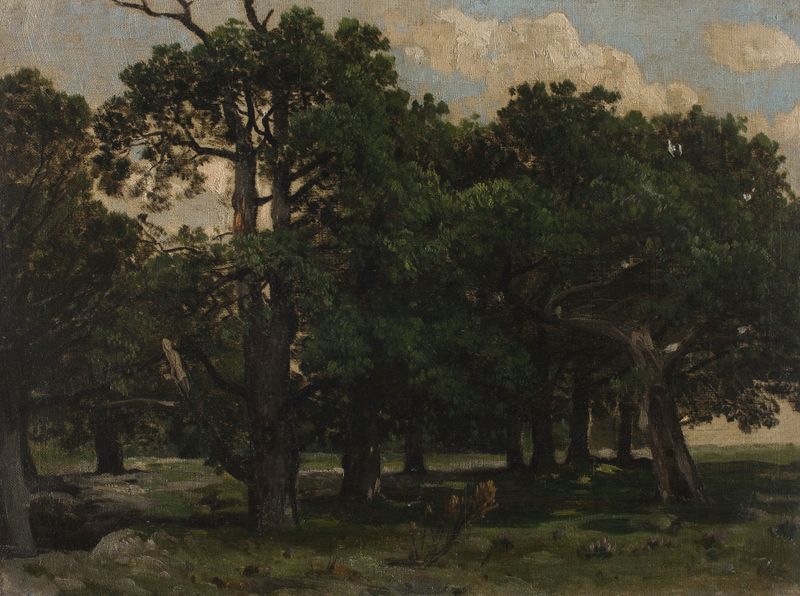
Pines
Józef Szermentowski

Landscape with Cows at a Watering-Place
Józef Szermentowski

Volhynian Village
Józef Szermentowski
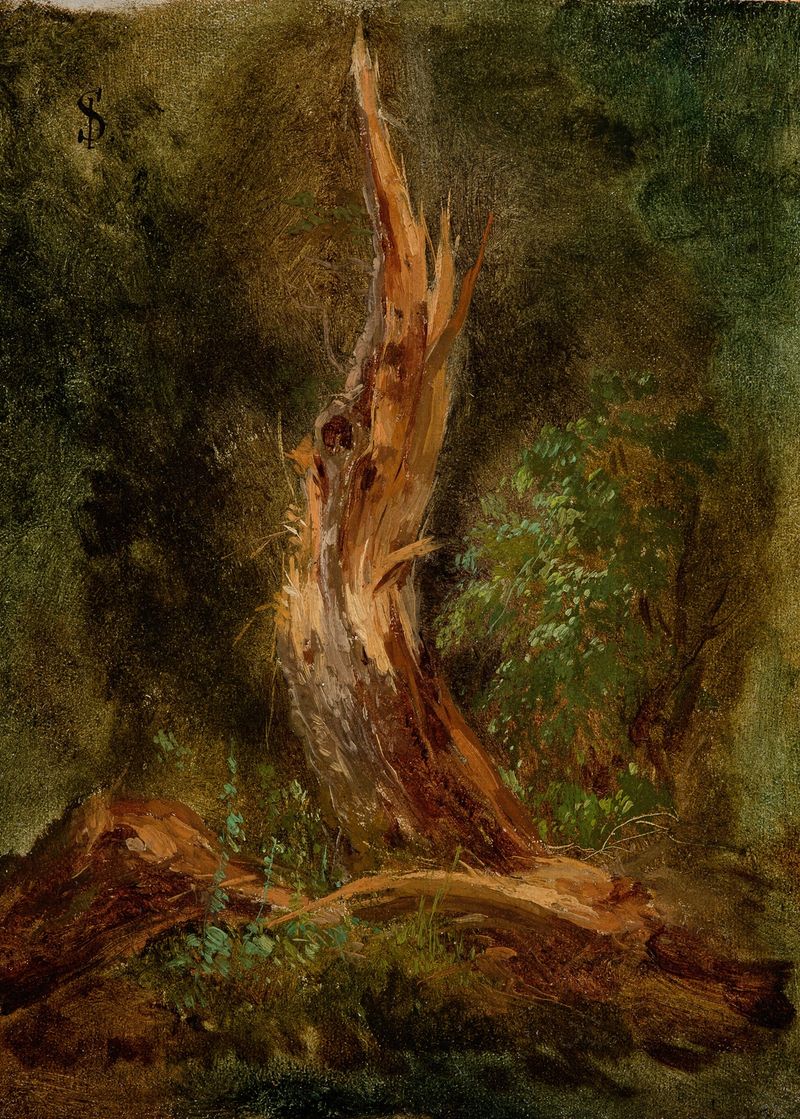
Volhynian Forest
Józef Szermentowski

Peasant funeral
Józef Szermentowski

Morning star
Józef Szermentowski





