
Peasant funeral — History & Facts
In the quiet interplay of hues, the emotional weight of grief is laid bare, transcending mere representation to touch the heart’s core. Focus on the somber palette that envelops the canvas, drawing your gaze to the muted earth tones that dominate the scene. Notice how the deep browns and soft grays evoke a sense of melancholy, while brief splashes of white suggest hope and purity amidst sorrow. The contrasting colors create a tension that pulls the viewer deeper into the emotional landscape, revealing the rawness of loss and the humanity interwoven within it. The figures, cloaked in somber garb, stand close together, embodying shared grief.
Observe the way their postures speak volumes — bowed heads and downcast eyes, an implicit connection forged through shared sorrow. The gentle dissolution of backgrounds into indistinct shapes mirrors the fading of a life once lived, emphasizing how grief blurs the edges of reality. Each brushstroke conveys a palpable heaviness, inviting introspection and allowing the viewer to grasp the essence of communal mourning. In 1862, Józef Szermentowski painted this work during a period marked by both personal and political turmoil in Poland.
Working in a time of national struggle, he sought to depict the everyday lives of his fellow countrymen, infusing the painting with both a documentary quality and poignant emotional depth. This artwork reflects his dedication to capturing the spirit of the people, even amidst their darkest moments, leaving a lasting legacy in the landscape of art.
More Artworks by Józef Szermentowski
Browse all →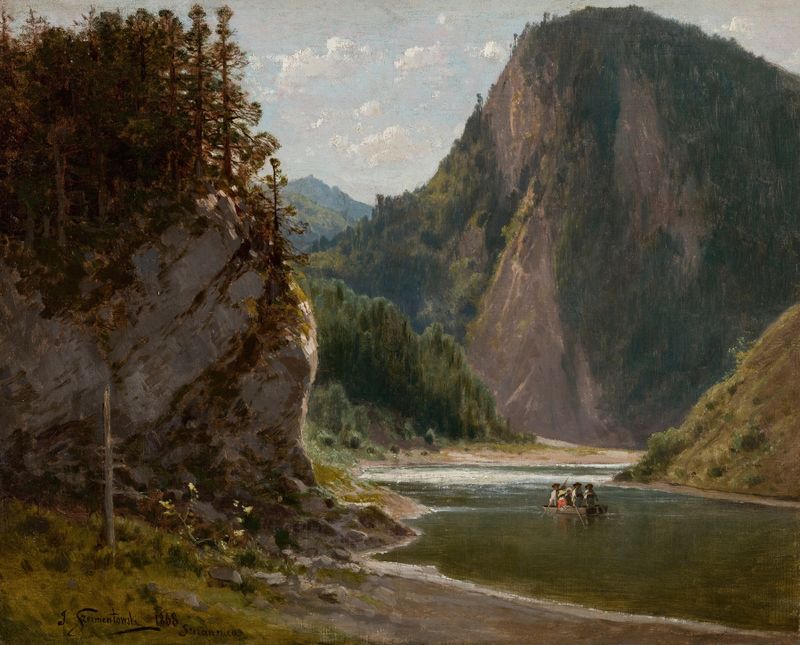
The Dunajec River in the Pieniny Mountains
Józef Szermentowski

View of Sandomierz from the Vistula River
Józef Szermentowski

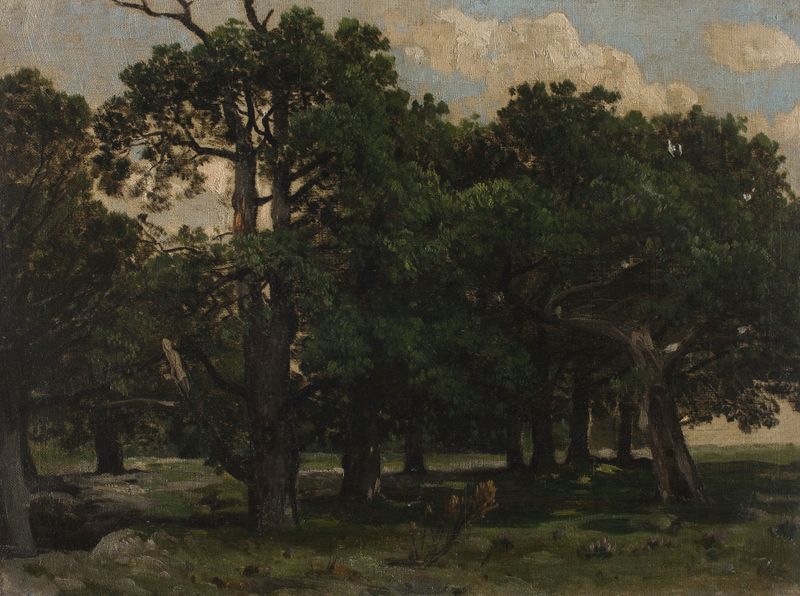
Oak forest
Józef Szermentowski

Forest
Józef Szermentowski
Pines
Józef Szermentowski

Landscape with Cows at a Watering-Place
Józef Szermentowski

Volhynian Village
Józef Szermentowski
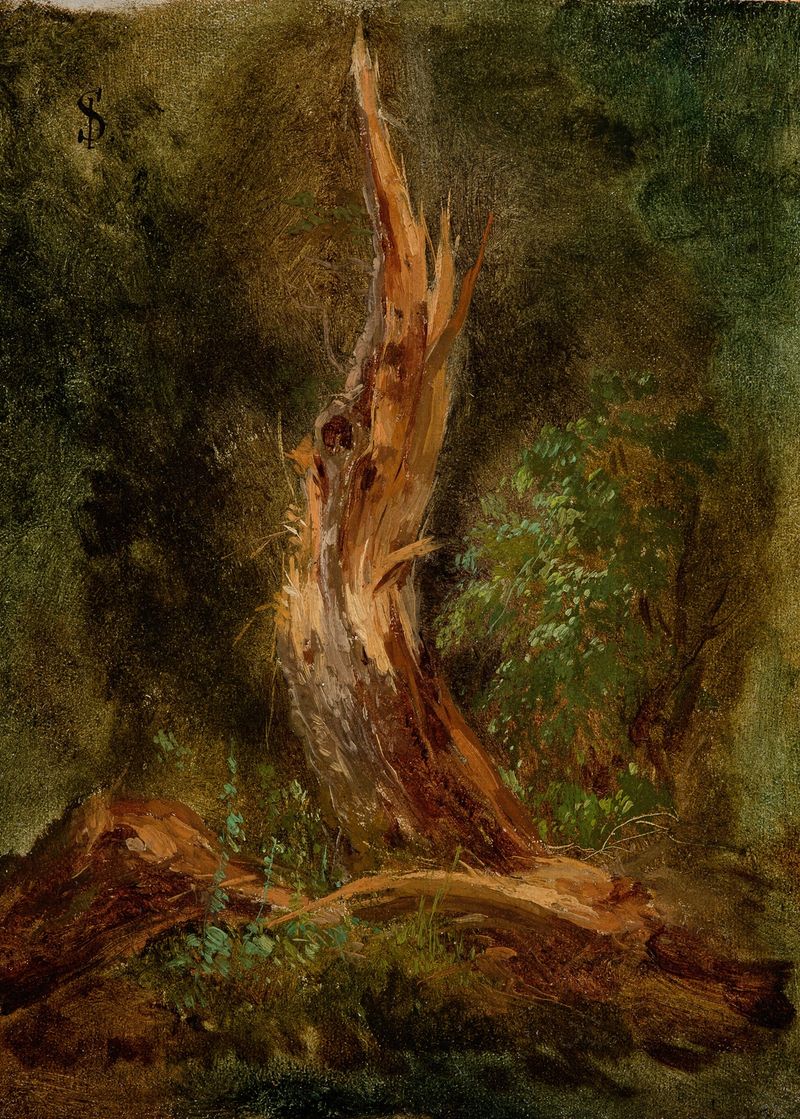
Volhynian Forest
Józef Szermentowski

Forest edge
Józef Szermentowski

Morning star
Józef Szermentowski





