
Forest Stream — History & Facts
Can beauty exist without sorrow? In Forest Stream, the serene allure of nature seems to whisper that fear and tranquility coexist in delicate harmony. Look to the center, where the gentle flow of water glistens under a canopy of verdant greens. The brushstrokes capture both the calming ripples of the stream and the lively dance of light reflecting off its surface. Notice the sharp contrasts between the delicate, soft hues of the foliage and the darker, more ominous shadows lurking beneath the trees.
This interplay of light and dark suggests that lurking behind beauty lies an undercurrent of unease, beckoning the viewer to reflect deeper. In this tranquil setting, hidden tensions emerge. The vibrant greens evoke life, yet the heavy shadows hint at the presence of something foreboding just beyond the canvas. The viewer might sense the fragility of life itself, as if the stream carries whispers of both joy and inevitable loss.
The juxtaposition of clarity and obscurity propels an emotional journey through the heart of the forest, where nature's tranquility belies a deeper complexity. Eduard Majsch painted Forest Stream in 1900 while residing in Central Europe, a period marked by both artistic innovation and existential inquiries. Impressionism was evolving, leading the artist to explore the nuances of light and emotion. During this time, Majsch sought to express the subtleties of nature and human experience, capturing the essence of fleeting beauty against the backdrop of an uncertain world.
More Artworks by Eduard Majsch
Browse all →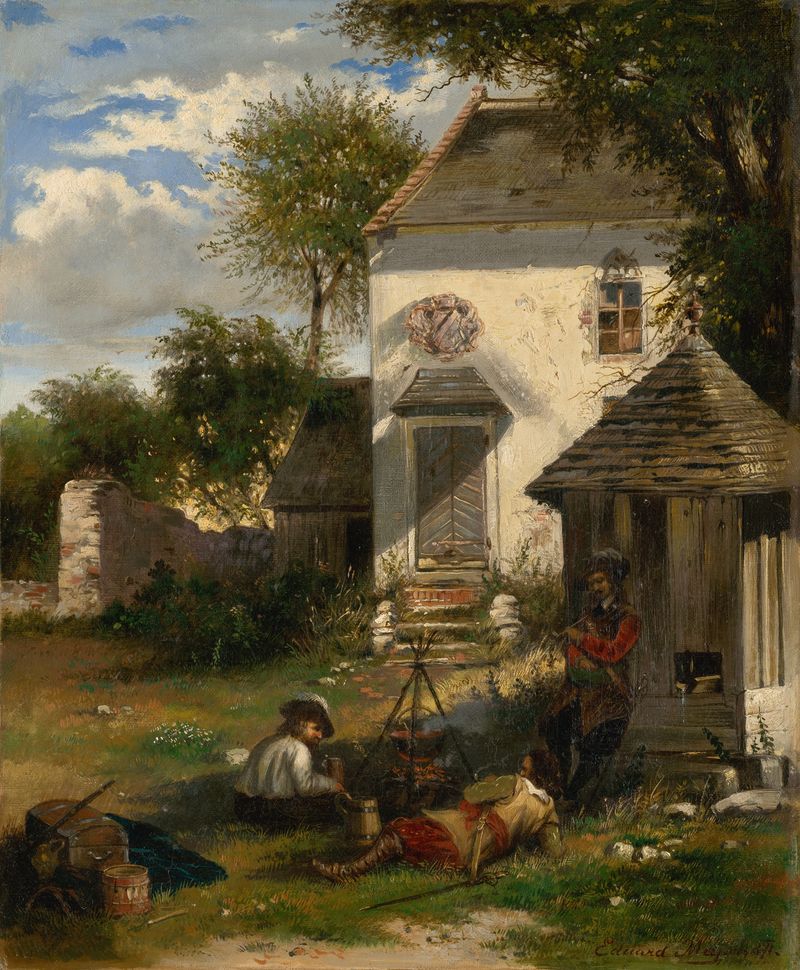
Soldiers Camping in a Nobleman’s Yard, Motif from the Thirty Years’ War
Eduard Majsch
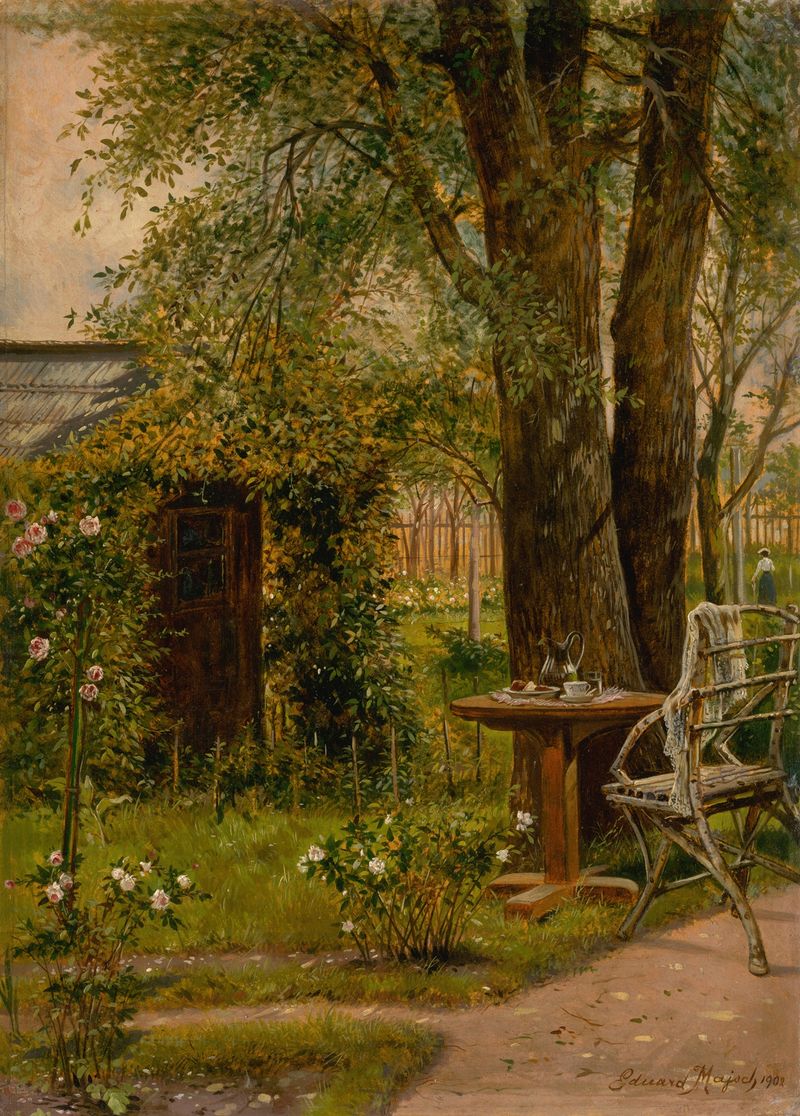
Garden with a Table
Eduard Majsch
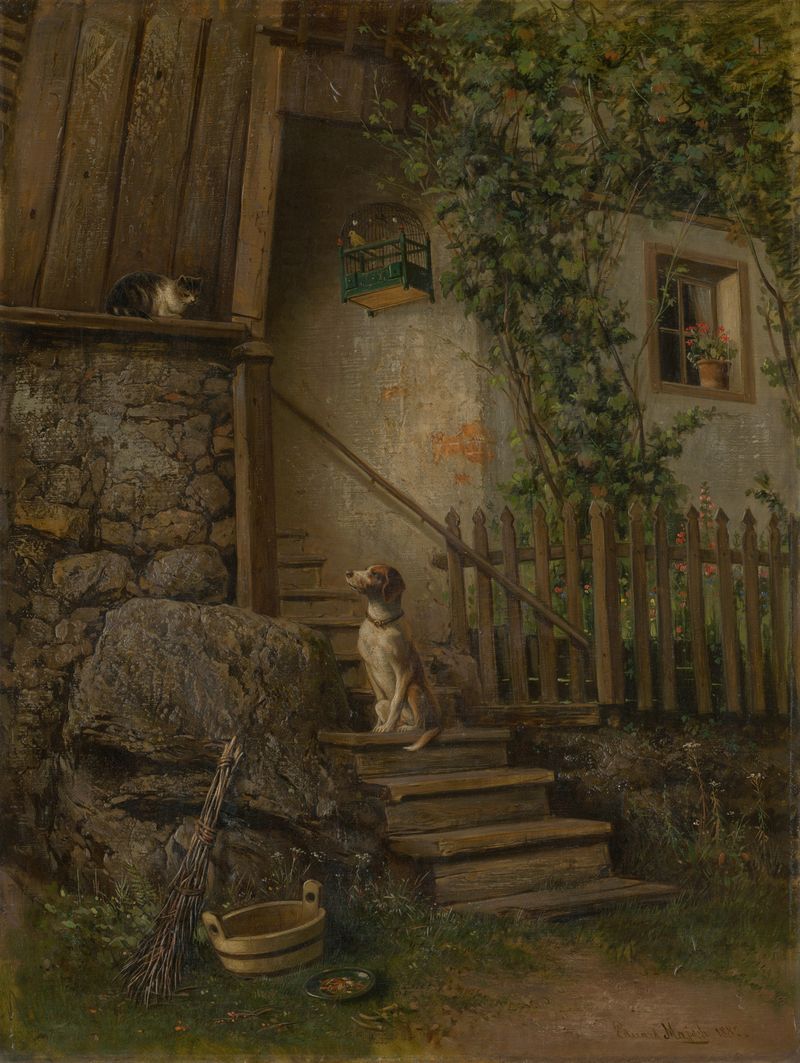
On the Porch (Dog and Cat)
Eduard Majsch
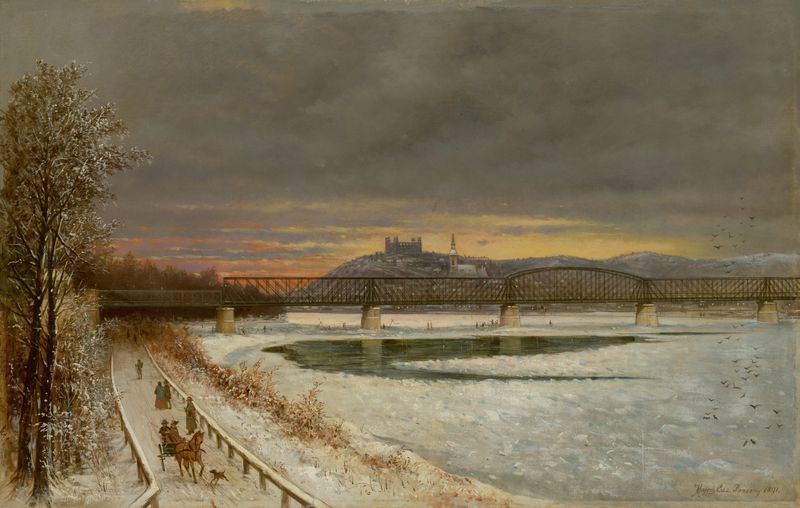
View Of Bratislava
Eduard Majsch
Mill
Eduard Majsch
Vidiecky motív
Eduard Majsch
Night Watch in the Old Town
Eduard Majsch
Sunset and Tree Shade
Eduard Majsch
Rocky Hillside in a Mountain Landscape
Eduard Majsch
Sweeping the Courtyard
Eduard Majsch





