
Mill — History & Facts
Can beauty exist without sorrow? In Mill, Eduard Majsch offers an evocative exploration of the delicate balance between the two, inviting us into a moment where nature and toil intertwine. Look to the left at the gentle curve of the river, its surface shimmering under the soft light. The mill stands proudly, weathered yet resilient, a testament to human endeavor. Notice how the earthy tones of ochre and muted greens blend seamlessly, creating a harmonious setting that contrasts with the labor depicted.
Majsch's brushwork breathes life into the scene, making each rippling water current and textured stone feel tangible, as if you could reach out and touch the essence of rural existence. Yet, beneath this beauty lies a tension—a quiet unease. The mill, while a symbol of industrious spirit, casts a long shadow over the serenity of the landscape. The lone figure, absorbed in work, suggests both dedication and isolation, hinting at the sacrifices woven into the fabric of daily life.
This interplay invites contemplation on the price of progress and the inherent struggles that accompany the pursuit of beauty. In 1890, while creating this piece, the artist was immersed in an era marked by industrial change, where traditional ways of life were being transformed. Living in the heart of Europe, Majsch was influenced by contemporary thoughts on nature’s beauty in contrast to the encroaching mechanization. This painting reflects not only his artistic sensibilities but also a profound awareness of the world around him, capturing a fleeting moment that speaks volumes about human experience.
More Artworks by Eduard Majsch
Browse all →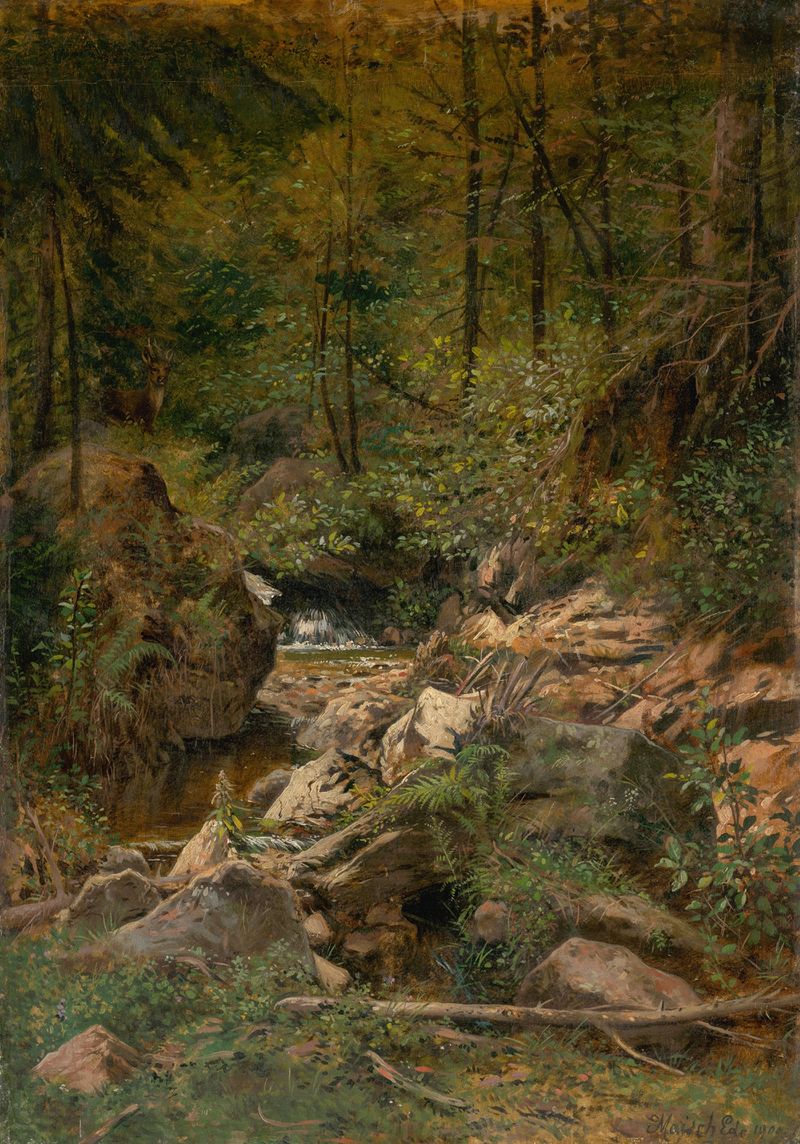
Forest Stream
Eduard Majsch
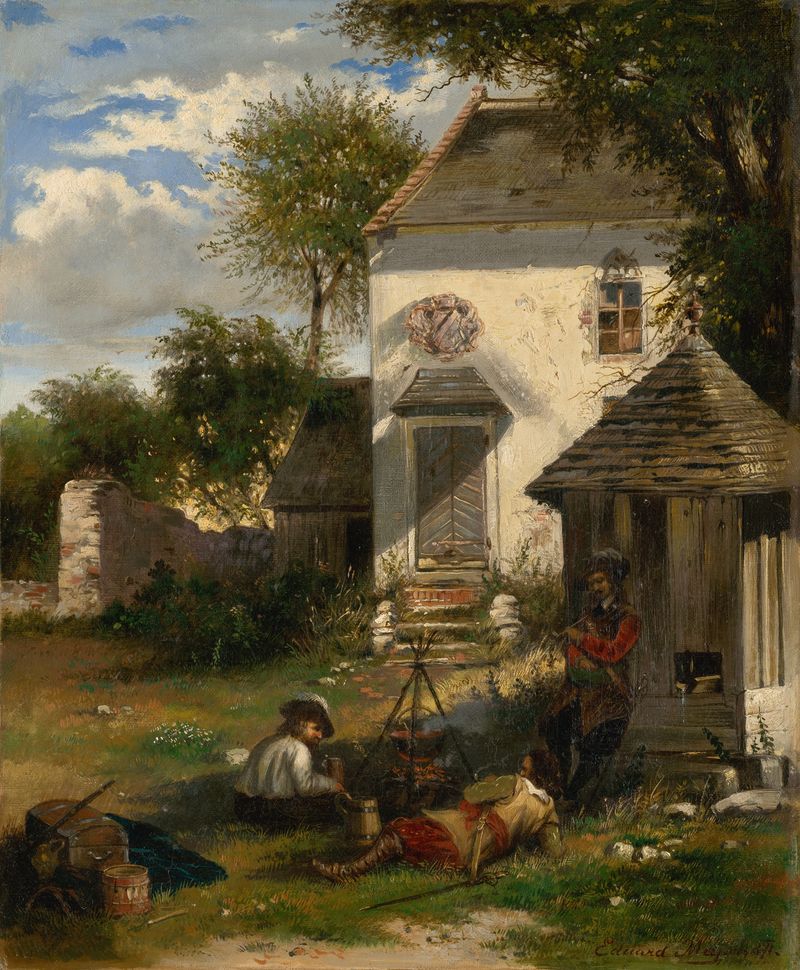
Soldiers Camping in a Nobleman’s Yard, Motif from the Thirty Years’ War
Eduard Majsch
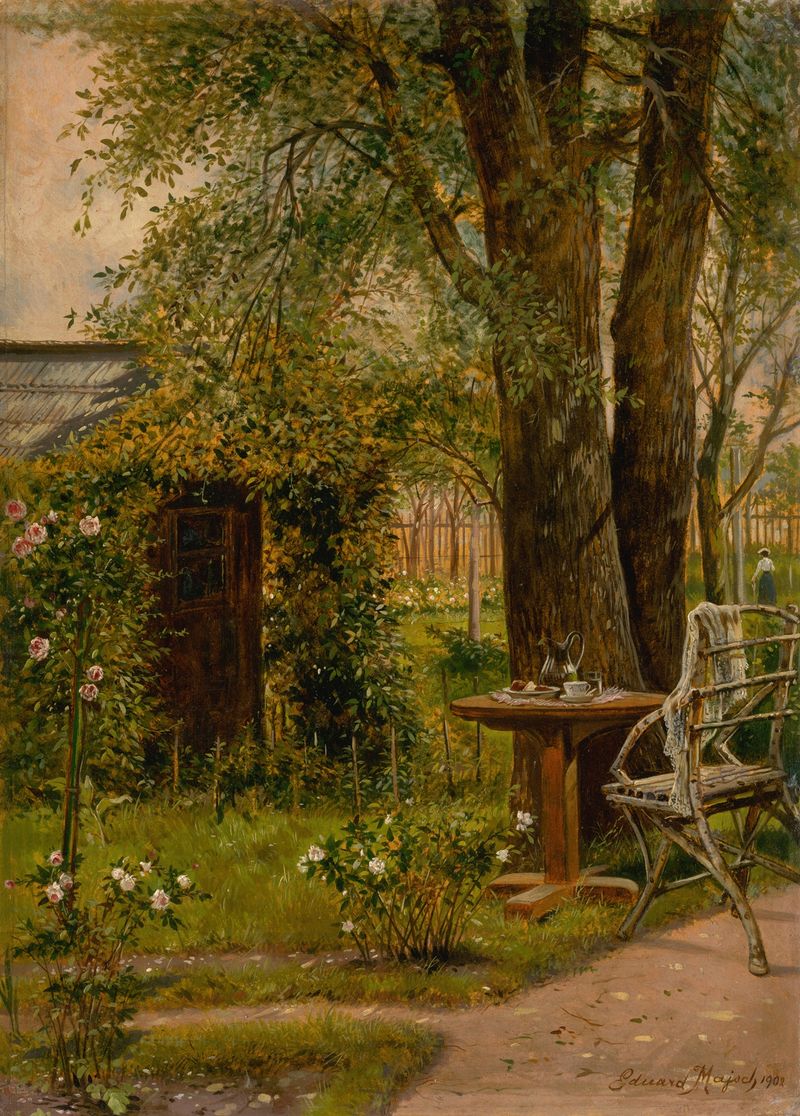
Garden with a Table
Eduard Majsch
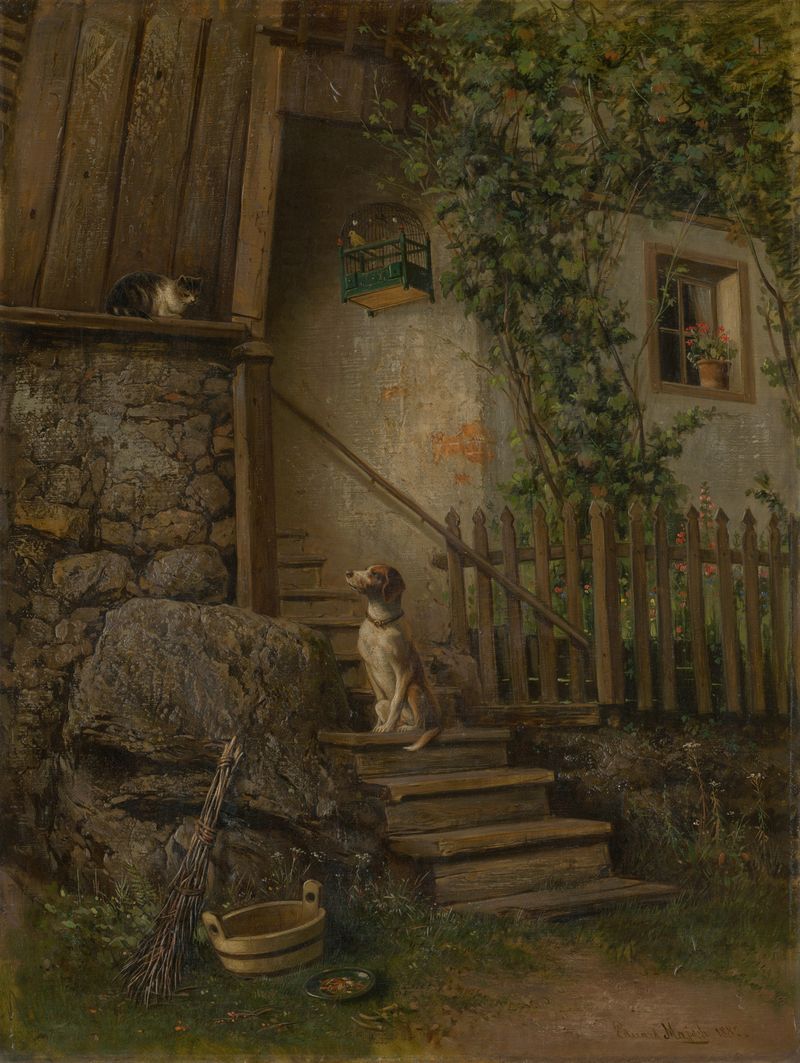
On the Porch (Dog and Cat)
Eduard Majsch
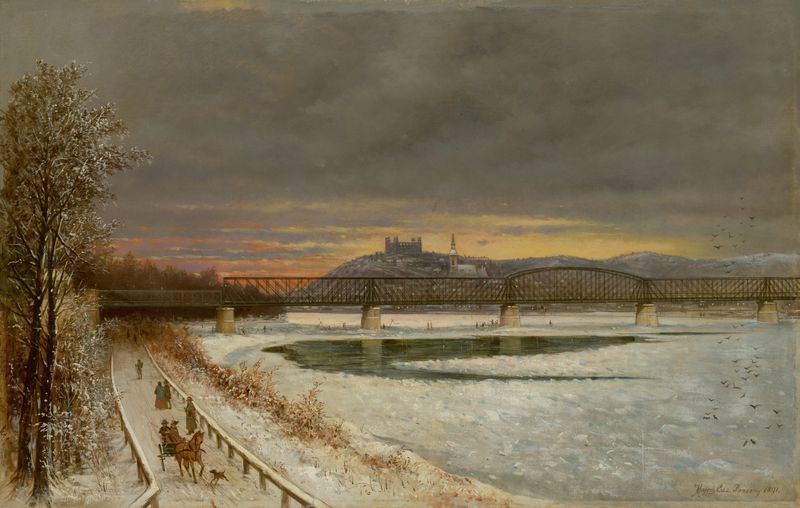
View Of Bratislava
Eduard Majsch
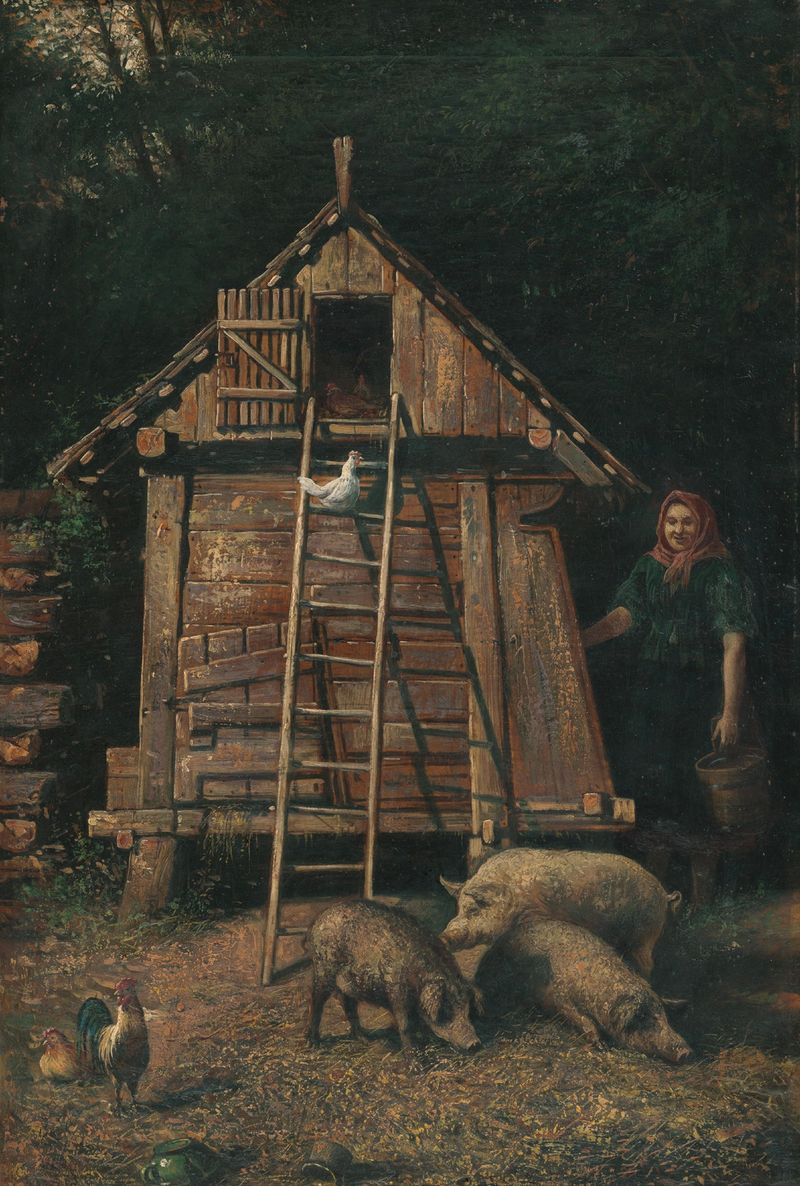
Vidiecky motív
Eduard Majsch
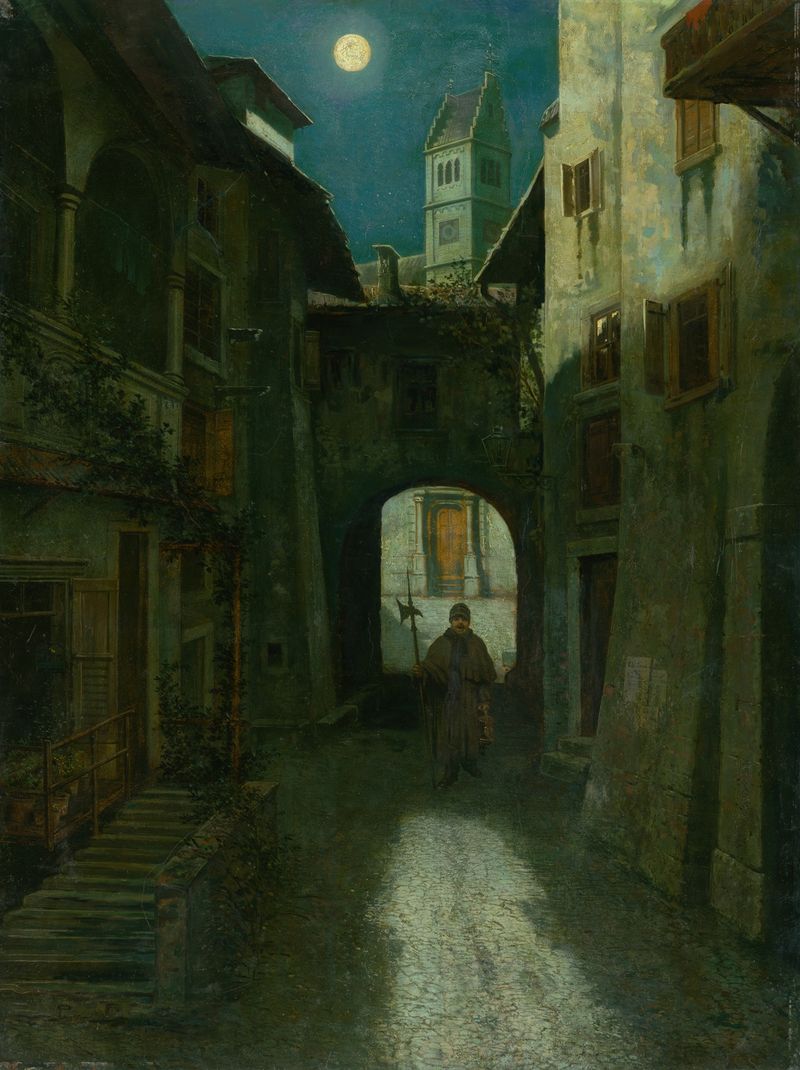
Night Watch in the Old Town
Eduard Majsch
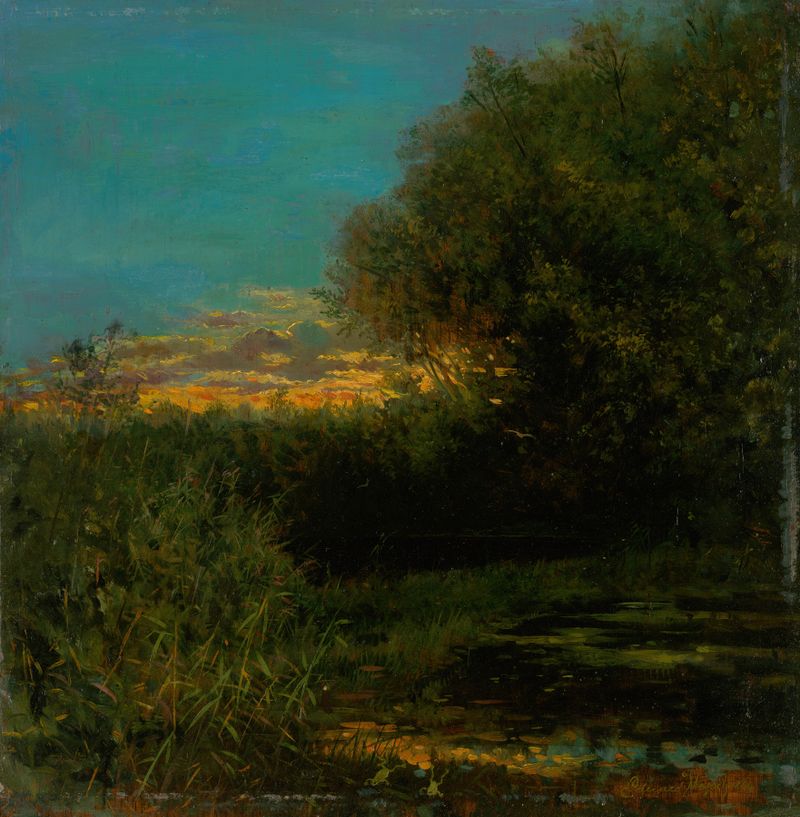
Sunset and Tree Shade
Eduard Majsch
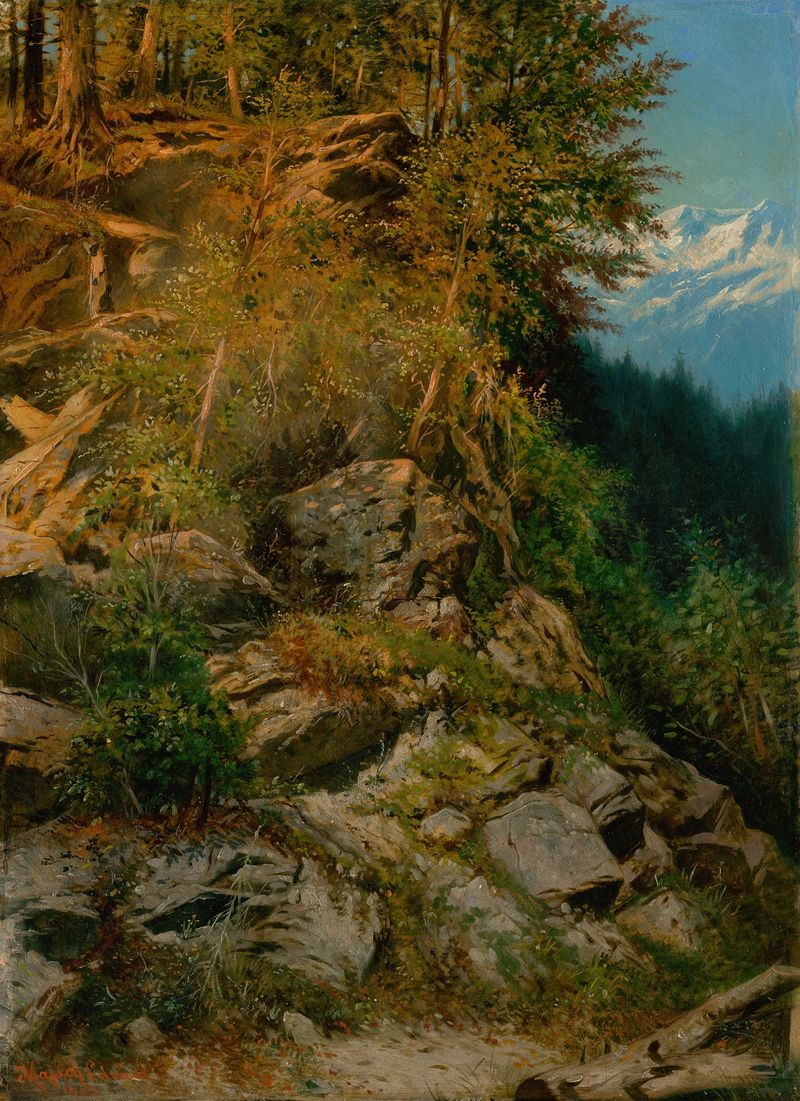
Rocky Hillside in a Mountain Landscape
Eduard Majsch
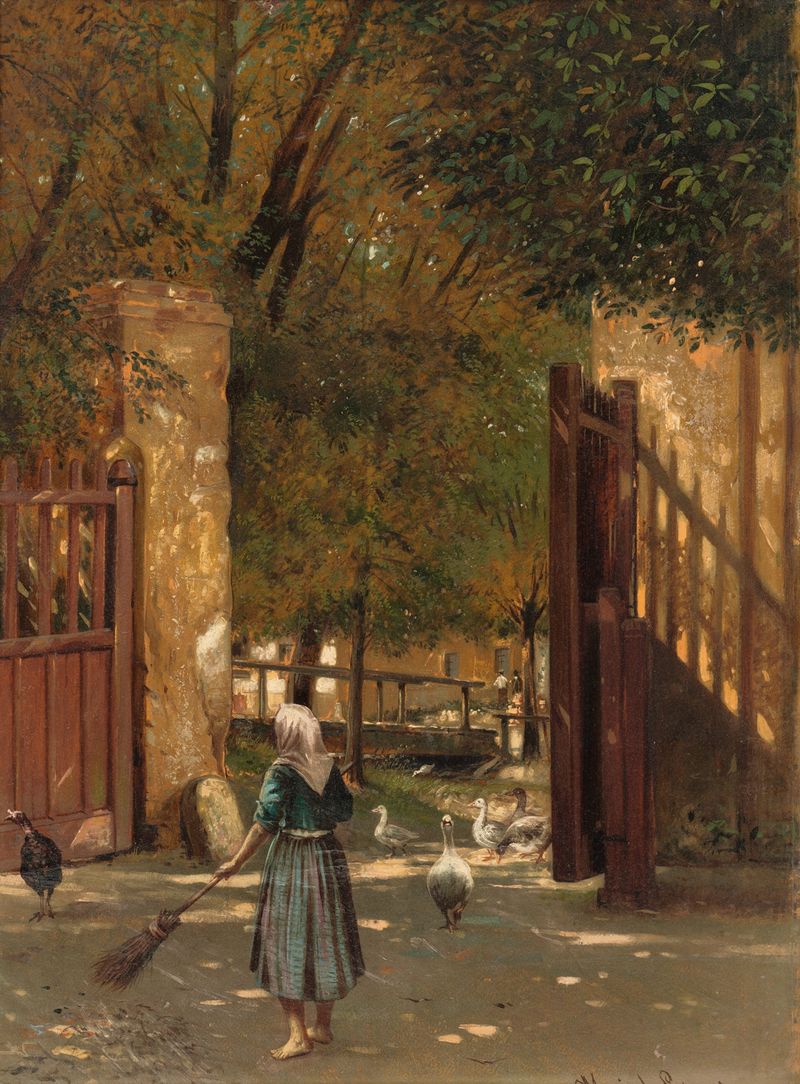
Sweeping the Courtyard
Eduard Majsch





