
Forest Track — History & Facts
When did color learn to lie? The innocence captured in this work invites us to question the very essence of perception and emotion. Look to the left at the delicate interplay of greens and browns that form a winding path through the forest. Notice how the dappled sunlight spills through the treetops, illuminating the underbrush and creating a tapestry of light and shadow. The brushstrokes are both loose and controlled, with each stroke conveying movement, as if the scene breathes with the whispers of the trees.
The colors evoke a sense of tranquility, yet there’s an underlying tension in their unexpected combinations, suggesting a narrative waiting to unfold. As you delve deeper, observe how the contrasting shades of dark and light reflect the duality of nature — the calm serenity of a sunlit moment juxtaposed against the encroaching shadows of the forest. There’s a palpable sense of innocence in the lush greens, yet the dark undertones hint at untold stories hidden within the foliage. This interplay between light and darkness echoes the complexities of human emotion, reminding us of the fragility that often lies beneath a serene surface. In 1917, during a tumultuous period marked by World War I, Giovanni Giacometti painted this piece in Switzerland, a sanctuary amidst the chaos.
The artist was navigating his own artistic journey, influenced by the Swiss landscape and the post-Impressionist movement. This work reflects his introspection and connection to nature, a poignant escape from the surrounding turmoil of the time, channeling both personal and collective experiences into a serene yet layered visual narrative.
More Artworks by Giovanni Giacometti
Browse all →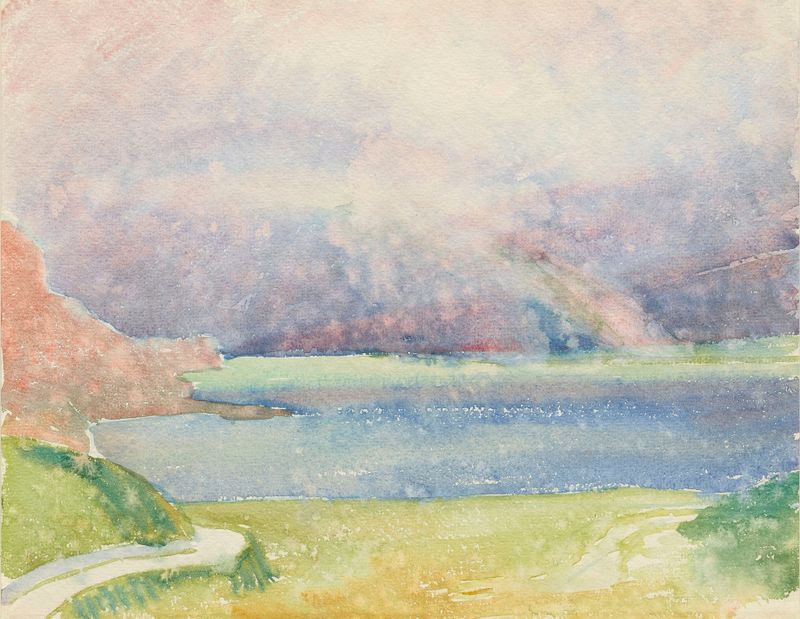
Blick von Maloja auf den Silsersee mit Regenbogen
Giovanni Giacometti
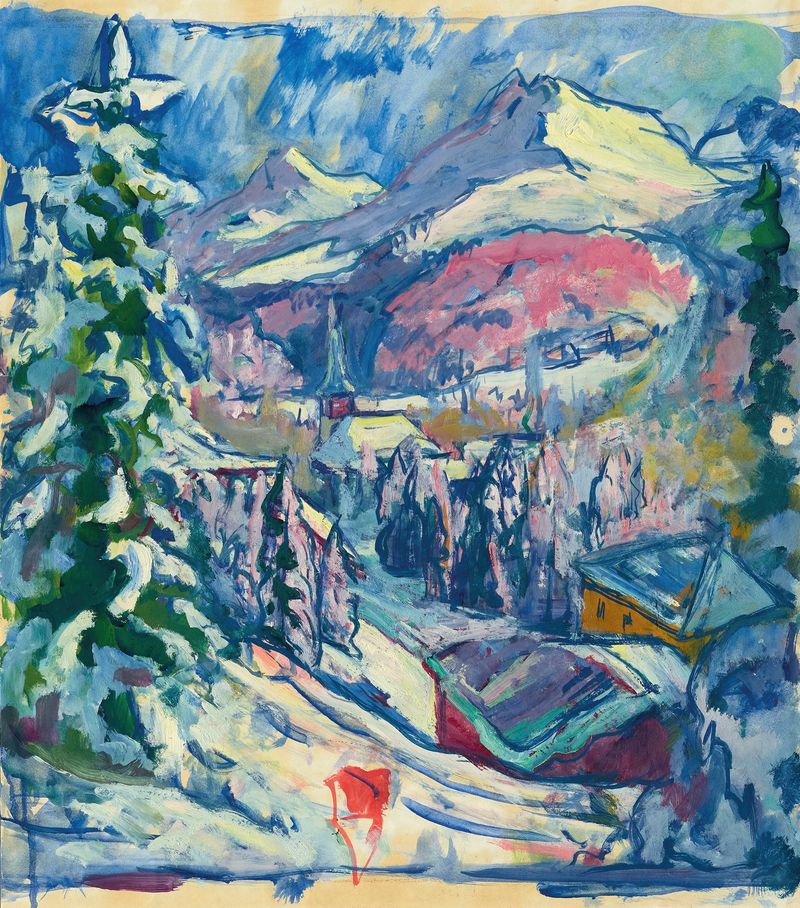
Davos im Winter
Giovanni Giacometti
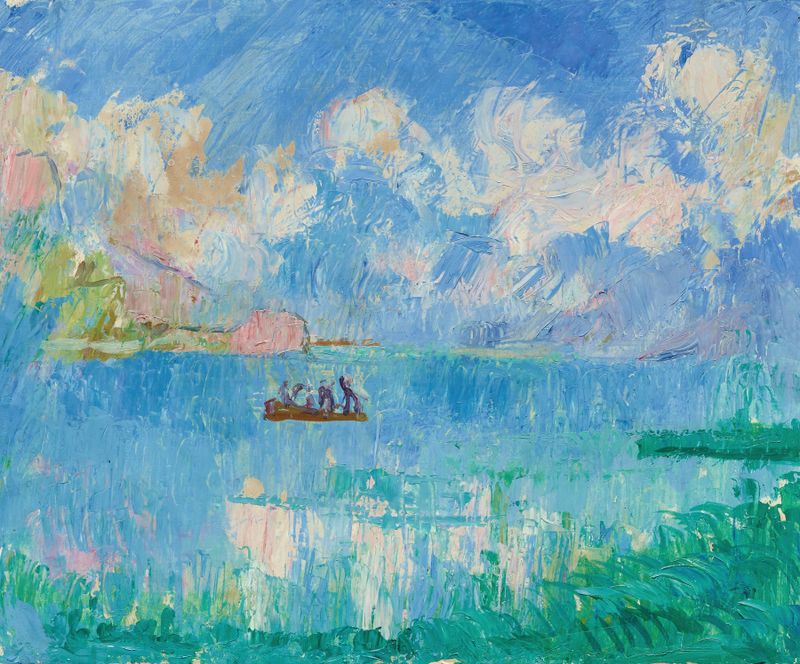
i Pescatori
Giovanni Giacometti
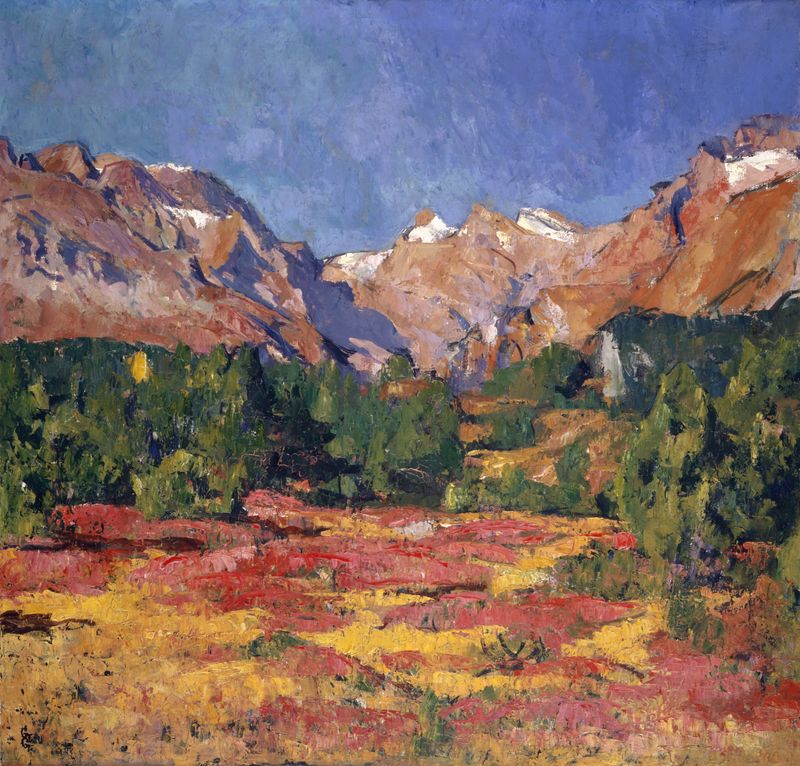
Autumn Landscape (Maroz Valley With Piz Duan And Gletscherhorn)
Giovanni Giacometti
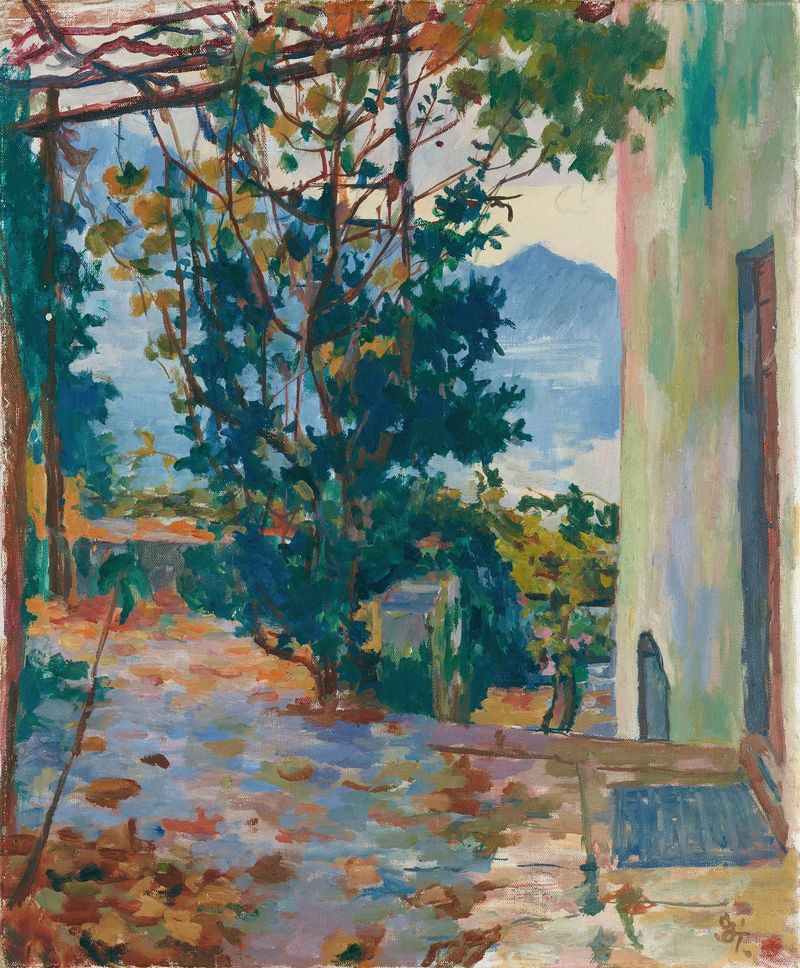
Minusio
Giovanni Giacometti
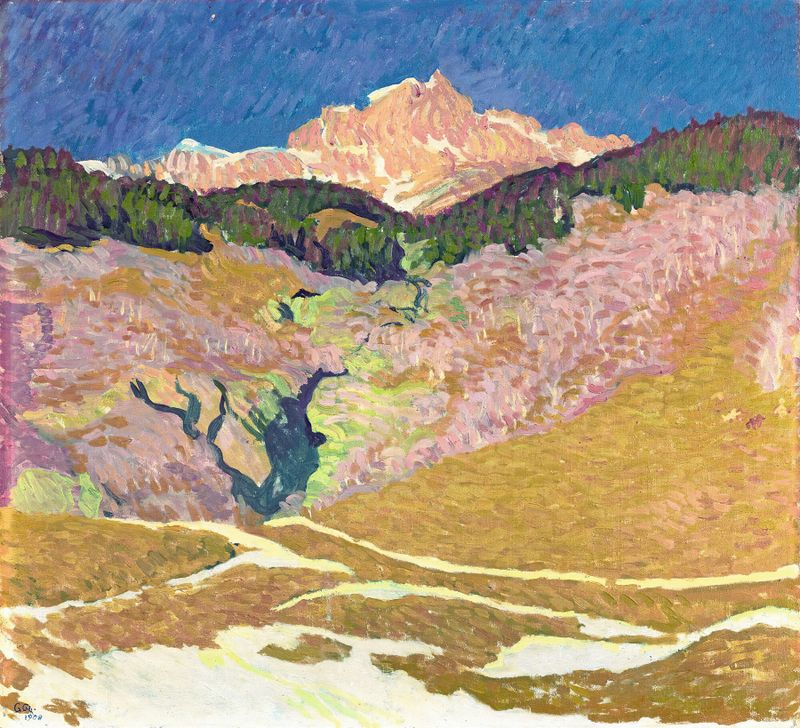
Piz Duan
Giovanni Giacometti
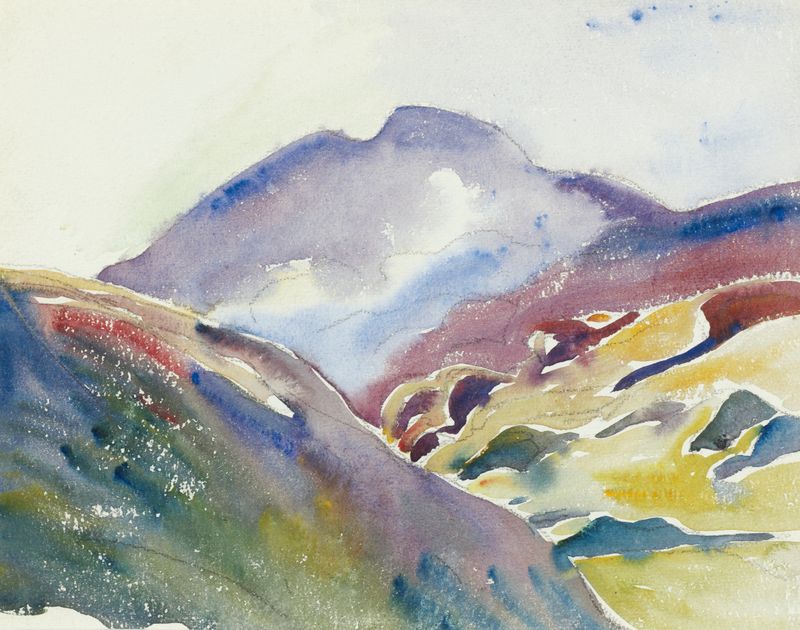
Alpine Landscape
Giovanni Giacometti
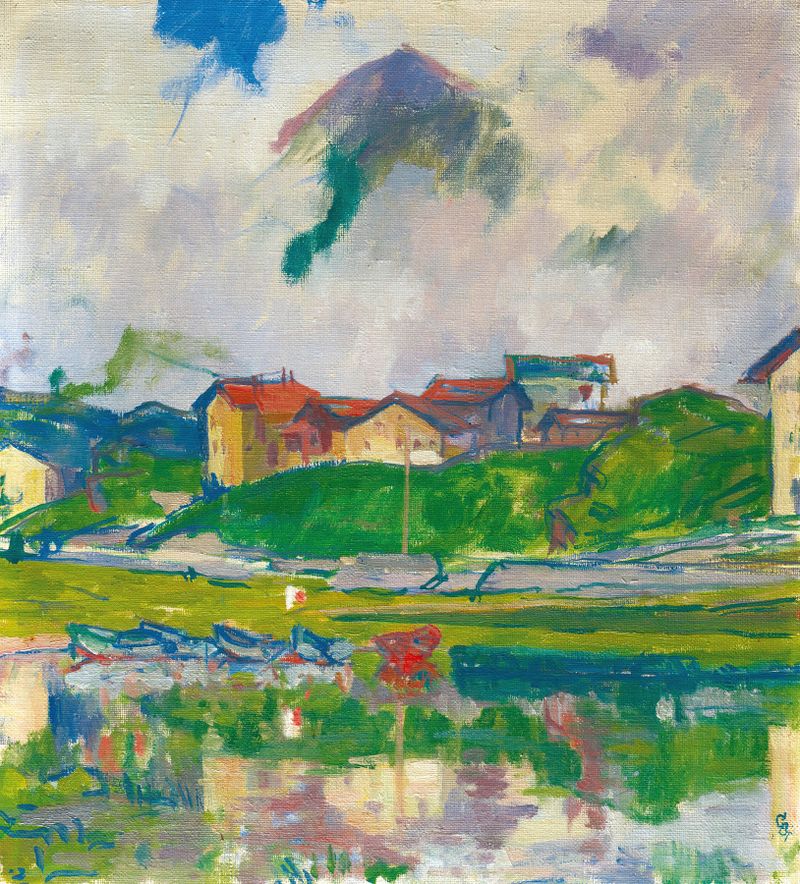
Maloja
Giovanni Giacometti
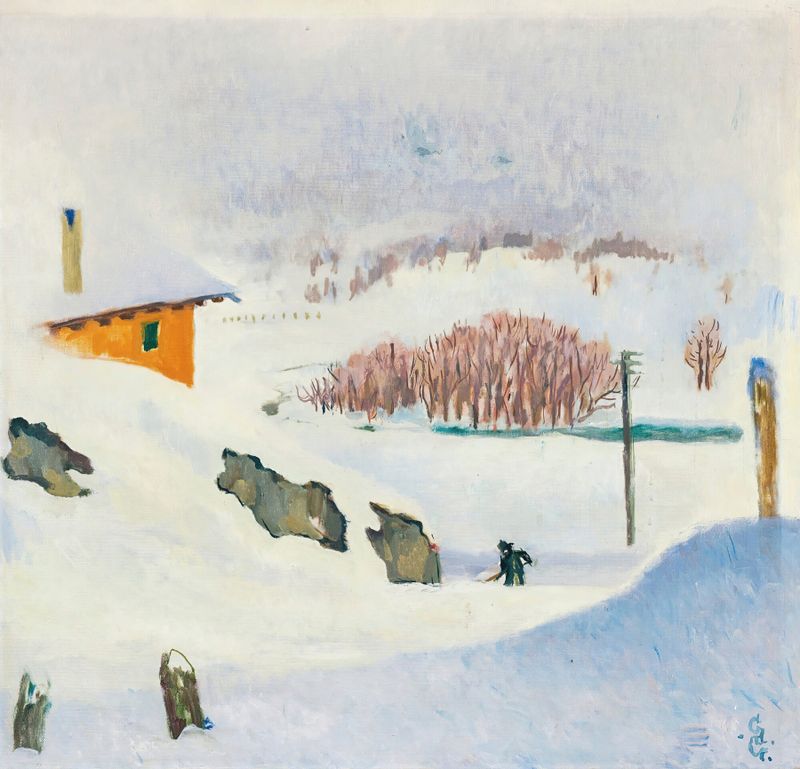
Inverno
Giovanni Giacometti
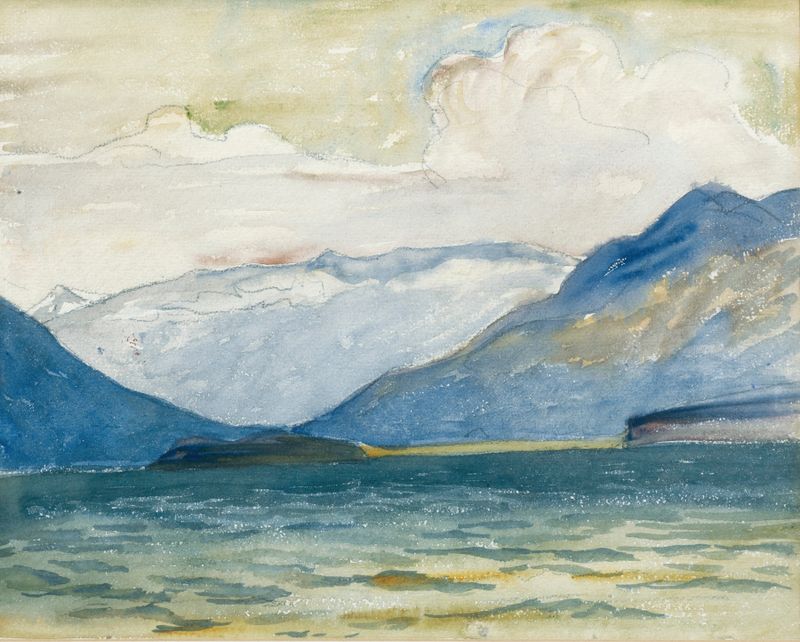
View From Plaun Da Lej Towards Chasté Peninsula
Giovanni Giacometti





