
Inverno — History & Facts
When did color learn to lie? In Inverno, the vibrant hues of winter deceive the senses, stirring an ecstasy that dances between the real and the imagined. Focus on the bold strokes of cobalt and cerulean that dominate the canvas, drawing the eye across a landscape both familiar and alien. The sky, a tapestry of swirling blues, pulsates with an emotional energy that is palpable. Notice how the deeper shades cradle the lighter ones, creating a dynamic interplay that breathes life into the stillness of winter—each brushstroke whispering secrets of transformation. As you delve deeper, observe the juxtaposition of warmth and chill within the scenery.
The splashes of orange and gold peeking through the white snow suggest a hidden warmth beneath the icy surface, a reminder that life persists even in the coldest months. This tension between the serene and the vibrant encapsulates not just a seasonal shift, but an internal struggle—a duality emblematic of Giacometti's exploration of emotion within nature. In 1932, Giacometti was navigating the complexities of modernism while living in Switzerland, a country marked by its stark winter landscapes. During this period, he sought to delve beyond mere representation, striving to capture the essence of feelings through color and form.
His work reflects both a personal and artistic evolution, as he engaged with the broader avant-garde movements while remaining deeply attentive to the world around him.
More Artworks by Giovanni Giacometti
Browse all →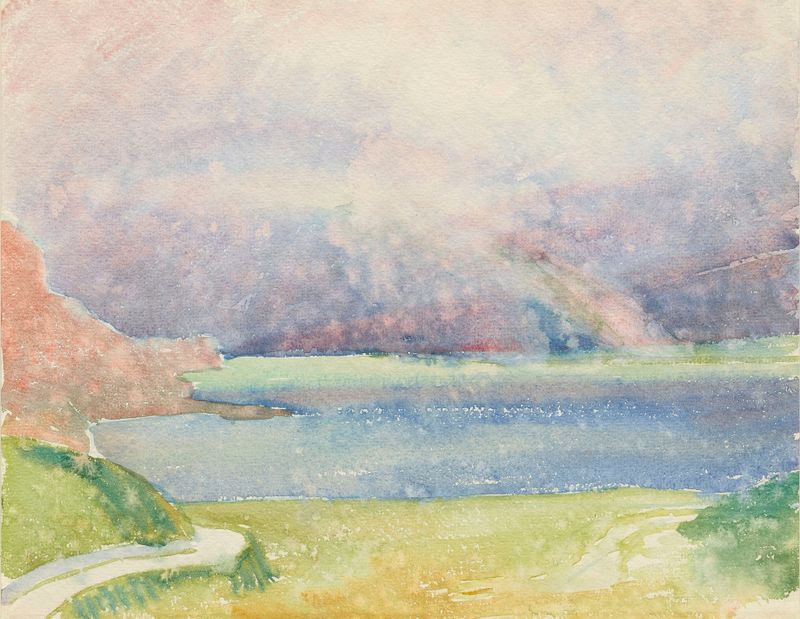
Blick von Maloja auf den Silsersee mit Regenbogen
Giovanni Giacometti
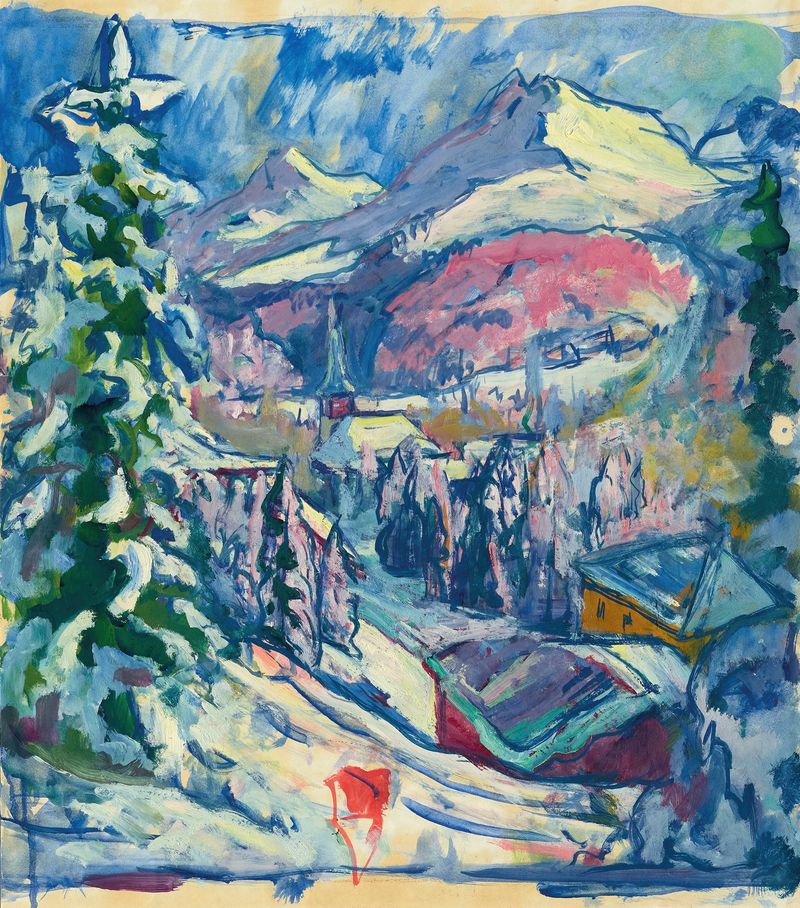
Davos im Winter
Giovanni Giacometti
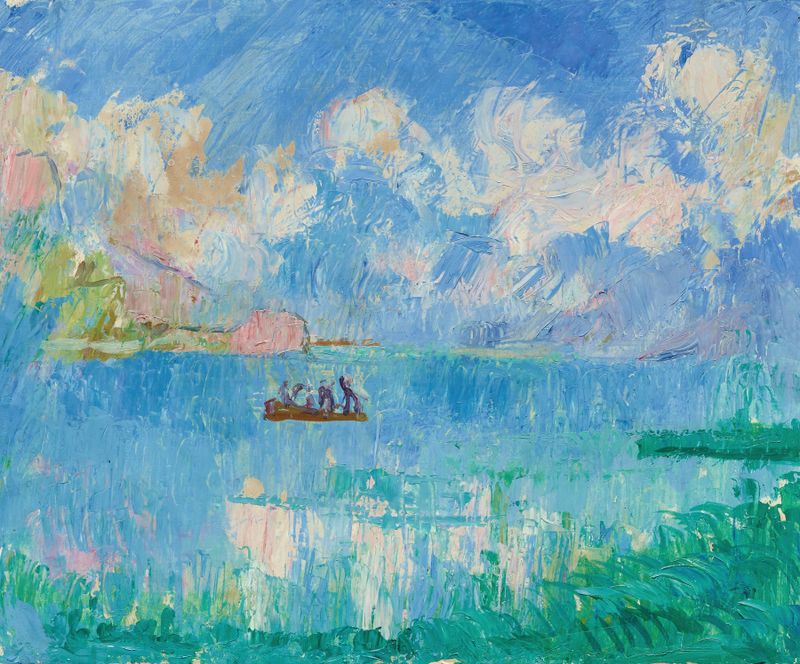
i Pescatori
Giovanni Giacometti
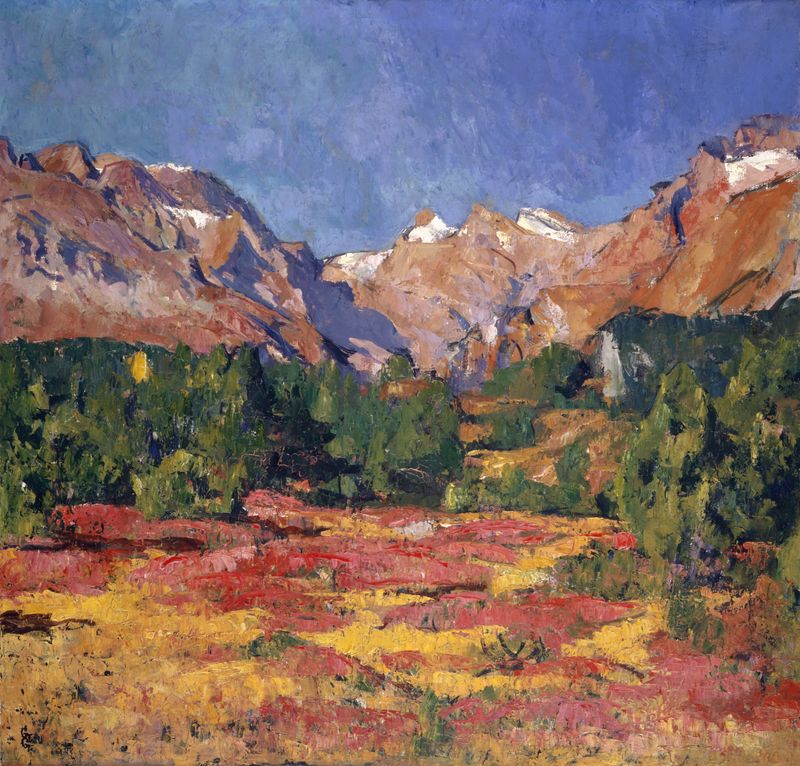
Autumn Landscape (Maroz Valley With Piz Duan And Gletscherhorn)
Giovanni Giacometti
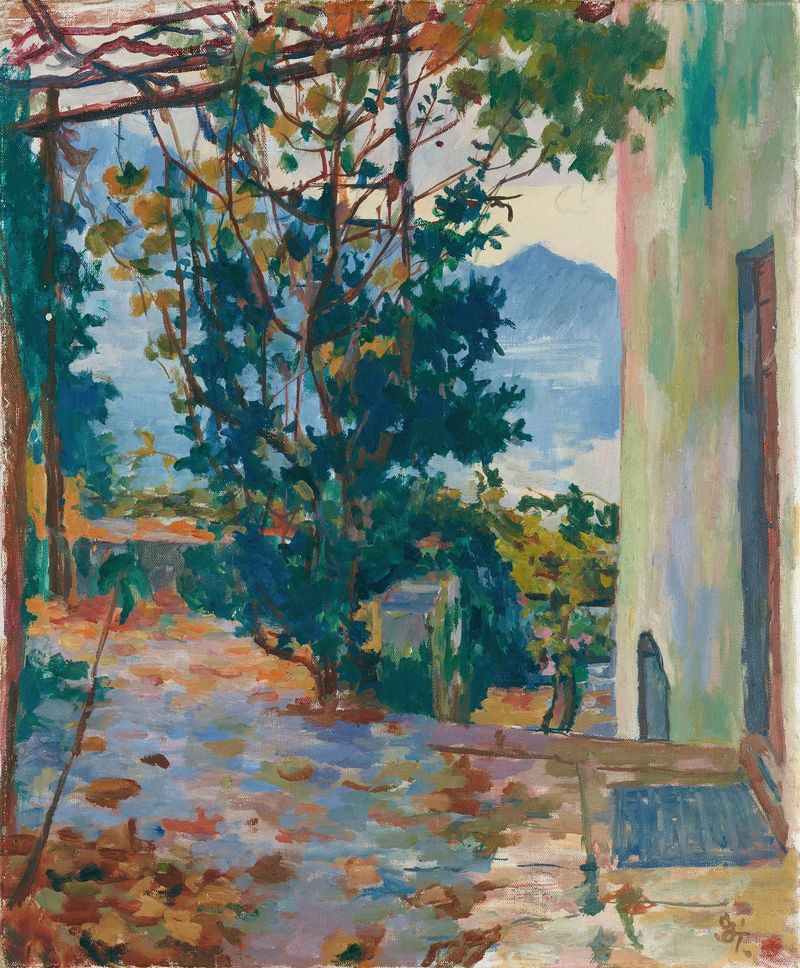
Minusio
Giovanni Giacometti
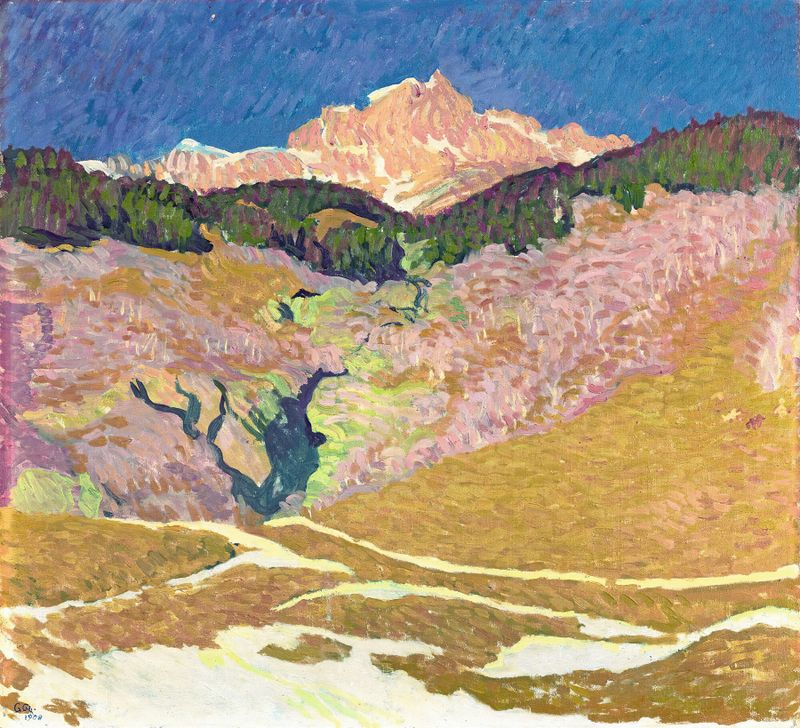
Piz Duan
Giovanni Giacometti
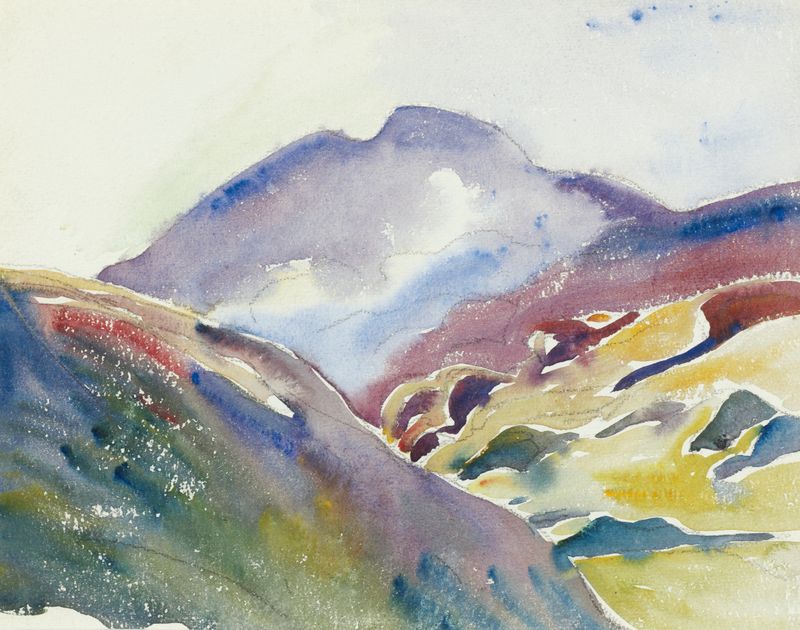
Alpine Landscape
Giovanni Giacometti
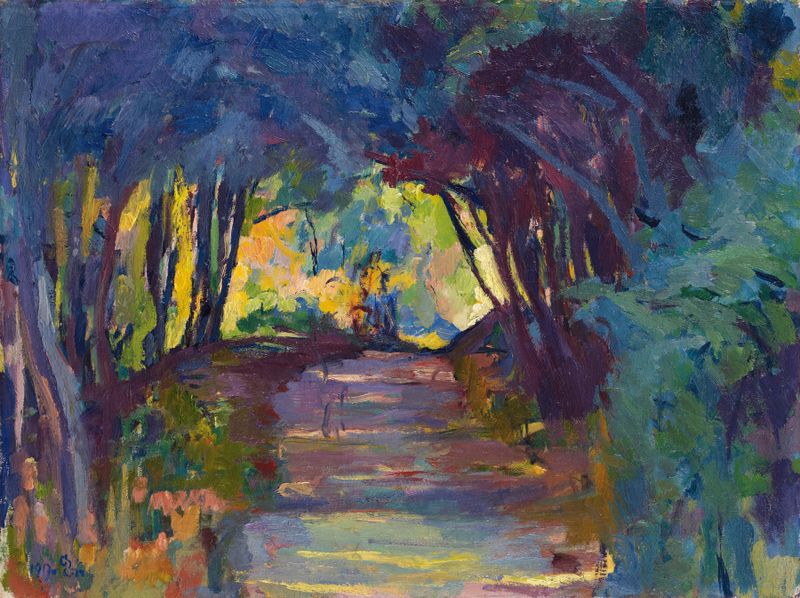
Forest Track
Giovanni Giacometti
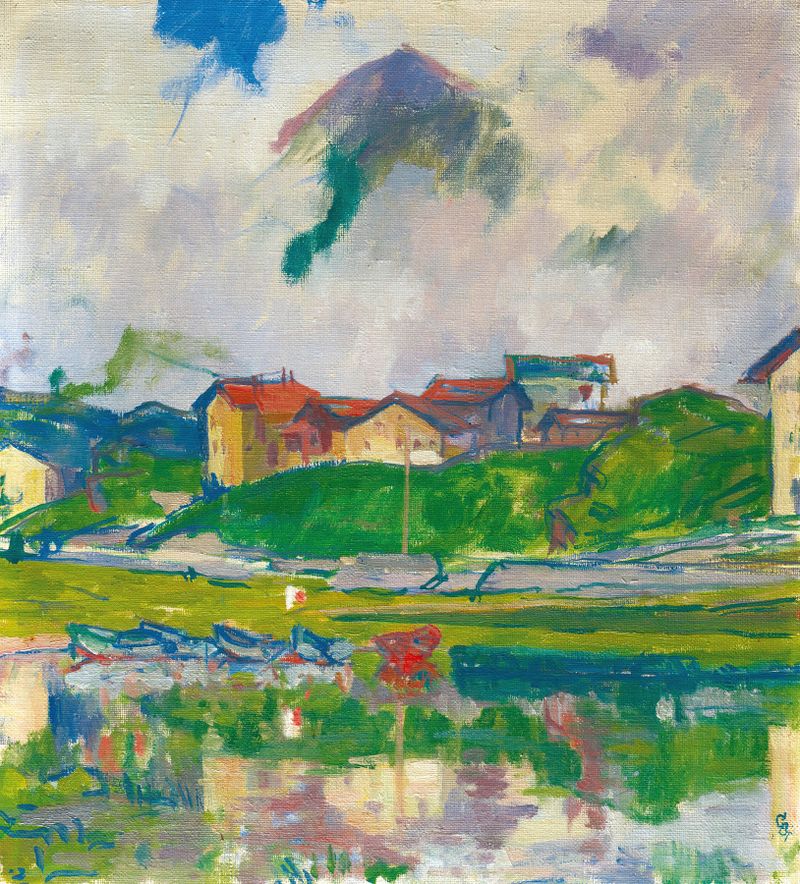
Maloja
Giovanni Giacometti
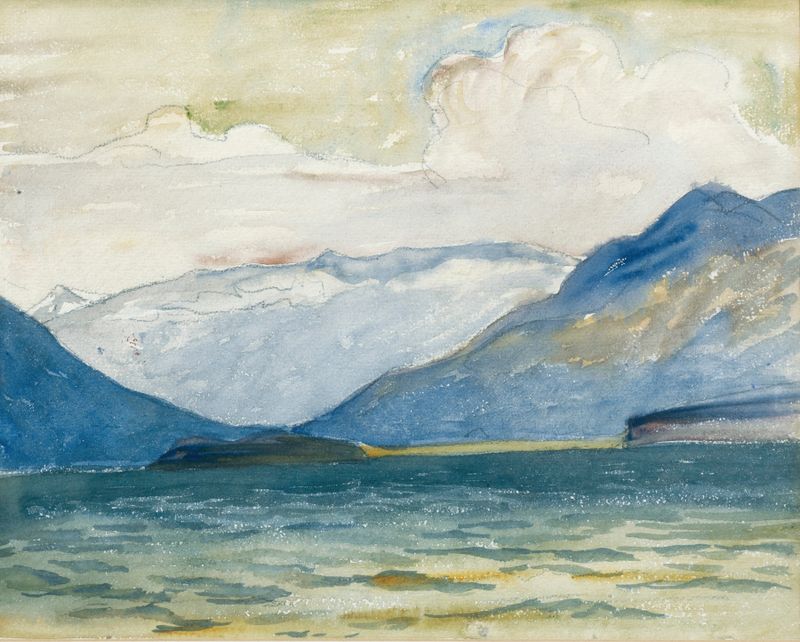
View From Plaun Da Lej Towards Chasté Peninsula
Giovanni Giacometti





