
Maloja — History & Facts
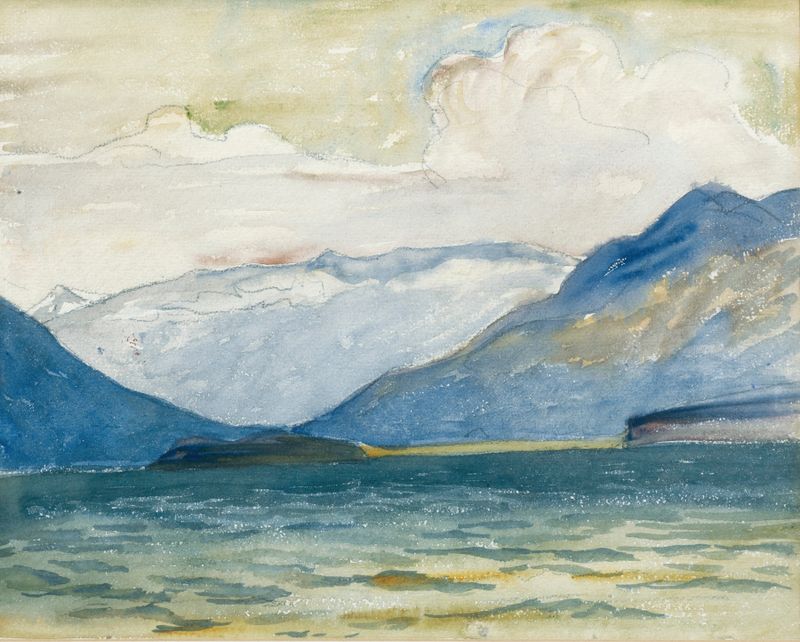
This reflection whispers of truth, pulling us into a world where light dances on the edge of sorrow and joy. Focus on the bold interplay of colors; the deep blues and soft yellows draw your eye to the undulating forms of the landscape. Notice how the soft strokes create a sense of movement, as if the clouds themselves are in flight over the tranquil valley. The towering peaks loom in the background, casting shadows that evoke a sense of both majesty and isolation.
Every brushstroke feels deliberate, a melding of nature’s raw beauty with the artist's emotional resonance. As you explore the scene, consider how the vibrant hues contrast with the muted tones, symbolizing the balance of hope and despair. The shimmering light on the water reflects not only the tangible beauty of the landscape but also the artist's inner struggles, hinting at the duality of experience. Each element—the rugged mountains, the calm lake—serves as a metaphor for the emotional landscape of life itself, where joy often coexists with melancholy. In 1925, Giacometti painted this work while navigating the complexities of his artistic identity amidst a shifting art landscape in Switzerland.
He was influenced by post-impressionist ideals, yet he sought to push boundaries, exploring abstraction and expressionism. This period was marked by personal challenges and artistic experimentation, laying the groundwork for his later, more renowned works.
More Artworks by Giovanni Giacometti
Browse all →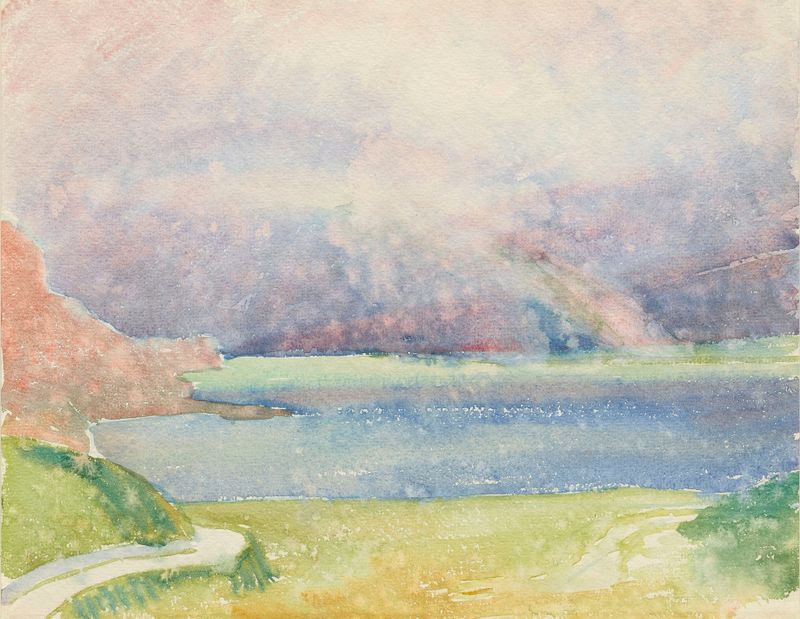
Blick von Maloja auf den Silsersee mit Regenbogen
Giovanni Giacometti
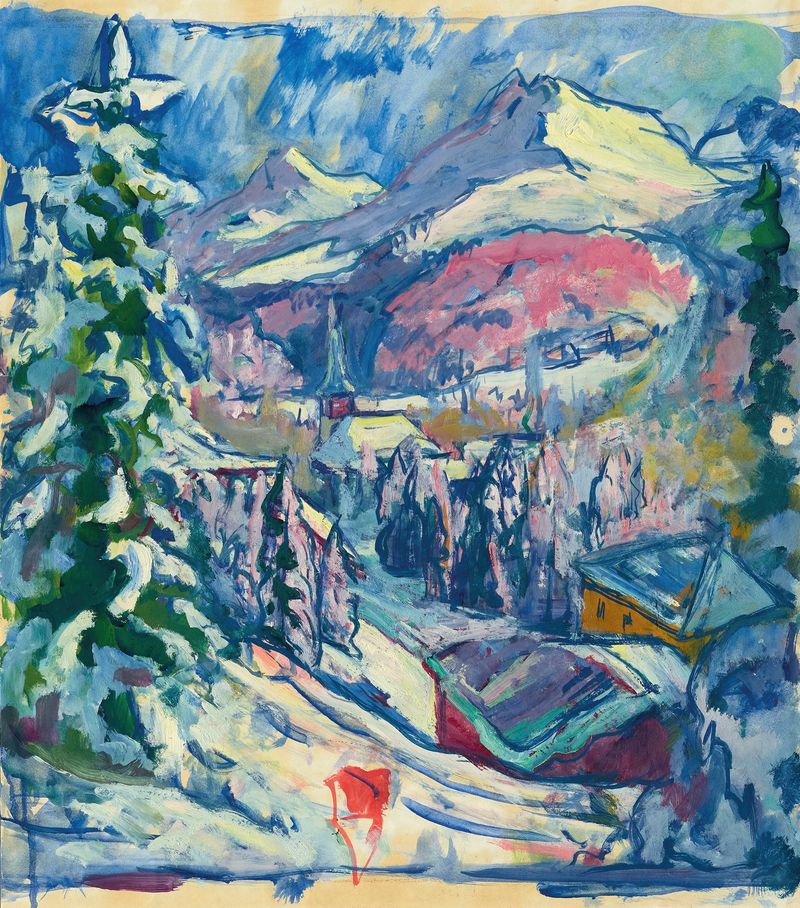
Davos im Winter
Giovanni Giacometti
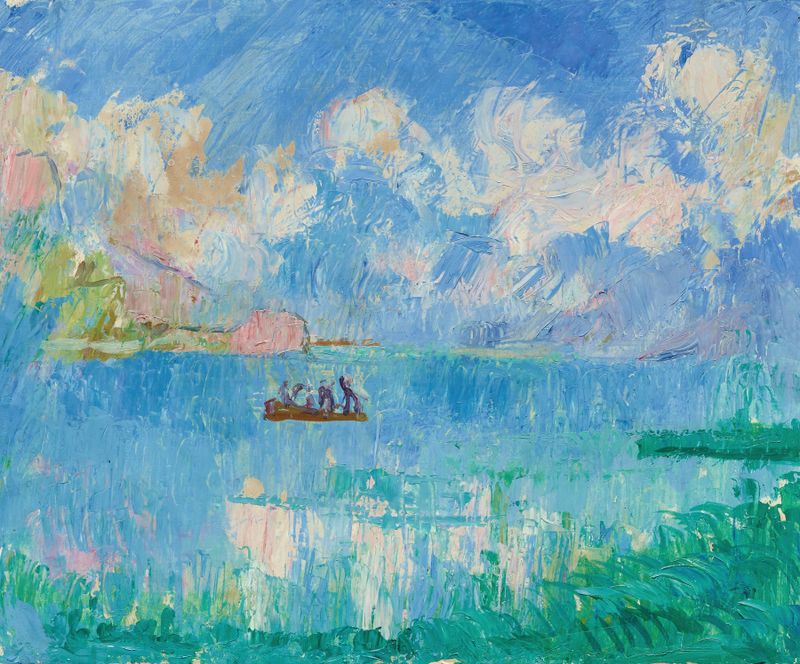
i Pescatori
Giovanni Giacometti
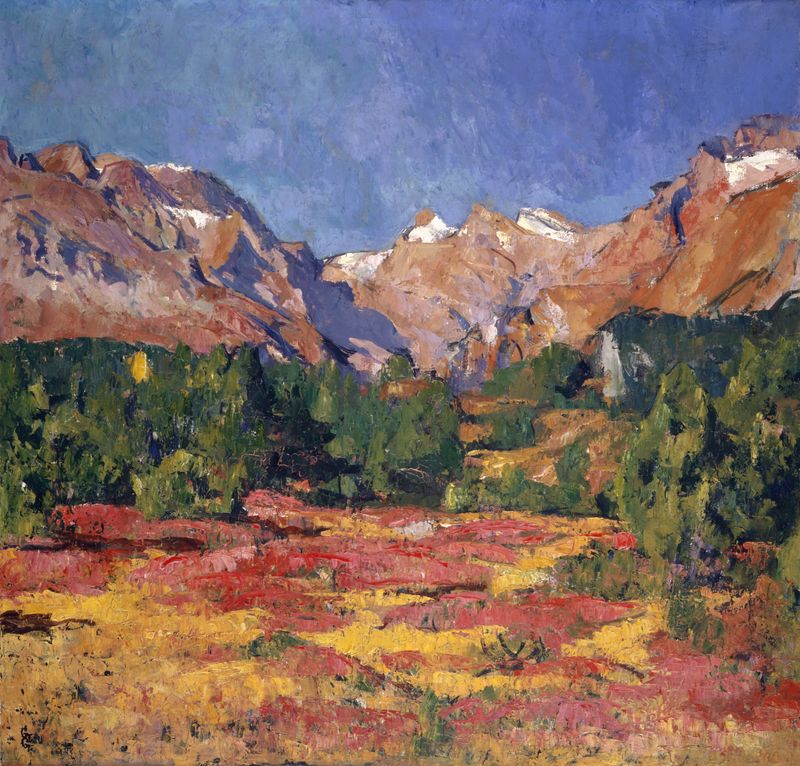
Autumn Landscape (Maroz Valley With Piz Duan And Gletscherhorn)
Giovanni Giacometti
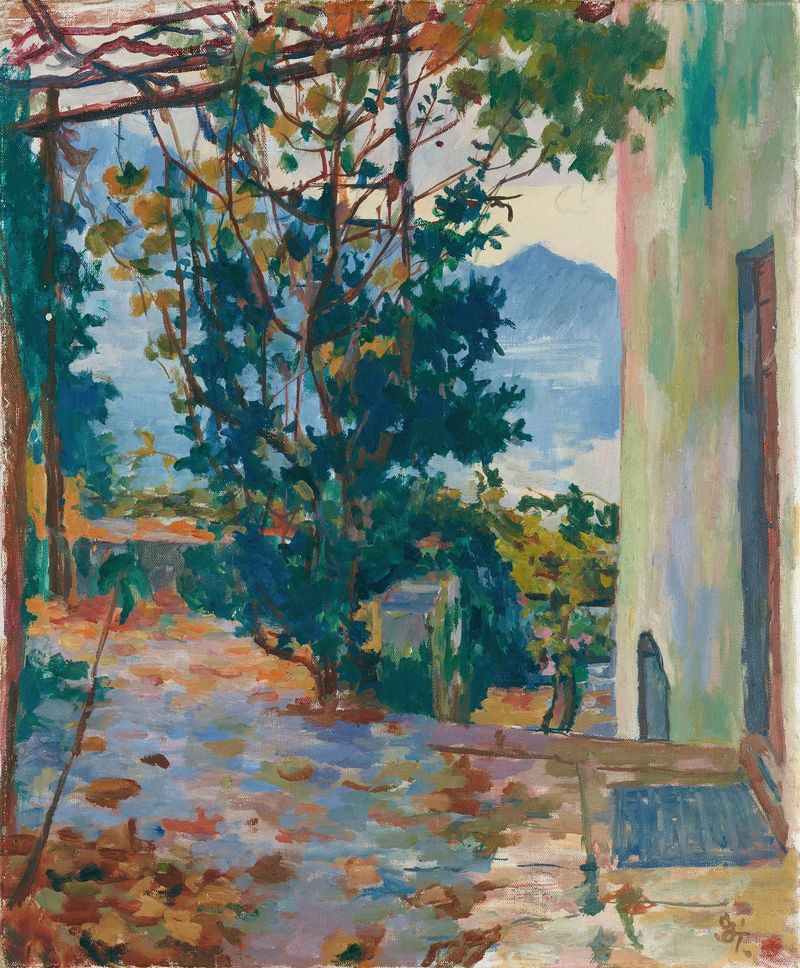
Minusio
Giovanni Giacometti
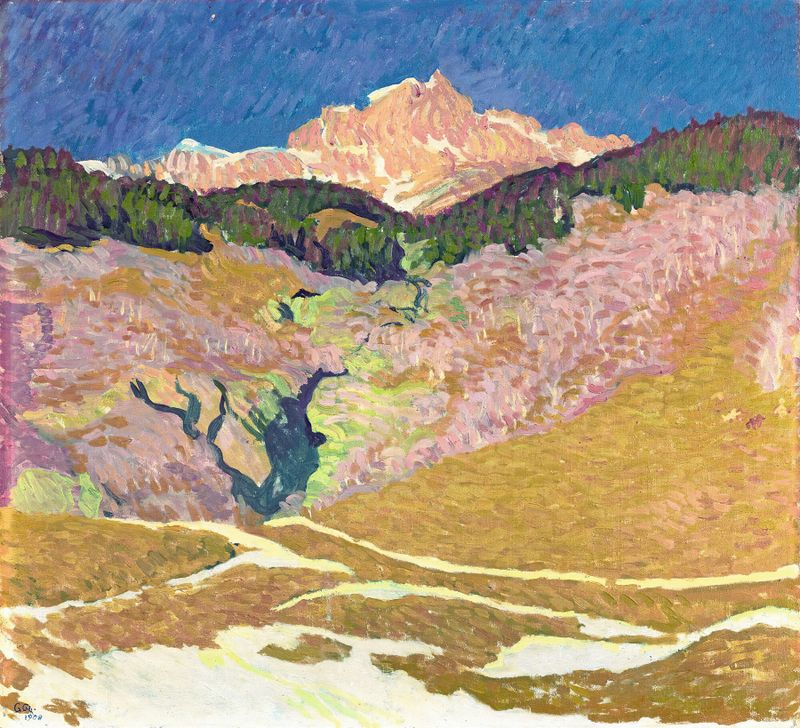
Piz Duan
Giovanni Giacometti
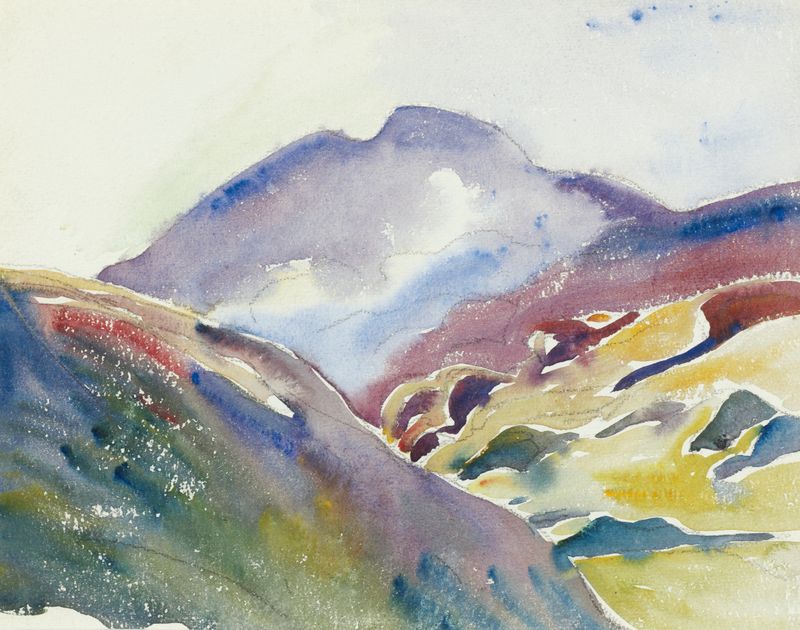
Alpine Landscape
Giovanni Giacometti
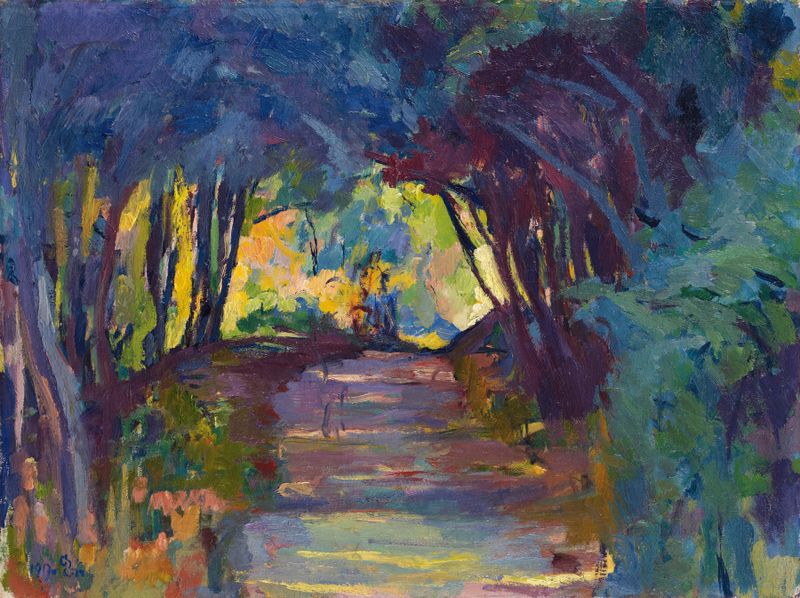
Forest Track
Giovanni Giacometti
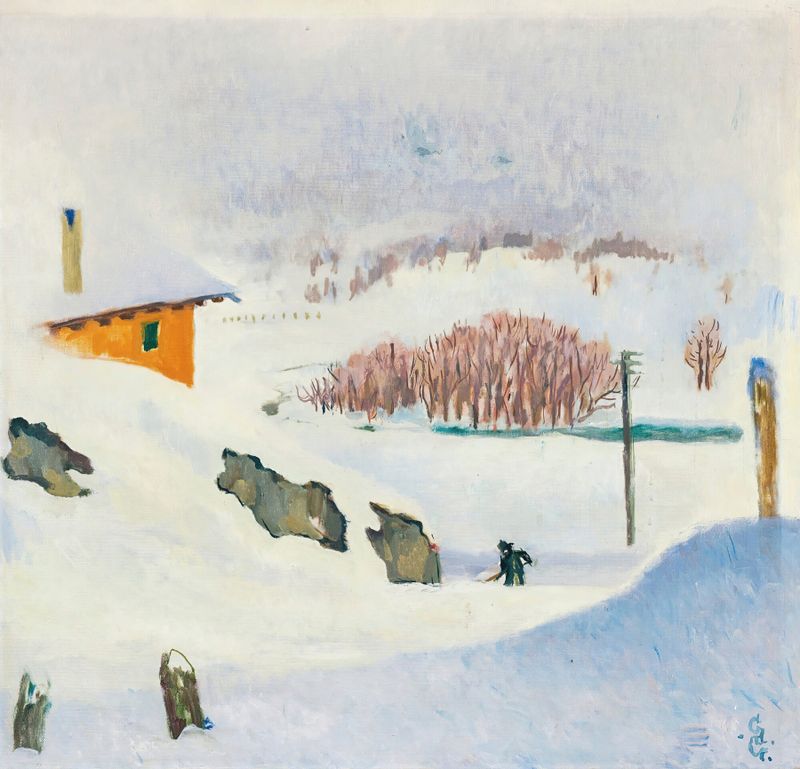
Inverno
Giovanni Giacometti
View From Plaun Da Lej Towards Chasté Peninsula
Giovanni Giacometti





