
Fra Tjensvold, Mandal — History & Facts
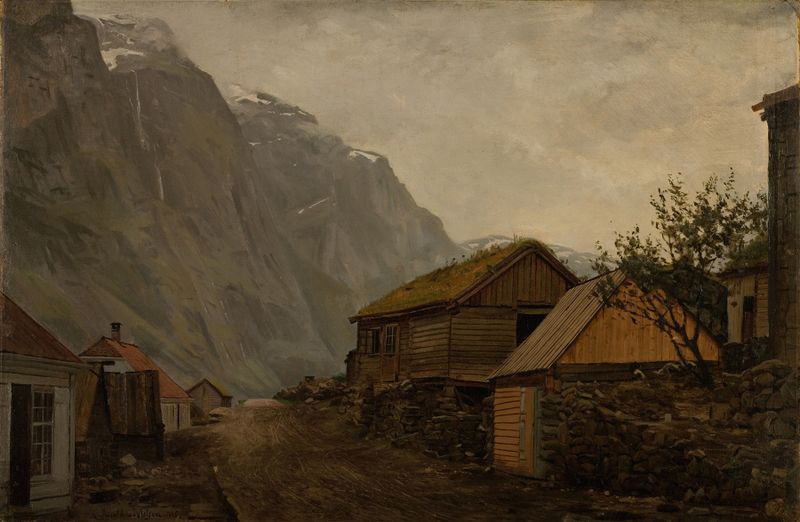
Can paint confess what words never could? In Fra Tjensvold, Mandal, the essence of illusion lingers, inviting us to explore a world where the tangible meets the intangible, where nature’s splendor masks the complexity of human experience. Focus on the serene expanse of the fjord that sprawls across the canvas, shimmering beneath a delicate interplay of light and shadow. Notice how the soft blues and greens meld seamlessly, creating an almost dreamlike quality that draws the eye into the depths of the scene. The gentle brushstrokes evoke a sense of tranquility, while the staggering detail in the foliage flanking the water’s edge captivates with its rich textures, as if the artist has captured a fleeting moment in time. Yet beneath this tranquil surface lies a tension between reality and illusion.
The reflections on the water's surface suggest an alternate world, one that is as inviting as it is elusive. The juxtaposition of the vivid foreground against the hazy background amplifies the sense of distance, hinting at the fragility of nature and the human spirit. Each element in the composition speaks to the ephemeral nature of beauty and the complexity that lies behind serene facades. Amaldus Nielsen painted this piece in 1865, during a period marked by burgeoning Romanticism in Norway.
At this time, he was deeply immersed in his exploration of landscape, aiming to capture not just the physical beauty of his surroundings but also their emotional resonance. Fra Tjensvold, Mandal exemplifies his dedication to portraying the interplay of light and shadow, a reflection of both his personal journey and the broader movement of his contemporaries in the art world.
More Artworks by Amaldus Nielsen
Browse all →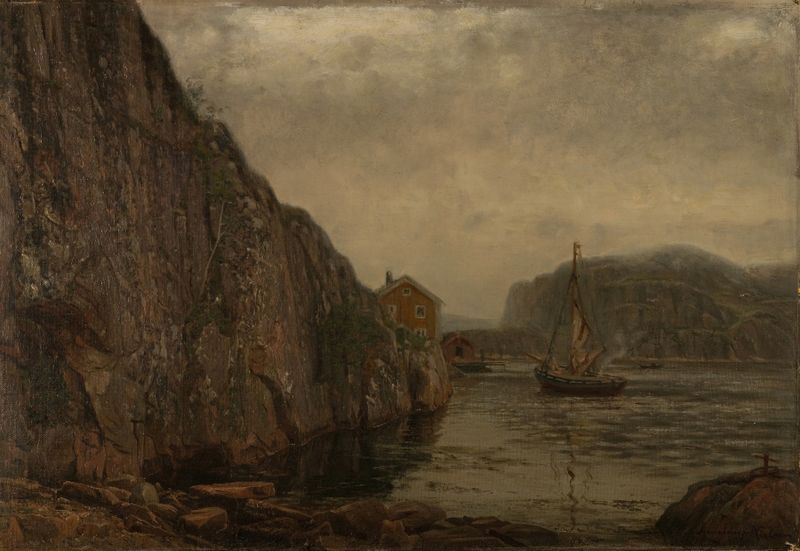
Skjærgård, Ny-Hellesund
Amaldus Nielsen
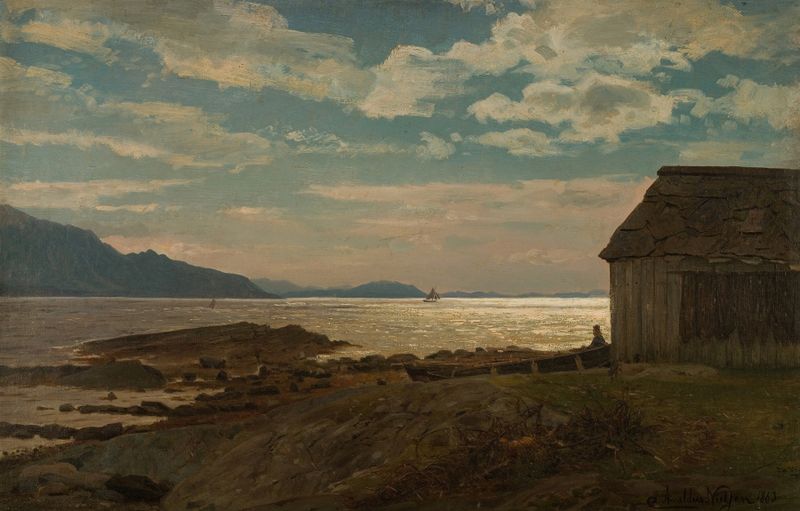
Fra Ølvestranden, Hardanger
Amaldus Nielsen
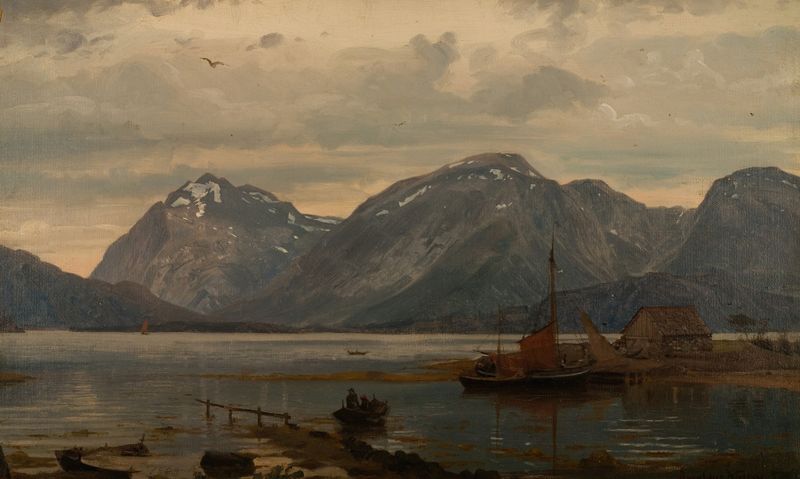
Fra Englafjellene, Hardanger
Amaldus Nielsen
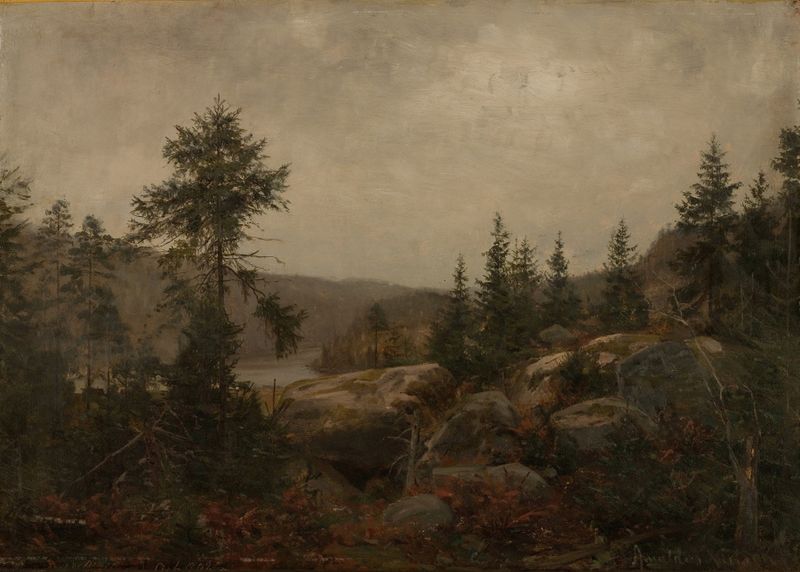
Duskregn . Gården Foss, Mandalselven
Amaldus Nielsen
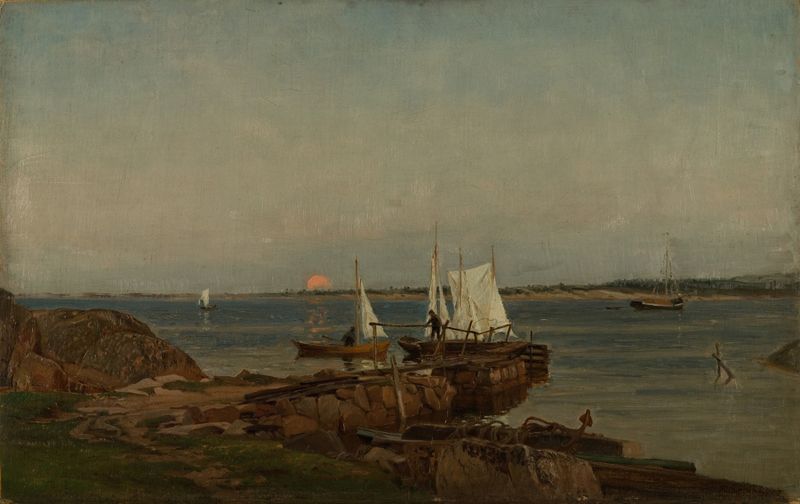
Sommernatt, Hvaler
Amaldus Nielsen
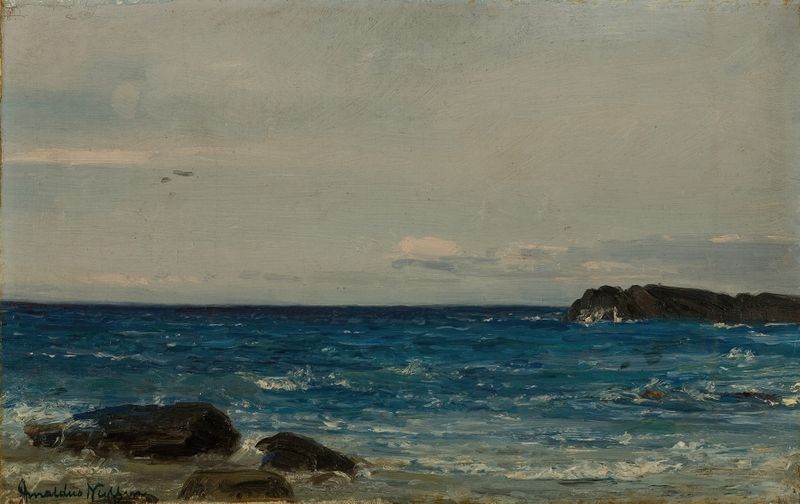
Fra Jæren
Amaldus Nielsen
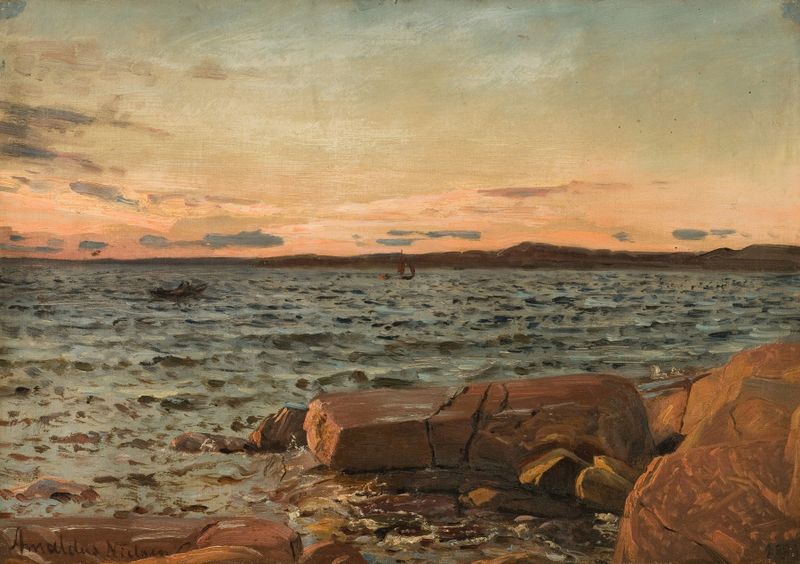
Solgangsvind, Hvaløene
Amaldus Nielsen
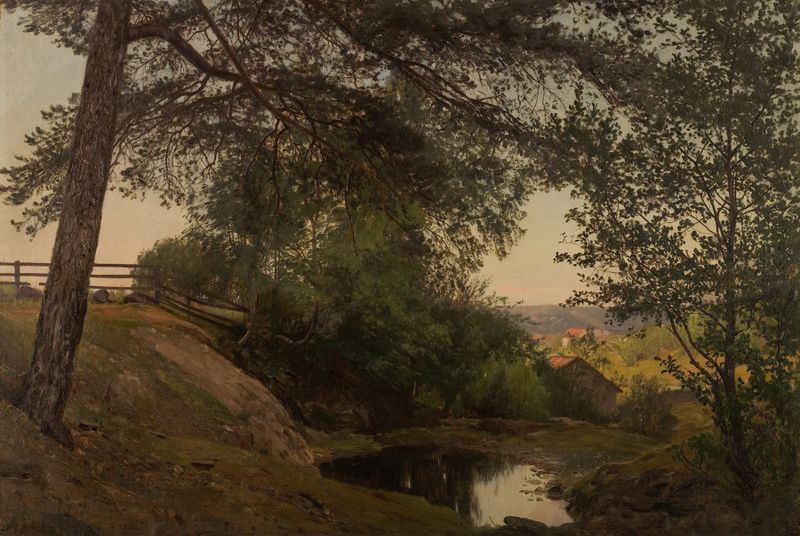
Mellom trærne. Lervik, Stord
Amaldus Nielsen

Båtbyggeri, Lillesand
Amaldus Nielsen
Regnstemning, Gudvangen
Amaldus Nielsen





