
Fragment bord uit V.O.C.-schip de 'Witte Leeuw' — History & Facts
What secret hides in the quiet of the canvas? Beneath the surface of maritime adventure lies a poignant meditation on mortality, captured in a fragment of a ship’s legacy. Look to the charred wood, its darkened edges whispering tales of tempests and time. The intricate carvings, remnants of artistry, invite your gaze to trace the lines formed by hands long gone. Notice how the light plays upon the grain, revealing textures that speak of both craftsmanship and decay, a testament to the passage of years and the stories vessels carry across the sea. Amidst the decay, there is an undeniable contrast between the beauty of the artificial and the inevitability of nature's reclamation.
The artwork holds a tension between what was and what remains, reminding us that even the grandest ships must ultimately succumb to time. Each splinter of wood embodies the fragility of human endeavor, while the silence evokes contemplation on the fleeting nature of existence. Created before 1613, this fragment originates from a period of significant maritime exploration, when the Dutch East India Company was making its mark on trade routes and cultural exchanges. The artist, whose identity remains unknown, encapsulated a moment within the larger narrative of the age—when ships like the Witte Leeuw were symbols of ambition and adventure, yet also harbingers of loss and mortality in the vastness of the ocean.
More Artworks by Unknown Artist
Browse all →
Ridder, Dood en Duivel
Unknown Artist
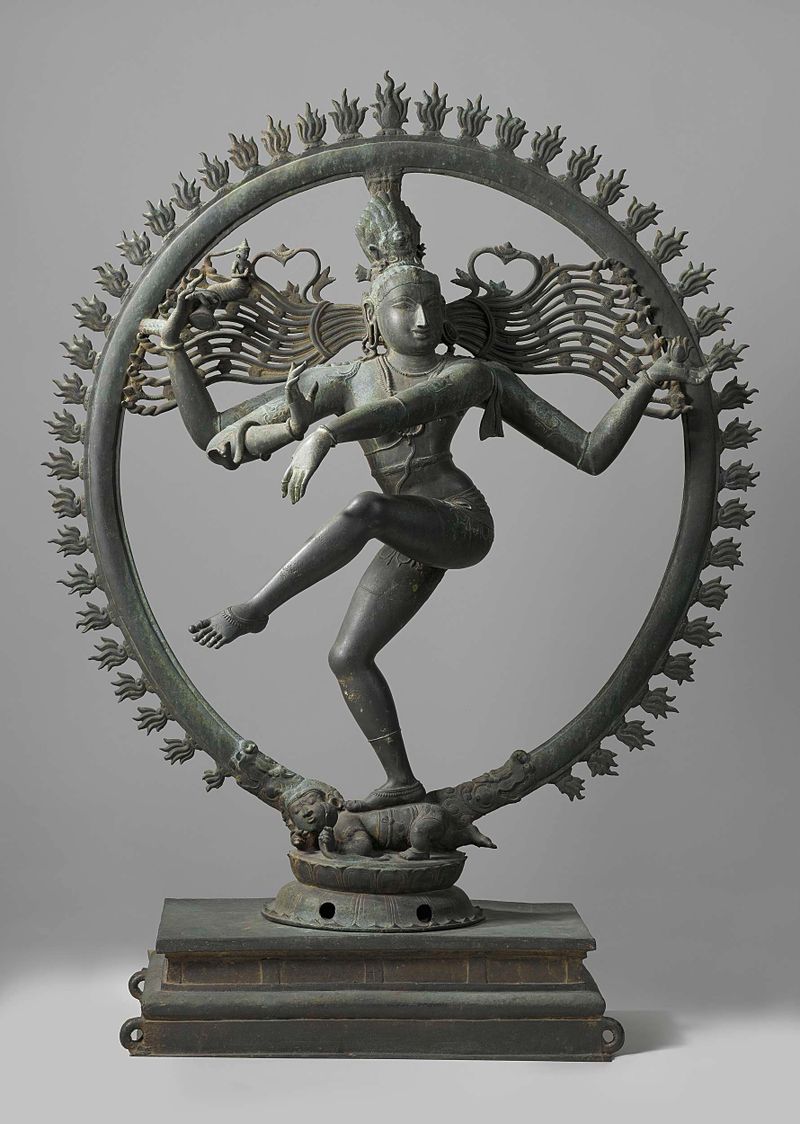
Shiva Nataraja
Unknown Artist
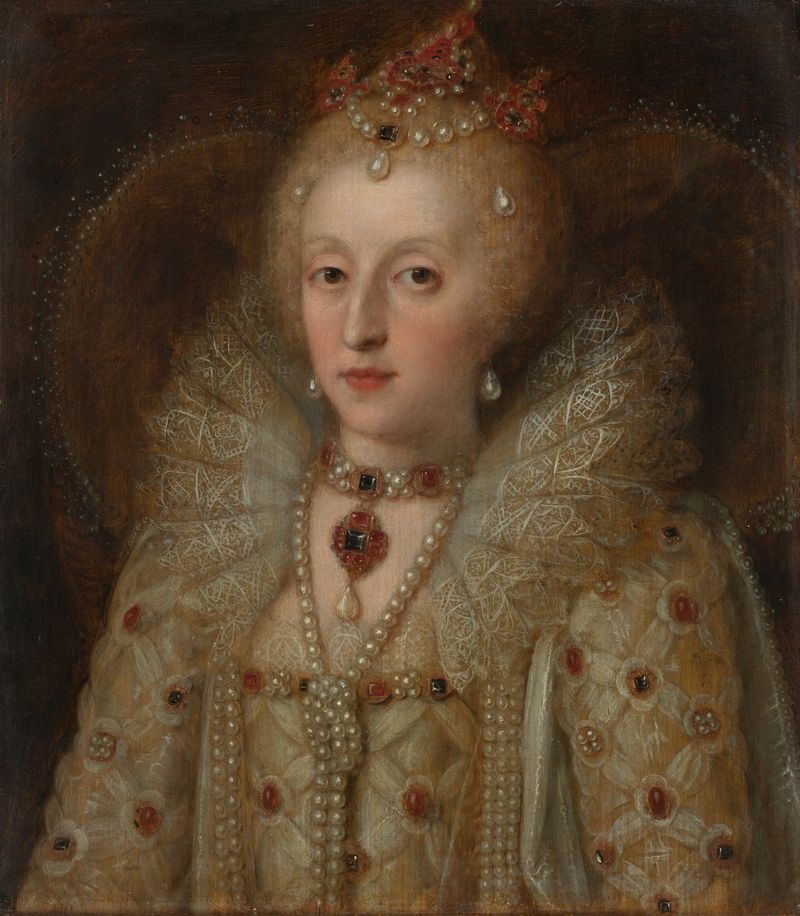
Portrait of Elizabeth I, Queen of England
Unknown Artist
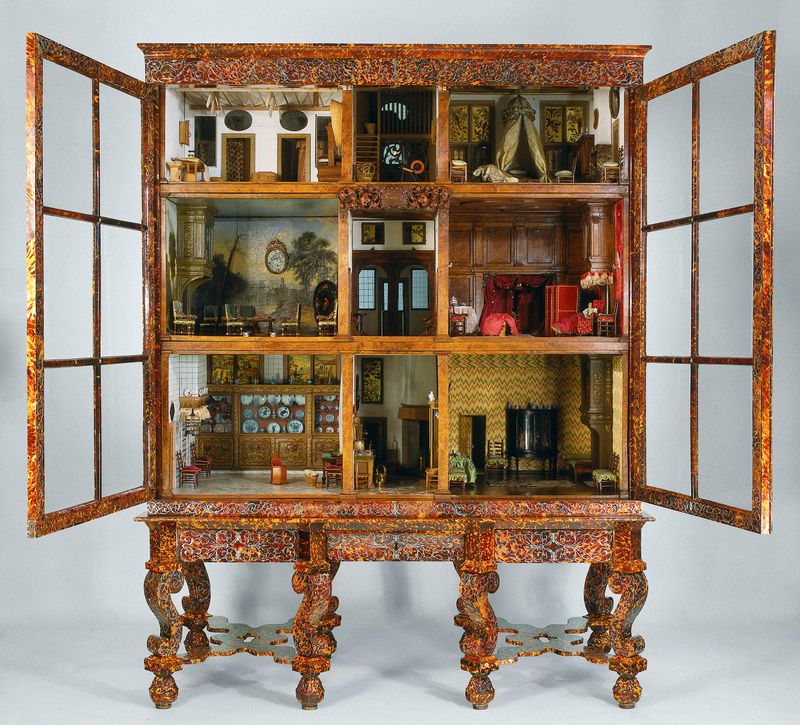
Dolls’ house of Petronella Oortman
Unknown Artist
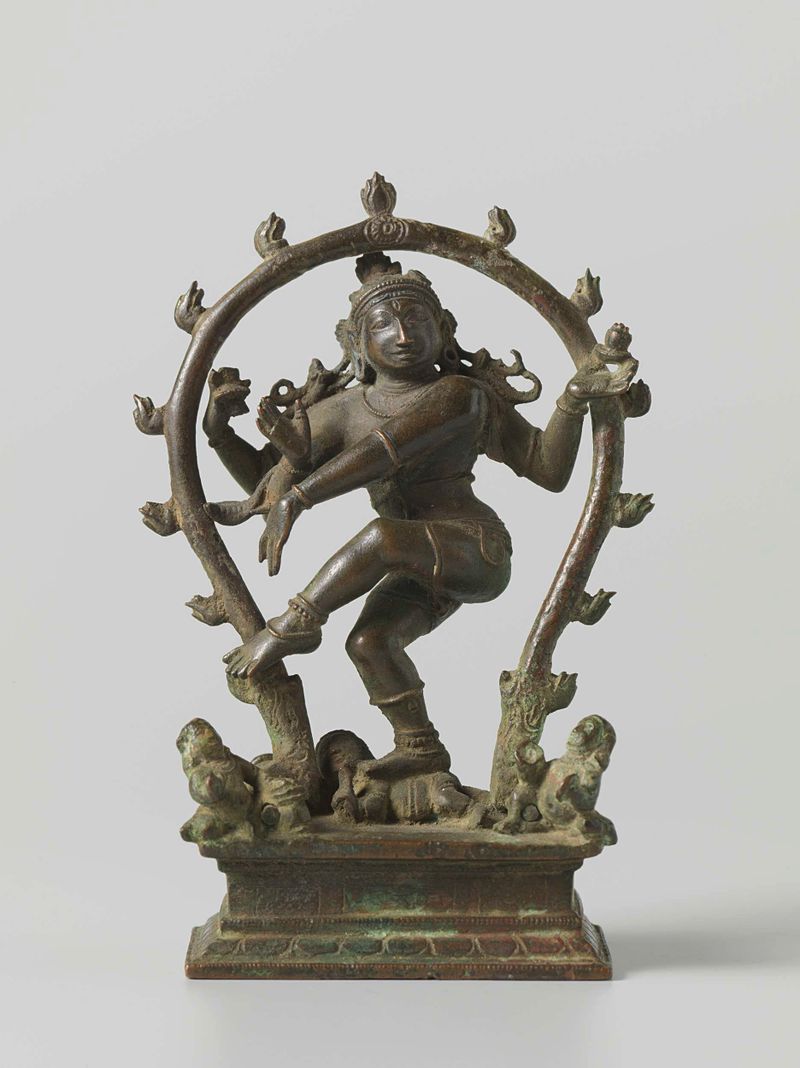
Shiva Nataraja
Unknown Artist

The Tale of Genji
Unknown Artist

The Tale of Genji
Unknown Artist

Cong
Unknown Artist
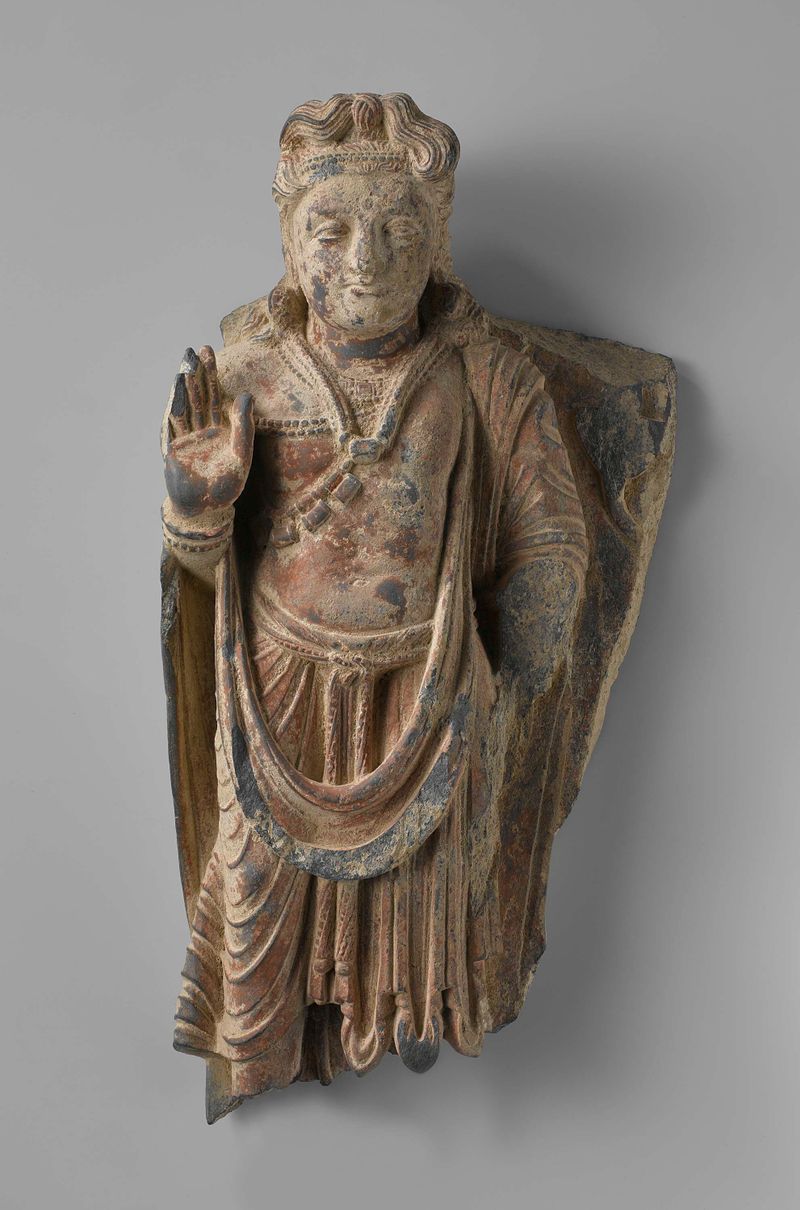
The bodhisattva Maitreya
Unknown Artist

Teabowl with a 'hare's fur' glaze
Unknown Artist





