Fragment from the Dalmatic of San Valero — History & Facts
Could beauty survive in a century of chaos? Look closely at the intricate patterns woven into the fabric, where rich blues and vibrant golds coalesce into a dance of shapes and motifs. Focus on the delicate floral designs, each petal meticulously crafted, whispering tales of devotion and artistry. Notice how the symmetry embodies both harmony and tension, as if the fabric itself is a fragile testament to a world teetering on the brink of turmoil. The interplay of light across the surface heightens the sense of fragility that pervades the work.
Each thread narrates a story of resilience, reflecting an era marked by uncertainty. The contrast of bold and soft elements evokes an emotional tension—a reminder that beauty can emerge even amid hardship. The ornate details invite contemplation, urging the viewer to consider the balance between creation and destruction. In the 13th century, the world of art was experiencing profound transformations, marked by the cross-cultural exchanges of the time.
This piece, believed to have been crafted during a period of political upheaval in Islamic territories, showcases the mastery of artisans who sought to preserve beauty and tradition in their work. The influences of Byzantine art and local traditions coalesce here, encapsulating a moment where fragility and strength coexist.
More Artworks by Islamic

Layla Visiting Majnun in the Desert, page from a copy of the Khamsa of Nizami
Islamic
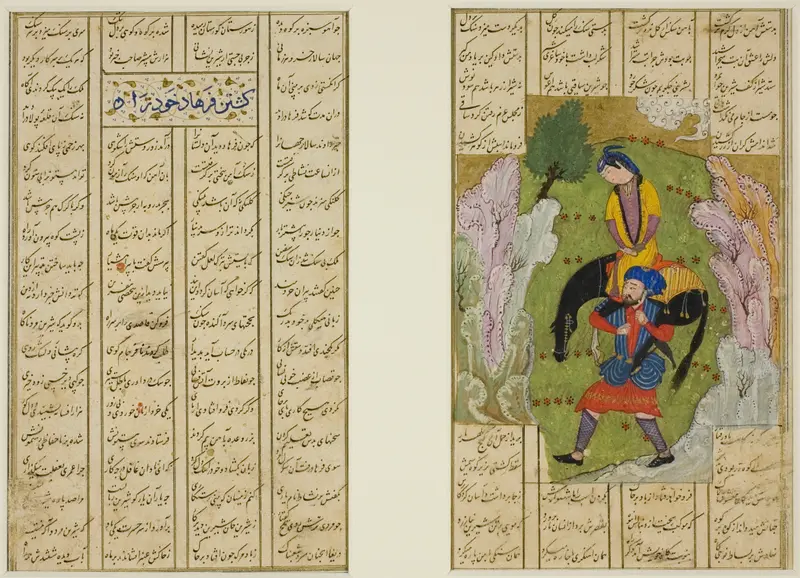
Farhad Carrying Shirin and Her Horse, from a copy of the Khamsa of Nizami
Islamic
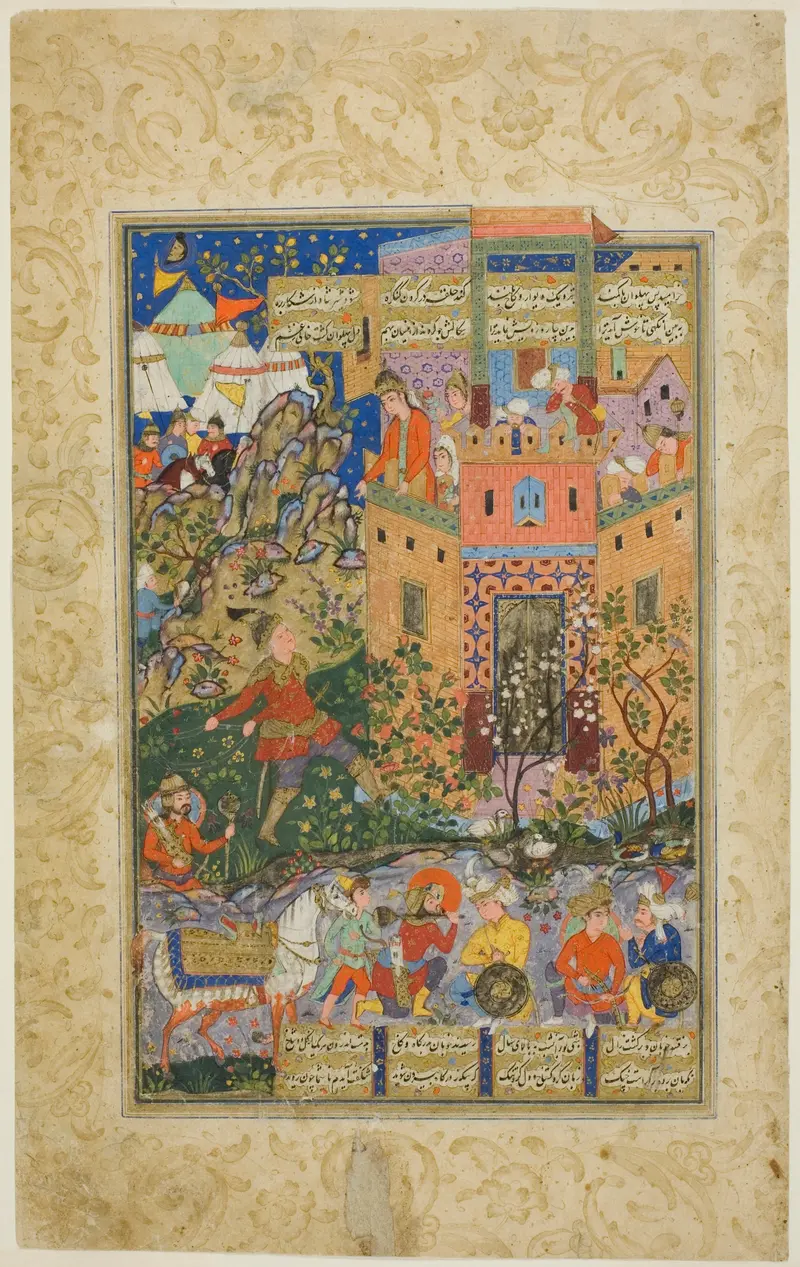
Zal Climbing to Rudaba, page from a copy of the Shahnama of Firdausi
Islamic
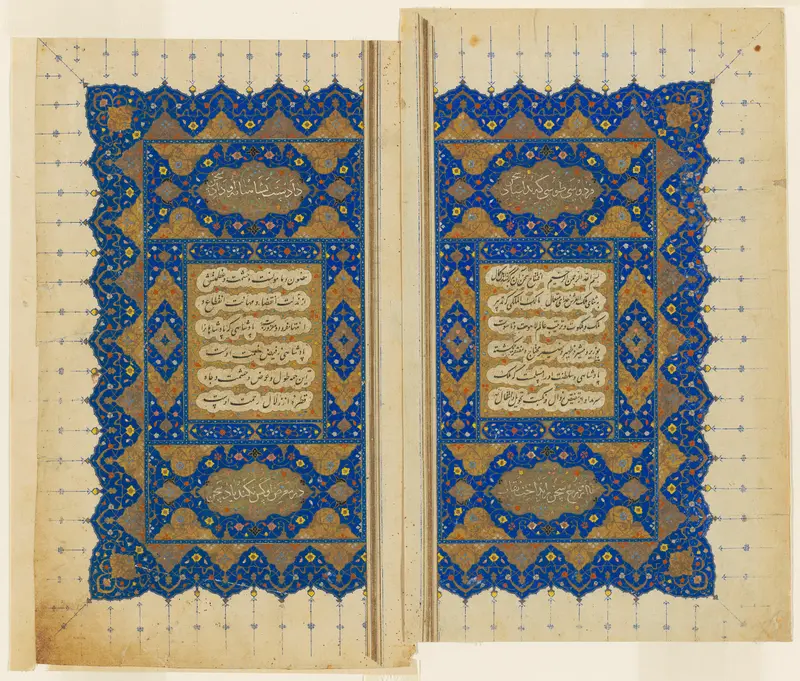
Double Title Page of a copy of the Shahnama of Firdausi
Islamic

The Ascent of the Prophet to Heaven, Page from the Khamsa of Nizami
Islamic
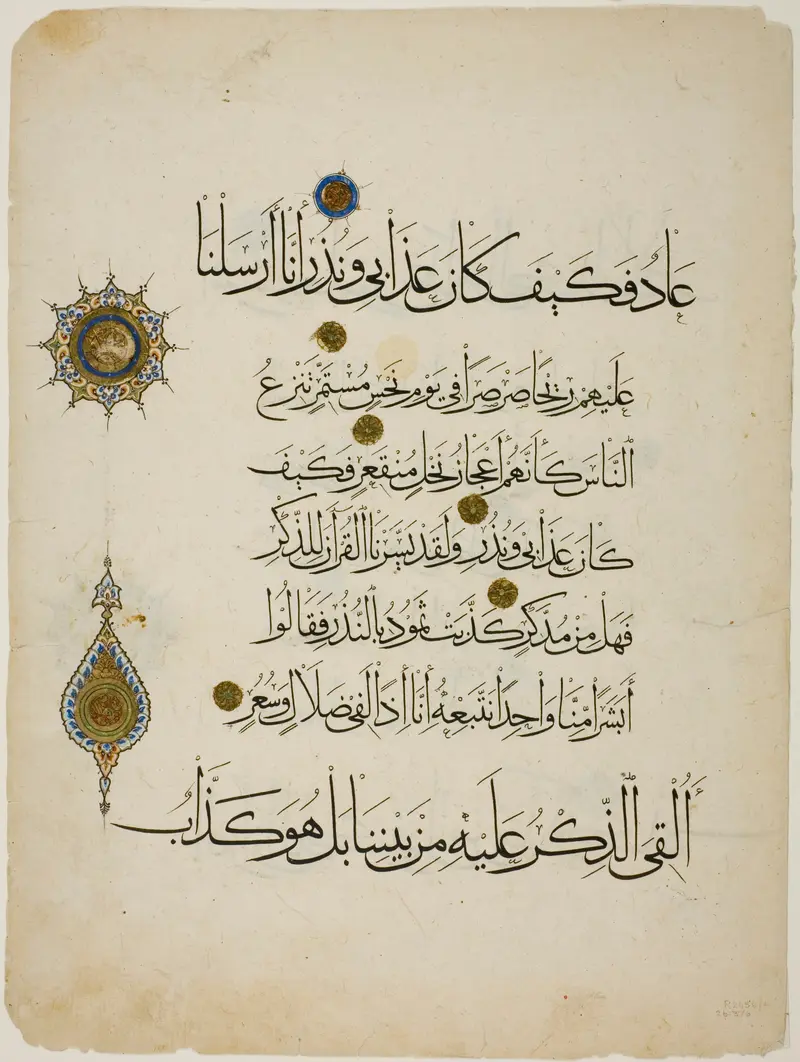
Qur'an Manuscript in Muhaqqaq
Islamic
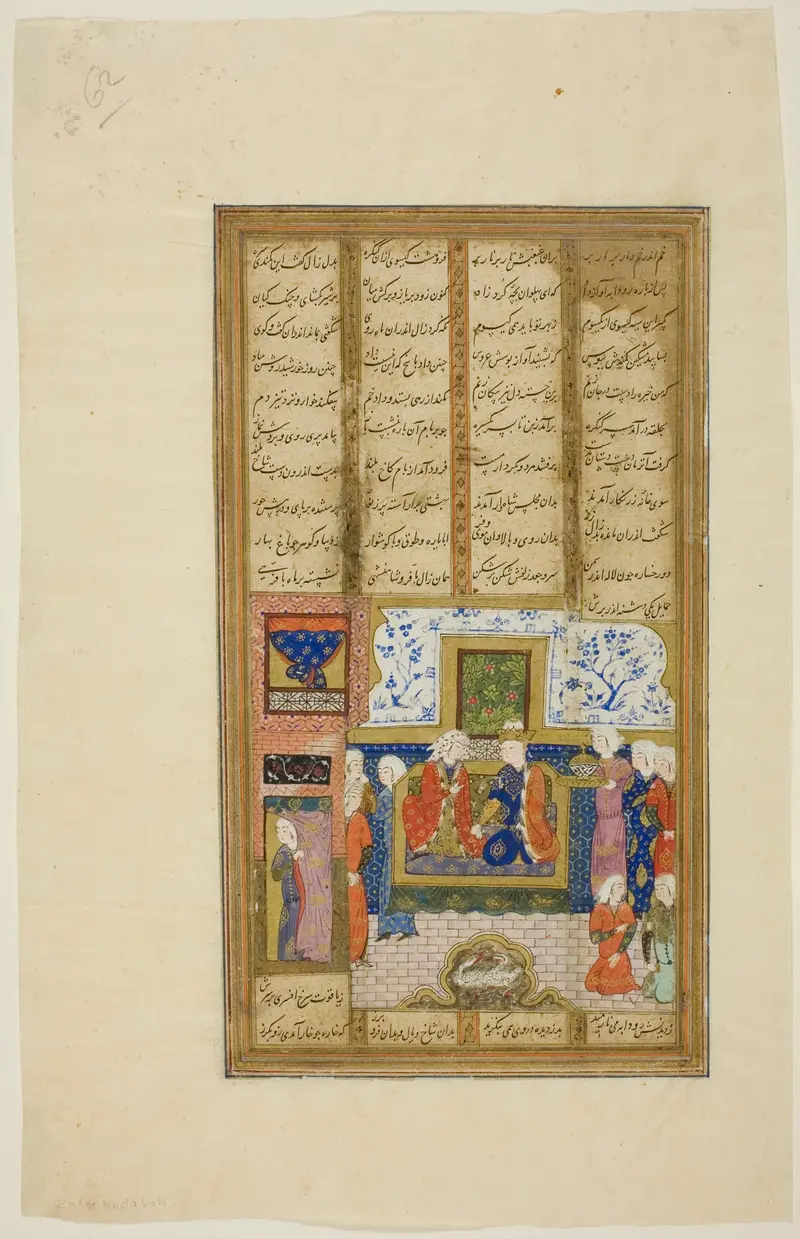
Zal and Rudaba in a Palace, page from a copy of the Shahnama of Firdausi
Islamic
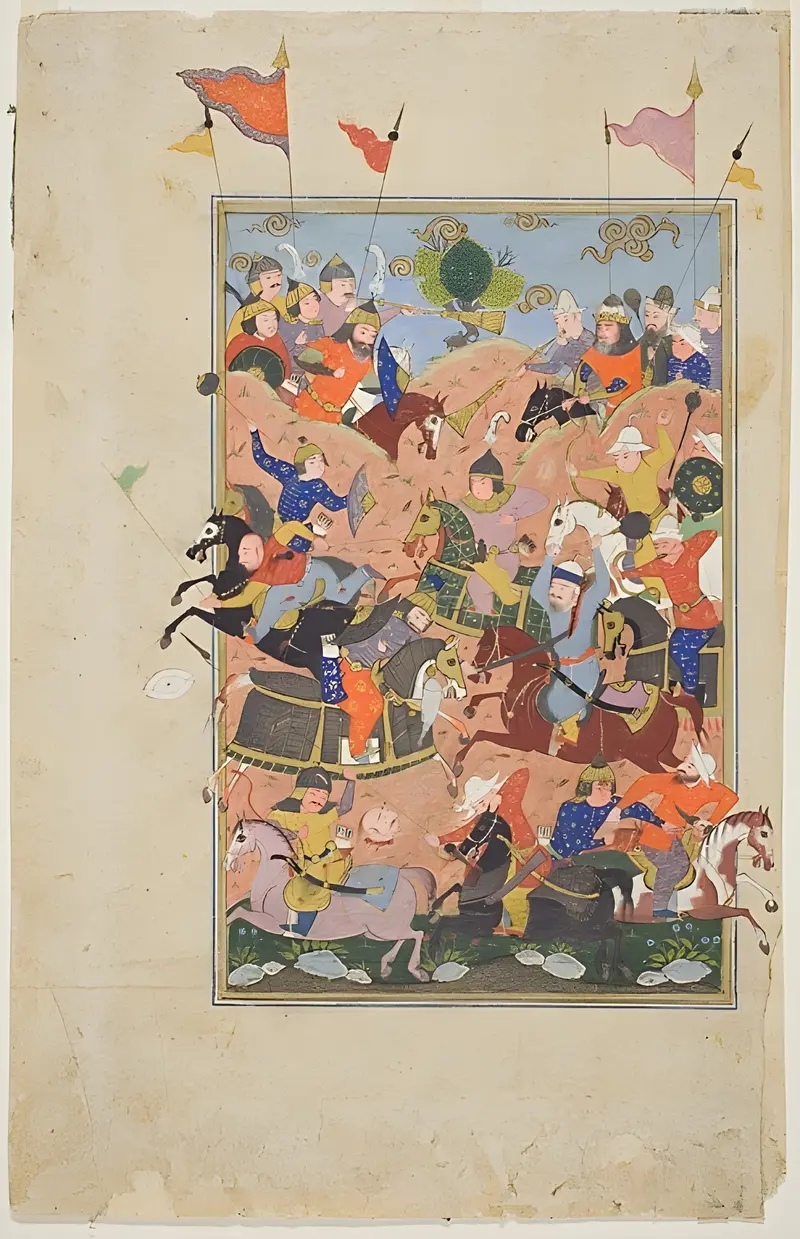
A Battle Scene from a Shahnama Manuscript
Islamic
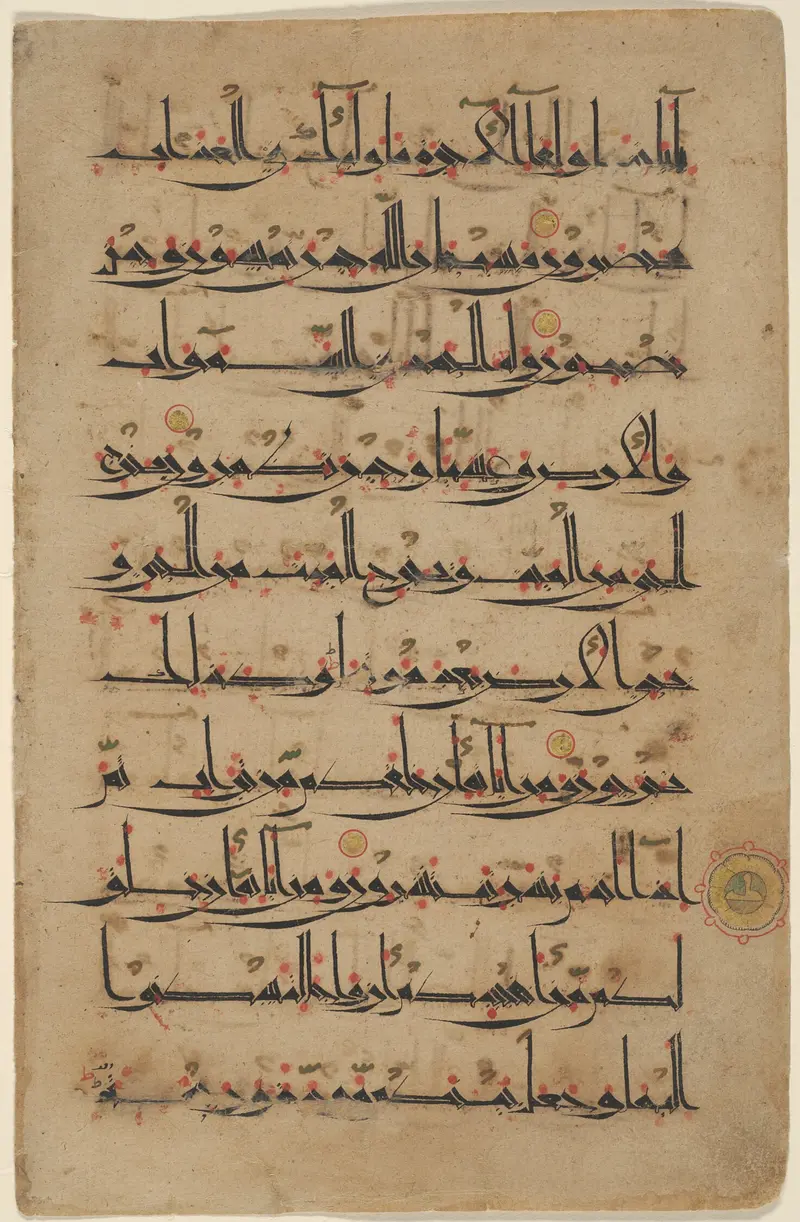
Qur'an leaf in Eastern Kufic script
Islamic
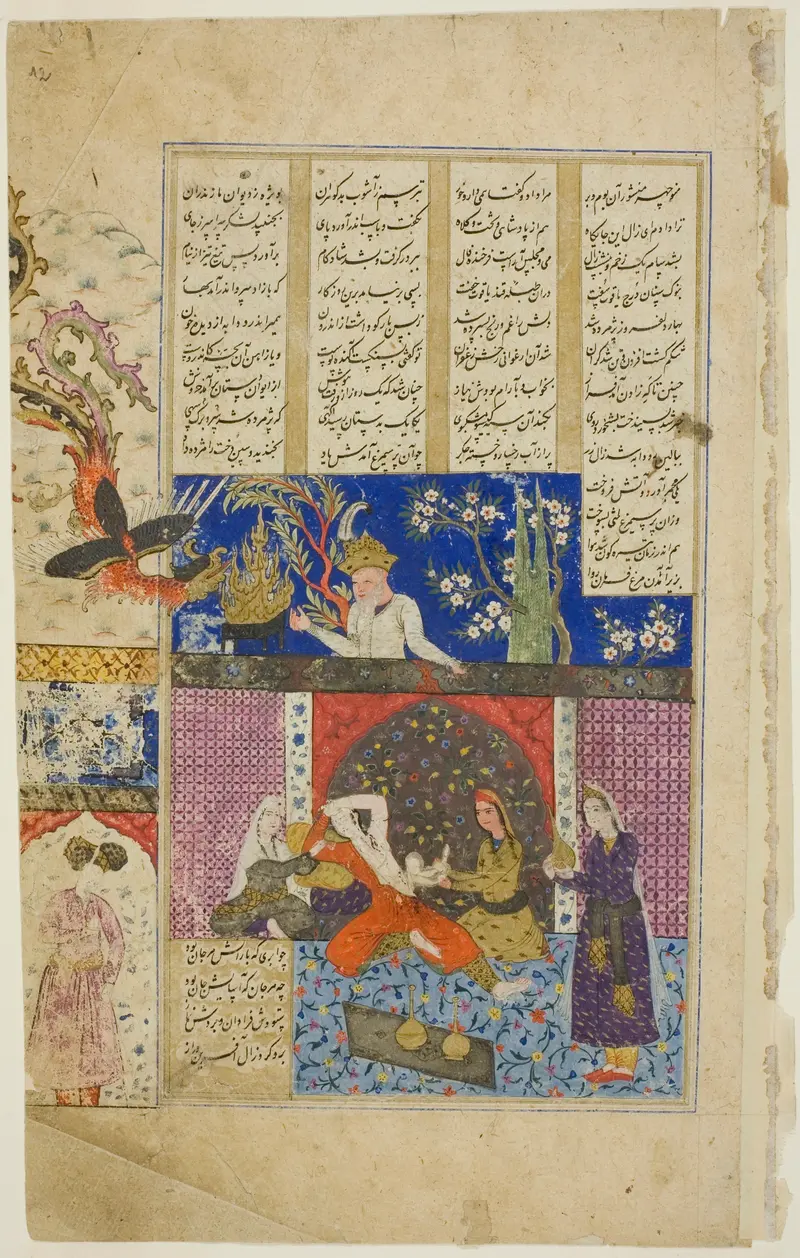
The Birth of Rustam, page from a copy of the Shahnama of Firdausi
Islamic