
Fragment schotel uit V.O.C.-schip de 'Witte Leeuw' — History & Facts
In this delicate fragment, innocence lingers like a whisper from the past, beckoning us to explore the stories embedded within its surface. The piece, a remnant of a ship from the Dutch East India Company, carries not just the weight of its materiality, but also the lightness of untold hopes and dreams. Look closely at the intricate patterns adorning the fragment; the swirls and motifs seem to dance in a soft dialogue with the muted earth tones. Notice how the craftsmanship highlights the delicate balance between form and function, drawing the eye to the intricate details of a world long lost.
The patina of time has softened the edges, yet the beauty remains, a testament to the artistry of its creator and the culture it represents. Beneath its aesthetic beauty lies the tension of transience. The fragment speaks of journeys undertaken, of vast oceans crossed, and of the lives intertwined in commerce and exploration. In every crack and imperfection, there is a narrative of innocence lost and the relentless passage of time, reflecting humanity's complex relationship with its own history.
It invites contemplation on what remains when the vessel has long since sunk, leaving only memories etched in ceramic. This fragment was crafted before 1613, a time when the Dutch were fervently expanding their reach across the globe. During this period, artists were beginning to explore new themes, often inspired by the exotic and the unknown. The creation of this piece coincided with a burgeoning interest in trade, colonial expansion, and the socio-political dynamics of the day, serving as both a marker of its time and a glimpse into the lives of those who sailed the high seas, seeking fortune and adventure.
More Artworks by Unknown Artist
Browse all →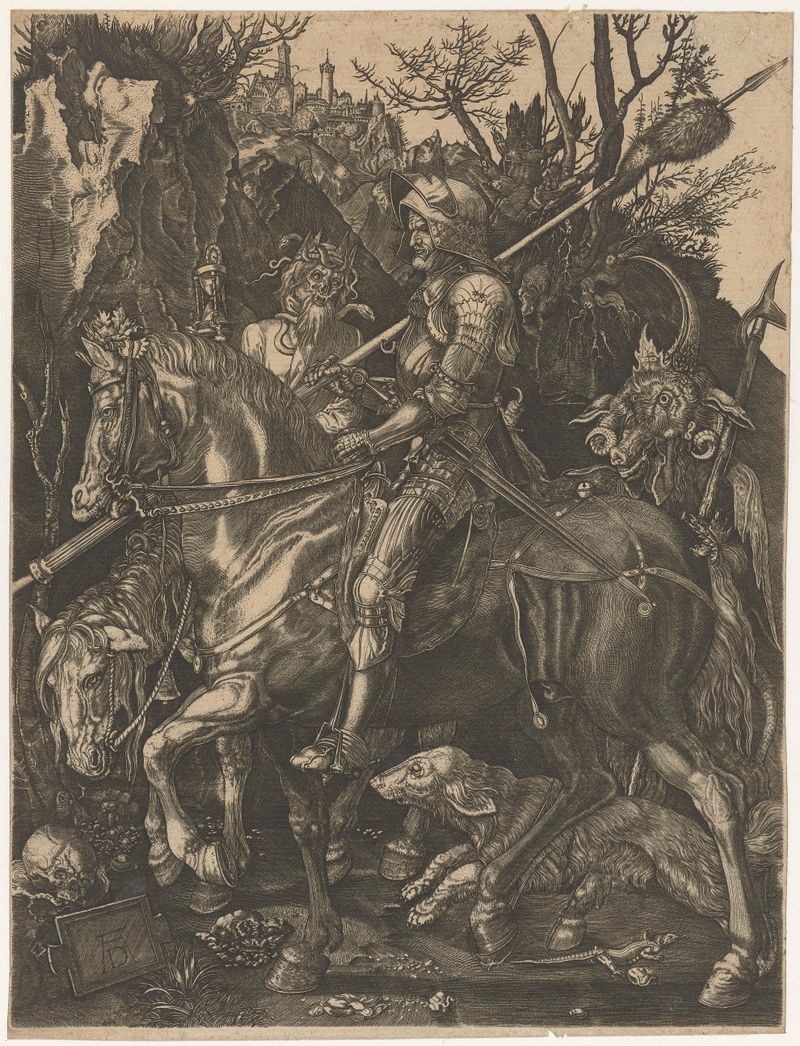
Ridder, Dood en Duivel
Unknown Artist
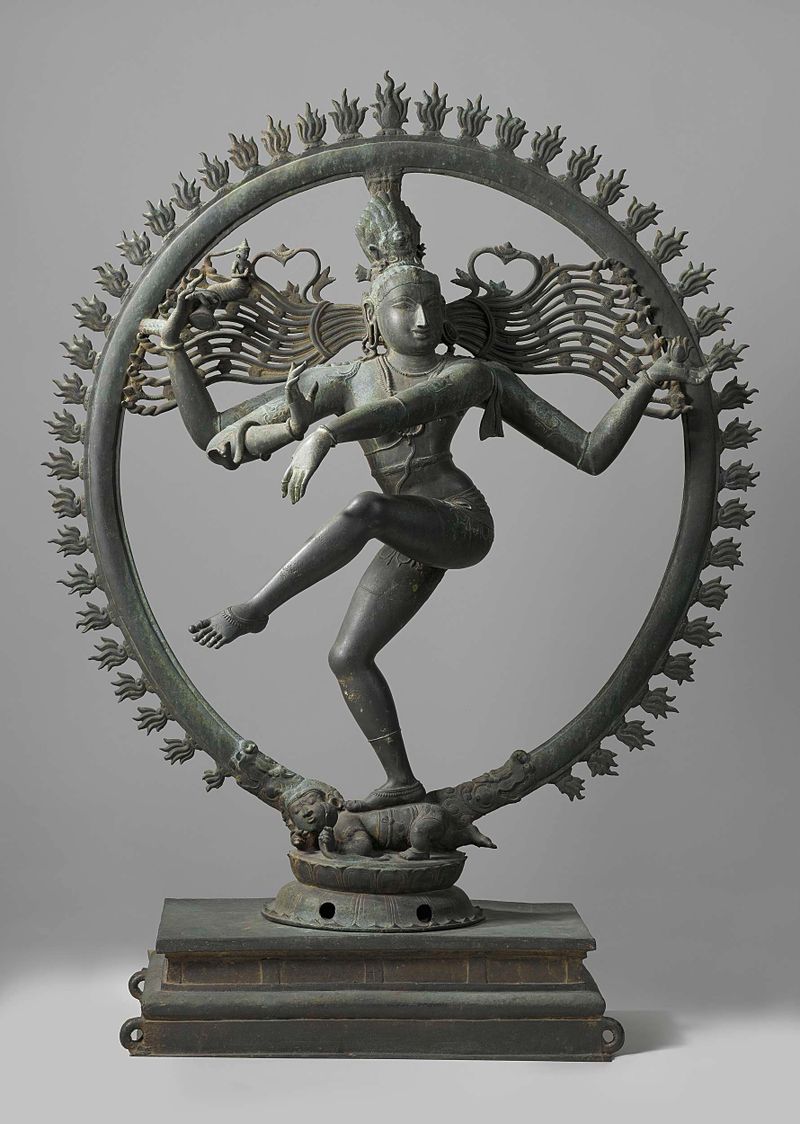
Shiva Nataraja
Unknown Artist
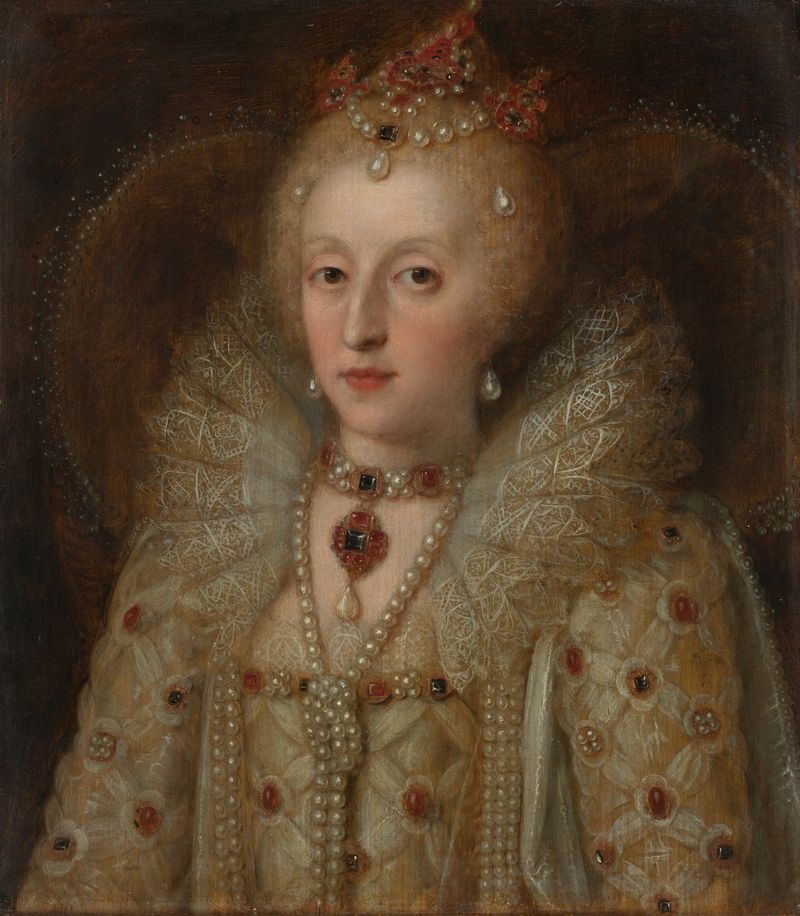
Portrait of Elizabeth I, Queen of England
Unknown Artist
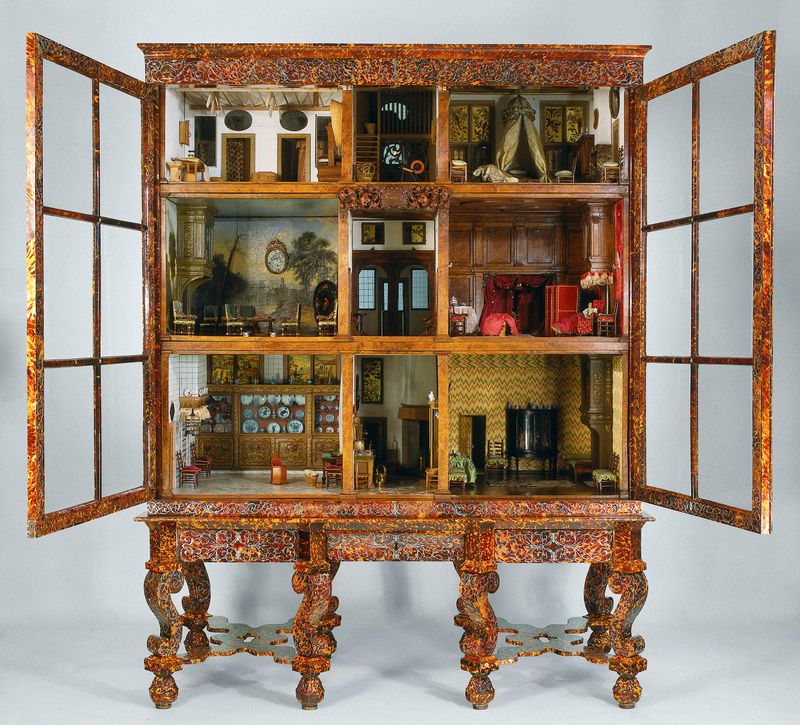
Dolls’ house of Petronella Oortman
Unknown Artist
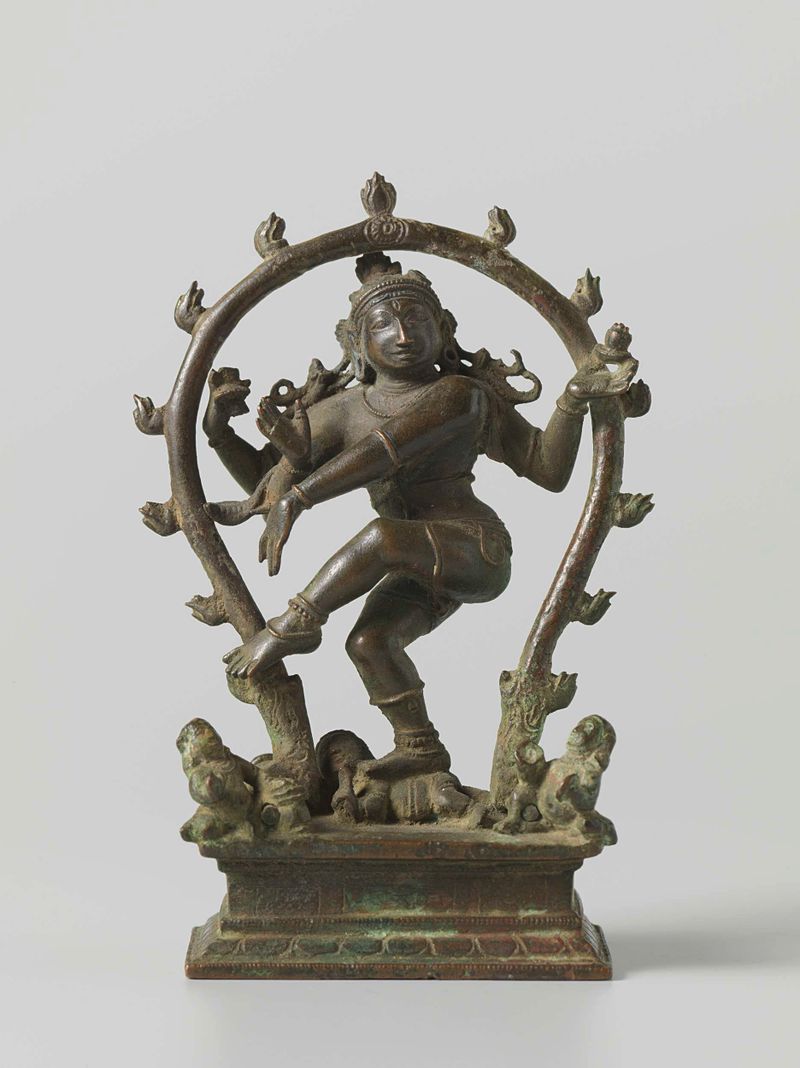
Shiva Nataraja
Unknown Artist

The Tale of Genji
Unknown Artist

The Tale of Genji
Unknown Artist
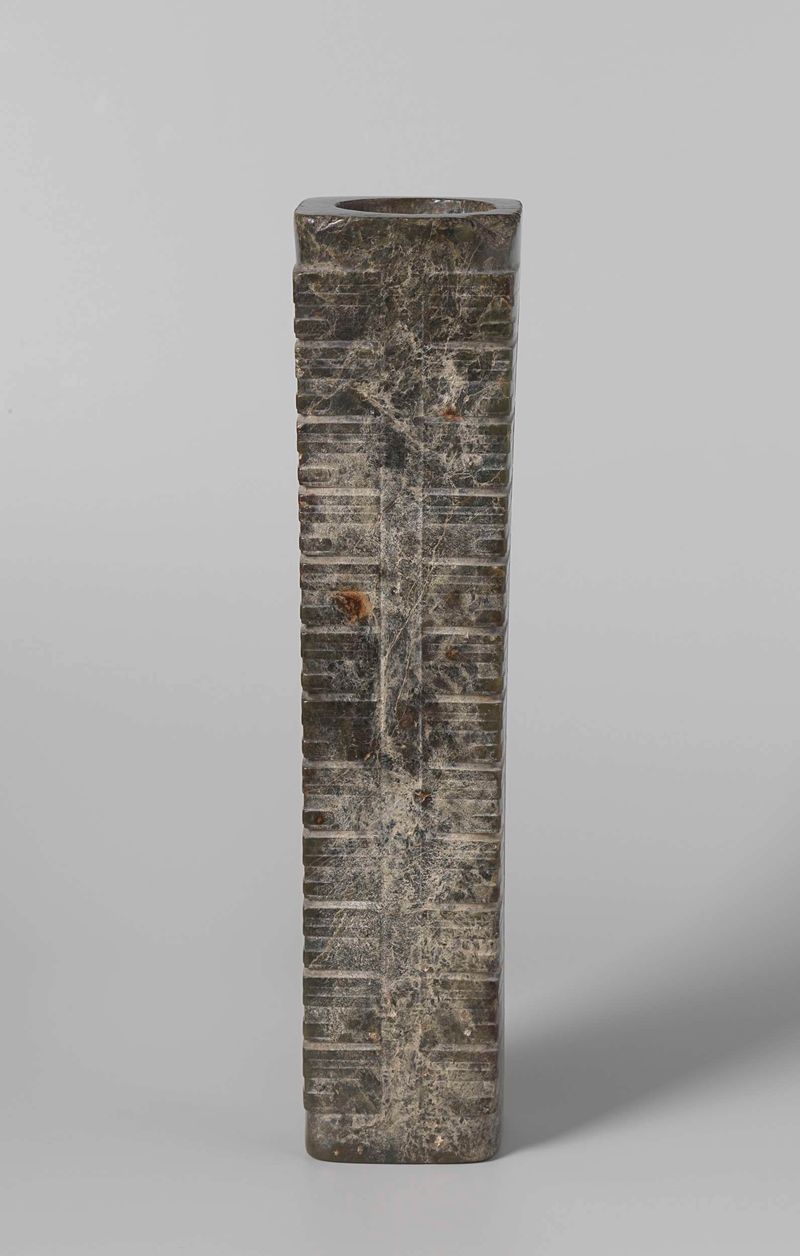
Cong
Unknown Artist
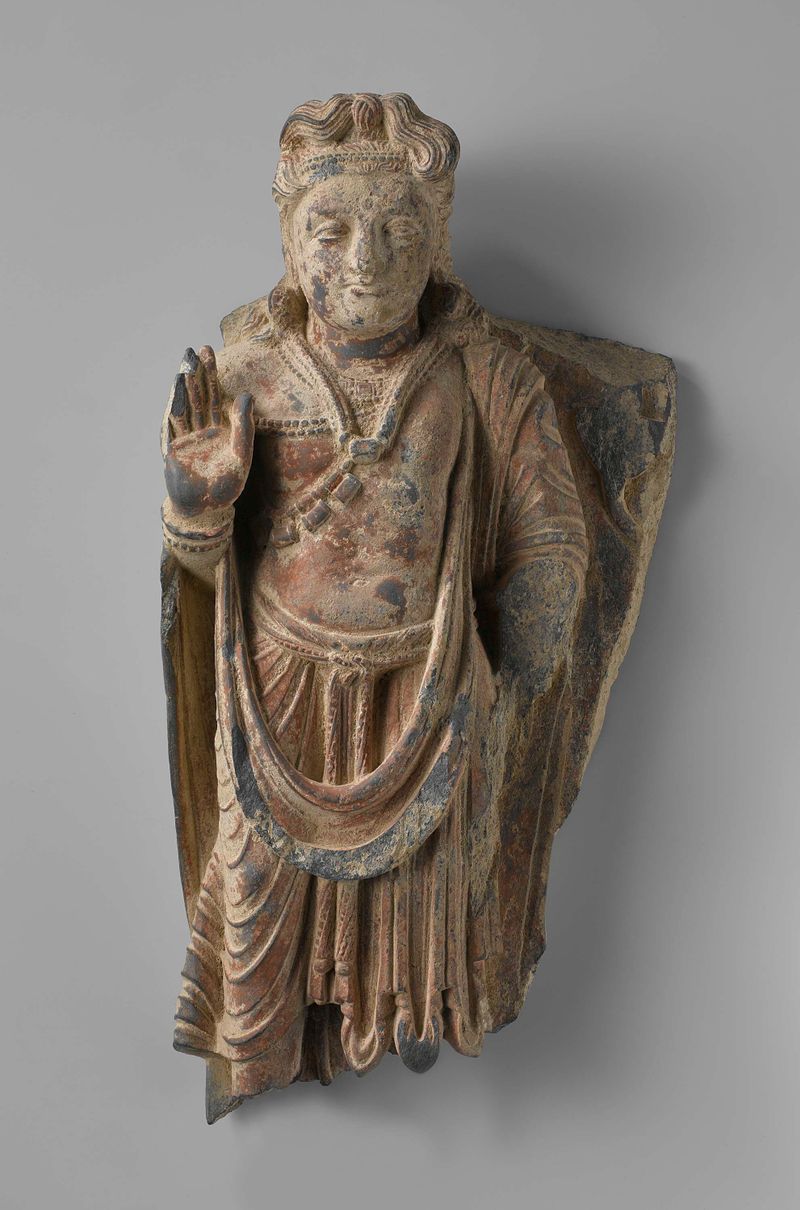
The bodhisattva Maitreya
Unknown Artist
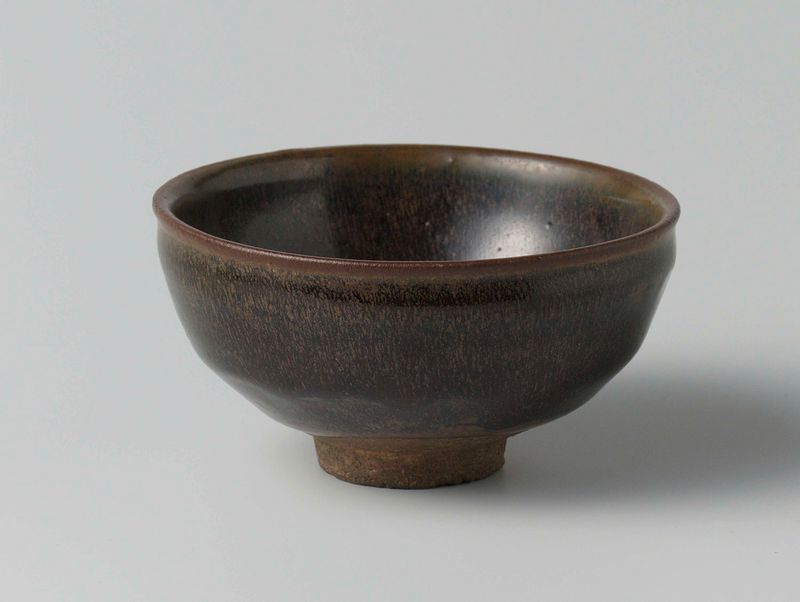
Teabowl with a 'hare's fur' glaze
Unknown Artist





