From Hampstead — History & Facts
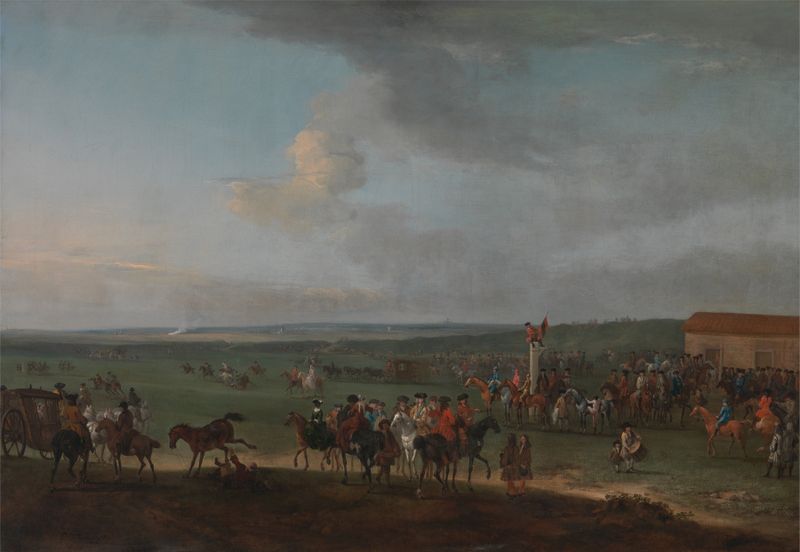
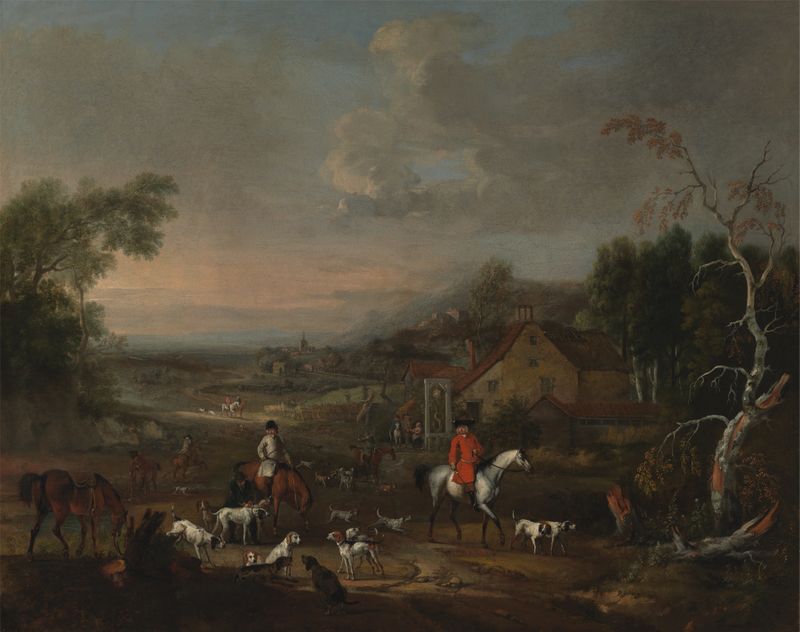
In the quiet symphony of life, the delicate equilibrium between nature and humanity beckons contemplation. What does it mean to find balance amidst the tumult of existence? Look to the lower left where the verdant hills roll gently beneath a sky kissed by the soft hues of dawn. The subtle pastel colors blend seamlessly, guiding the eye upward toward the ethereal clouds, reflecting a harmony that speaks of early morning tranquility.
Notice how the figures scattered across the landscape engage in their daily routines, their postures and movements intricately woven into the fabric of the scene, each stroke an ode to life's simple pleasures. Beneath the surface, a tension unfolds; the juxtaposition of vibrant life against the serenity of nature invites reflection on our place within the world. The artist captures not just the landscape but the mood of the people who inhabit it, illustrating a shared experience of joy and labor. The warm glow of sunlight contrasts with the cool shadows cast by trees, suggesting the constant interplay of light and dark in both nature and human emotion. In 1730, Tillemans painted this scene at a time when the art world was shifting towards a celebration of the pastoral ideal.
Residing in England, he found inspiration in the lush countryside, embodying the era's growing appreciation for both nature and the everyday life of common people. As a landscape artist, he was part of a movement that sought to elevate and romanticize rural life, capturing the essence of harmony that resonates through From Hampstead.