Hilly Scene with Village and Horseman — History & Facts
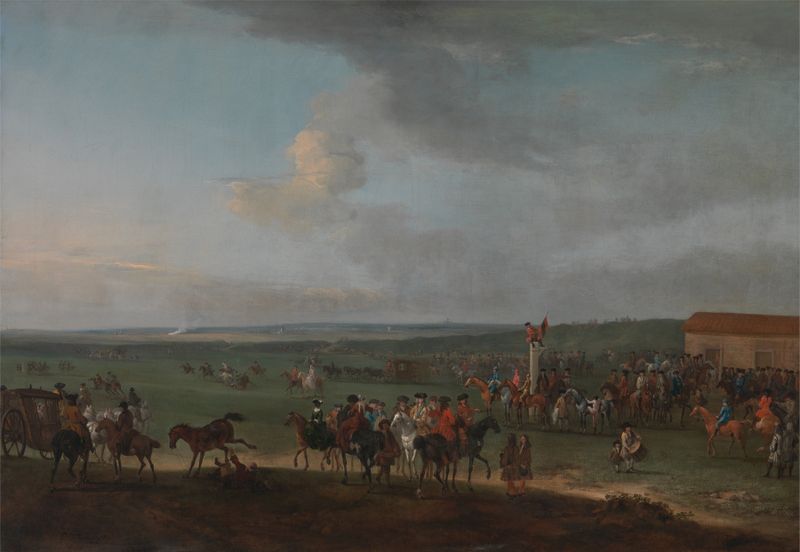
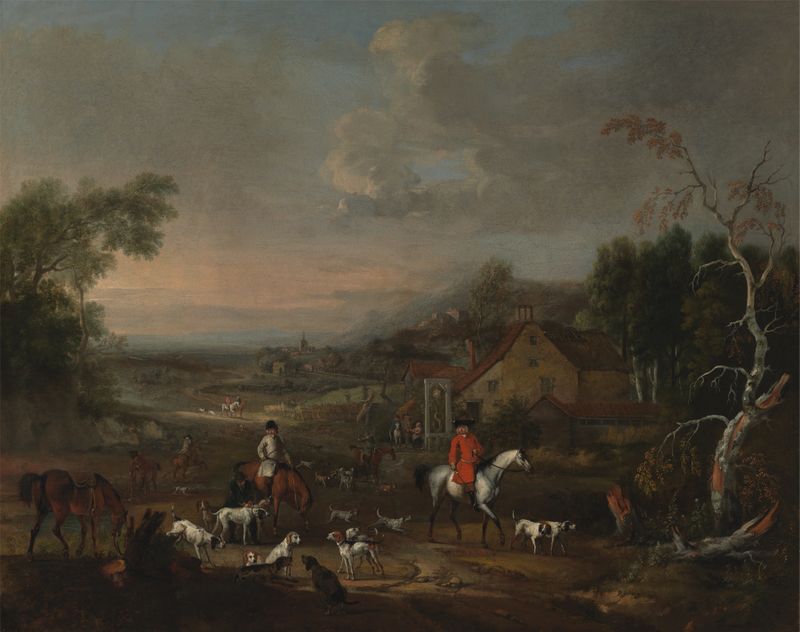
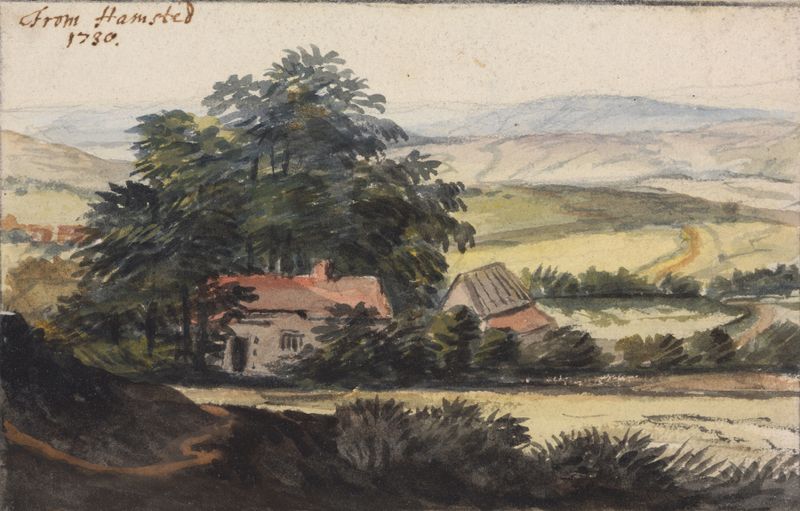
In this quiet moment captured on canvas, we are invited to reflect on the harmony between humanity and nature, a dialogue almost lost in our modern rush. Look to the left at the vibrant landscape, where gentle undulations of green hills cradle a quaint village nestled in a warm embrace of sunlight. The brushstrokes radiate an organic fluidity, inviting the viewer's eye to wander through the textures of the fields and the soft curve of the roads. Notice how the horseman, cloaked in a rich array of earth tones, rides toward the village, a solitary figure against the vastness of nature, evoking both a sense of journey and tranquility. The contrasts in this scene speak volumes—the lively colors of the village juxtaposed with the earthy tones of the hills create a balance that reflects the connection between man and his environment.
The presence of the horseman adds a layer of narrative, suggesting movement and purpose amidst the stillness of the landscape. This duality resonates deeply, revealing an inner conflict between solitude and the communal warmth of the village. During this period, the artist worked in the early 18th century, a time when the Baroque style was transitioning into more pastoral themes. Living in a Europe increasingly marked by urbanization, Tillemans was drawn to subjects that highlighted a simpler, more harmonious relationship with nature, as seen in Hilly Scene with Village and Horseman.
This piece reflects not only his artistic evolution but also a collective yearning for tranquility in an ever-accelerating world.