
Fruits — History & Facts
A hush falls over the scene, as if the fruit themselves are holding their breath—caught in the quiet drama of ripening, their skins dappled with the softest blushes of green, yellow, and rose. The eye is drawn first to the upright pear, its stem a solitary exclamation against the pale, textured background. Around it, a careful assembly of fruit leans and nestles, their rounded forms casting gentle shadows that ground them on the cool, almost clinical surface.
The brushwork is deliberate and tactile, each stroke building up the flesh of the fruit, inviting the viewer to imagine the weight and scent of each piece. There is no clutter, no distractions—just the silent conversation of color and form. Painted before 1909 by Achille Laugé, this still life belongs to a tradition that flourished in France at the turn of the twentieth century, when artists sought to capture the quiet poetry of everyday objects. Such works were often destined for private homes, where they offered a moment of calm and contemplation amid the bustle of modern life.
The piece now resides in the Musée Petiet de Limoux, on deposit from the FNAC, its journey and patrons largely unrecorded—a reminder of how many such paintings slip quietly through history. Yet, in its restraint and clarity, Fruits still invites us to linger, to look again, and to find meaning in the simplest of gatherings.
More Artworks by Achille Laugé

Ruelle au balcon fleuri
Achille Laugé
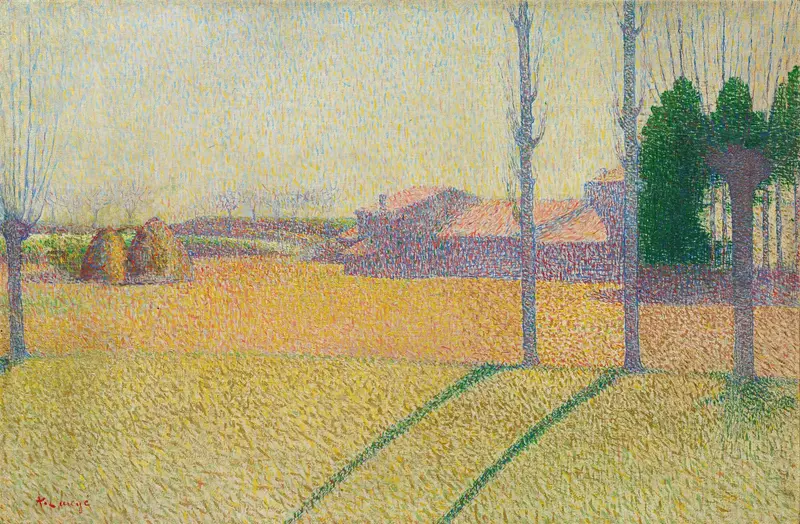
L’hort À Cailhau
Achille Laugé
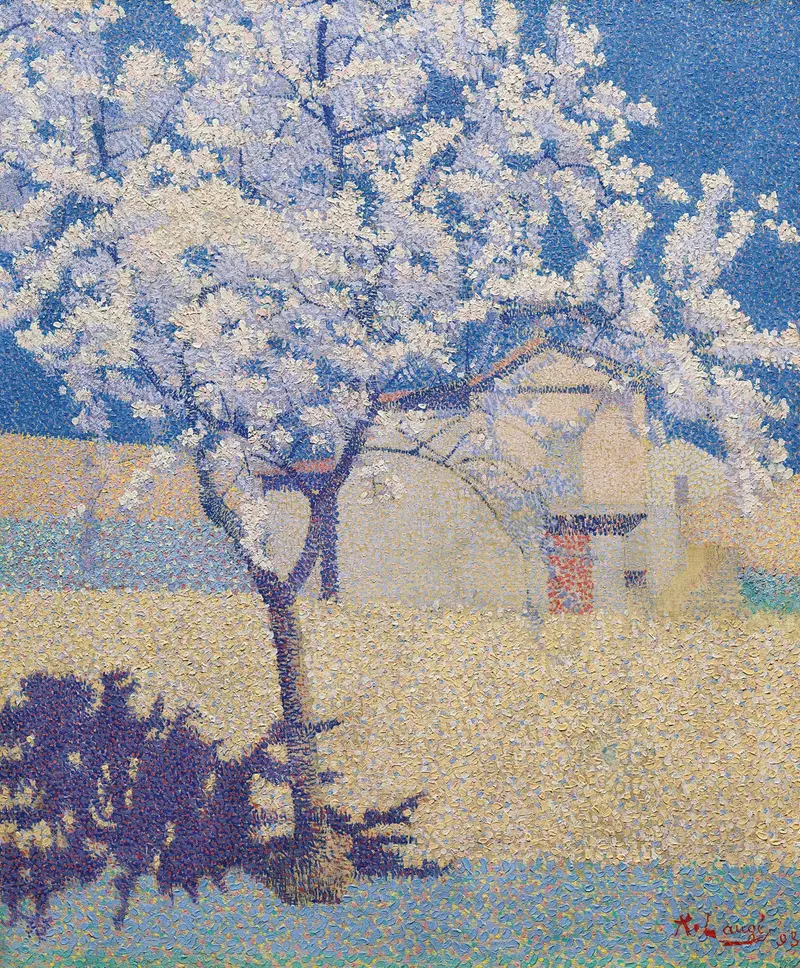
L’Arbre En Fleur
Achille Laugé
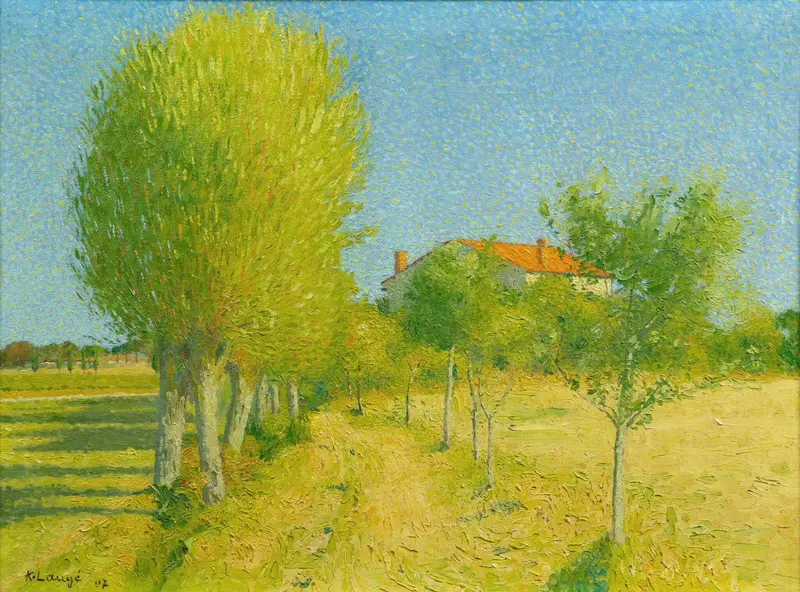
L’allée de saules derrière l’Alouette à Cailhau
Achille Laugé
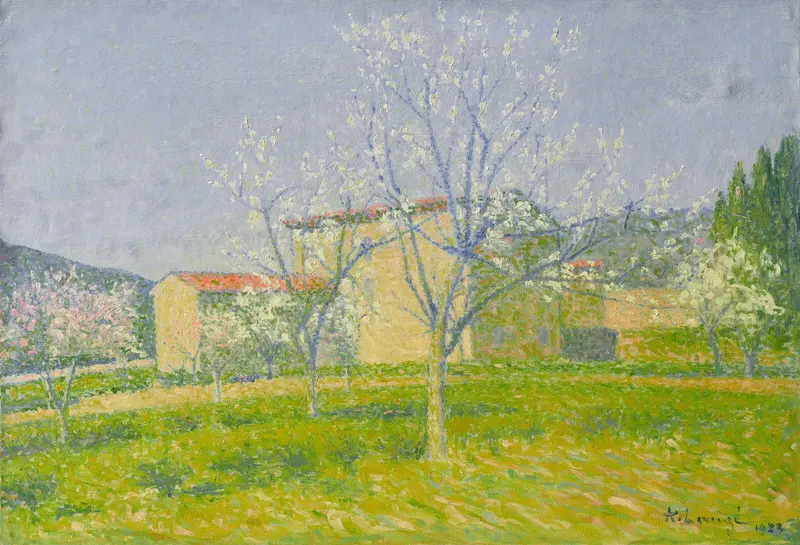
Verger en fleurs à Alet-les-Bains (Aude)
Achille Laugé
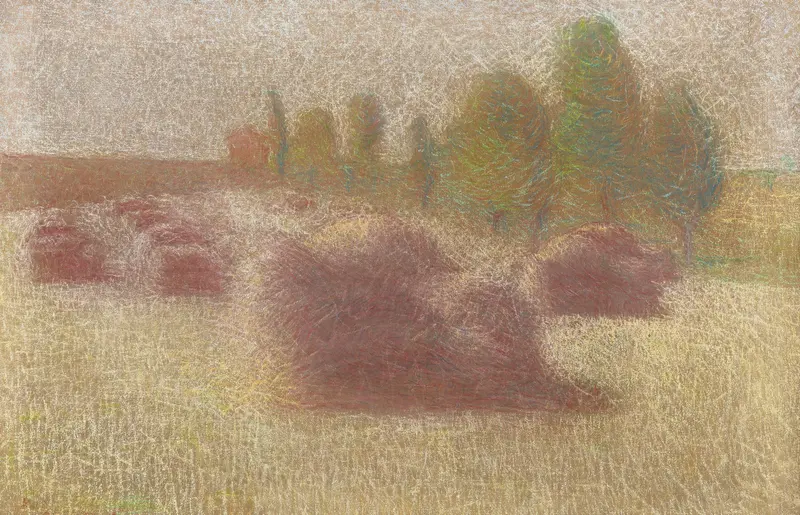
Les Gerbes
Achille Laugé
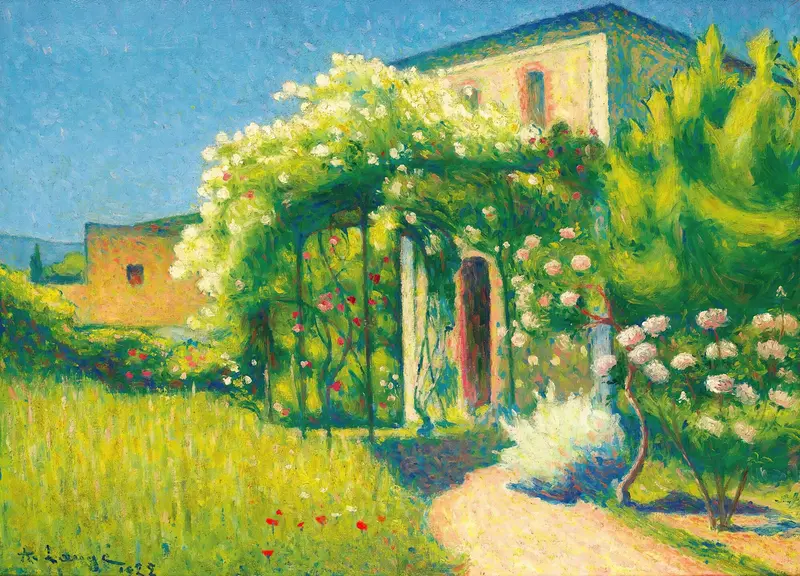
L’Atelier À Alet-Les-Bains
Achille Laugé
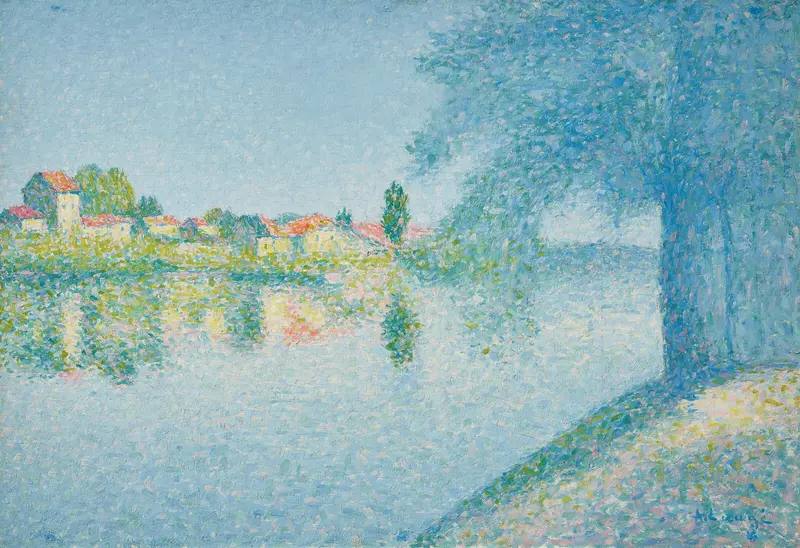
Vue des quais de la Garonne
Achille Laugé
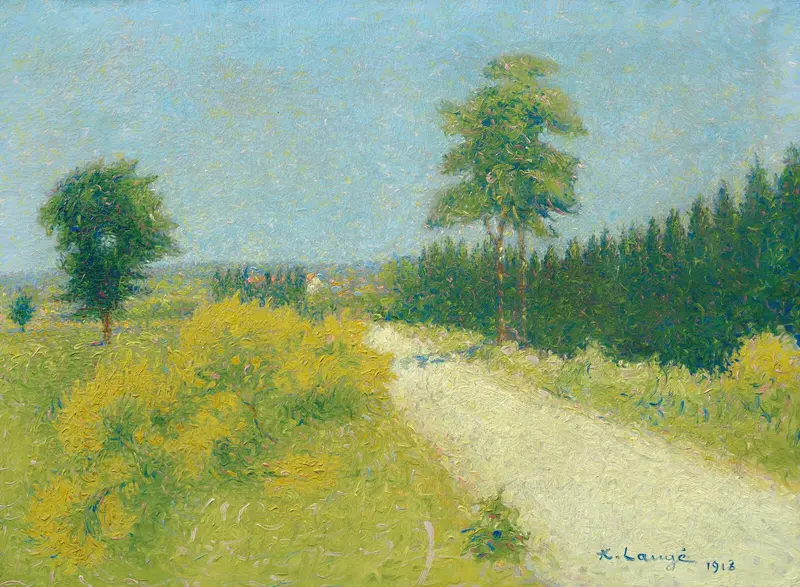
La route de Belvèze vers le relais
Achille Laugé
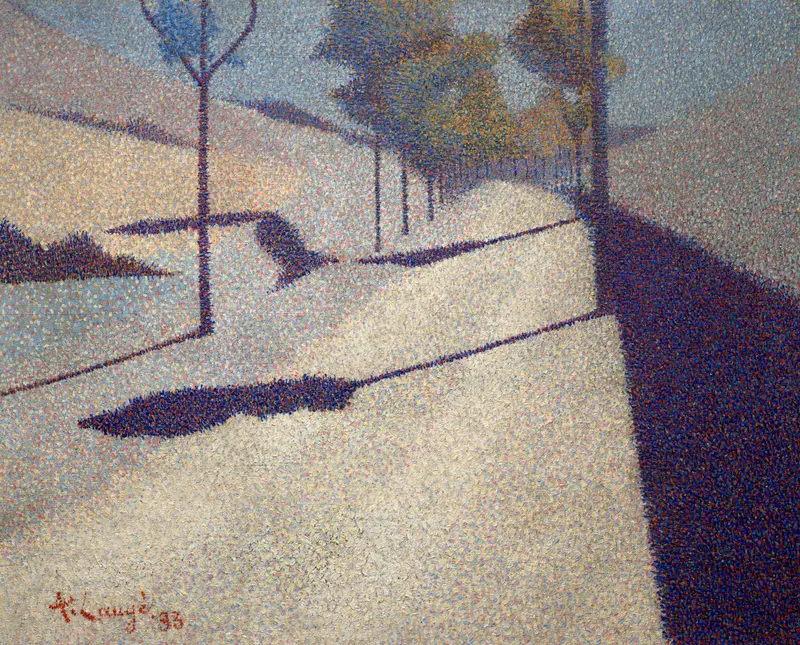
La route (The Road)
Achille Laugé





