Fête à Tivoli — History & Facts
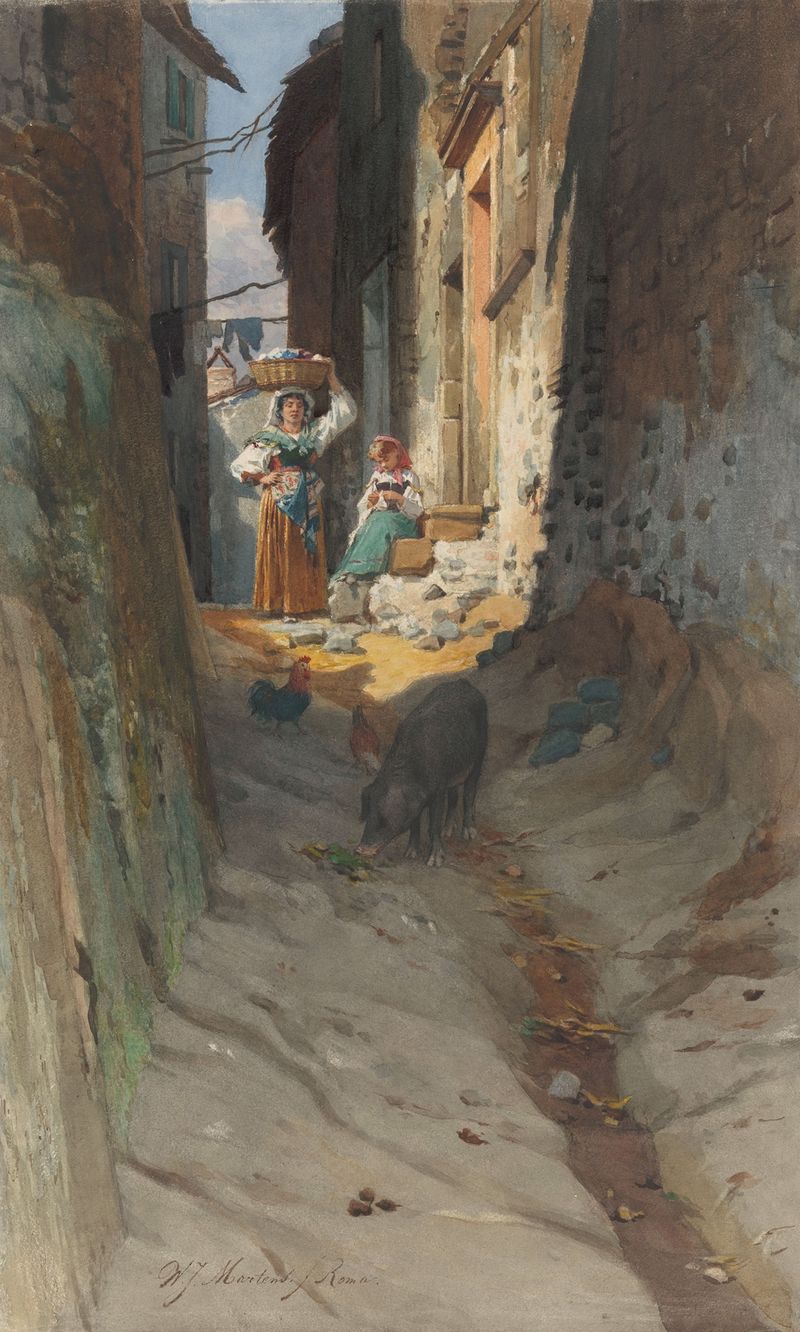
In a world where the whispers of the past linger like a fading melody, the weight of revolution is palpably felt in the quiet corners of life. Focus on the vast expanse of color that engulfs the canvas. Look closely at the rich greens and vibrant blues that breathe life into the scene, each brushstroke reflecting the fervor of celebration tempered by an undercurrent of unrest. Notice how the figures, their postures animated yet subtly restrained, draw your gaze into a world where joy collides with the tension of impending change.
The way light dances across the surface, illuminating the exuberance of the festivities, juxtaposes the shadows that loom just beyond the revelers, hinting at deeper stories yet untold. The figures are both present and distant, lost in their own moments, symbolizing the duality of human experience during times of upheaval. Each smile masks a yearning, while laughter echoes with the potential for transformation. The lavish details in attire and decor invite celebration, yet the composition's layered textures evoke a sense of longing for freedom and the bittersweet acknowledgment of what may be sacrificed in pursuit of it. Willem Johannes Martens painted this piece in a period marked by social change and artistic exploration, likely in the late 19th to early 20th century.
As an artist navigating the currents of a rapidly evolving society, he found himself influenced by both the picturesque beauty of nature and the emerging conversations around revolution, blending them into a vibrant tableau that invites viewers to contemplate their own roles within the fabric of history.