
Fuchu — History & Facts
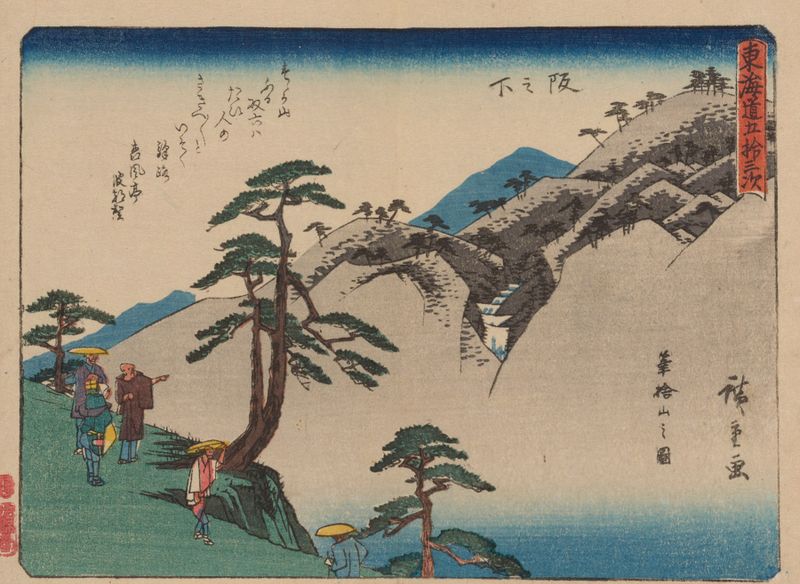
In a world defined by transient moments, art becomes both a witness and a keeper of our mortality. Look to the foreground, where pathways curve like the fleeting paths of life, inviting the viewer's gaze to wander into the vibrant yet serene landscape. The soft hues of green and blue stretch beneath a gentle sky, where wispy clouds float, hinting at the delicate interplay between life and the passage of time. Notice how the artist deftly contrasts the lushness of nature with the stark simplicity of human existence, revealing small figures traversing the scene, almost ephemeral, their presence a mere whisper against the grandeur of the world. The emotional weight of this piece lies in its ability to evoke nostalgia, a longing for moments that slip away like sand through fingers.
The juxtaposition of the vibrant flora and the distant mountains suggests both beauty and the inevitability of decline. Each stroke captures a fleeting moment, a reminder that while life is abundant, it is also transient. The subtle play of light and shadow deepens this tension, encapsulating the dual nature of existence: vibrant yet fragile. Created in 1831 during Japan's Edo period, this work reflects Utagawa Hiroshige's engagement with ukiyo-e, a movement that flourished in urban culture.
At this time, Hiroshige was beginning to establish his reputation, inspired by the landscapes and changing seasons of Japan. Amidst a world undergoing rapid transformation, his art became a refuge, encapsulating the delicate balance between the ephemeral beauty of life and the permanence of nature.
More Artworks by Utagawa Hiroshige
Browse all →
Sudden Shower over Shin Ohashi Bridge and Atake (Ohashi Atake no yudachi), from the series "One Hundred Famous Views of Edo (Meisho Edo hyakkei)"
Utagawa Hiroshige
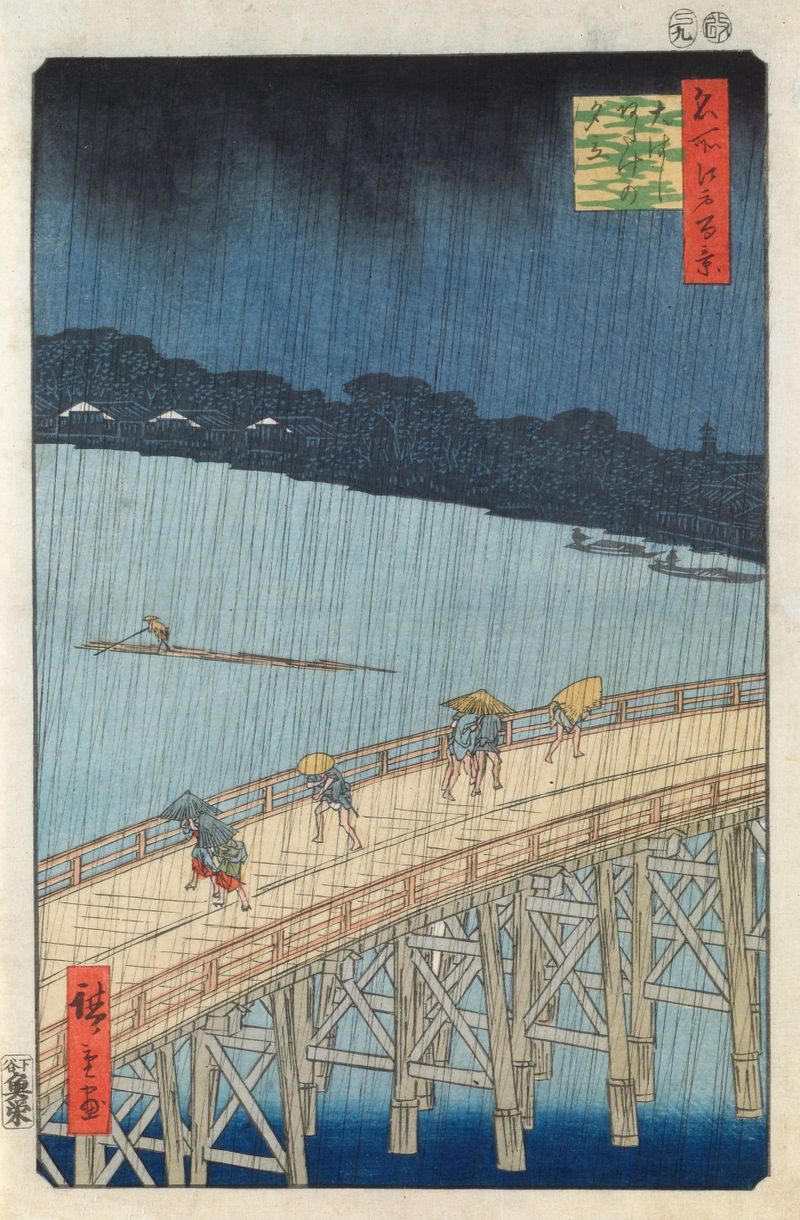
Sudden Shower Over Ohashi Bridge and Atake
Utagawa Hiroshige
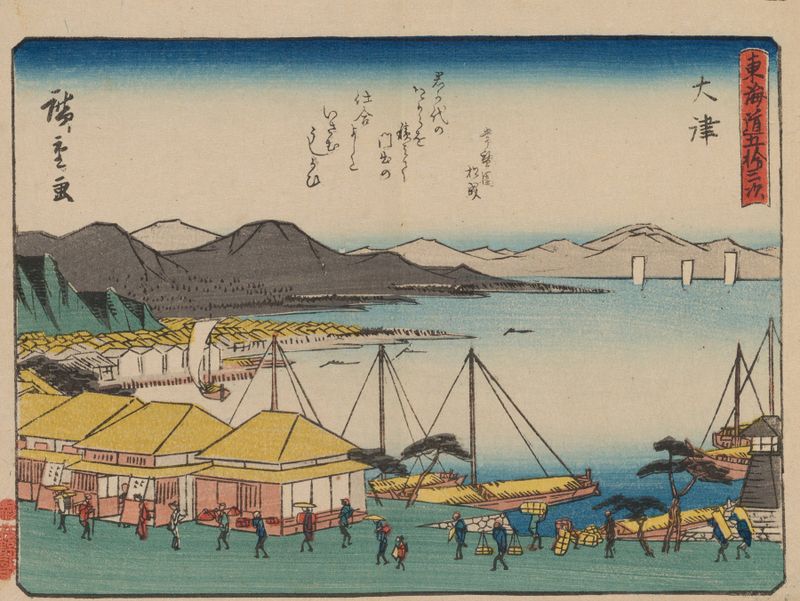
Tokaido gojusantsugi, Pl.54
Utagawa Hiroshige
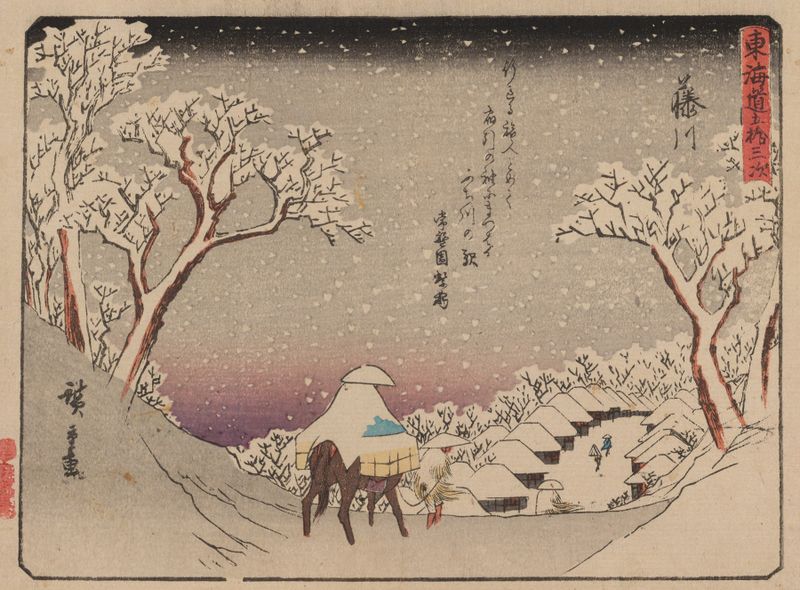
Tokaido gojusantsugi, Pl.38
Utagawa Hiroshige
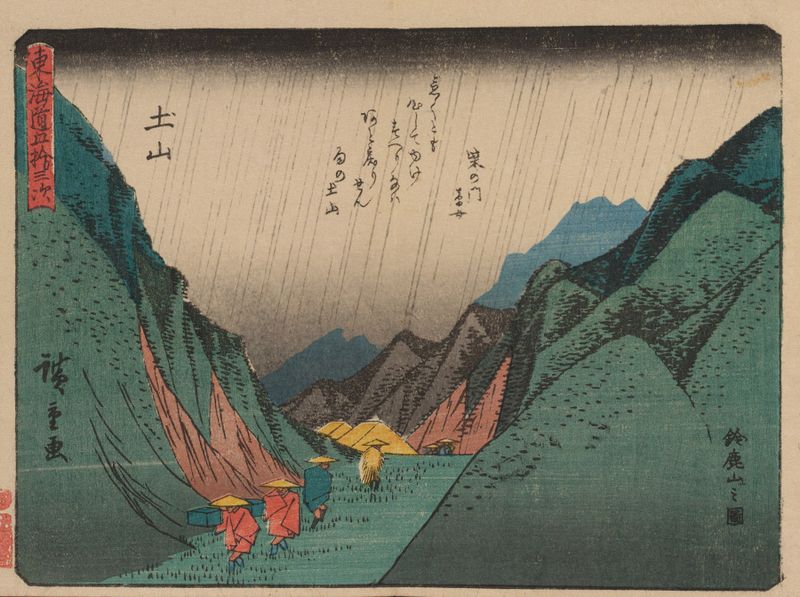
Tokaido gojusantsugi, Pl.50
Utagawa Hiroshige
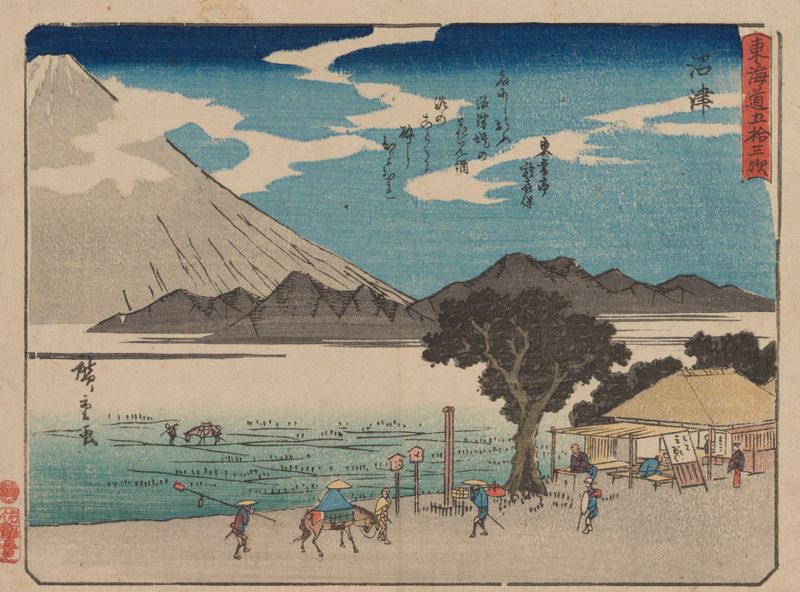
Tokaido gojusantsugi, Pl.13
Utagawa Hiroshige
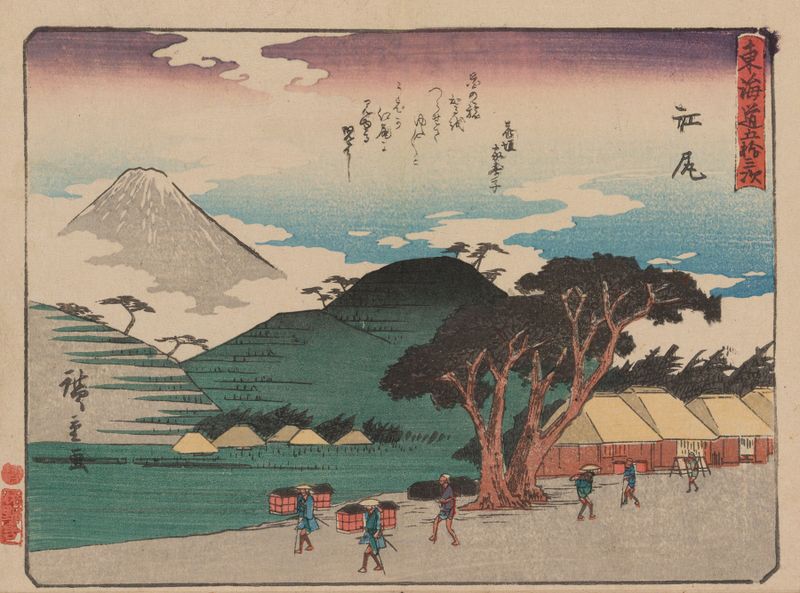
Tokaido gojusantsugi, Pl.19
Utagawa Hiroshige
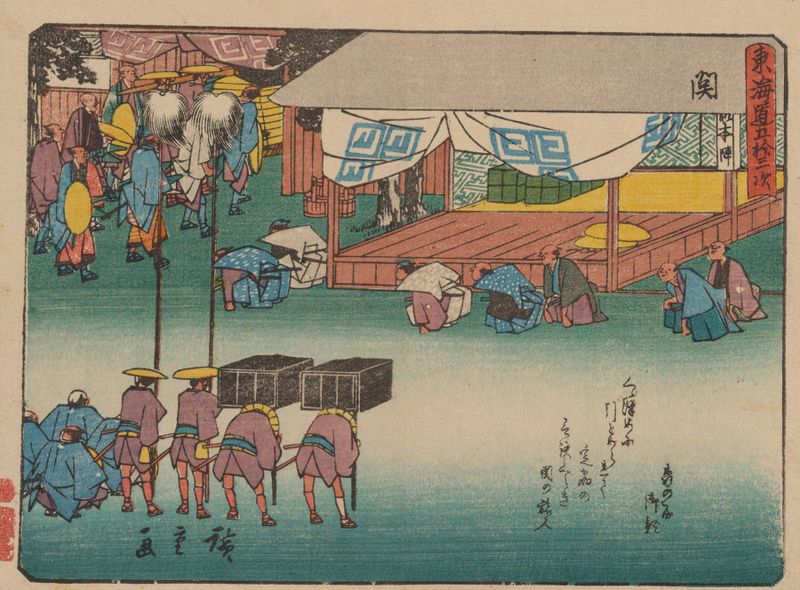
Tokaido gojusantsugi, Pl.48
Utagawa Hiroshige
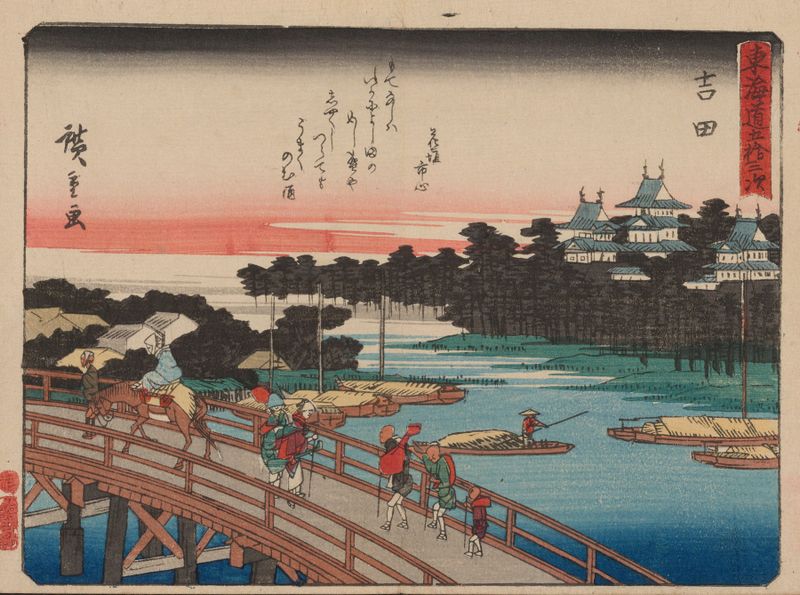
Tokaido gojusantsugi, Pl.35
Utagawa Hiroshige
Tokaido gojusantsugi, Pl.49
Utagawa Hiroshige





