
Fujikawa — History & Facts
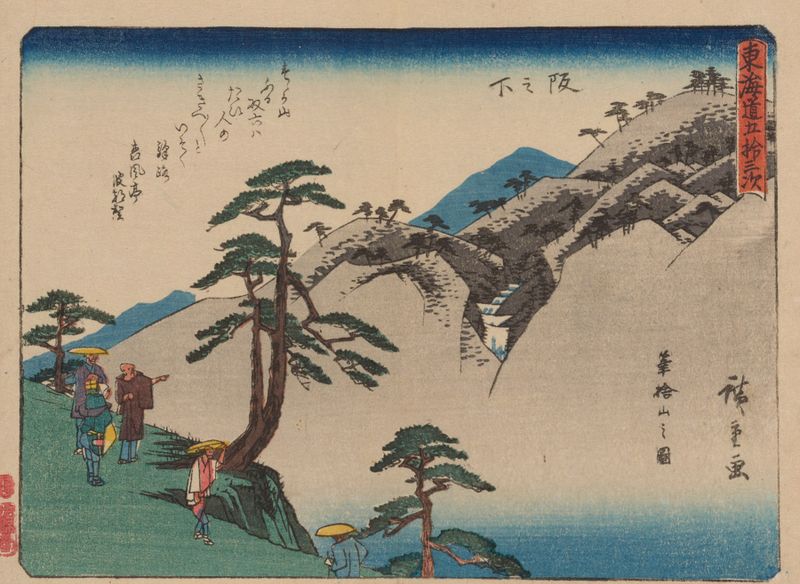
Did the painter know this moment would outlive them? In Fujikawa, the transient beauty of life and the weight of grief converge, depicting a serene yet melancholic scene that echoes through time. Focus on the flowing river at the center, where the gentle ripples mirror the soft hues of twilight. Notice how the brushwork captures the delicate interplay of sky and water, the warm tones of fading daylight blending seamlessly into the cool, encroaching dusk. The trees lining the riverbank are rendered with a meticulous detail that hints at both life and decay, their silhouettes casting elongated shadows that stretch toward the horizon. Hidden within the lush landscape is an emotional tension, a dialogue between the vibrant natural world and the ephemeral nature of existence.
The lone figure by the water—a symbol of solitude—evokes a profound sense of longing, perhaps for lost moments or loved ones departed. The image invites the viewer to reflect on their own experiences of loss, each ripple in the water a whisper of memories and unfulfilled dreams. Utagawa Hiroshige painted this piece in 1855, during a period of remarkable transformation in Japan, as the country was beginning to open to Western influences. The artist was deeply engaged with exploring the beauty of nature and the changing seasons, often infused with a sense of nostalgia.
He was at the peak of his career, yet the works from this time also reveal a deeper, personal connection to themes of change and loss, reflecting the artist's own life intertwined with the world around him.
More Artworks by Utagawa Hiroshige
Browse all →
Sudden Shower over Shin Ohashi Bridge and Atake (Ohashi Atake no yudachi), from the series "One Hundred Famous Views of Edo (Meisho Edo hyakkei)"
Utagawa Hiroshige
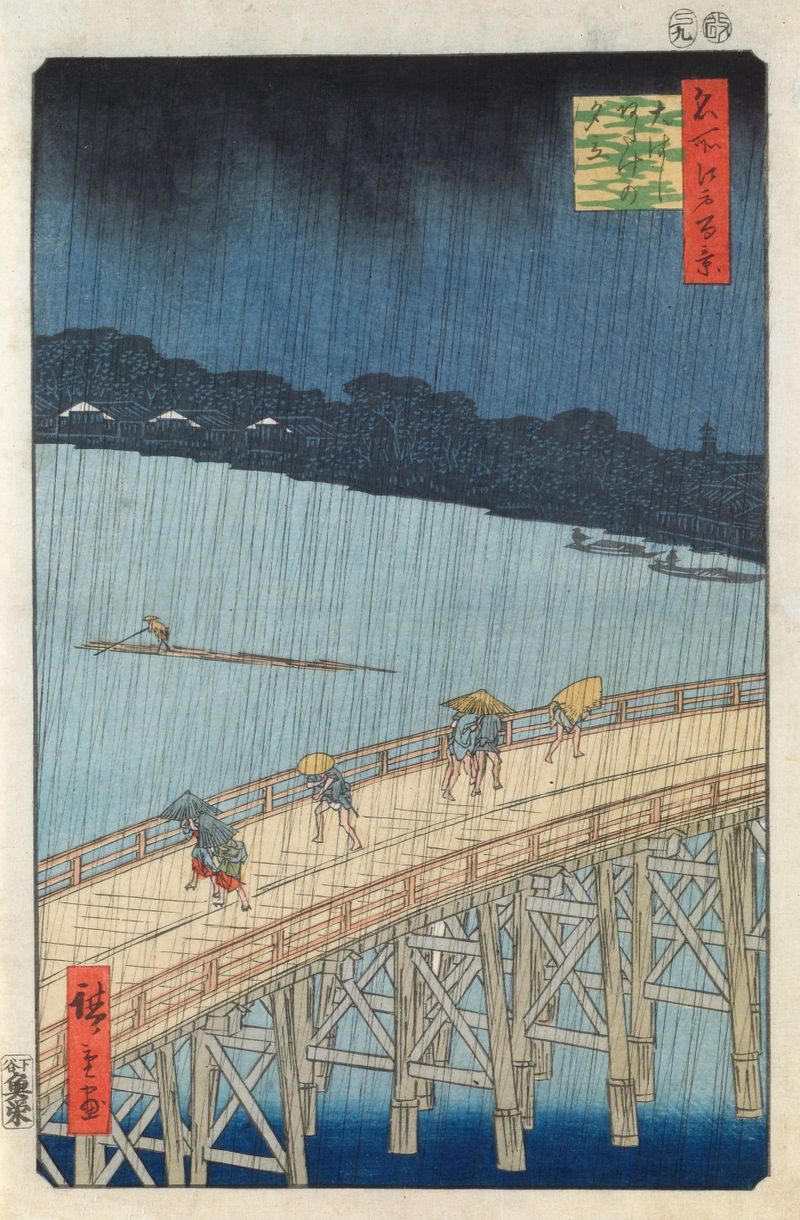
Sudden Shower Over Ohashi Bridge and Atake
Utagawa Hiroshige
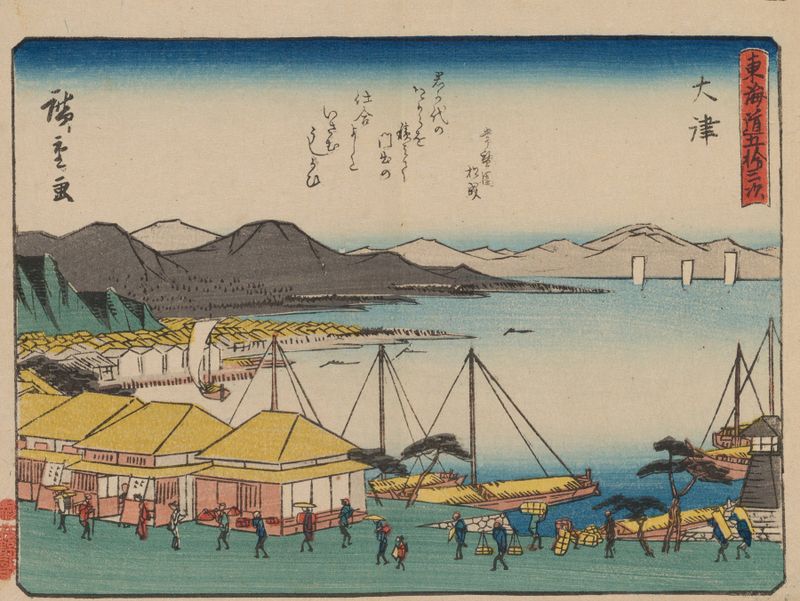
Tokaido gojusantsugi, Pl.54
Utagawa Hiroshige
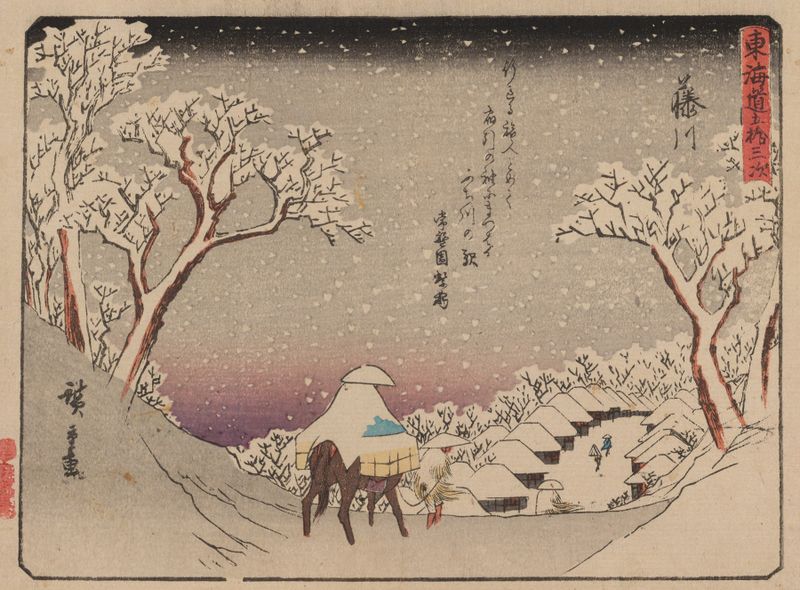
Tokaido gojusantsugi, Pl.38
Utagawa Hiroshige
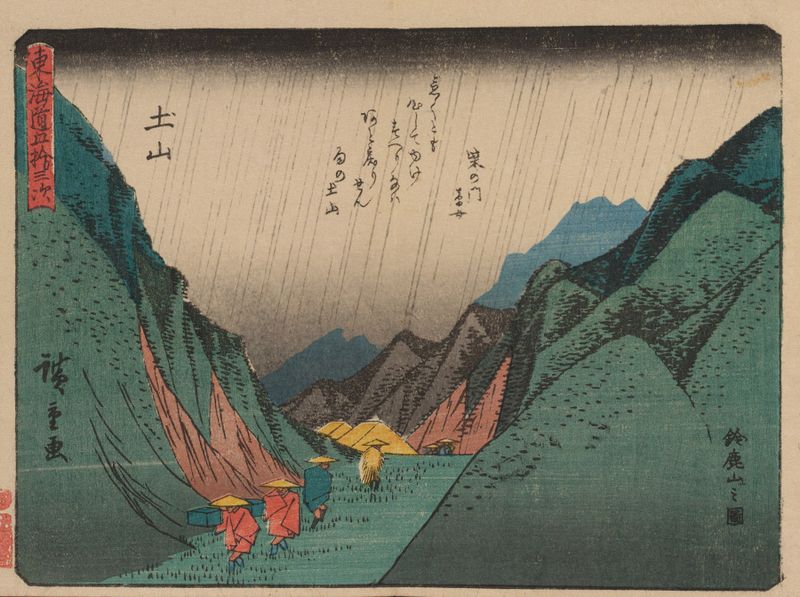
Tokaido gojusantsugi, Pl.50
Utagawa Hiroshige
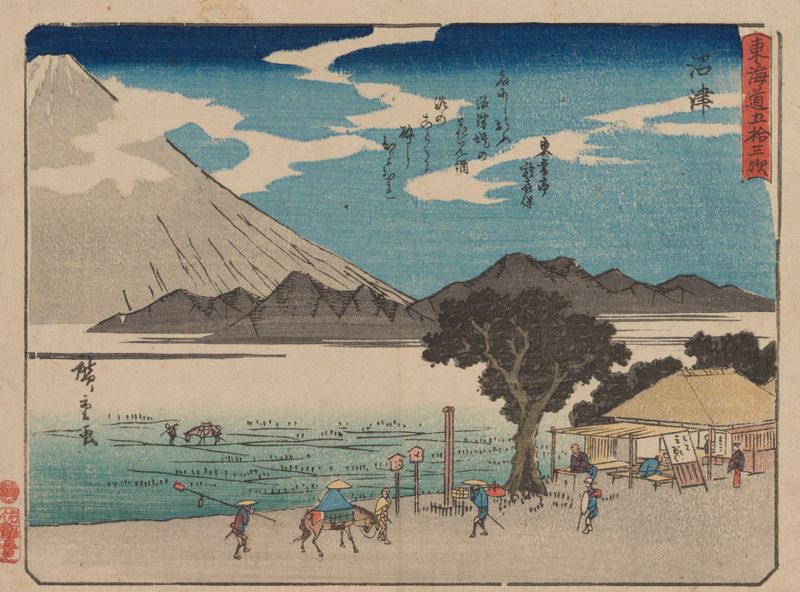
Tokaido gojusantsugi, Pl.13
Utagawa Hiroshige
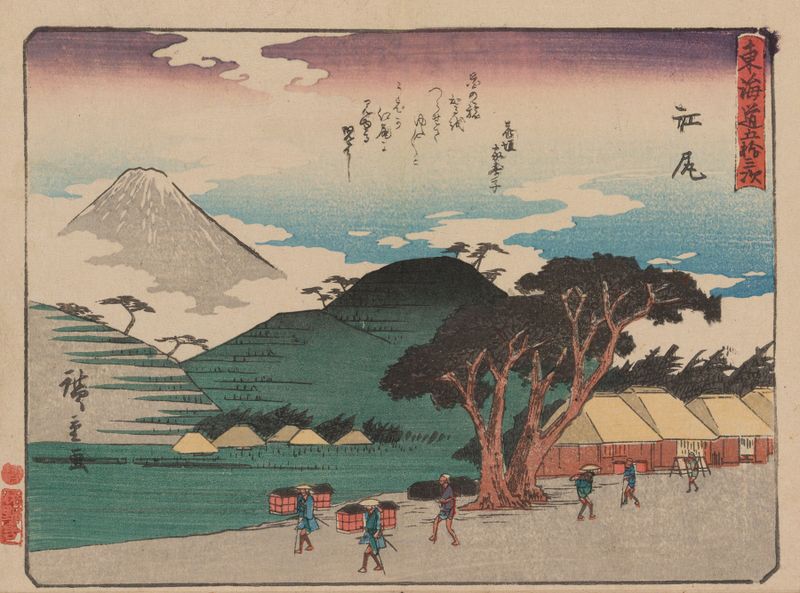
Tokaido gojusantsugi, Pl.19
Utagawa Hiroshige
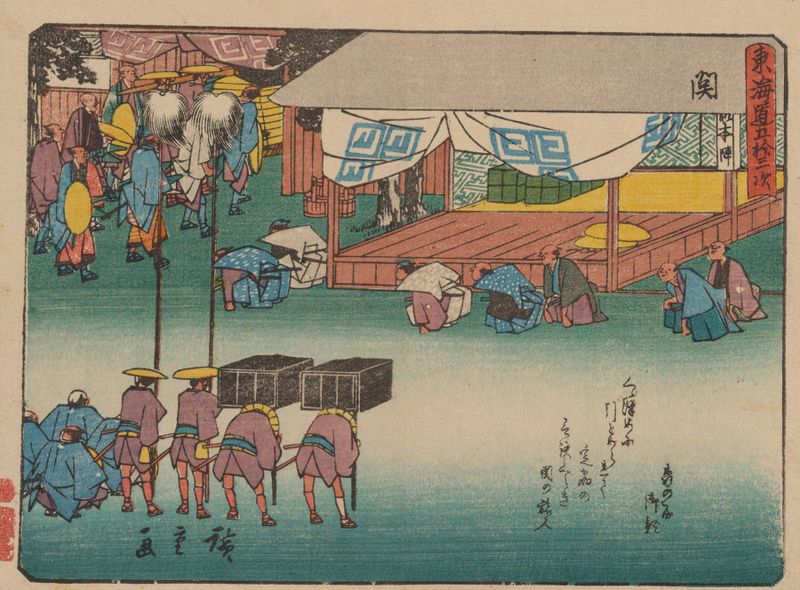
Tokaido gojusantsugi, Pl.48
Utagawa Hiroshige
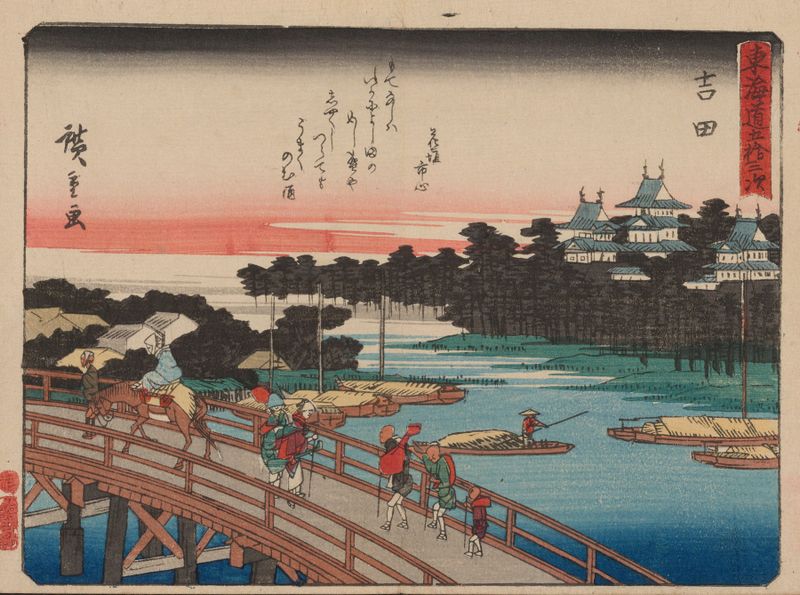
Tokaido gojusantsugi, Pl.35
Utagawa Hiroshige
Tokaido gojusantsugi, Pl.49
Utagawa Hiroshige





