
Fujikawa — History & Facts
In the delicate interplay of nature and art, rebirth unfolds through the transience of seasons. Look to the left at the soft hues of dawn washing over Mount Fuji, its iconic silhouette emerging as a guardian of the landscape. The radiant oranges and yellows contrast sharply with the deep blues of the river, guiding the viewer’s gaze toward a tranquil moment where water meets sky. Notice how the gentle waves ripple, almost inviting the eye along their path, while the finely detailed boats drift lazily, suggesting both the passage of time and a serene acceptance of life’s cycles.
Hiroshige’s mastery of color and composition creates a harmonious balance, evoking feelings of peace and reflection. Yet beneath this serene facade lies a poignant tension—the juxtaposition of nature’s beauty against the inevitable change that comes with time. The cherry blossoms in the foreground bloom vibrantly, symbolizing both the fleeting nature of life and the promise of renewal. Each blossom whispers stories of past experiences, echoing the transient yet cyclical nature of existence.
Here, amidst the calmness, one can sense an underlying pulse of life, reminding us that every ending births a new beginning. In the early 1840s, Hiroshige was immersed in the ukiyo-e tradition, creating iconic woodblock prints that captured the ephemeral beauty of landscapes and seasons. Living in Edo, now Tokyo, he was influenced by the flourishing art scene while also grappling with personal challenges. This period marked a significant evolution in his work, as he sought to convey deeper emotional connections through his depictions of nature, ultimately leading to a legacy that resonates with themes of nostalgia and continuity.
More Artworks by Utagawa Hiroshige
Browse all →
Sudden Shower over Shin Ohashi Bridge and Atake (Ohashi Atake no yudachi), from the series "One Hundred Famous Views of Edo (Meisho Edo hyakkei)"
Utagawa Hiroshige
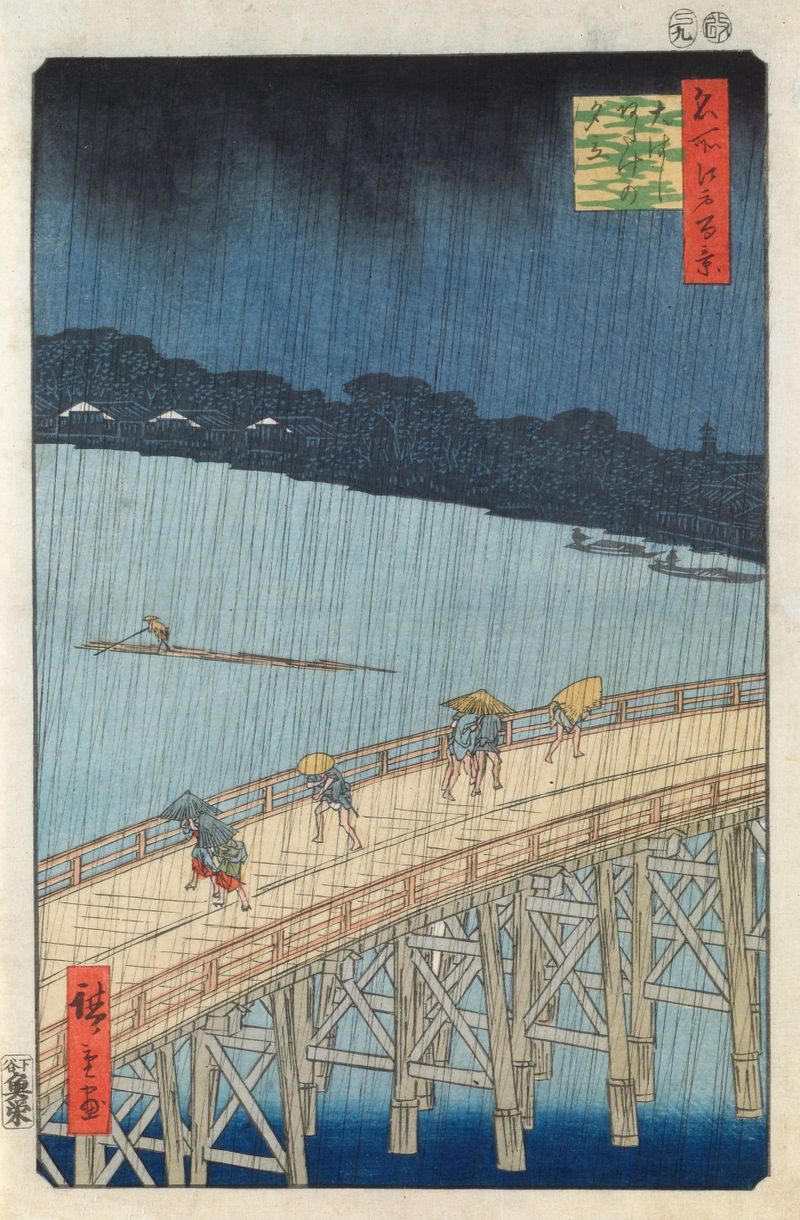
Sudden Shower Over Ohashi Bridge and Atake
Utagawa Hiroshige
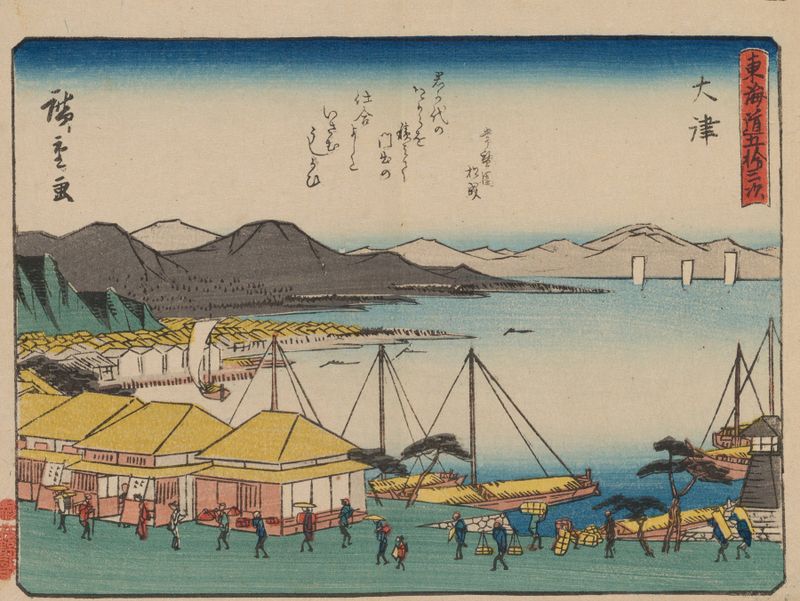
Tokaido gojusantsugi, Pl.54
Utagawa Hiroshige
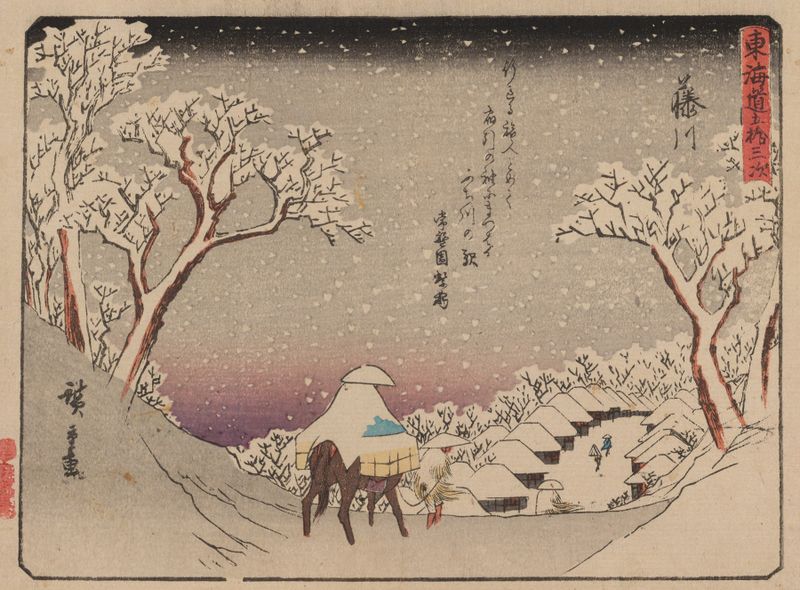
Tokaido gojusantsugi, Pl.38
Utagawa Hiroshige
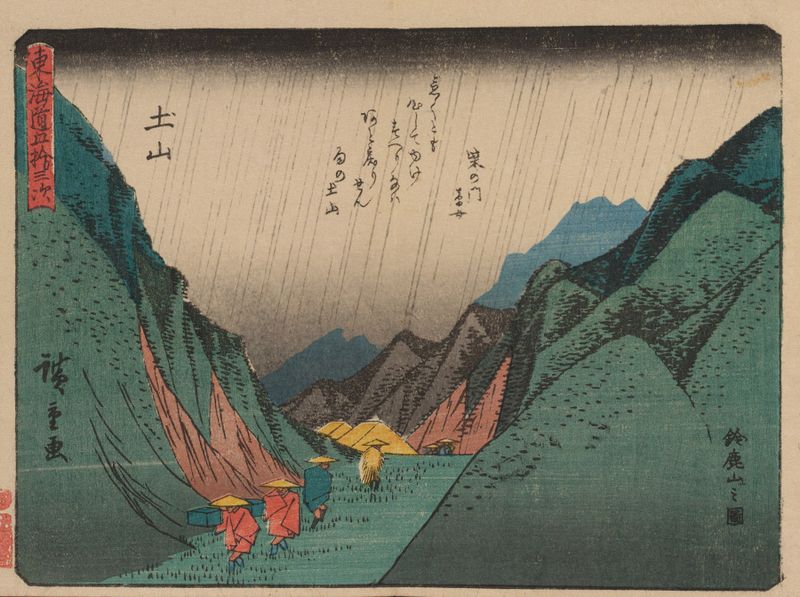
Tokaido gojusantsugi, Pl.50
Utagawa Hiroshige
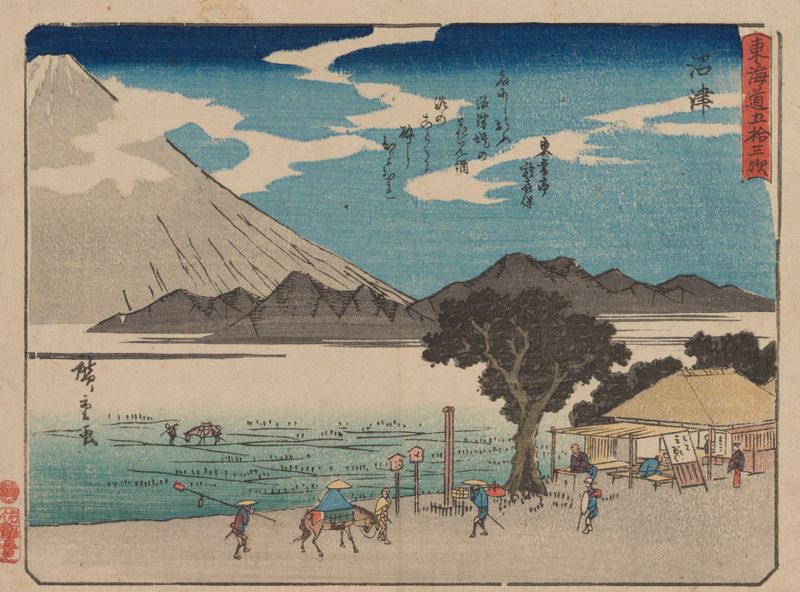
Tokaido gojusantsugi, Pl.13
Utagawa Hiroshige
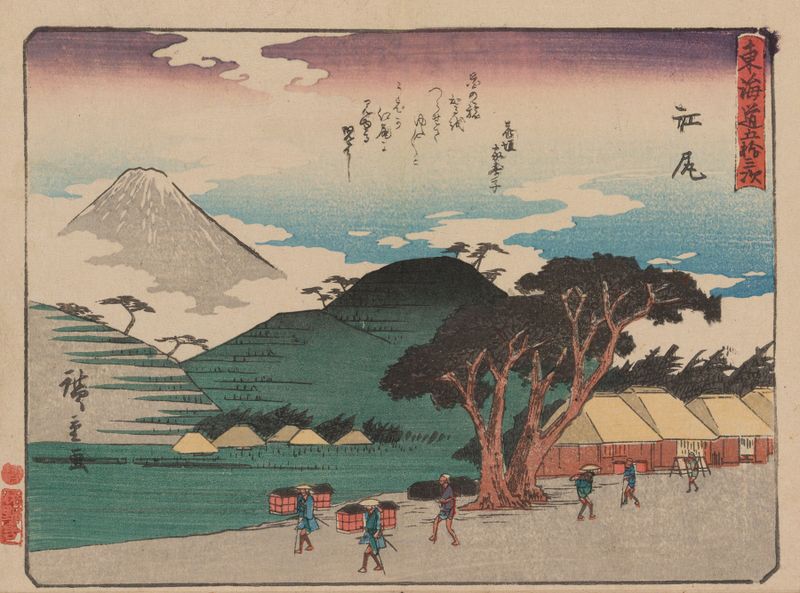
Tokaido gojusantsugi, Pl.19
Utagawa Hiroshige
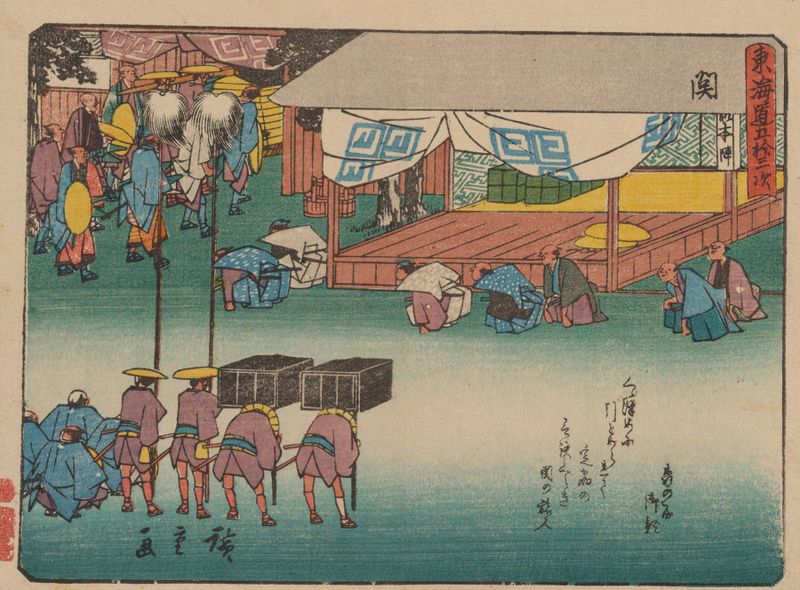
Tokaido gojusantsugi, Pl.48
Utagawa Hiroshige
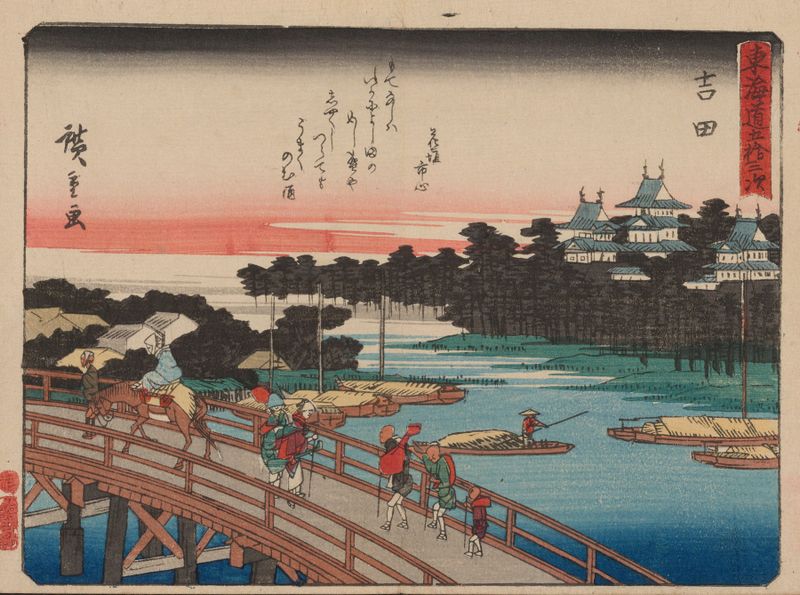
Tokaido gojusantsugi, Pl.35
Utagawa Hiroshige
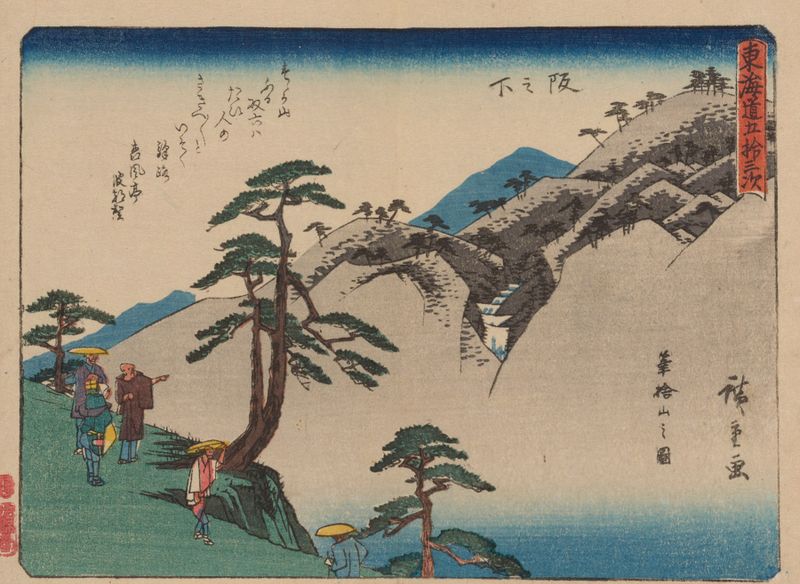
Tokaido gojusantsugi, Pl.49
Utagawa Hiroshige





