
Fujisawa — History & Facts
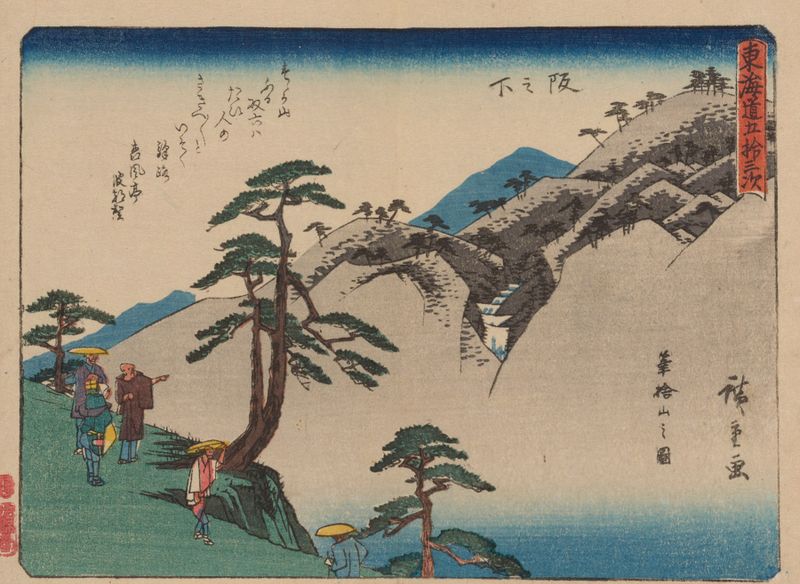
Could beauty survive in a century of chaos? Utagawa Hiroshige invites us to witness the delicate balance of nature against the tumult of time in Fujisawa, a serene portrayal that stands resilient amid change. Look to the left at the elegantly layered hills, their soft contours gently guiding the eye towards the placid water. Notice how the vibrant blues and greens contrast with the earthy browns, a masterful use of color that breathes life into the scene. The nuanced brushwork captures the essence of a tranquil moment, while the ethereal clouds floating above create a harmonious backdrop that suggests both peace and impending uncertainty. In the foreground, tiny figures traverse the landscape, each a reminder of the human experience in a world where nature thrives despite the backdrop of chaos.
The delicate balance of harmony and agitation is echoed in the undulating waves of the water, symbolizing the ever-present tension of life. These nuances reflect Hiroshige’s profound understanding of the transience of beauty, hinting at the fragility of existence within the grand tapestry of nature. Created in 1855, this work emerged during a time of significant transformation in Japan, both culturally and politically. The artist was influenced by the shifts brought on by the end of the Edo period, as Western ideas began to permeate traditional Japanese art.
Hiroshige's mastery of landscape printing during this era not only marked him as a pivotal figure in ukiyo-e but also captured a moment of beauty that transcended the chaos surrounding him.
More Artworks by Utagawa Hiroshige
Browse all →
Sudden Shower over Shin Ohashi Bridge and Atake (Ohashi Atake no yudachi), from the series "One Hundred Famous Views of Edo (Meisho Edo hyakkei)"
Utagawa Hiroshige
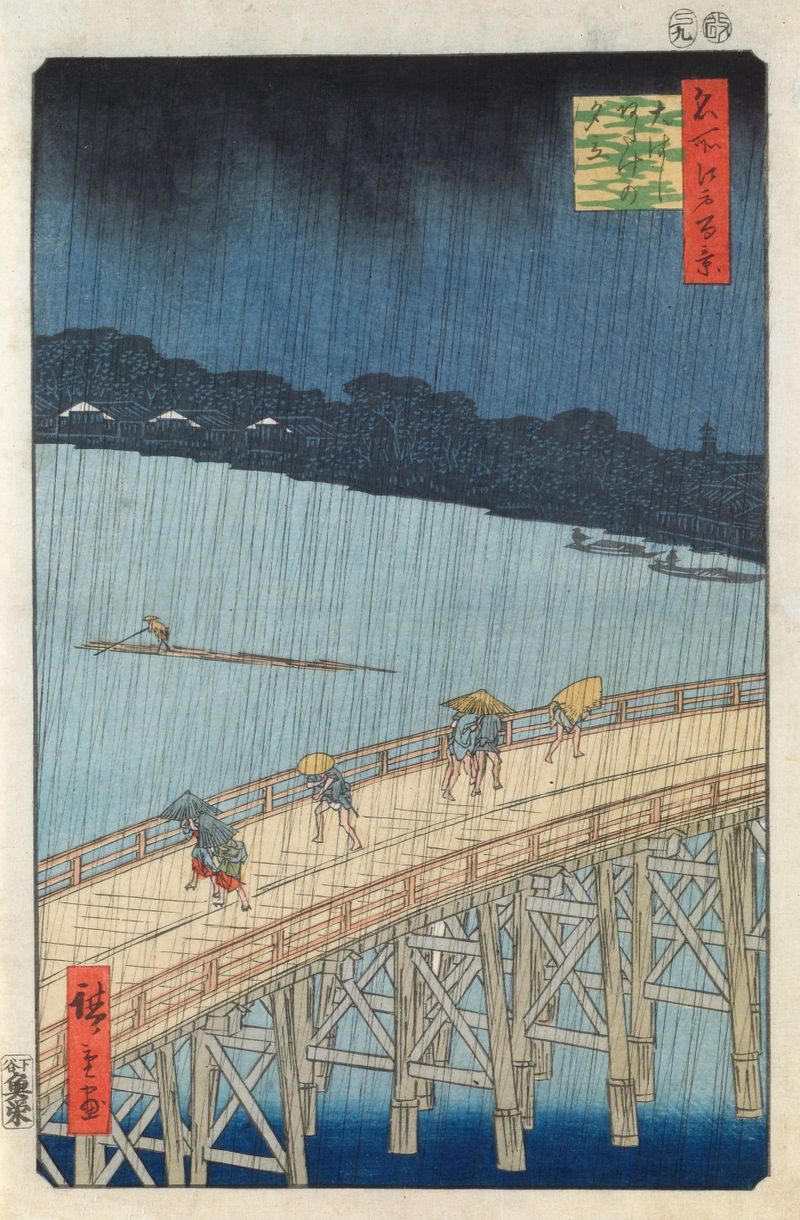
Sudden Shower Over Ohashi Bridge and Atake
Utagawa Hiroshige
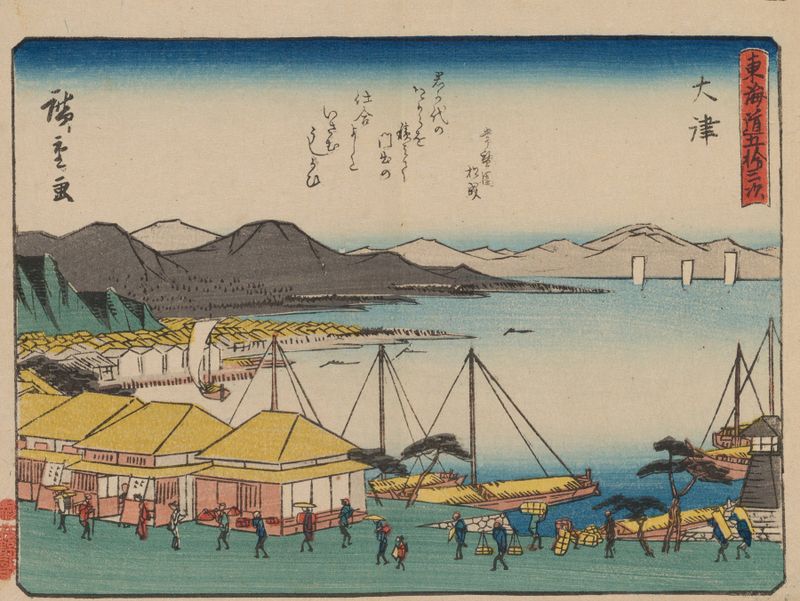
Tokaido gojusantsugi, Pl.54
Utagawa Hiroshige
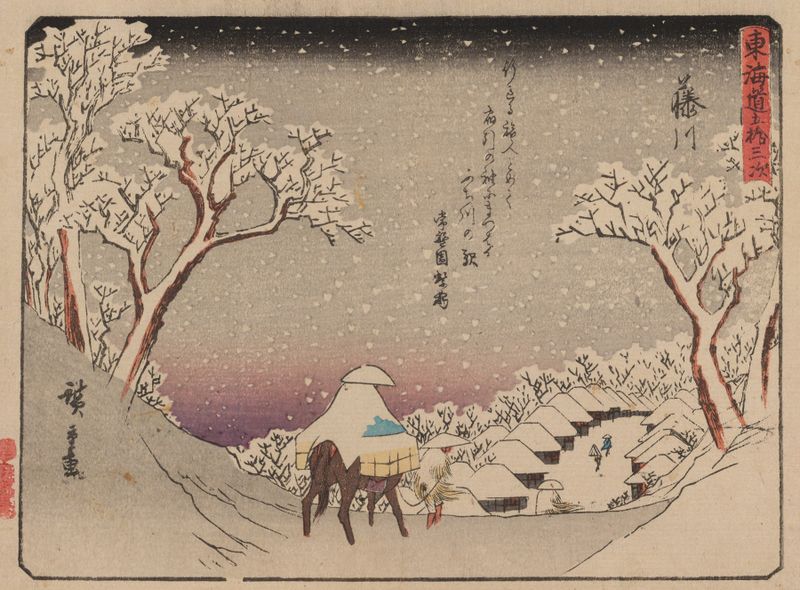
Tokaido gojusantsugi, Pl.38
Utagawa Hiroshige
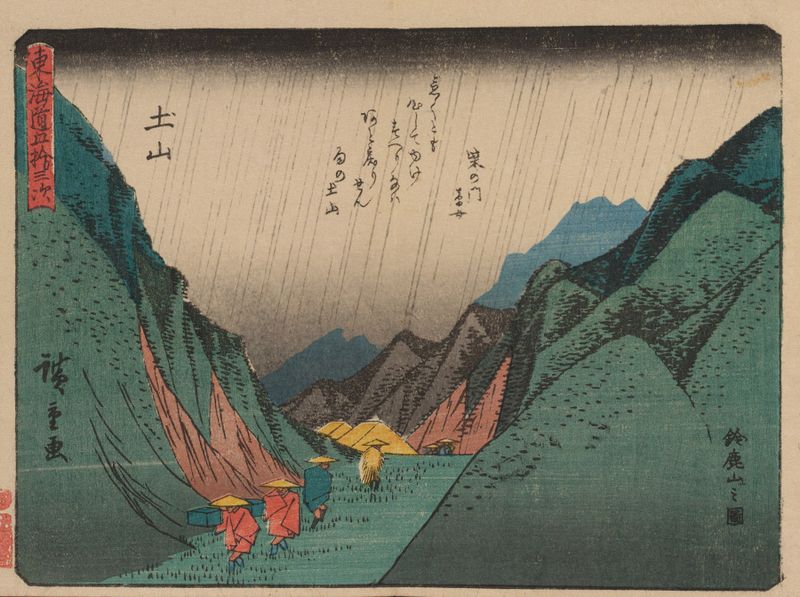
Tokaido gojusantsugi, Pl.50
Utagawa Hiroshige
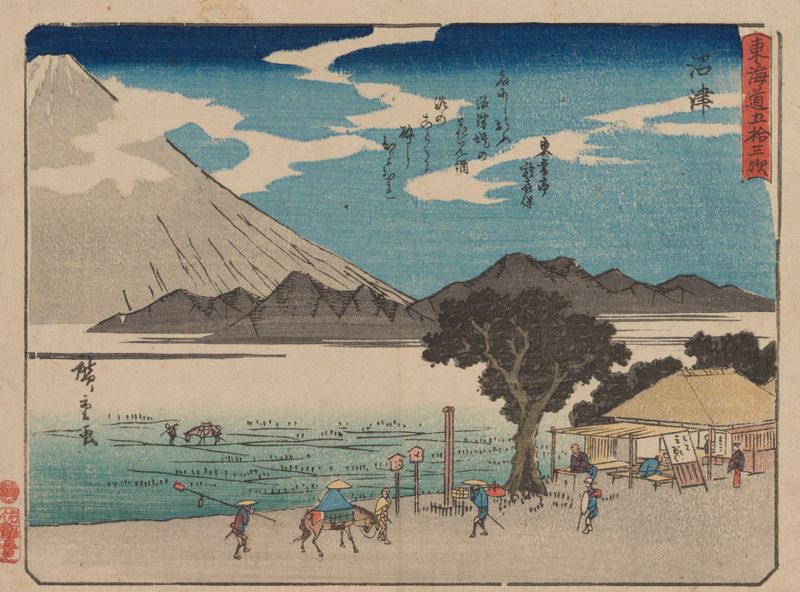
Tokaido gojusantsugi, Pl.13
Utagawa Hiroshige
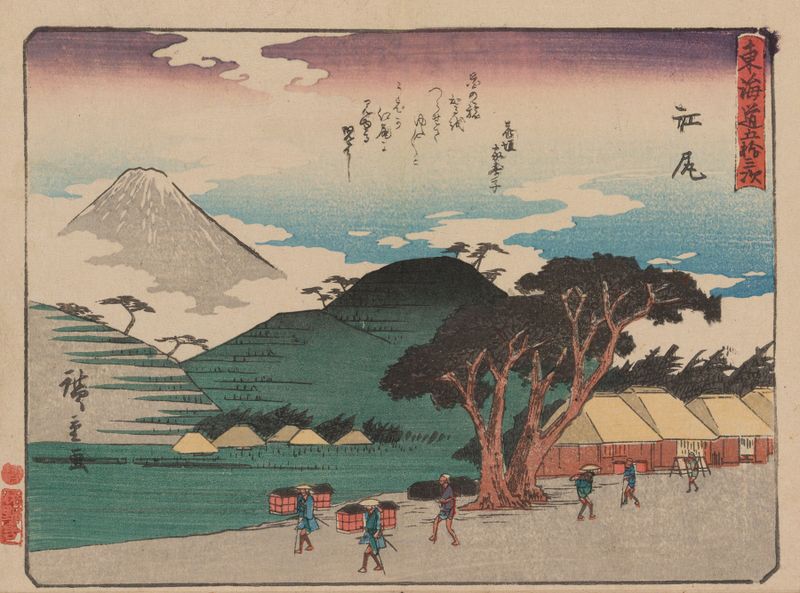
Tokaido gojusantsugi, Pl.19
Utagawa Hiroshige
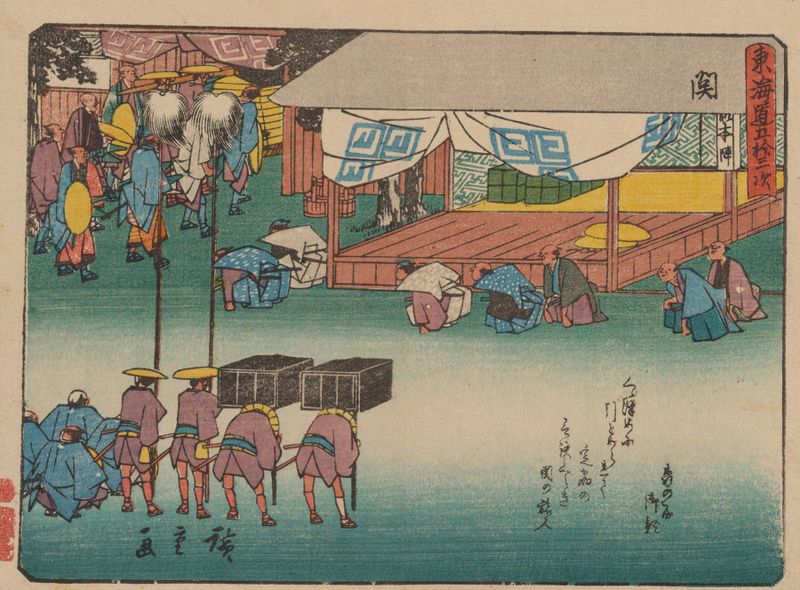
Tokaido gojusantsugi, Pl.48
Utagawa Hiroshige
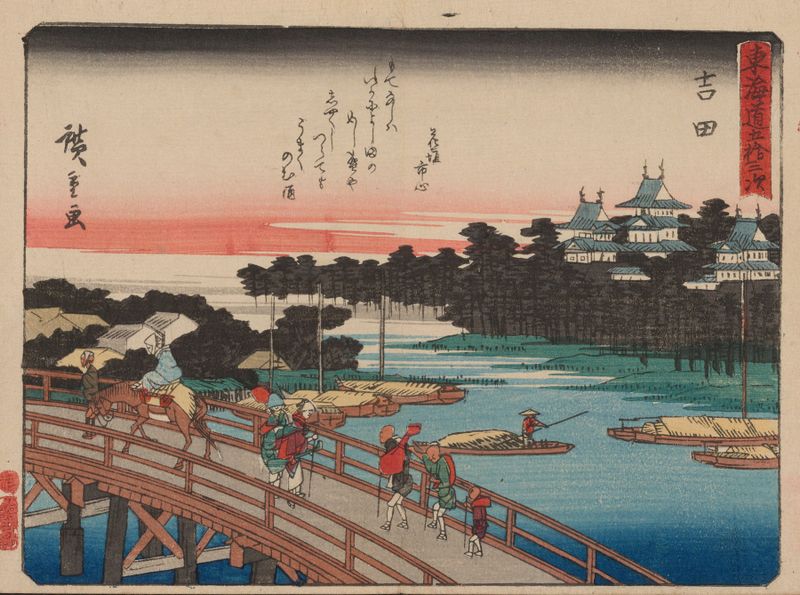
Tokaido gojusantsugi, Pl.35
Utagawa Hiroshige
Tokaido gojusantsugi, Pl.49
Utagawa Hiroshige





