
Fujisawa — History & Facts
When did color learn to lie? In the interplay of vibrant hues and shadowed expanses, the heart aches for the truths that linger just beyond the veil of perception. Look to the right at the gentle curve of the river, where delicate strokes echo the flowing water beneath a sky kissed by the sunset's embrace. The palette, a symphony of blues, pinks, and earthy tones, invites your eye to dance along the water's edge, capturing not just a landscape but an emotional resonance. Notice how the clouds capture the light, their soft contours creating a sense of depth, while the meticulously depicted figures in boats whisper stories of fleeting moments and unfulfilled dreams. Beneath the surface, contrasts emerge—the serene beauty of nature juxtaposed with the impermanence of human existence.
Each brushstroke serves as a reminder of loss, evoking a nostalgia for a time and place that is both present and vanished. The scene embodies a longing that is palpable; the vibrant colors may deceive, masking the sorrow that lingers within the tranquility. Utagawa Hiroshige created Fujisawa between 1841 and 1842, amidst the flourishing of ukiyo-e, a genre celebrating the fleeting beauty of the world. During this period, Japan was experiencing significant social and cultural shifts, with increased exposure to Western influences yet an enduring attachment to traditional aesthetics.
Hiroshige's work reflects this tension, as he navigated his own emotions through the vibrant yet ephemeral landscapes he portrayed, capturing not just a moment in time, but the essence of human longing within nature's grasp.
More Artworks by Utagawa Hiroshige
Browse all →
Sudden Shower over Shin Ohashi Bridge and Atake (Ohashi Atake no yudachi), from the series "One Hundred Famous Views of Edo (Meisho Edo hyakkei)"
Utagawa Hiroshige
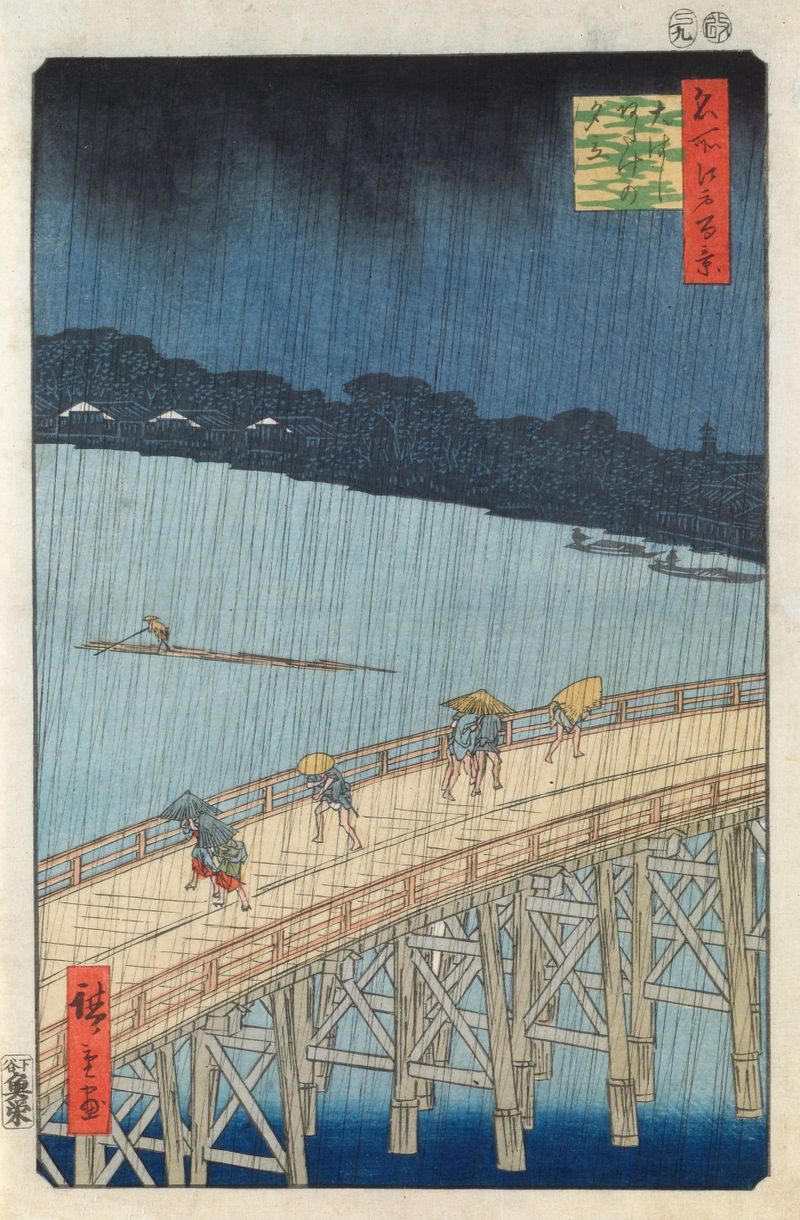
Sudden Shower Over Ohashi Bridge and Atake
Utagawa Hiroshige
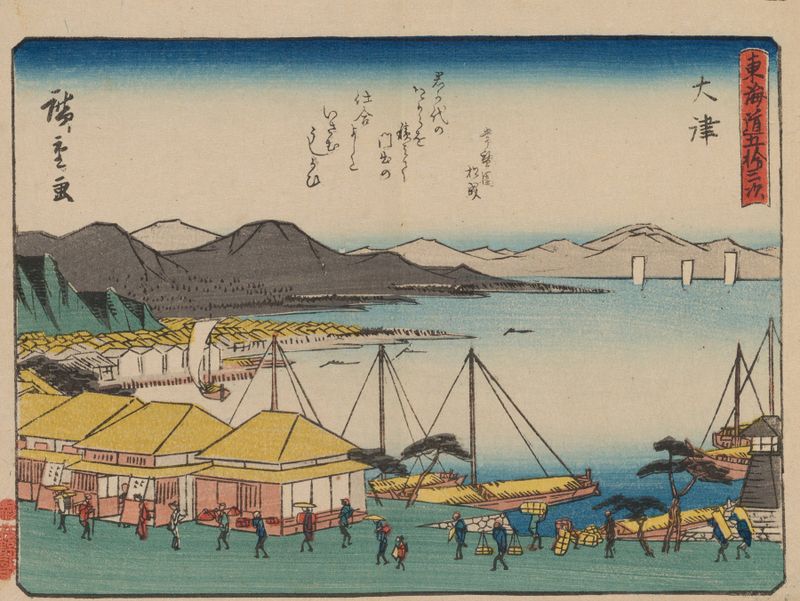
Tokaido gojusantsugi, Pl.54
Utagawa Hiroshige
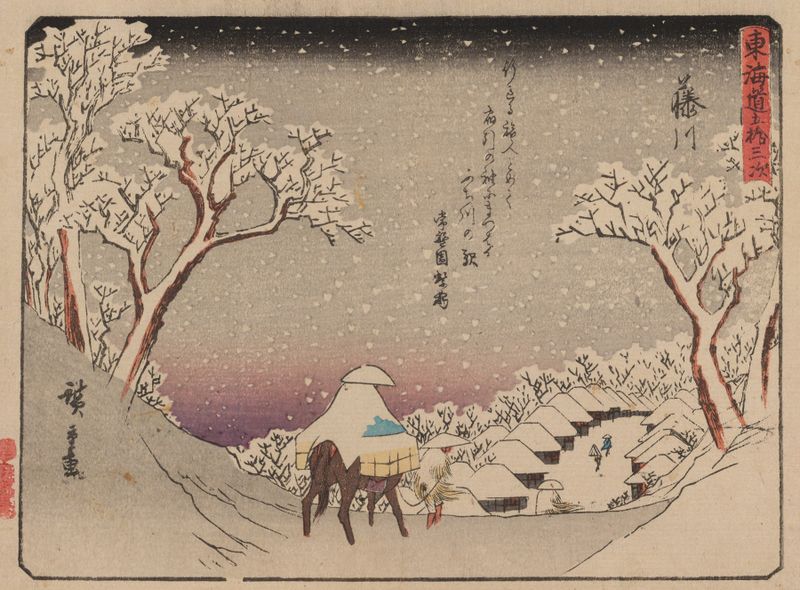
Tokaido gojusantsugi, Pl.38
Utagawa Hiroshige
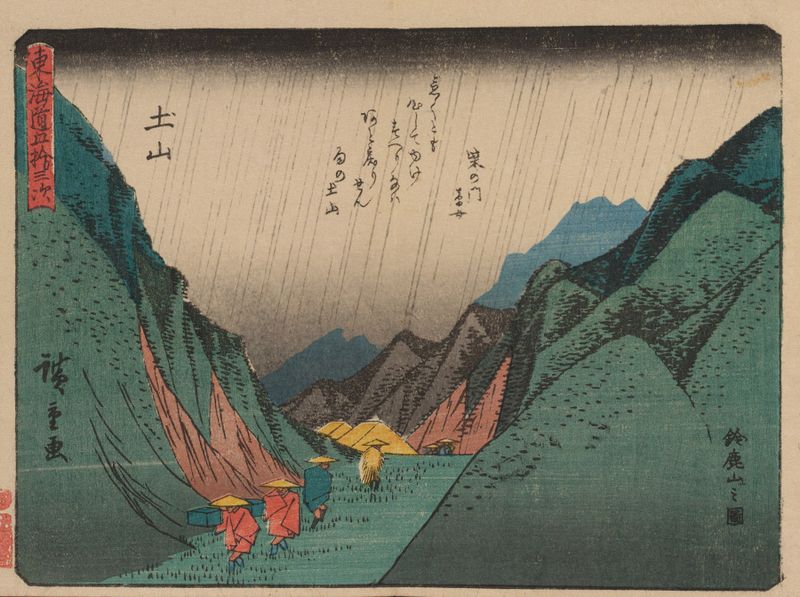
Tokaido gojusantsugi, Pl.50
Utagawa Hiroshige
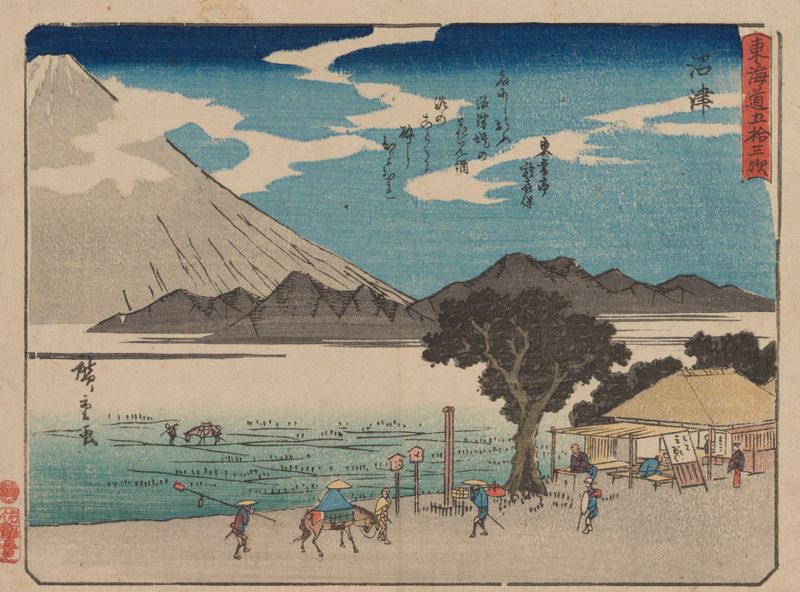
Tokaido gojusantsugi, Pl.13
Utagawa Hiroshige
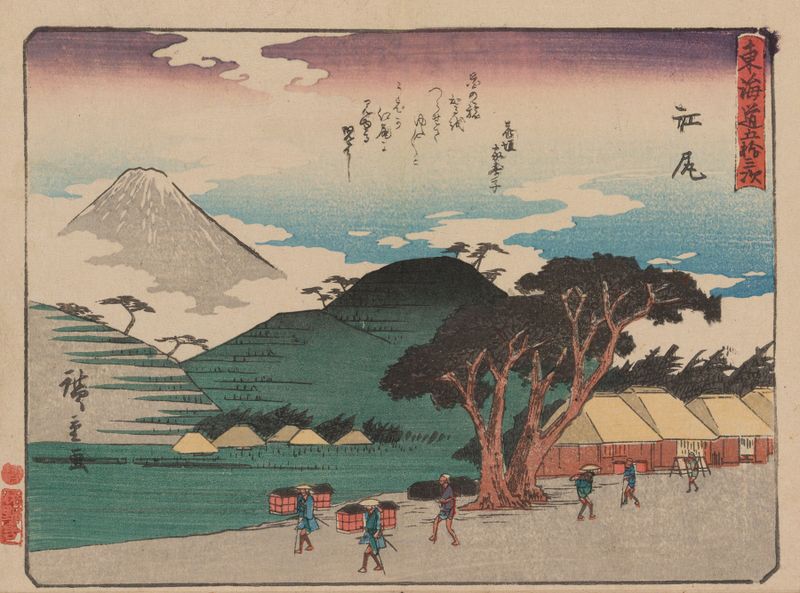
Tokaido gojusantsugi, Pl.19
Utagawa Hiroshige
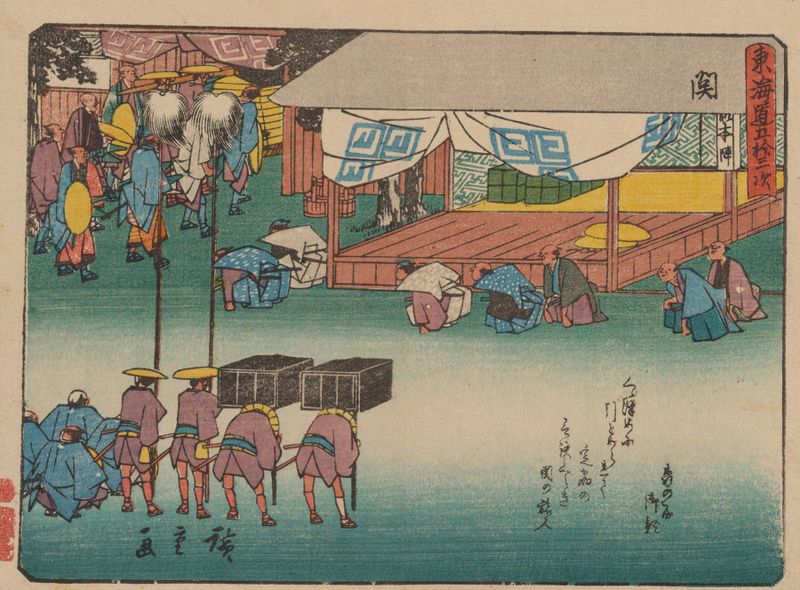
Tokaido gojusantsugi, Pl.48
Utagawa Hiroshige
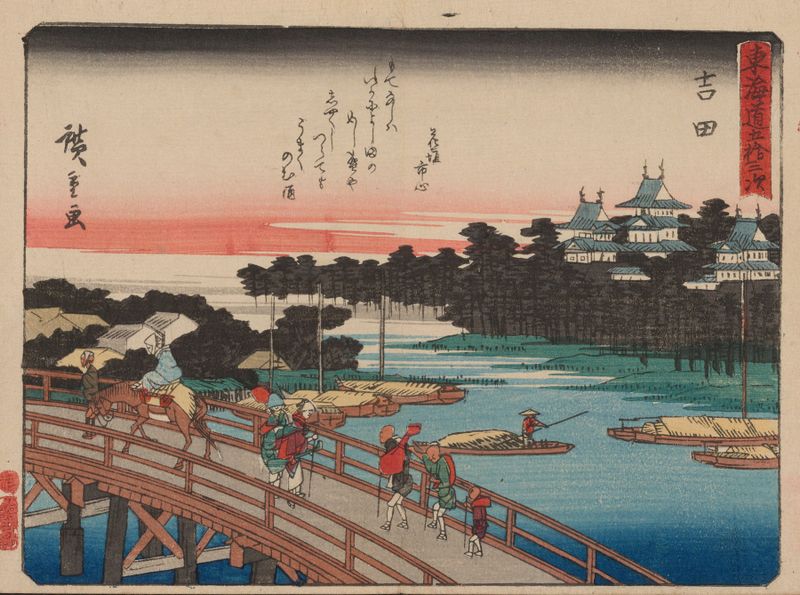
Tokaido gojusantsugi, Pl.35
Utagawa Hiroshige
Tokaido gojusantsugi, Pl.49
Utagawa Hiroshige





