
Fury Of Roland — History & Facts
In Fury of Roland, Charles-Antoine Coypel captures a dramatic moment filled with intense colors. The painting features a central figure, Roland, surrounded by chaos and turmoil. The use of reds and golds enhances the emotional weight of the scene.
The background suggests a battlefield, contributing to the overall sense of conflict. The painting is executed in oil on canvas, a common medium for the Rococo period. Coypel's brushwork is fluid, allowing for a dynamic representation of movement and emotion. The figures are rendered with attention to detail, showcasing the artist's skill in depicting the human form.
The composition draws the viewer's eye towards the central action, emphasizing the narrative. Charles-Antoine Coypel was a prominent French painter of the 18th century, known for his historical and mythological subjects. Fury of Roland is inspired by the epic poem 'The Song of Roland', which recounts the heroism of its titular character. This work reflects the Rococo style's emphasis on drama and emotion.
Interestingly, Coypel was also involved in theater, which influenced his dynamic compositions.
More Artworks by Charles-Antoine Coypel

The Daughter of Jephthah
Charles-Antoine Coypel
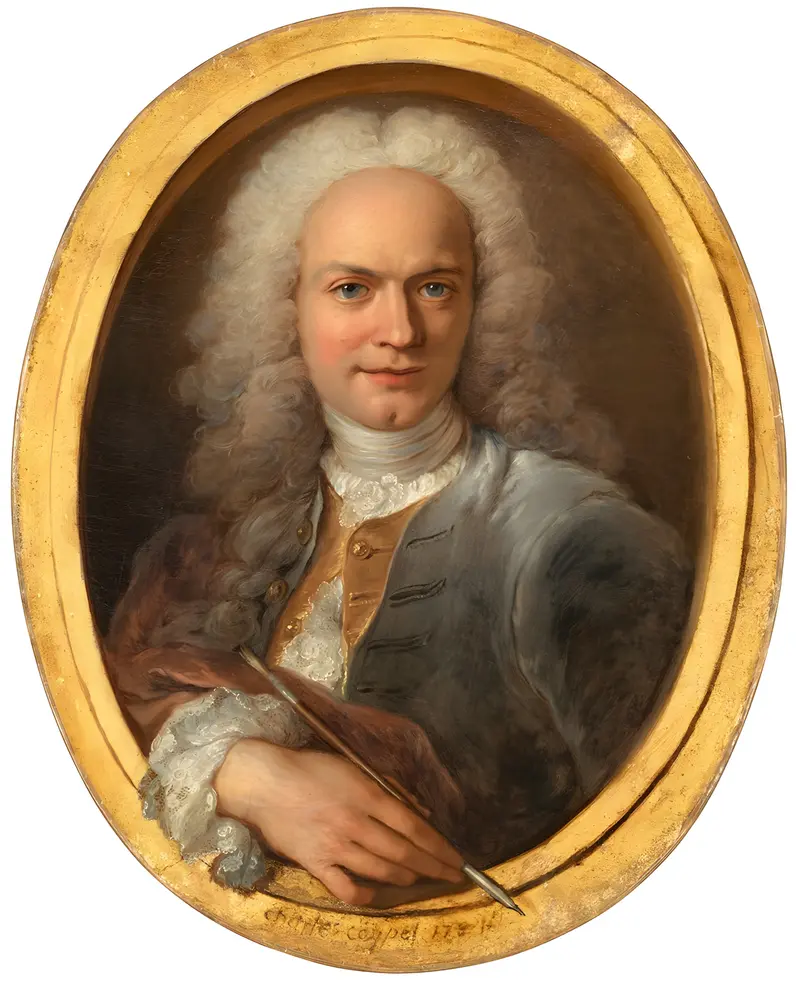
Portrait of a man in a painted frame
Charles-Antoine Coypel
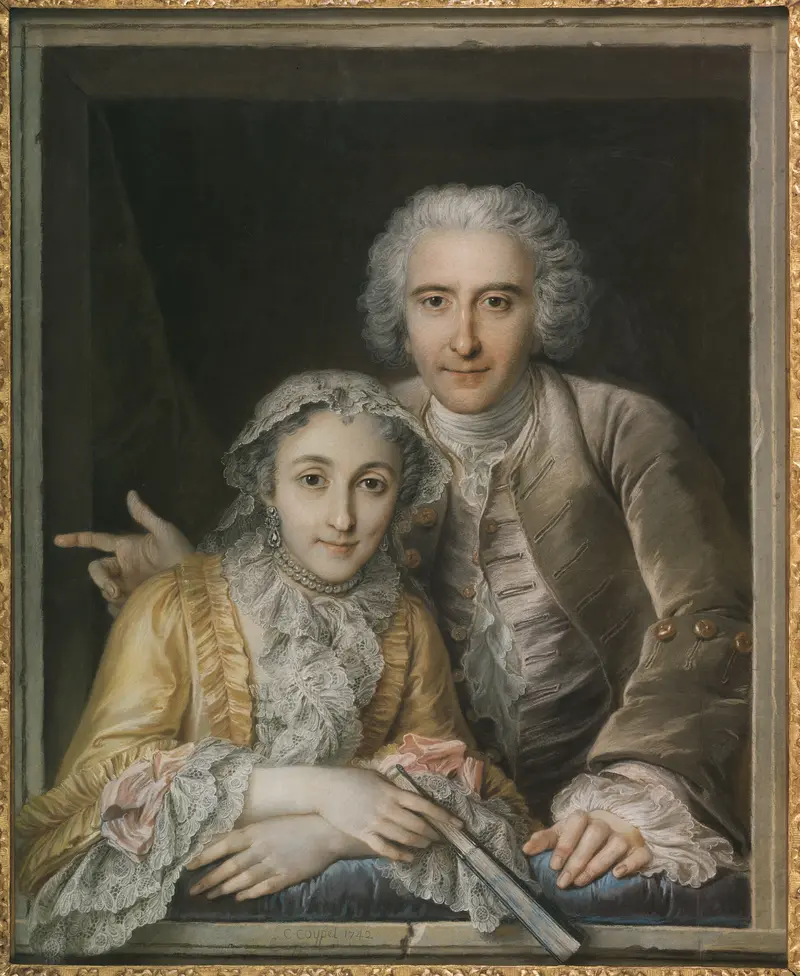
Portrait of Philippe Coypel and His Wife
Charles-Antoine Coypel

Sorrowful Democritus
Charles-Antoine Coypel
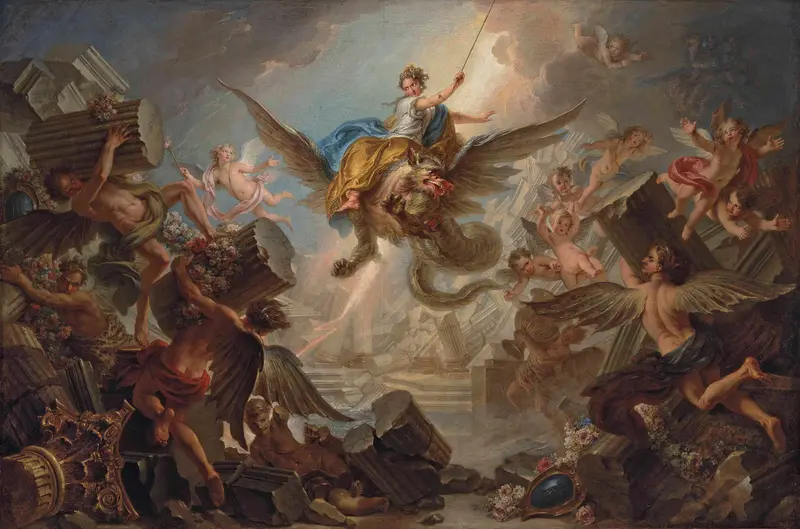
The Destruction Of The Palace Of Armida
Charles-Antoine Coypel
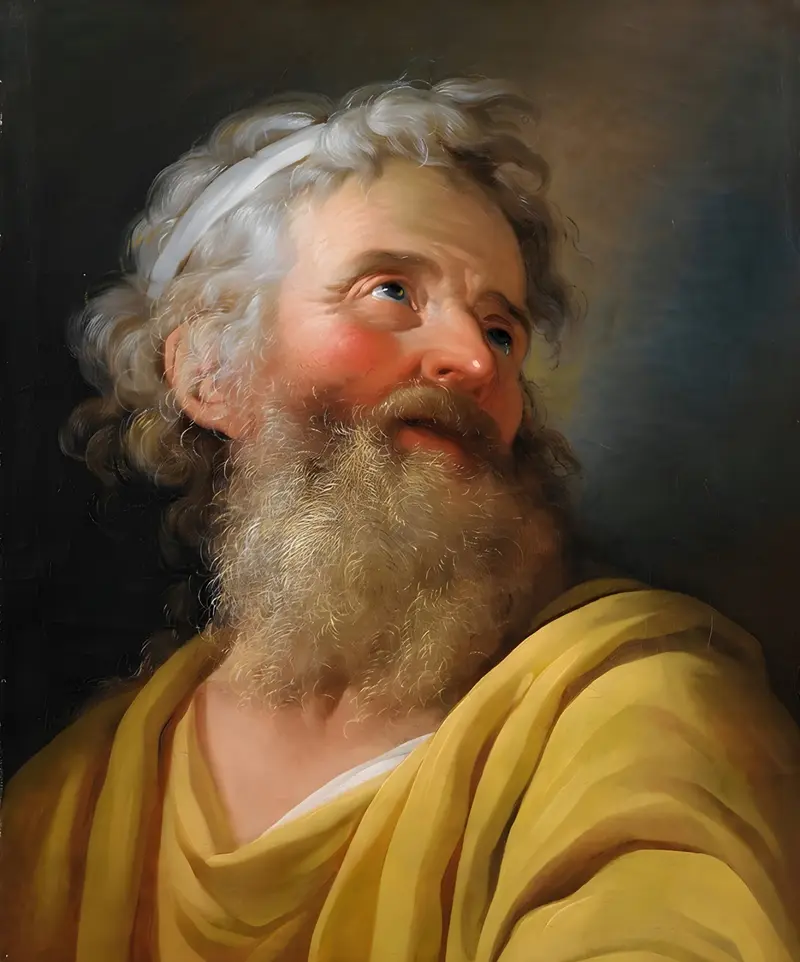
Portrait of an actor
Charles-Antoine Coypel
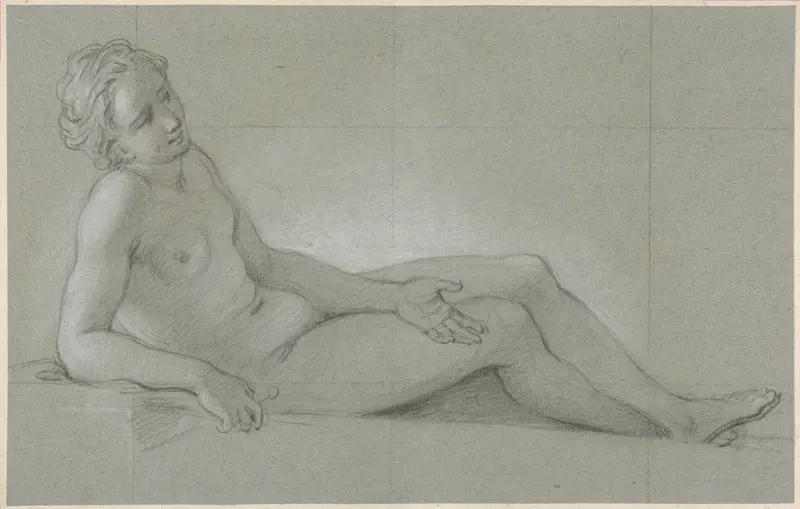
Study of a Reclining Female Nude
Charles-Antoine Coypel
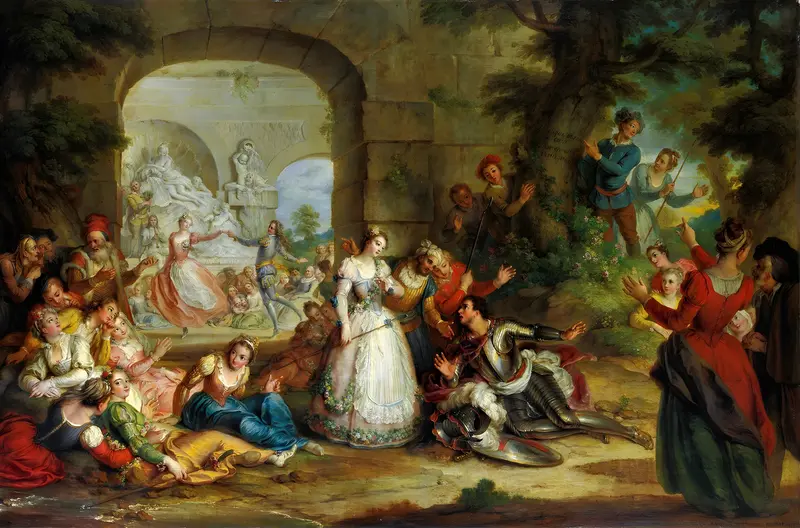
Roland And The Marriage Of Angelique
Charles-Antoine Coypel
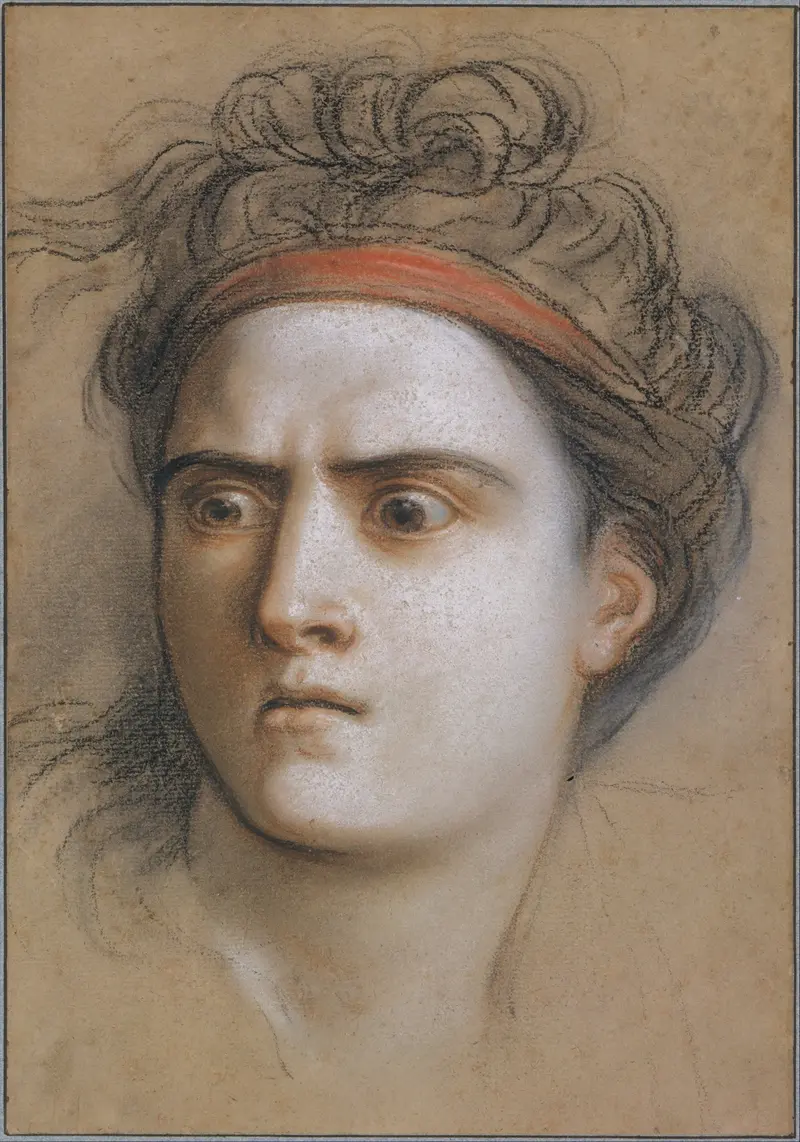
Medea
Charles-Antoine Coypel
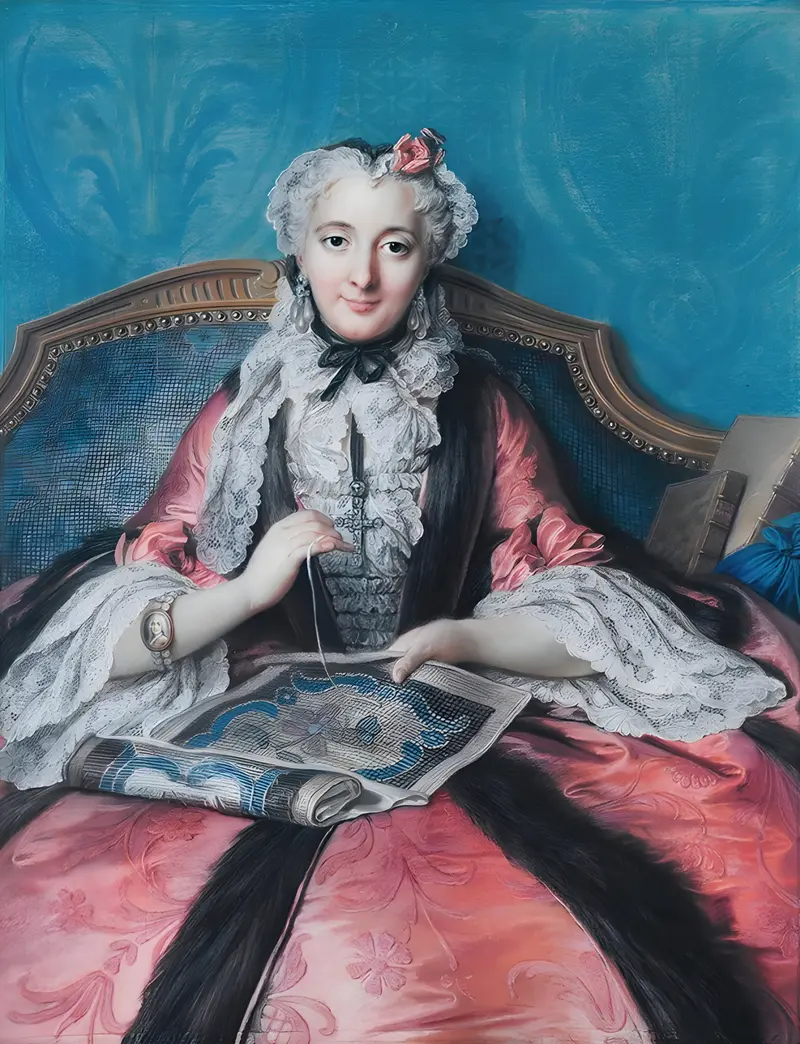
Portrait of a woman sewing
Charles-Antoine Coypel





