
G. Closs – The New Axen Road, Bay of Uri, Lake of Lucerne — History & Facts
As the viewer gazes over the tranquil waters of Lake Lucerne, shadows of loss linger in the vibrant landscape painted in 1881. The beauty of nature holds a melancholy weight, whispering of moments gone by, inviting us to reflect on the fragility of existence. Look to the left at the towering mountains, their rugged peaks kissed lightly by soft clouds, creating a breathtaking backdrop. The gentle gradient of blues and greens captures the serene water's surface, while hints of sunlight glint off the lake, encouraging the eye to traverse its reflective journey.
The delicate brushwork reveals the artist's mastery; each stroke dances between impressionism and realism, drawing us into a world both idyllic yet steeped in an undercurrent of somber recollection. As you delve deeper, notice the contrasting elements in the painting—the serenity of the water against the imposing mountains creates a tension that mirrors the struggles of life. The careful rendering of foliage in the foreground suggests growth, while the distant peaks hint at solitude. This interplay invites contemplation about the past and the inherent losses we carry, as if the landscape itself mourns what once was. Theodor Gsell Fels created this work during a time of personal reflection, having returned to Switzerland after years abroad.
In the late 19th century, as the art world was shifting towards modernism, Fels sought to preserve the beauty of his homeland, infusing it with a sense of nostalgia and introspection. His connection to the Bay of Uri, rich with personal and historical significance, gives the painting a profound resonance, encapsulating a bygone era while speaking to the universal theme of loss.
More Artworks by Theodor Gsell Fels
Browse all →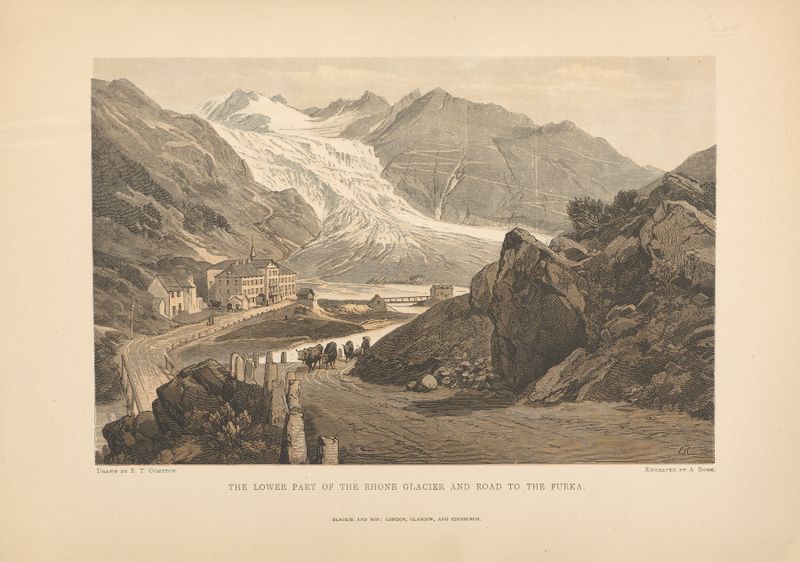
E. T. Compton – The Lower Part of the Rhone Glacier and Road to Furka
Theodor Gsell Fels

G. Closs – The Devil’s Bridge—St. Gothard Road, Schóllenen Gorge
Theodor Gsell Fels
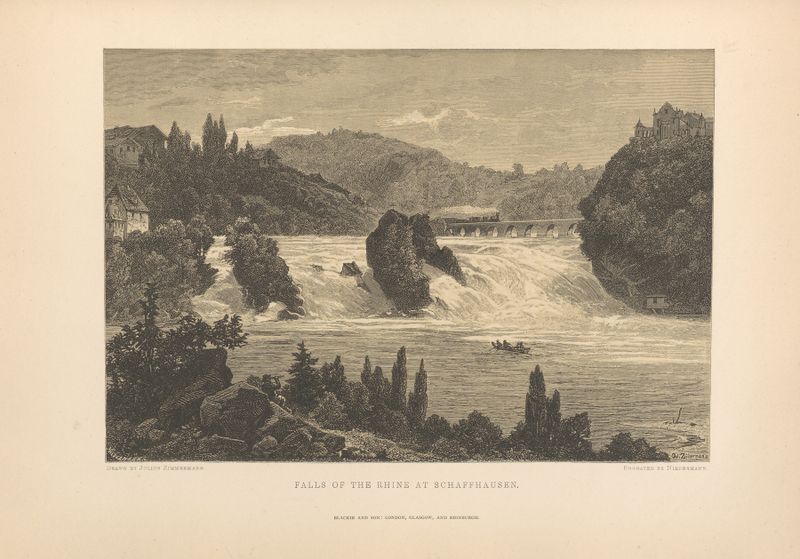
Julius Zimmermann – Falls of the Rhine at Schaffhausen
Theodor Gsell Fels
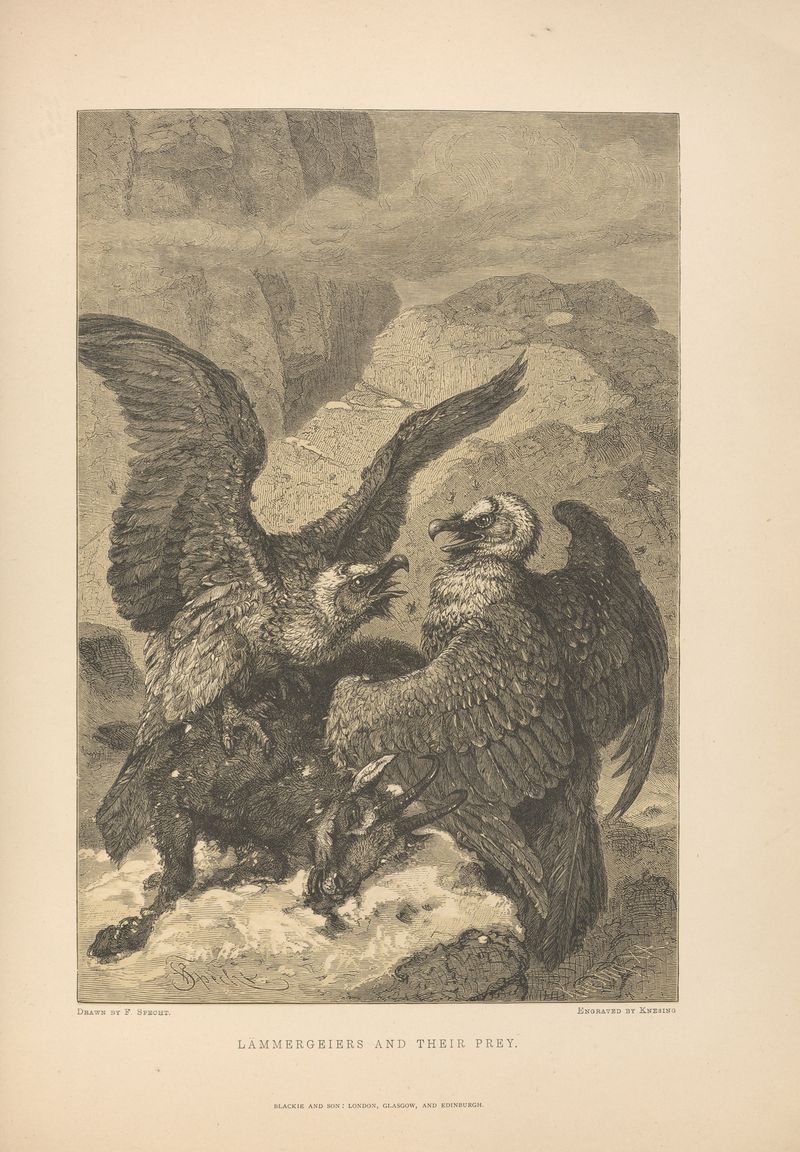
F. Specht – Lammergeiers and their Prey
Theodor Gsell Fels
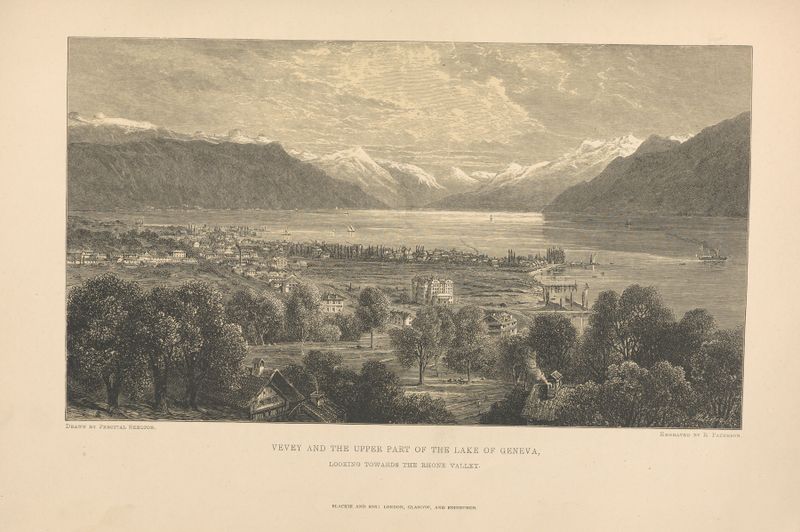
Percival Skelton – Vevay, and the Upper Part of the Lake of Geneva
Theodor Gsell Fels

E. T. Compton – The Jungfrau, and Opening of the Lauterbrunnen Valley
Theodor Gsell Fels

P. Weber – Departure of Steamer from Lucerne
Theodor Gsell Fels
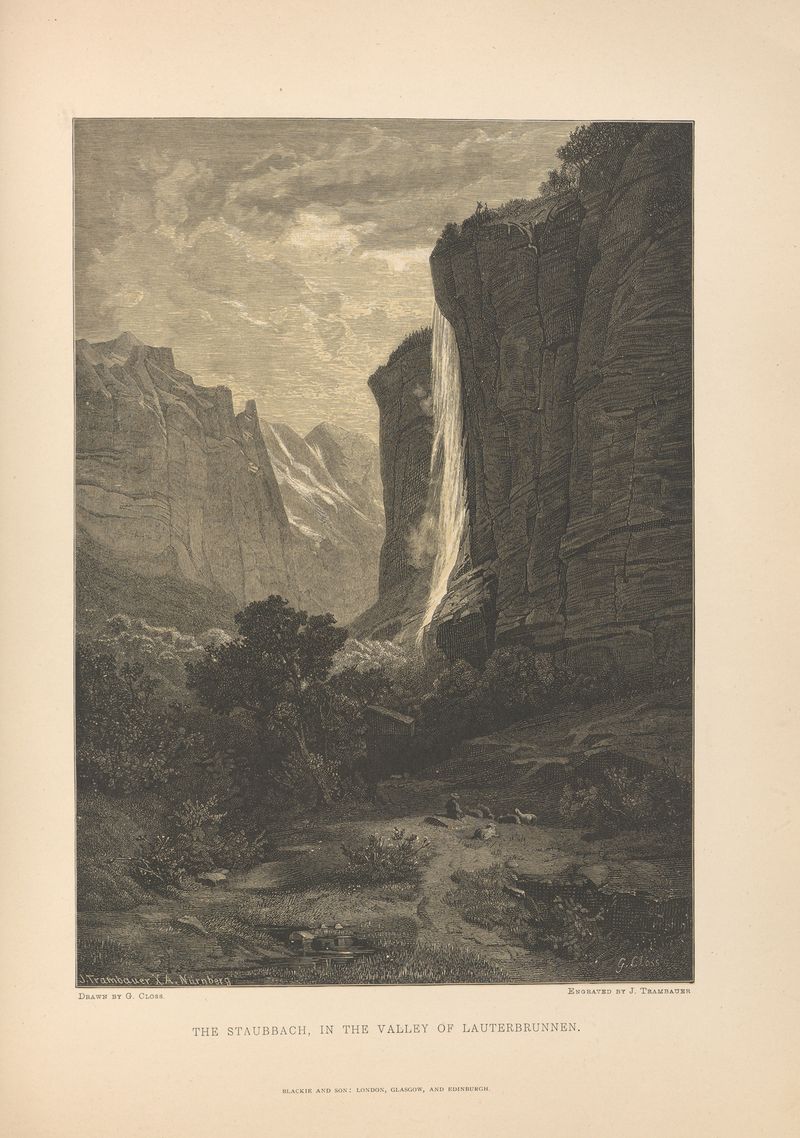
G. Closs – The Staubbach, in the Valley of Lauterbrunnen
Theodor Gsell Fels
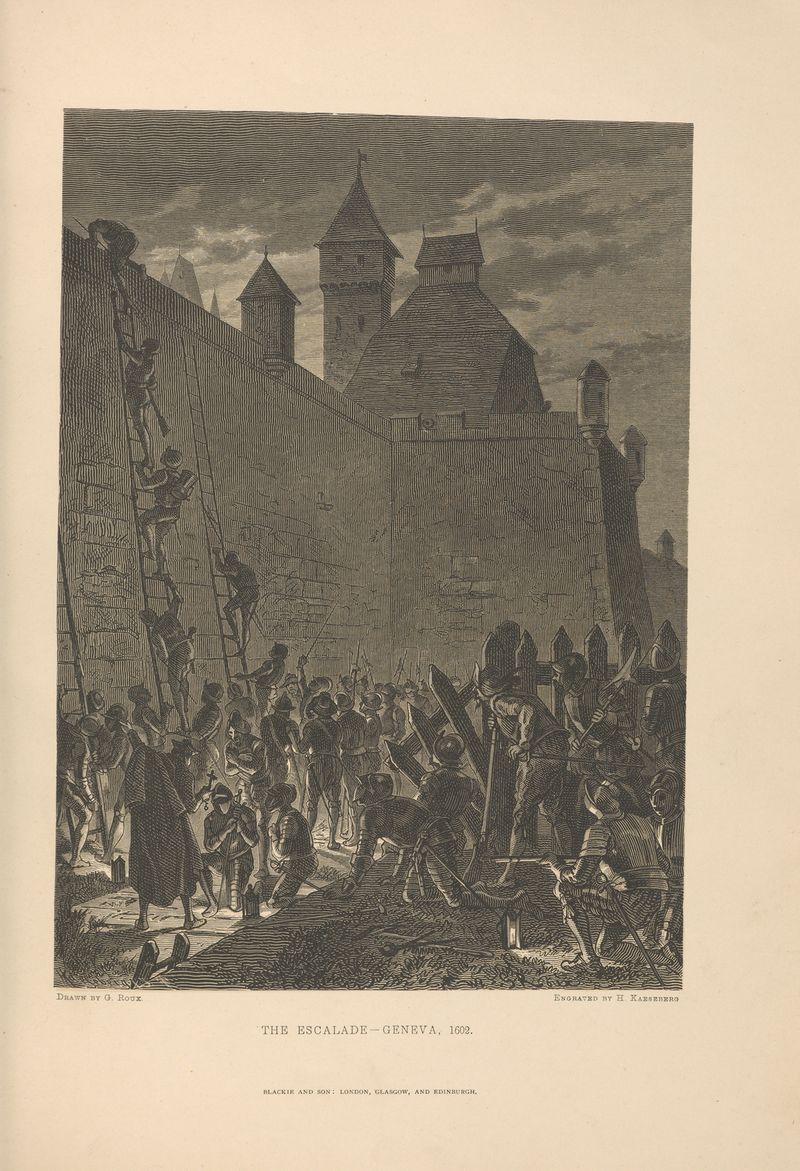
G. Roux – The Escalade, Geneva
Theodor Gsell Fels
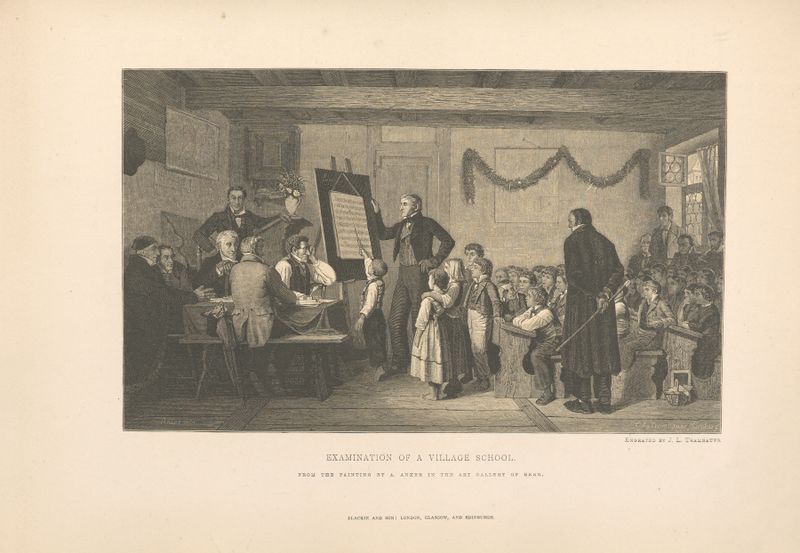
A. Anker – Examination of a Village School
Theodor Gsell Fels





