
Garde-champêtre dans la forêt de Fontainebleau — History & Facts
Could a single brushstroke hold eternity? In Garde-champêtre dans la forêt de Fontainebleau, the fleeting beauty of nature intertwines with the notion of legacy, inviting viewers to contemplate the passage of time. Look to the center of the canvas, where a solitary figure of a keeper stands amidst the vibrant greens and browns of the forest. The dappled sunlight breaks through the canopy, casting a soft glow that illuminates the keeper’s weathered features. Notice how the gentle brushstrokes capture the rustling leaves and textured bark, creating a harmonious blend of movement and stillness, as if the forest breathes alongside the figure. As you explore further, consider the interplay between the vibrant, lush foliage and the isolation of the keeper.
The thick underbrush represents nature’s wildness, contrasting sharply with the man’s quiet duty. This juxtaposition evokes a sense of solitude, yet also connection, as the keeper stands as a guardian of the forest’s legacy. Each stroke not only records the life of its subject but also reflects the temporality of both man and nature, suggesting that our roles in the world are ephemeral yet vital. In 1870, Alfred Sisley painted this piece during a time when the Impressionist movement was gaining momentum, though he remained somewhat overshadowed by contemporaries.
Working in the picturesque Fontainebleau forest, he sought to capture the essence of the natural world, reflecting his own deep appreciation for the beauty and tranquility that these landscapes bestowed. This work embodies not just the artist's personal exploration but also the larger dialogue within the art world about the relationship between humanity and nature.
More Artworks by Alfred Sisley
Browse all →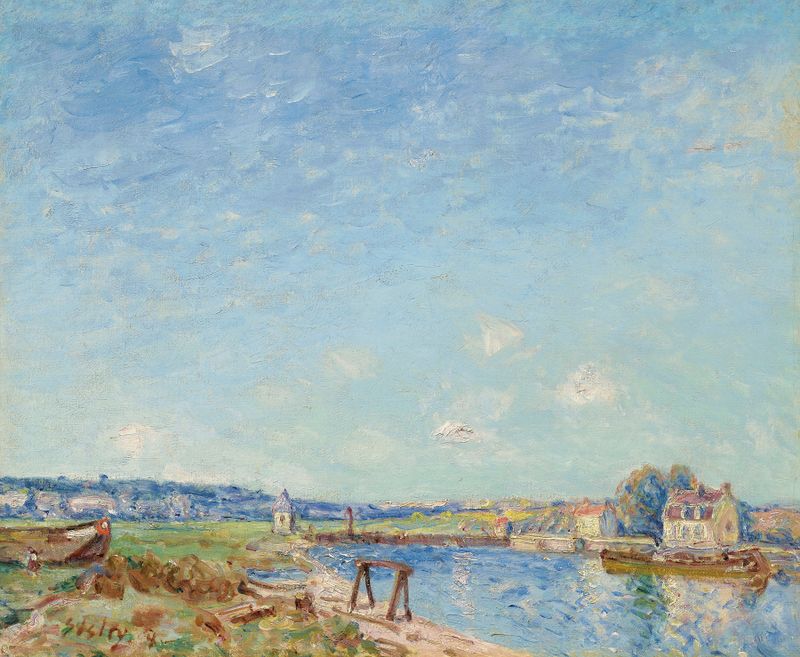
Le Loing à Saint-Mammès
Alfred Sisley
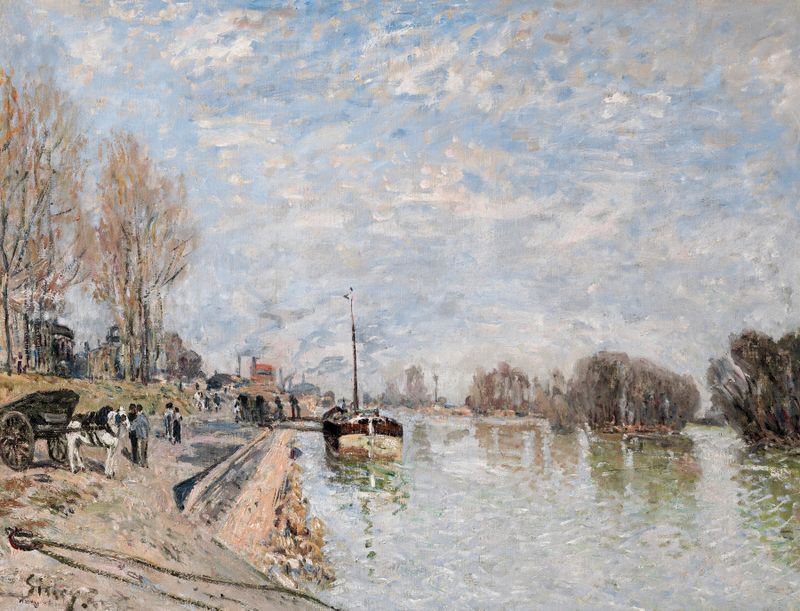
La Seine à Suresnes
Alfred Sisley
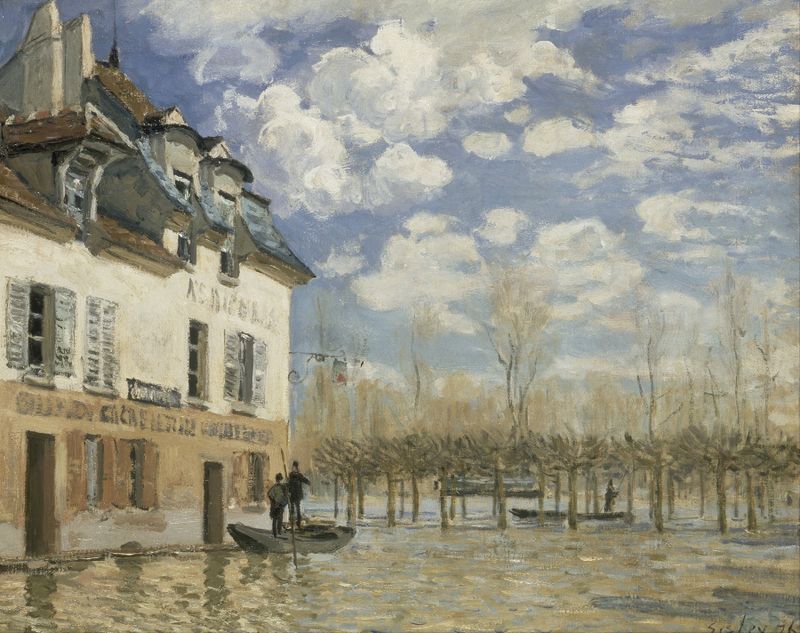
Boat in the Flood at Port Marly
Alfred Sisley
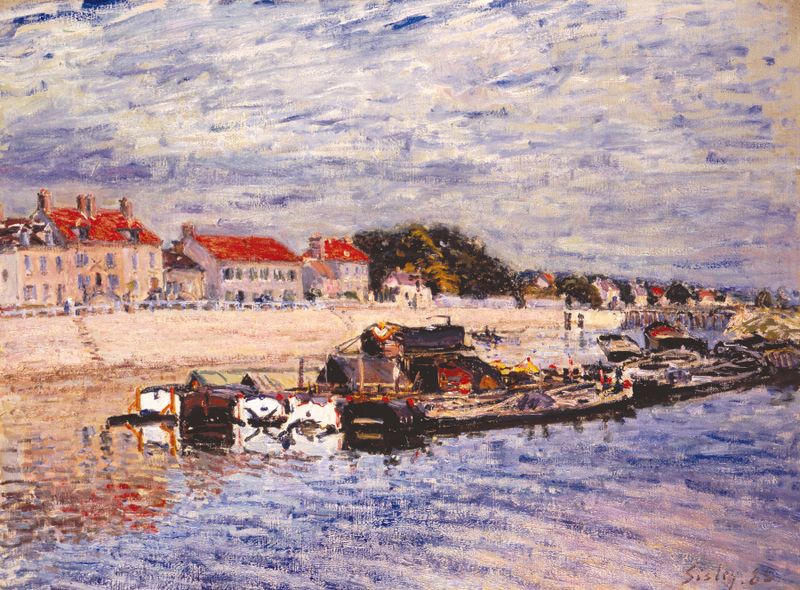
Barges on the Loing at Saint-Mammès
Alfred Sisley

L’allée des peupliers au bord du Loing
Alfred Sisley

Molesey Weir, Hampton Court
Alfred Sisley
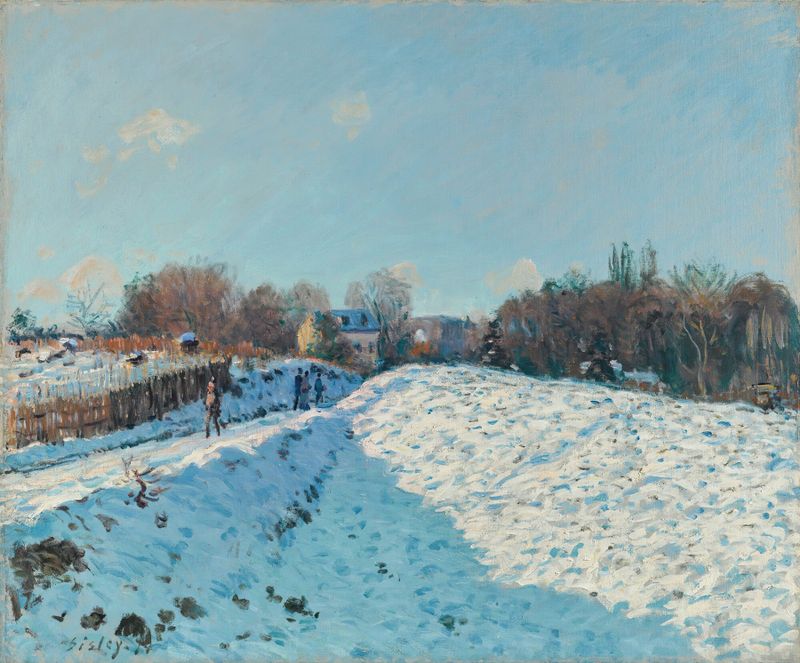
Effet De Neige À Louveciennes
Alfred Sisley
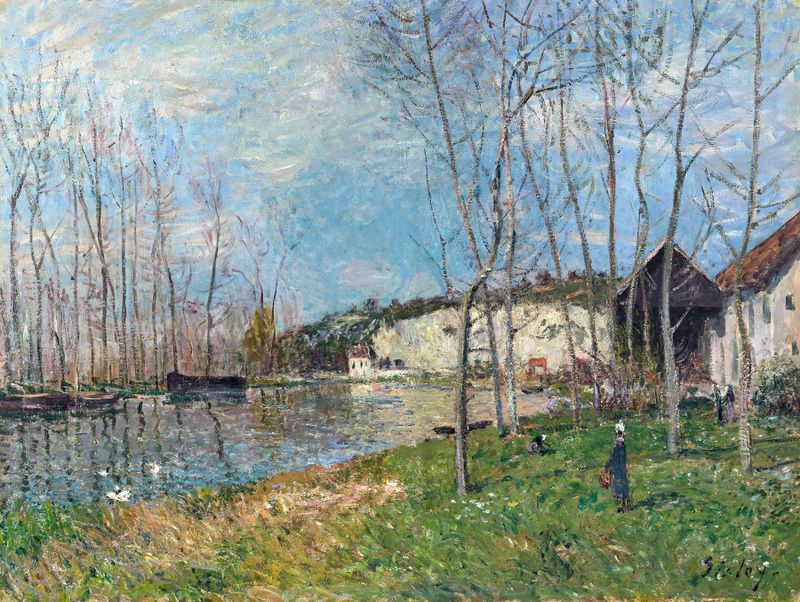
Printemps au bord du Loing
Alfred Sisley
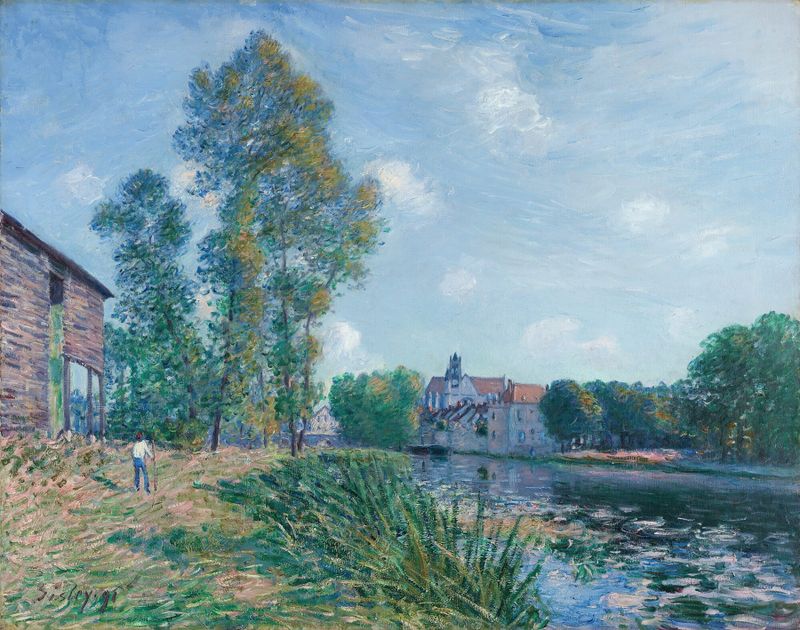
Le Loing À Moret, En Été
Alfred Sisley
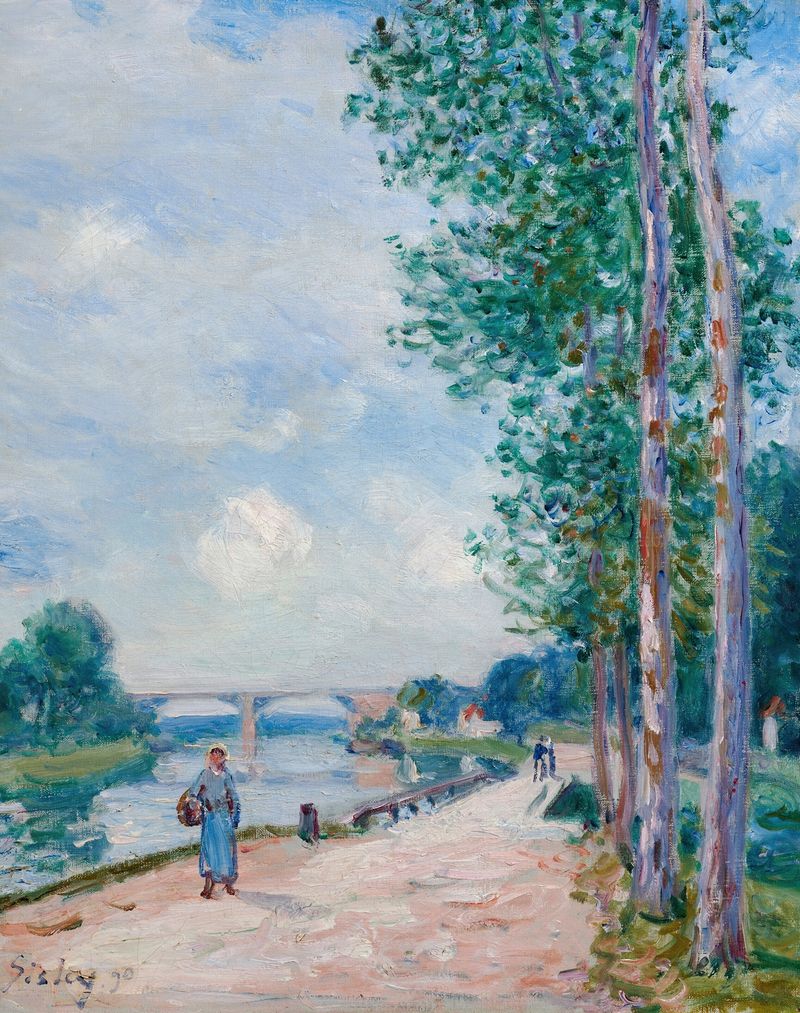
Les bords du Loing près de Moret
Alfred Sisley





