Gateway to Battle Abbey — History & Facts
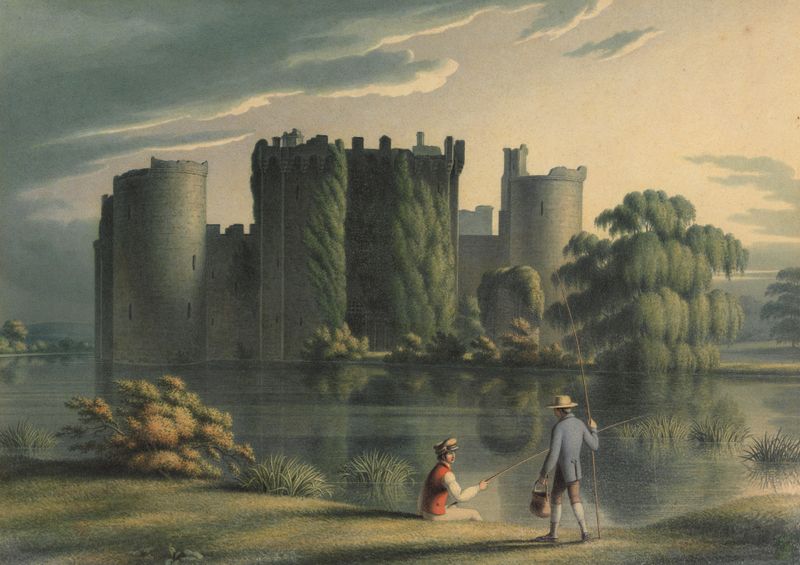
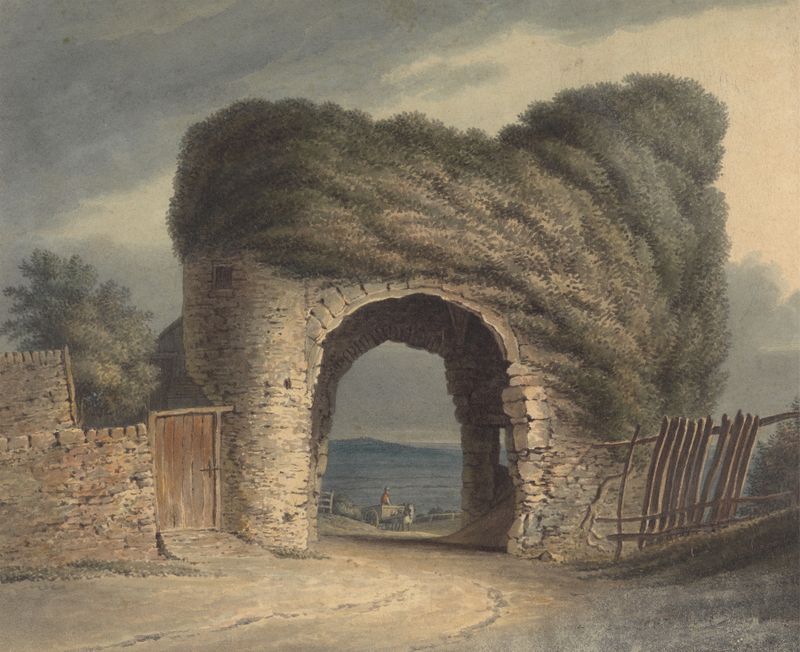
A deep fog blankets the landscape, swirling around the imposing stone arches of Battle Abbey. Figures in the distance, draped in muted earth tones, move cautiously, their expressions caught between reverence and trepidation. The atmosphere is thick with anticipation, a moment suspended in time where the past and present collide beneath a soft, diffused light. Look to the left at the crumbling stone wall that captures the eye with its weathered texture, suggesting centuries of history.
Notice how the pale light casts gentle shadows, revealing the delicate interplay between the solid structure and the ethereal mist. The composition is anchored by the towering abbey, yet the surrounding foliage breathes life into the scene, offering a contrast between nature's softness and the fortress-like presence of man-made architecture. Within this setting, fragility seeps into every corner—the resilience of the wall juxtaposes the ephemeral quality of the fog. Each figure emerges as a fleeting silhouette, embodying the tenuous connection between memory and reality.
The gathering storm clouds overhead hint at a brewing conflict within the peace of the moment, underscoring the tension between harmony and ruin, inviting reflection on the nature of history and its burdens. Painted after 1819, the artist created this work during a period of shifting artistic ideals, influenced by Romanticism’s focus on emotion and the sublime. Situated in England, Morton’s portrayal of this historic site reflects a nation grappling with its past in a time of evolving narratives. The artwork serves not only as a representation of a place but as a broader meditation on the complexities of heritage and memory.