Ore Church and House — History & Facts
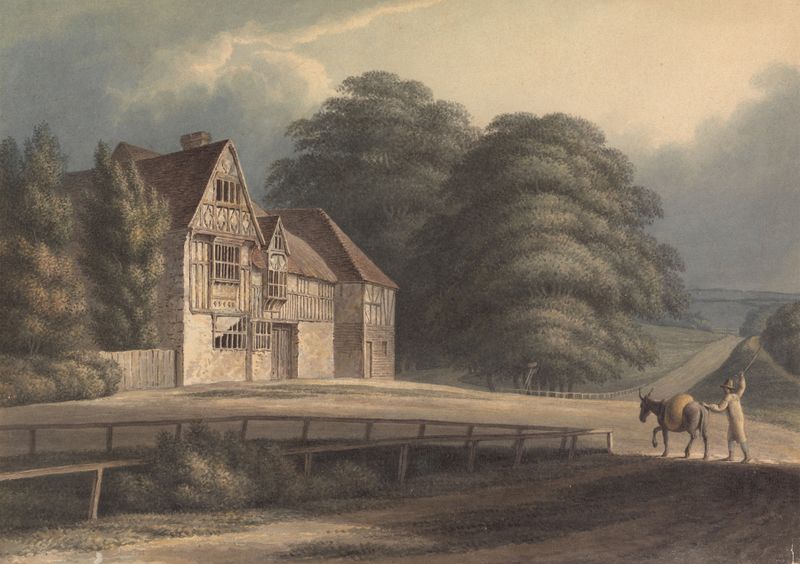
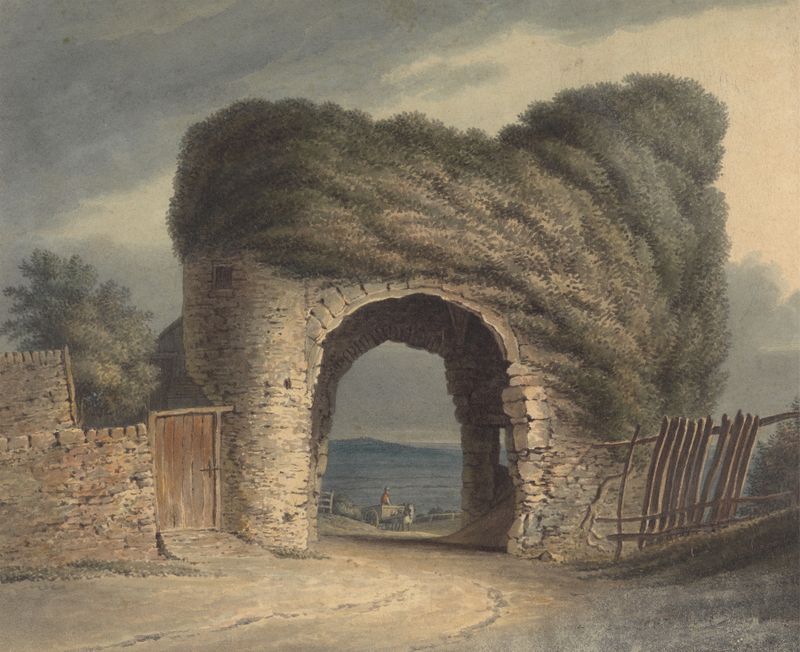
When did color learn to lie? As we gaze upon the painting, we are invited to ponder the complex relationship between divinity and earthly existence, where hues whisper secrets and narratives beyond mere representation. Look to the left at the serene church, its steeple reaching for the heavens, painted in soft, ethereal whites and muted pastels. The delicate brushwork captures the interplay of light on its façade, creating an almost spiritual glow. Meanwhile, the house beside it stands grounded, its more vibrant colors grounding the composition.
Notice how the contrasts between the architectural details draw your attention—each structure tells a story, yet they exist in quiet harmony, inviting contemplation of their juxtaposition. In the subtle tension between the church and the house lies a commentary on faith and daily life. The church, bathed in light, suggests divine presence and hope, while the vibrant house hints at the human struggles and joys of existence. This duality speaks to our inherent search for meaning, reflecting on how spirituality often interlaces with the mundane.
The gentle play of shadows adds depth to this dialogue, suggesting that even in moments of brightness, the reality of human experience remains complex. Henry Morton created this work during a time when artistic movements were shifting towards capturing the essence of both nature and humanity. Although the date remains undetermined, it reflects a period in which artists were increasingly exploring the interplay of light and color, seeking to express deeper truths. This painting, a testament to that quest, offers viewers a chance to reflect on their own journeys between the divine and the everyday.