
Old Buildings at Hastings — History & Facts
Memory lingers in the crevices of time, where echoes of the past mingle with the present. In the gentle decay of old buildings, we find the stories of lives once lived, layered with both loss and nostalgia. Look to the left at the textured stones, their weathered surfaces capturing the fading light of a late afternoon. The rich hues of ochre and russet evoke a sense of warmth, while the shadows deepen the sense of history and melancholy.
Notice how the artist employs soft brushstrokes to create an ethereal atmosphere, inviting the viewer to wander through the ruins of memory. The composition draws your eye along the building’s silhouette, leading to the horizon, where the sky blends into a tender wash of blues and pinks. Yet, amid the beauty lies a poignant contrast: the sturdy edifices juxtaposed against the relentless passage of time. The lush greenery encroaching upon the structures serves as a reminder of nature's power over human constructions, suggesting a cycle of renewal intertwined with decay.
Each cracked wall and faded window speaks to resilience, yet it also whispers of abandonment and the inevitable fading of once-vibrant stories. The artist created this piece after 1819, during a time when Britain was grappling with social change and the remnants of its past. Working in Hastings, Morton sought to capture the beauty of his surroundings with a focus on historical sentiment, reflecting a growing interest in landscape and architectural ruins. This period marked a shift in artistic expression, where artists began to cherish the echoes of history, allowing personal memory to infuse their works with deeper emotional resonance.
More Artworks by Henry Morton
Browse all →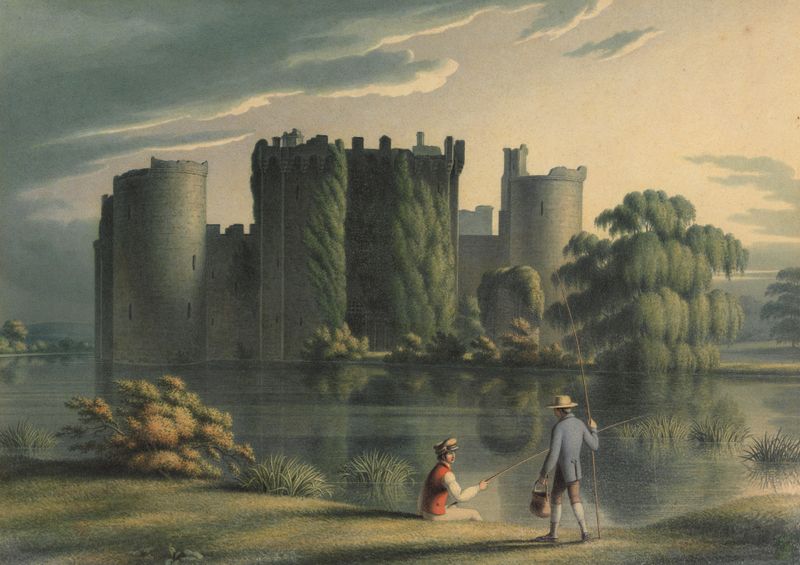

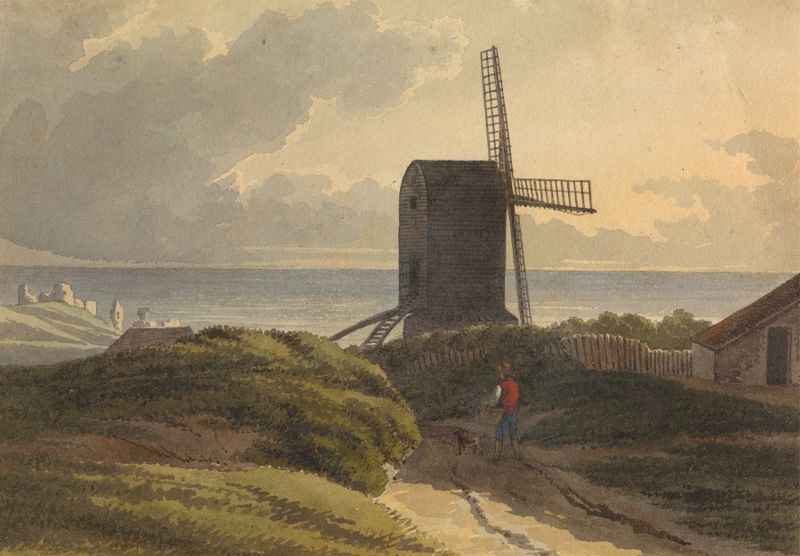
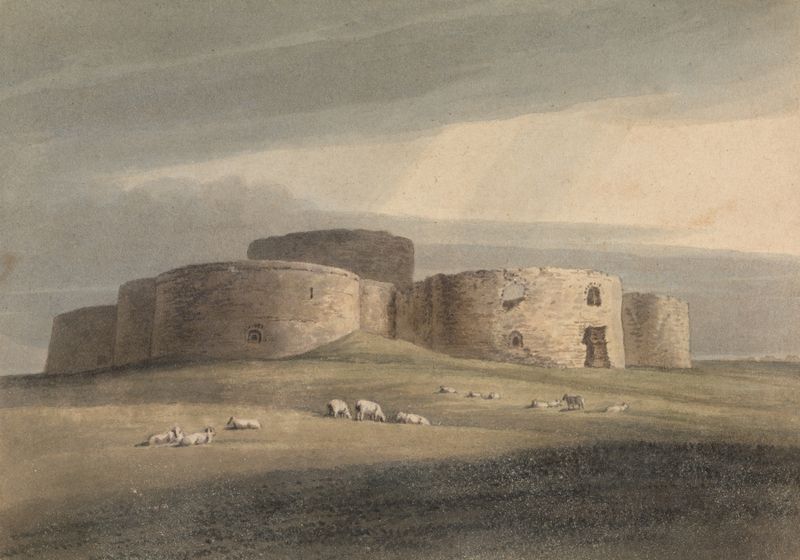
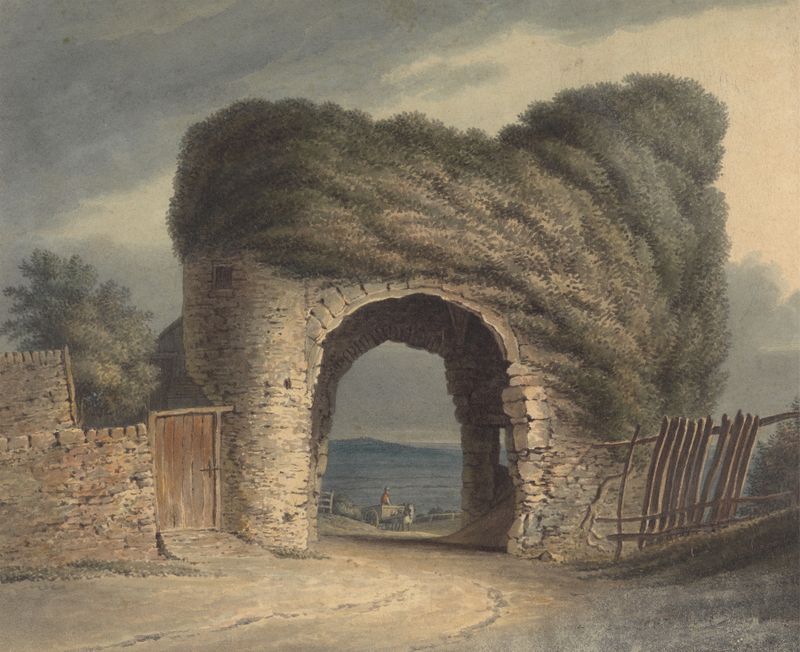

More Architecture Art
Browse all →
The statue of Liberty
Frédéric Auguste Bartholdi

View of Houses in Delft, Known as ‘The Little Street’
Johannes Vermeer

View of Houses in Delft, Known as ‘The Little Street’
Johannes Vermeer

The Cathedral in Rouen. The portal, Grey Weather
Claude Monet

The yellow house
Vincent van Gogh

The Church in Auvers-sur-Oise, View from the Chevet
Vincent van Gogh