
Gebirgslandschaft Mit Wanderer — History & Facts
In moments of solitude, fear can be a profound companion, whispering secrets that paint our inner landscapes with shadow and light. Focus on the rugged peaks in Gebirgslandschaft Mit Wanderer, where jagged outlines rise dramatically against a tumultuous sky. Notice how the artist's brushstrokes convey a raw, visceral quality, with dark greens and browns melding into the subtle hues of dawn. The wanderer stands as a mere silhouette against the vastness, a figure dwarfed by nature’s grand design, inviting a sense of introspection and vulnerability. As you explore deeper, the contrast between the serene beauty of the landscape and the lone traveler evokes a poignant tension.
The undulating hills cradle an air of solitude, while the looming clouds hint at an impending storm—an embodiment of the fear that often accompanies the unknown. The wanderer’s stillness amidst this chaos suggests contemplation, a moment frozen in time where anxiety and peace coexist. August Piepenhagen painted this work during the mid-19th century, a period marked by the rise of Romanticism and a growing fascination with nature's extremes. Living in Germany, he was influenced by the shifting tides of artistic exploration, emphasizing emotion over reason.
This piece reflects his engagement with the landscape genre, capturing not just the physical attributes of wilderness but the psychological landscape that stirs within us all.
More Artworks by August Piepenhagen
Browse all →
Returning Home Before the Storm in a Mountain Landscape
August Piepenhagen

Alte Dorfbrücke
August Piepenhagen

Nahendes Unwetter in den Bergen
August Piepenhagen

Wintry landscape
August Piepenhagen

Romantische Mondlandschaft mit Wanderer
August Piepenhagen
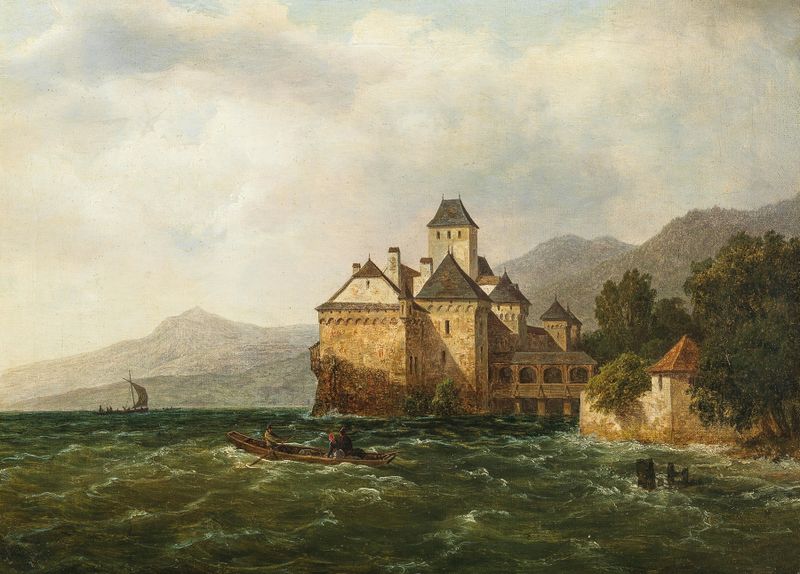
A View of Chillon Castle on Lake Geneva
August Piepenhagen
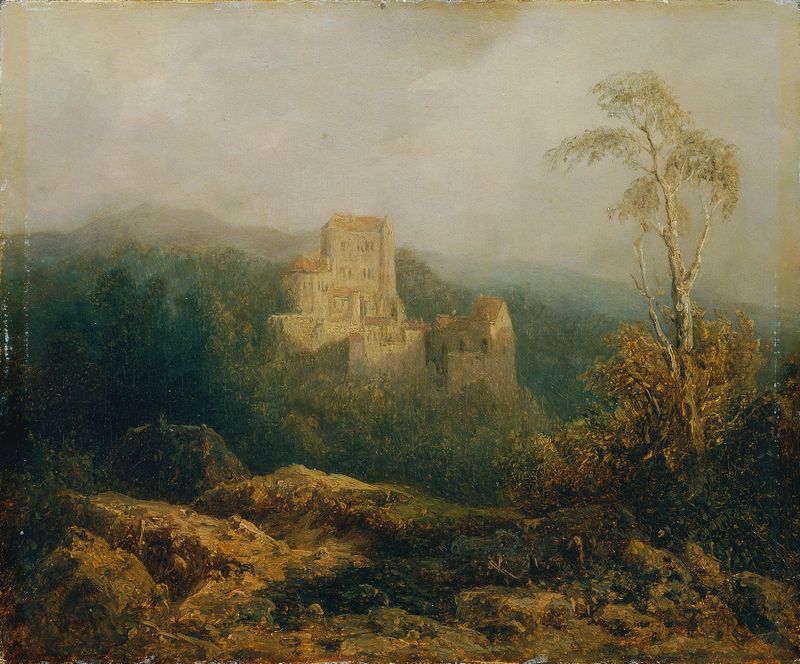
Das Bergschloss
August Piepenhagen

Die Aussichtswarte
August Piepenhagen
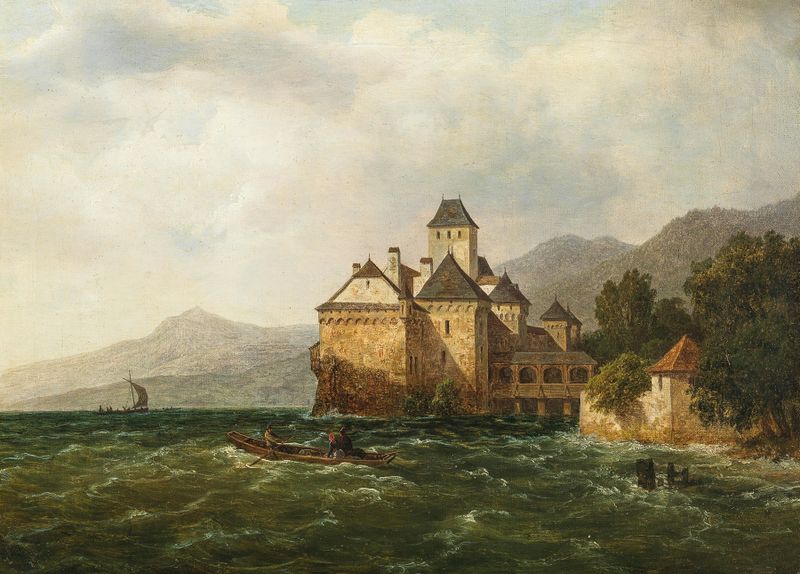
Schloss Chillon
August Piepenhagen

Wanderer vor weiter Landschaft
August Piepenhagen





