
Wintry landscape — History & Facts
When did color learn to lie? The depths of winter seem to whisper secrets, where icy blues and muted whites mask the ache of solitude beneath the surface. Focus first on the horizon, where a gentle gradient of pale blues blends with soft grays, signaling the transition from sky to snow. The expansive canvas is dominated by frost-dusted trees, their skeletal branches reaching outward like fragile hands clutching at fleeting warmth. Notice how the brushstrokes vary in texture, the smoothness of the untouched snow contrasting with the rough, jagged edges of the trees, suggesting a struggle against the chill that permeates this wintry tableau. Within this serene yet haunting landscape lies a profound sense of emotional tension.
The stillness of the scene belies an underlying loneliness, as if the trees stand as solitary sentinels, witnessing the passing of time in an endless winter. The interplay of light and shadow evokes a sense of longing, suggesting the presence of unseen figures lost amidst the vastness or perhaps yearning for connection in a world that feels desolate. The artist created this piece during a period of reflection, likely influenced by the Romantic movement’s fascination with nature’s beauty and melancholy. Though the exact date of the painting remains uncertain, August Piepenhagen was active in the 19th century, a time when Europe was grappling with the effects of industrialization.
This period shaped his artistic vision, fostering a deep appreciation for the natural world and the emotions it can evoke.
More Artworks by August Piepenhagen
Browse all →
Returning Home Before the Storm in a Mountain Landscape
August Piepenhagen

Alte Dorfbrücke
August Piepenhagen

Nahendes Unwetter in den Bergen
August Piepenhagen

Romantische Mondlandschaft mit Wanderer
August Piepenhagen

Gebirgslandschaft Mit Wanderer
August Piepenhagen
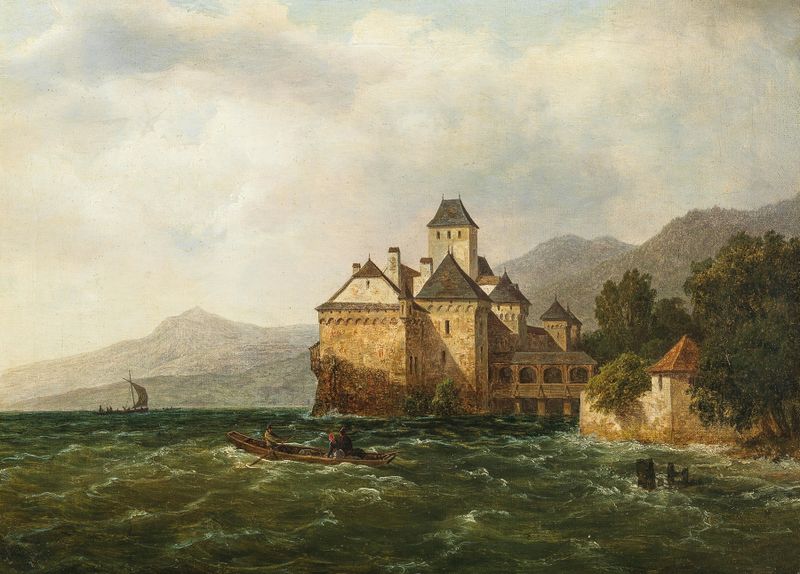
A View of Chillon Castle on Lake Geneva
August Piepenhagen
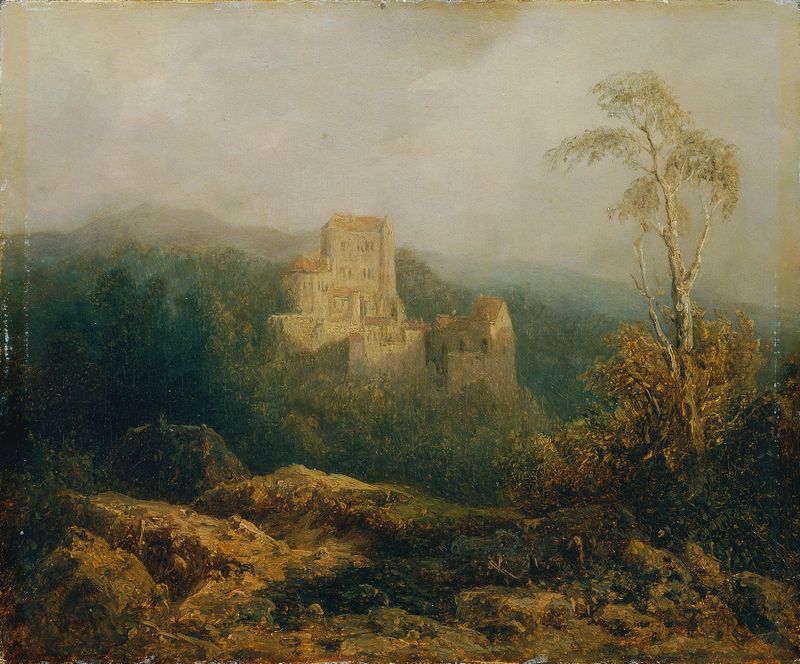
Das Bergschloss
August Piepenhagen

Die Aussichtswarte
August Piepenhagen
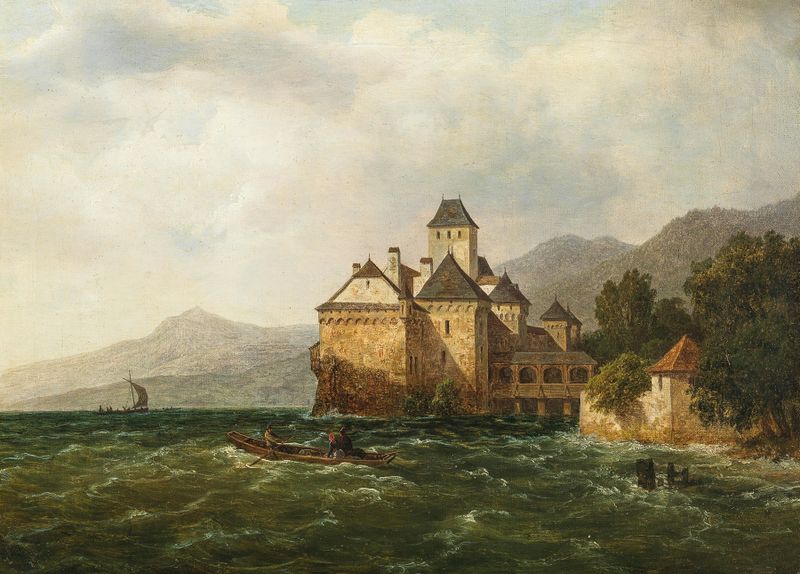
Schloss Chillon
August Piepenhagen

Wanderer vor weiter Landschaft
August Piepenhagen





