Gemälde — History & Facts
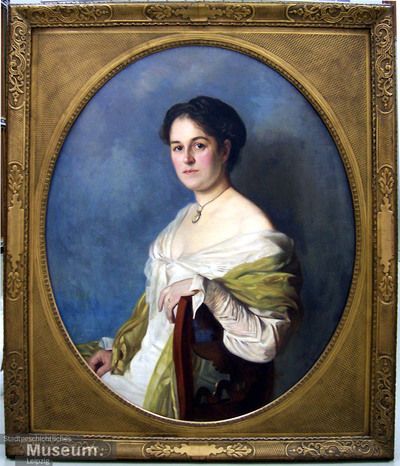
Can paint confess what words never could? In a world where silence speaks volumes, the canvas becomes a sacred space, revealing emotions that transcend language and invite the viewer into a realm of divine contemplation. Look closely at the center of the composition, where a luminous figure emerges from a soft halo of light. The colors blend seamlessly; deep blues and golds intertwine, creating an ethereal atmosphere that draws the eye inward. Notice how the brushstrokes vary in texture, with gentle swirls surrounding the figure, contrasting with the more defined lines that frame the edges of the work.
This delicate balance between chaos and order instills a sense of harmony amidst the divine presence portrayed. The painting captures a subtle interplay of presence and absence, evoking feelings of longing and reverence. The figure, though predominantly defined, bears an air of mystery, inviting interpretations of divinity and human connection. The gentle gradients of color suggest a celestial glow, hinting at the potential for transcendence.
As your eyes wander, the soft shadows become whispers of untold stories, each detail a testament to the complexities of spirituality, piety, and the human experience. Created in 1895, the artist found inspiration in the changing landscape of artistic expression in an increasingly modern world. Eugen Urban was influenced by contemporary movements that sought to merge realism with the metaphysical, exploring the boundaries of perception. As new ideas flourished, he crafted this piece, reflecting not only his personal journey but also a broader cultural shift towards seeking the divine within the everyday.