
General Washington’s Tomb at Mount Vernon — History & Facts
In the stillness of memory, desire stirs, beckoning us to engage with the past and the legacies we carry. Look closely at the center of the composition, where the somber tomb of Washington rests, shrouded in a gentle light that casts a solemn glow. The surrounding landscape, a blend of muted greens and browns, draws the eye outward, creating a sense of continuity between the earth and the heavens. Svinin's meticulous technique, with its precise brushwork, invites us to linger on the textures of the stone and the soft foliage framing the scene, while the overall color palette evokes a moment suspended in time—one of reverence and quiet reflection. Beneath the surface of this composition lies a profound exploration of memory and longing.
The tomb stands not just as a marker of death but as a powerful symbol of aspiration and sacrifice, interweaving themes of patriotism with the fragility of human existence. The juxtaposition of the natural world, full of life and movement, against the stark permanence of the tomb prompts us to consider the desires that shaped a nation and the inevitable passage of time that shadows those dreams. Created between 1811 and 1813, this work emerged during a period of national introspection in post-Revolutionary America. Svinin, an artist who navigated the complexities of both Russian and American cultures, painted this piece while residing in Philadelphia, reflecting a moment in history when the ideals of liberty and the memory of foundational figures were still being deeply contemplated.
The painting not only honors Washington but also resonates with the collective yearning of a young nation seeking to define itself amidst a rapidly changing world.
More Artworks by Pavel Petrovich Svinin
Browse all →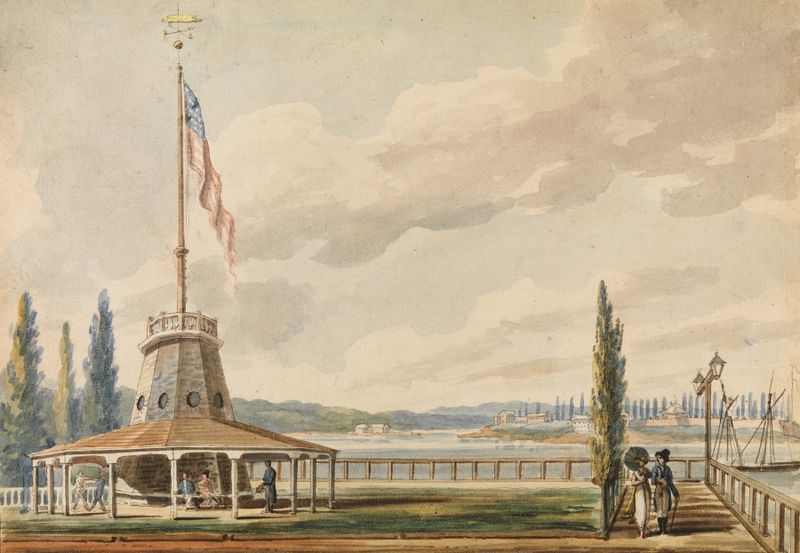
The Traveler’s First View of New York—The Battery and Flagstaff
Pavel Petrovich Svinin
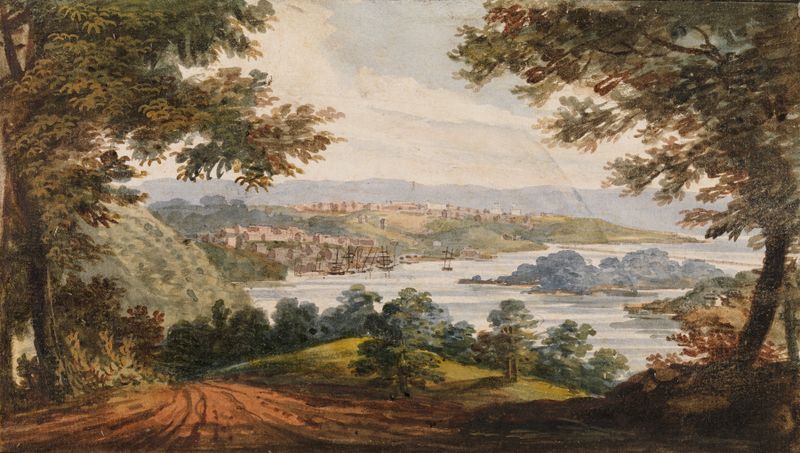
Washington and Georgetown from the Alexandria Road
Pavel Petrovich Svinin
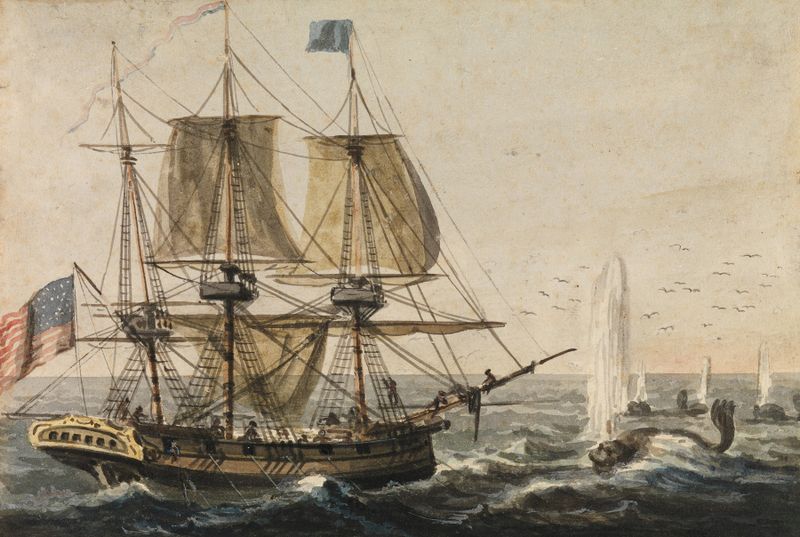
Replenishing the Ship’s Larder with Codfish off the Newfoundland Coast
Pavel Petrovich Svinin
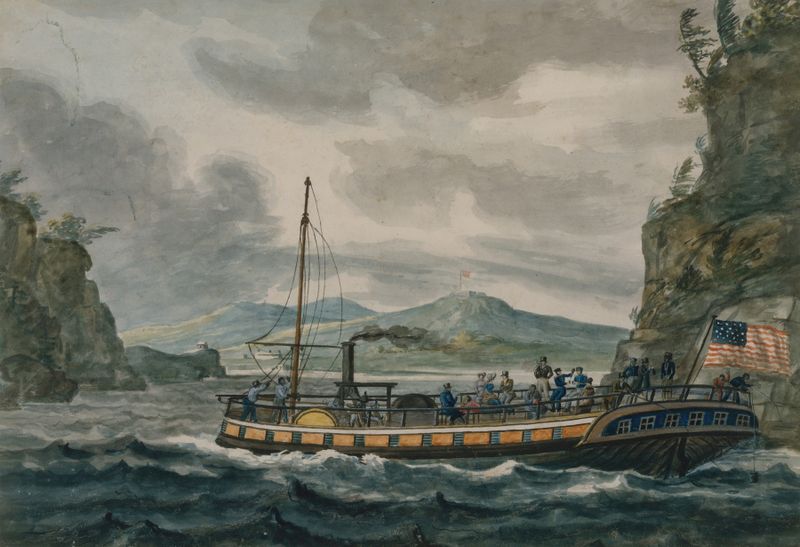
Steamboat Travel on the Hudson River
Pavel Petrovich Svinin
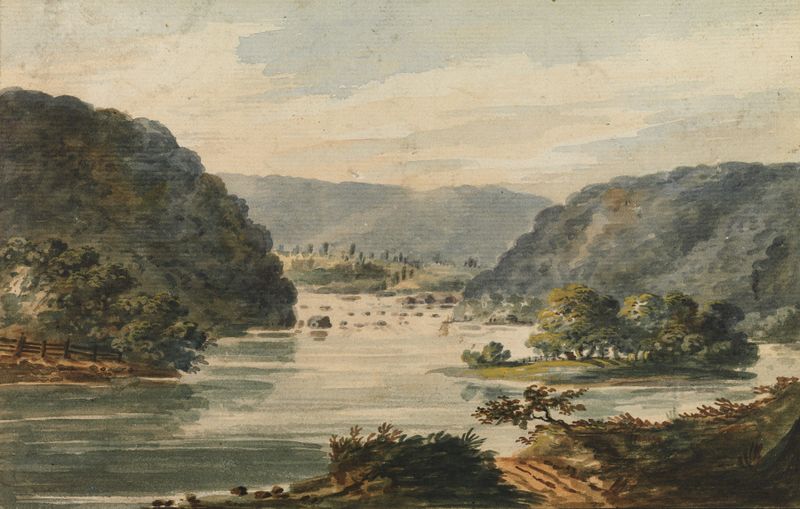
A View of the Potomac at Harpers Ferry
Pavel Petrovich Svinin
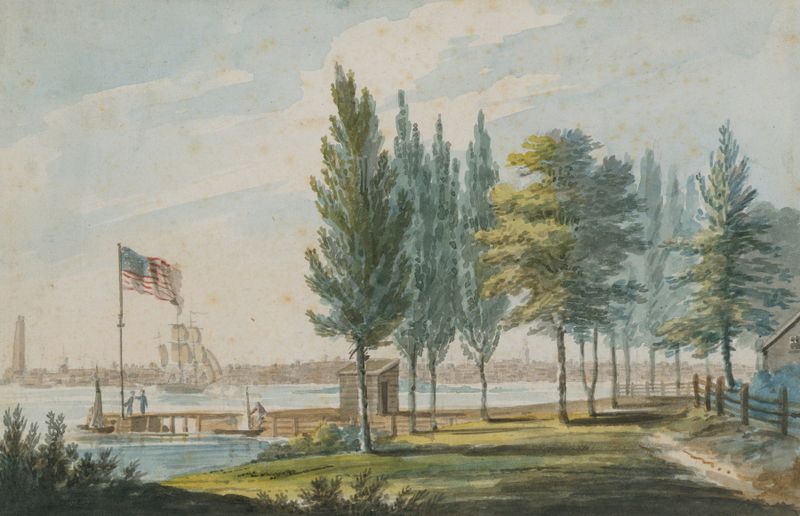
Philadelphia from across the Delaware River
Pavel Petrovich Svinin
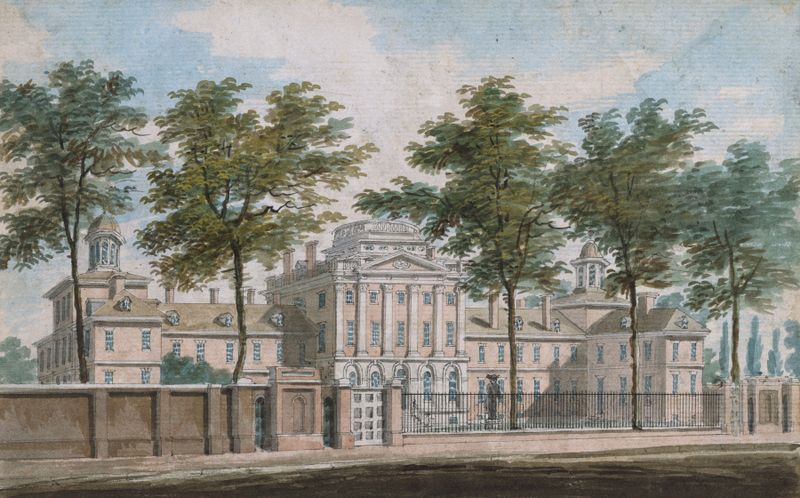
The Pennsylvania Hospital, Philadelphia
Pavel Petrovich Svinin
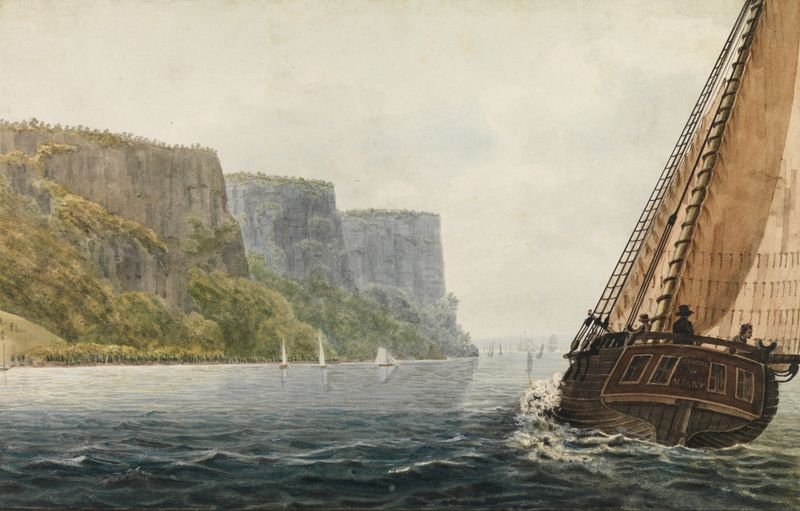
The Packet ‘Mohawk of Albany’ Passing the Palisades
Pavel Petrovich Svinin
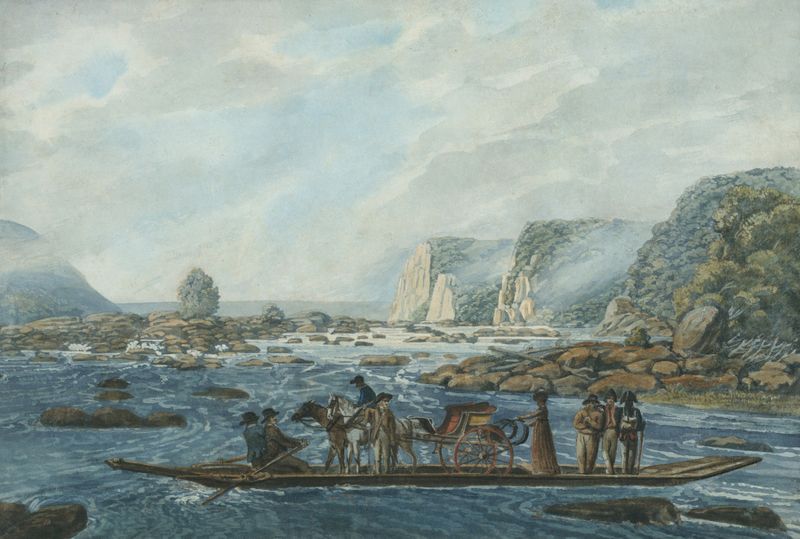
A Ferry Scene on the Susquehanna at Wright’s Ferry, near Havre de Grace
Pavel Petrovich Svinin
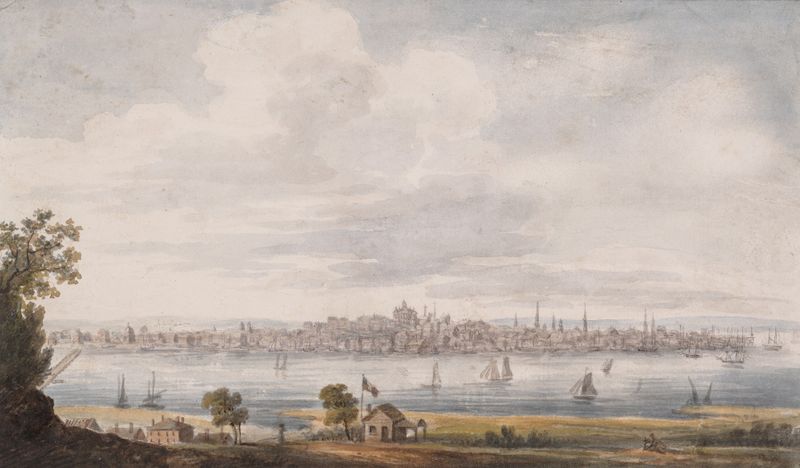
Albany, New York
Pavel Petrovich Svinin
More Historical Art
Browse all →
The Night Watch Militia Company of District II under the Command of Captain Frans Banninck Cocq
Rembrandt van Rijn
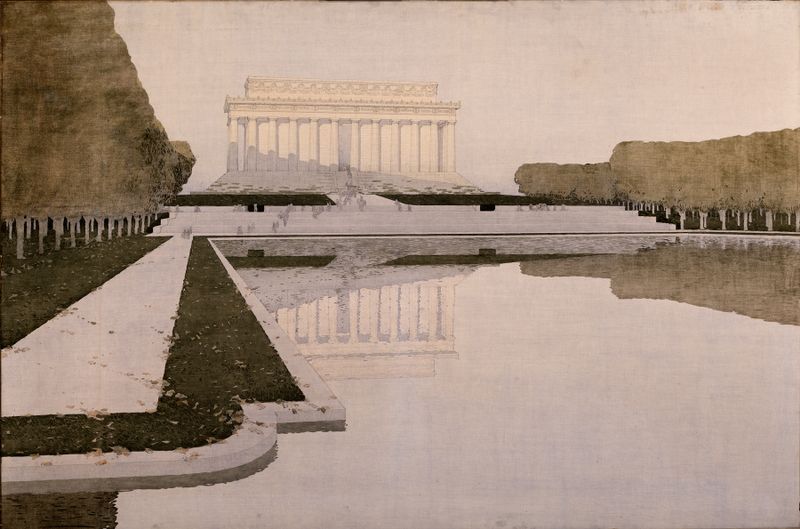
Lincoln Memorial
Henry Bacon
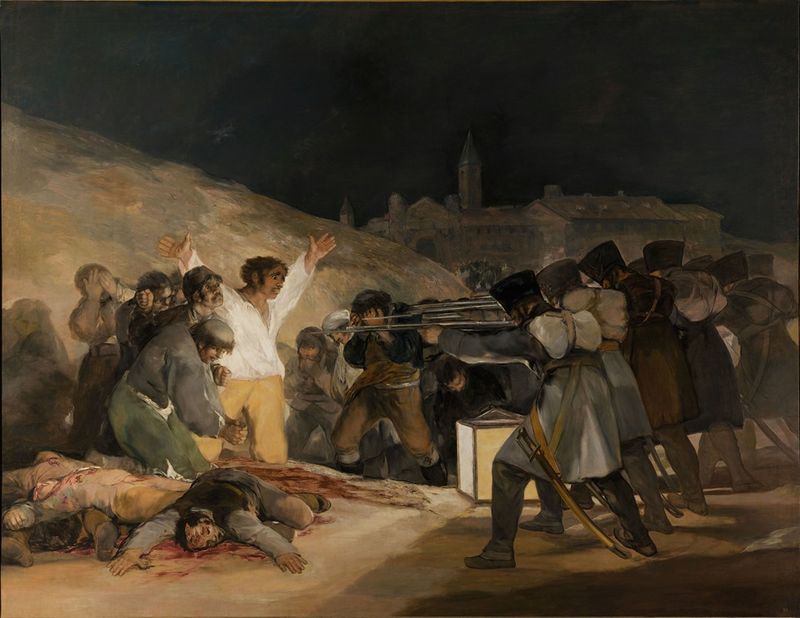
The Third of May 1808
Francisco de Goya

Isaac and Rebecca, Known as ‘The Jewish Bride’
Rembrandt van Rijn
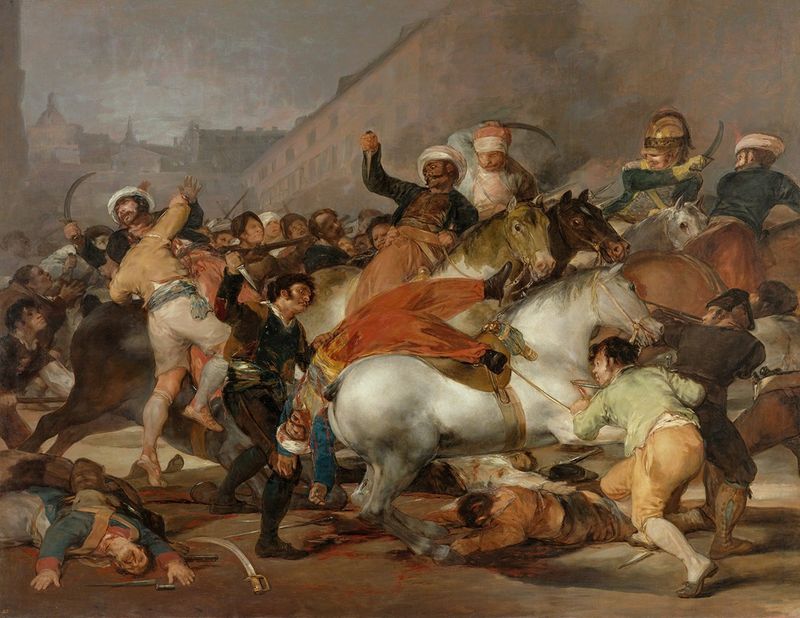
The Charge of the Mamelukes (1814)
Francisco de Goya

De vier ruiters van de apocalyps
Albrecht Dürer