
Gezicht in de Pyrenéén — History & Facts
What secret hides in the quiet of the canvas? The stillness of nature often whispers truths that resonate deeply within us, calling us to examine our own obsessions. Look to the left, where jagged peaks rise sharply against a muted sky, the craggy edges defined by gentle strokes that suggest both movement and stability. Notice how the artist employs a palette of cool blues and grays, capturing the stark beauty of the Pyrenees while infusing a sense of solitude and introspection. The interplay of light and shadow creates a depth that pulls the viewer into the landscape, inviting contemplation on the rugged terrain that stands as a testament to both nature's grandeur and its isolation. Upon closer inspection, small details emerge that hint at deeper emotional currents—perhaps the wear on the rocks symbolizes the passage of time and unyielding persistence, while the sparse vegetation suggests resilience in the face of adversity.
Each element is laden with significance, reflecting not only the physical environment but also Howen's own inner struggles and passions. The contrast between the vast expanse and the intimate connection it fosters becomes a meditation on the artist's obsession with capturing the wild, untamed beauty of the world. Otto Howen created Gezicht in de Pyrenéën during the late 19th century, a period marked by the rise of Impressionism, where artists sought to portray their immediate perceptions of nature. Living in the Netherlands, Howen was influenced by the changing art scene and the exploration of color and light.
While the exact date of this work remains undetermined, it reflects his dedication to the sublime landscapes that captivated many of his contemporaries, merging personal passion with artistic innovation.
More Artworks by Otto Howen
Browse all →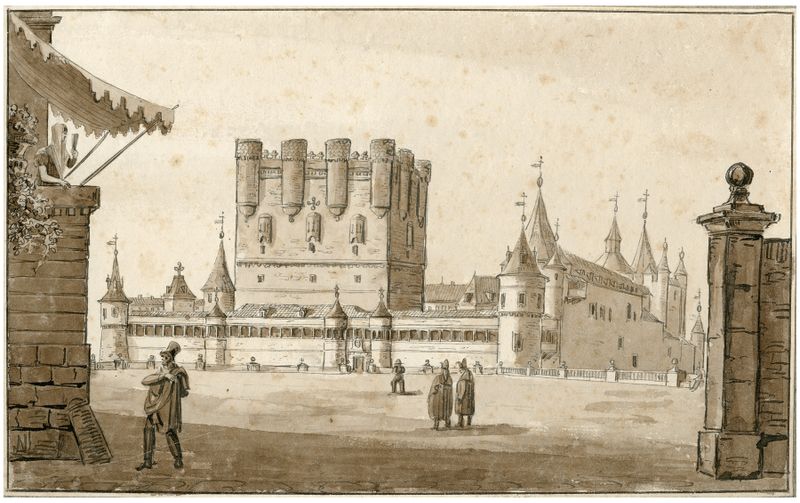
Het Alcazar te Segovia
Otto Howen
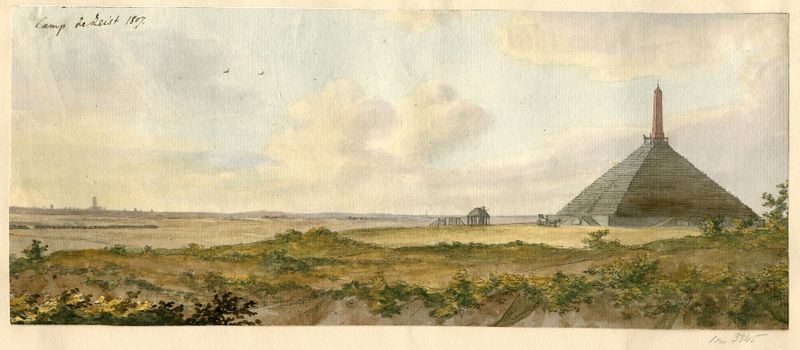
De piramide van Austerlitz bij Zeist
Otto Howen
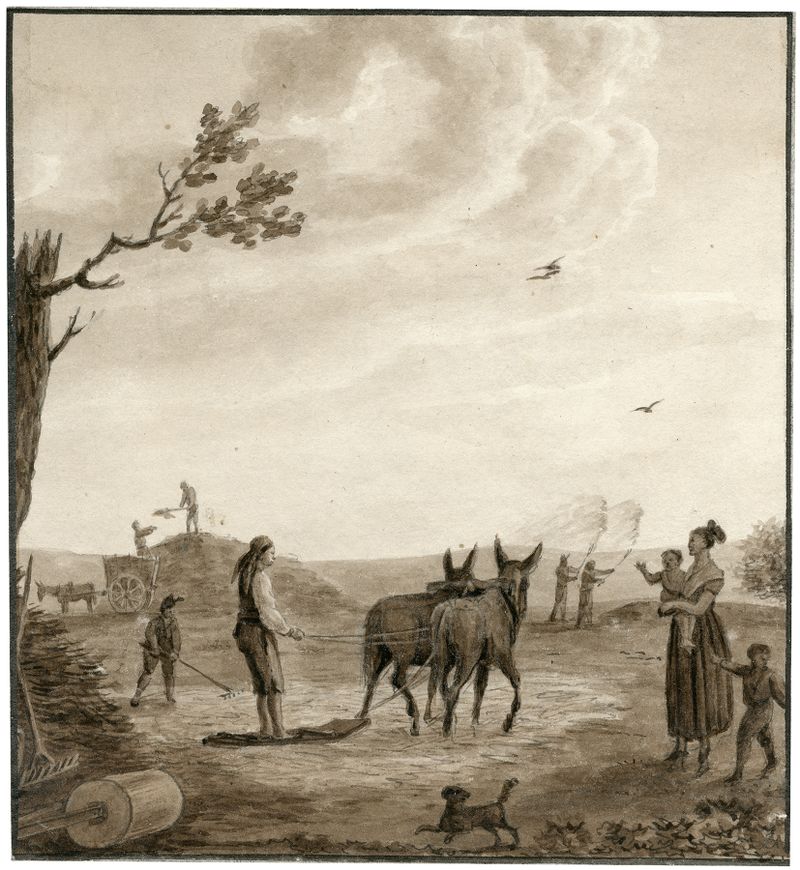
Het dorsen van het graan
Otto Howen
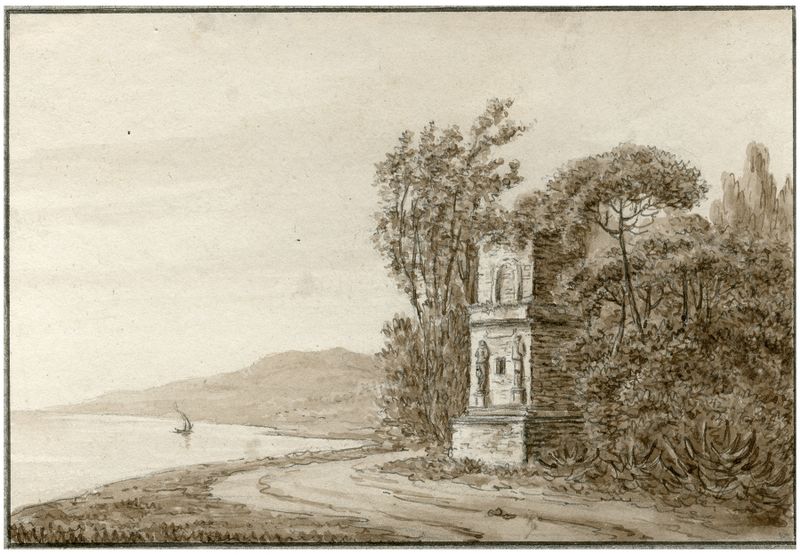
Een antiek monument in de omgeving van Taragone
Otto Howen
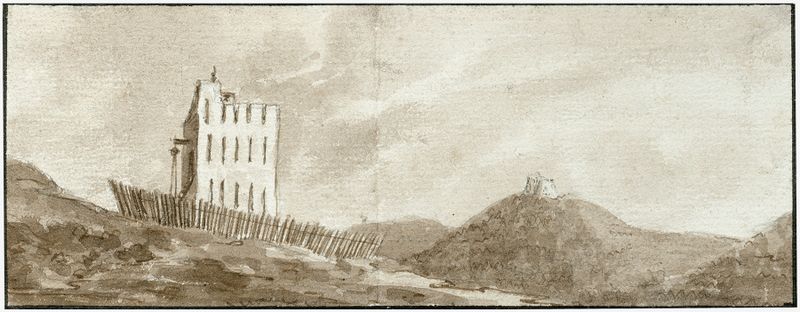
Gezicht in de omgeving van Gerona
Otto Howen
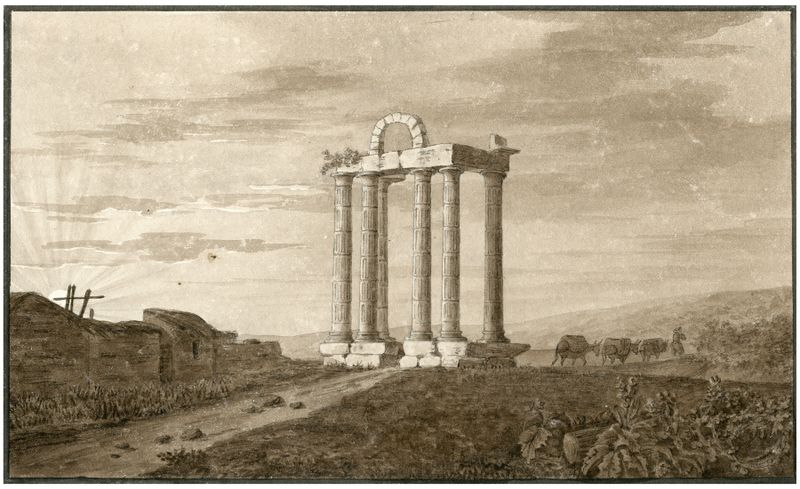
Antieke Ruïnes bij Talavera in Castillie
Otto Howen
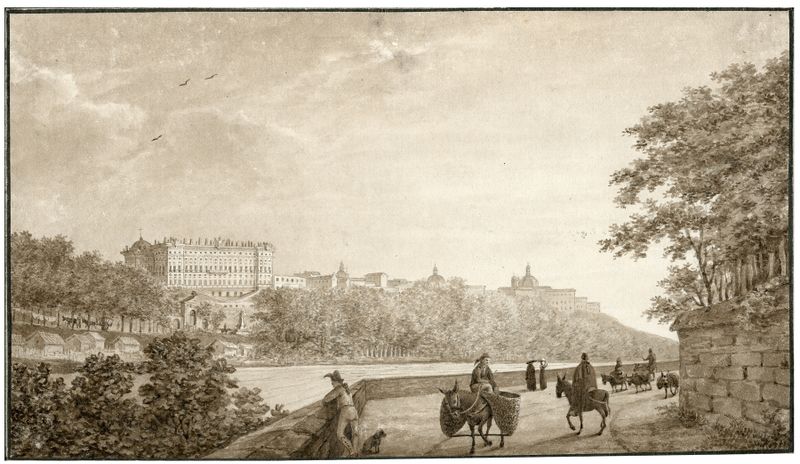
Het Koninklijke Paleis te Madrid
Otto Howen
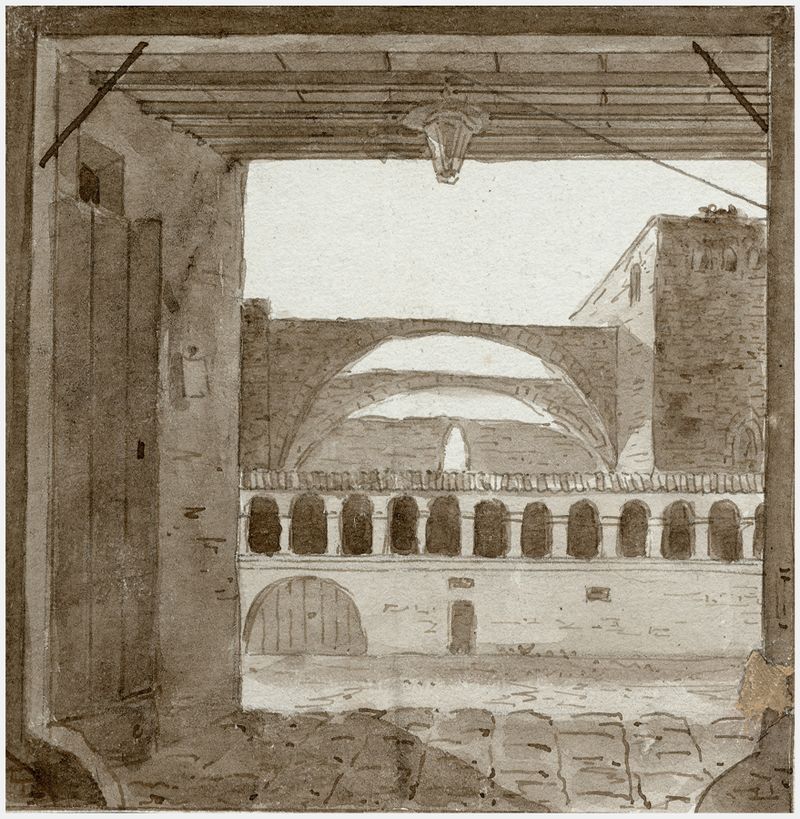
Ruïne van een klooster te Barcelona
Otto Howen
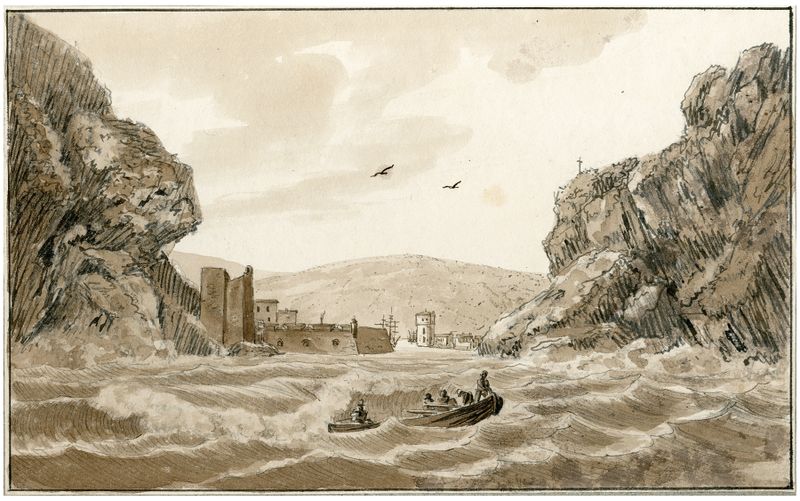
Een havenplaats in Spanje, Port de Passage
Otto Howen
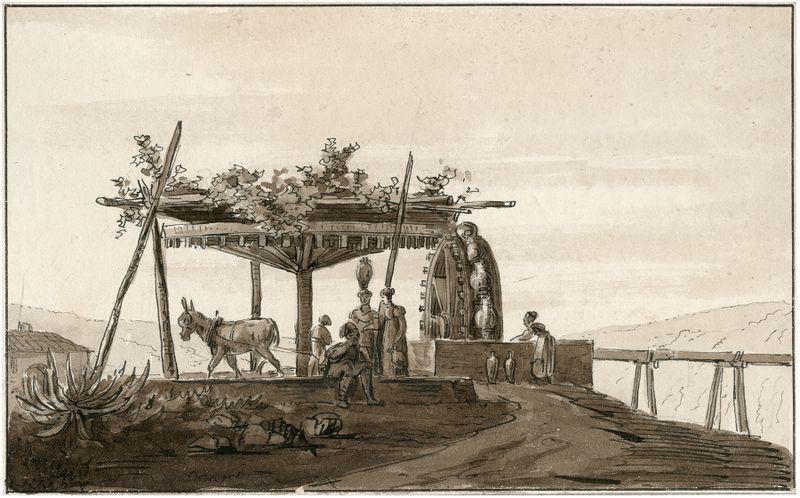
Een waterput met raderwerk en trekezel
Otto Howen





