Gezicht op de Col du Géant — History & Facts
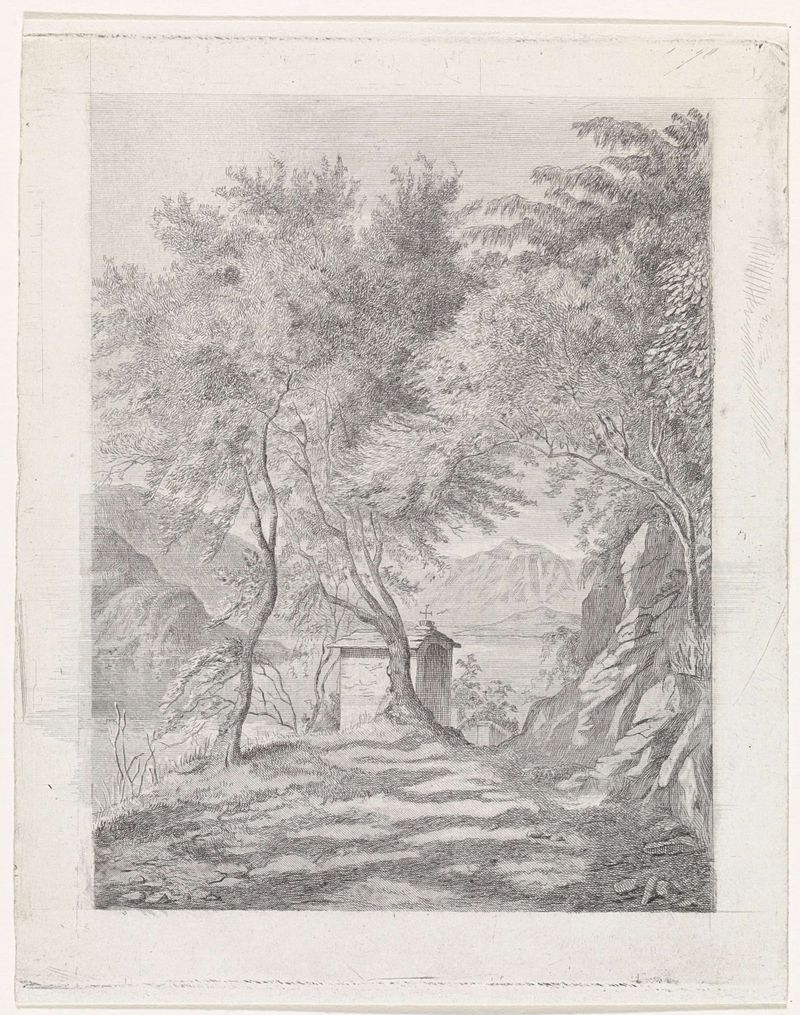
In the vastness of an untouched landscape, the void of nature speaks volumes, presenting a delicate dance between the serene and the sublime. The artist captures a moment when the earth seems to breathe, evoking both solitude and connection. Look to the foreground, where the rugged terrain rises sharply, leading the eye toward the distant peaks. Notice how the light kisses the mountain tops, accentuating their jagged edges, while shadows cloak the valleys below.
The palette is a careful balance of cool blues and earthy browns, invoking a sense of calm yet hinting at the underlying power of nature. Each brushstroke appears intentional, revealing the artist's meticulous attention to detail in the interplay of light and texture. As you absorb the scene, consider the contrasting elements at play: the stillness of the landscape juxtaposed with the grandeur of the mountains. The vast empty spaces create a palpable tension, reminding us of the void that exists within beauty itself.
Here, the viewer can reflect on the insignificance of humanity against the backdrop of nature’s formidable strength, evoking feelings of both awe and introspection. David van der Kellen painted Gezicht op de Col du Géant between 1837 and 1885 during a period of great change in the art world, with Romanticism continuing to shape artistic expression. Living in the Netherlands, he was influenced by the emerging appreciation for landscape painting as a genre, as artists sought to capture the sublime beauty of the natural world in the face of industrialization. This work reveals his commitment to expressing both the majesty and the profound silence of untouched landscapes.