Gezicht op het Comomeer — History & Facts
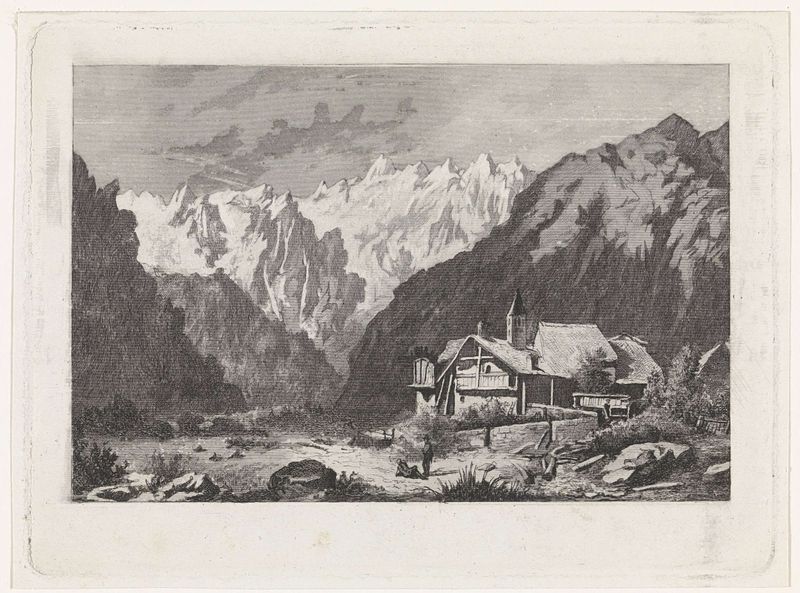
What if beauty was never meant to be finished? It lingers, like a whisper of a memory, stirring emotions long buried beneath the surface. Look to the left at the serene expanse of the lake, where gentle ripples dance under the soft caress of sunlight. The horizon stretches seamlessly, framed by lush, verdant hills that cradle the water like an embrace. Notice how the painter’s delicate brushwork captures the interplay of light and shadow, infusing the scene with a tranquil yet dynamic energy.
The rich blues and greens meld harmoniously, inviting the viewer to step into this idyllic moment frozen in time. Yet, beneath the surface lies a deeper tension. The harmonious scene may evoke peace, but the small fishing boat tethered at the edge hints at the fragility of this beauty, symbolizing the transient nature of life. The trees, while verdant, lean slightly, suggesting the inevitability of change and the passage of time.
This balance between tranquility and vulnerability resonates, reminding us that memories, like this landscape, are often tinged with both joy and melancholy. David van der Kellen painted Gezicht op het Comomeer during the mid-19th century, a time when artists were deeply engaged in exploring the nuances of Romanticism and the natural world. Living in the Netherlands, he was influenced by the burgeoning interest in landscape painting, seeking to capture not just the physical beauty of places, but their emotional resonance. This artwork emerged from a period of personal and artistic exploration, reflecting both his travels and the broader cultural movements of his time.