
Gezicht op de Rijn bij Hammerstein — History & Facts
Where does light end, and longing begin? This question unfurls like the river itself, inviting us to explore the fluid space between the physical and the ethereal. Look closely at the shimmering surface of the Rhine, where hues of azure and gold dance together. Notice how the light falls upon the water, creating a kaleidoscope of reflections that pulse with life. The soft contours of distant hills cradle the river, guiding the eye across the canvas with a gentle sweep.
Each brushstroke reveals the meticulous attention to detail, from the rustling foliage on the banks to the wisps of clouds that drift lazily above, framing the serene tableau. Yet beneath this tranquil exterior lies a profound tension. The movement of the river evokes a sense of time slipping away, an ever-changing flow that serves as a reminder of life’s transience. The boats, appearing almost ghostly, hint at human presence yet remain just out of reach, suggesting a longing for connection that transcends the material world.
The juxtaposition of the solid land against the fluid water encapsulates the struggle between permanence and impermanence. During the period between 1666 and 1706, Jan van Call the elder crafted Gezicht op de Rijn bij Hammerstein, likely during his time in the Netherlands, where the natural landscape bore a deep influence on his work. This era was marked by a flourishing of Dutch landscape painting, characterized by an interest in light and atmosphere, as artists sought to capture the beauty of the world around them with unprecedented realism and emotion.
More Artworks by Jan van Call the elder
Browse all →
Wintergezicht, Jan van de Cappelle, 1634 – 1700
Jan van Call the elder
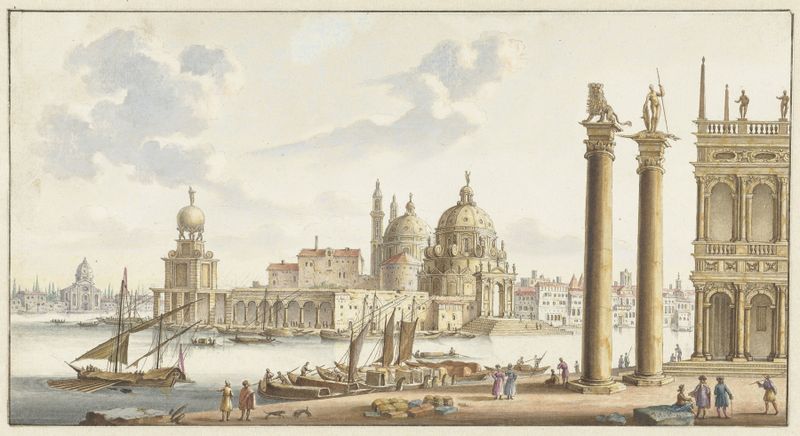
Gezicht op de Sta. Maria della Salute vanaf het S. Marcoplein te Venetië
Jan van Call the elder

Gezicht van Schenkenschans
Jan van Call the elder

Ereboog voor koning Willem III aan Den Haag, 1691
Jan van Call the elder
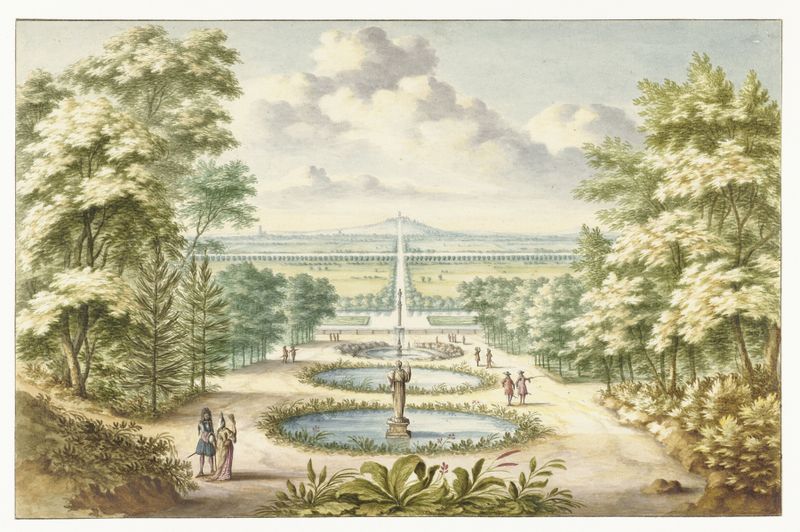
Amfitheater te Kleef, naar het Noorden gezien
Jan van Call the elder
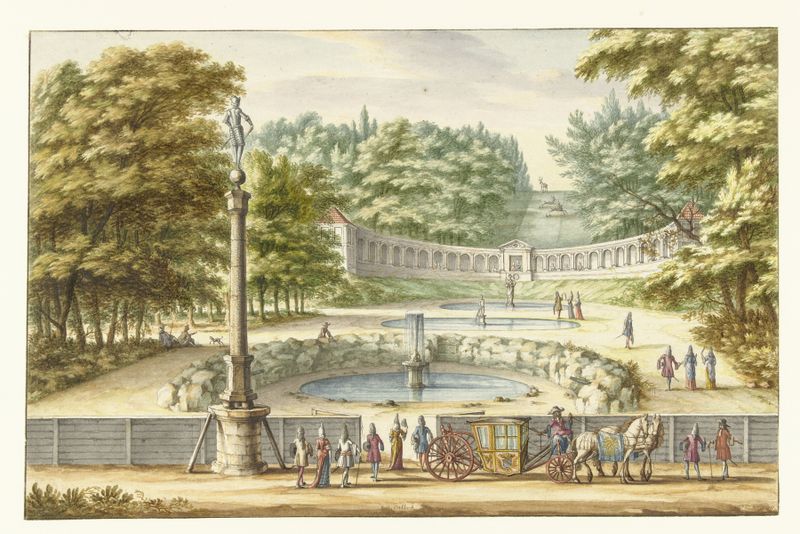
Amfitheater te Kleef, naar het Zuiden gezien
Jan van Call the elder
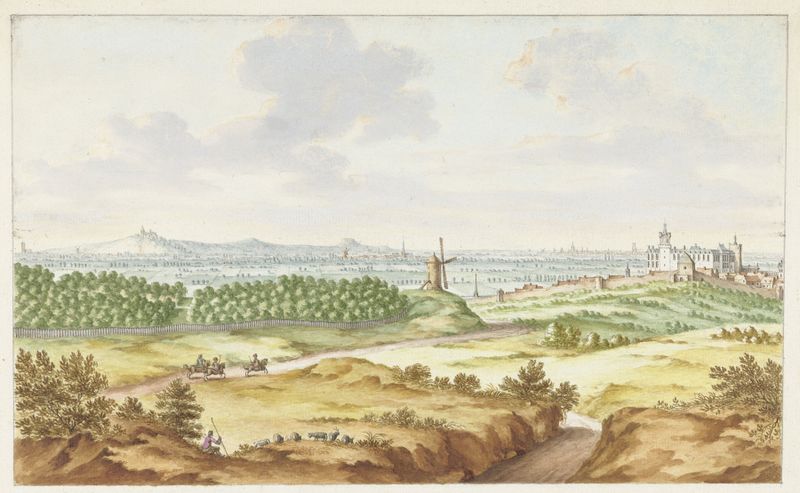
Gezicht op Kleef van de Galgenberg
Jan van Call the elder

Kasteel Ehrenbreitstein
Jan van Call the elder





