
Kasteel Ehrenbreitstein — History & Facts
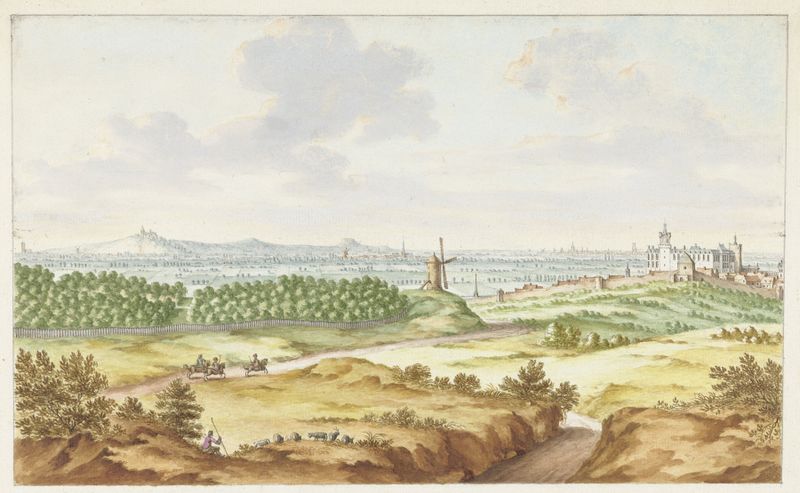
Art reveals the soul when the world turns away. In Kasteel Ehrenbreitstein, the canvas breathes with a sense of hope that transcends time and geography, beckoning the viewer to draw nearer and explore its depths. Focus first on the majestic castle, which stands resolute against a backdrop of rolling hills and a serene river glistening under a clear blue sky. The artist's deft use of light accentuates the architectural details, from the imposing towers to the delicate parapets.
Notice how the warm hues of ochre and soft blues wash over the fortress, evoking a sense of tranquility and strength. The composition leads your eye from the stronghold to the peaceful river below, creating a harmonious balance between man-made structure and nature's beauty. Yet, beneath the tranquility lies a complex interplay of hope and resilience. The castle, a symbol of security, stands tall against the backdrop of an expansive sky, suggesting endurance amidst challenges.
The river, gentle and flowing, evokes the passage of time and the promise of renewal. Small figures engaged in daily activities at the base serve as reminders of life’s continuity, hinting at stories of those who dwell in this fortified haven, enduring through storms both literal and metaphorical. Jan van Call the elder created Kasteel Ehrenbreitstein during a time of great artistic evolution in the late 17th century, particularly in the Netherlands where he lived. His work reflects the Baroque fascination with nature and architecture, capturing the burgeoning sense of national pride and stability post-war.
Between 1666 and 1706, as urban centers blossomed, artists like him embraced the interplay of landscape and structure, contributing to a cultural milieu rich in hope and exploration.
More Artworks by Jan van Call the elder
Browse all →
Wintergezicht, Jan van de Cappelle, 1634 – 1700
Jan van Call the elder
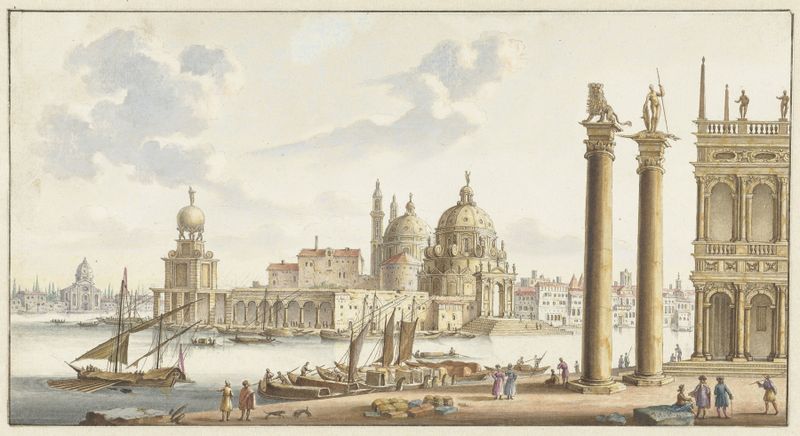
Gezicht op de Sta. Maria della Salute vanaf het S. Marcoplein te Venetië
Jan van Call the elder

Gezicht van Schenkenschans
Jan van Call the elder
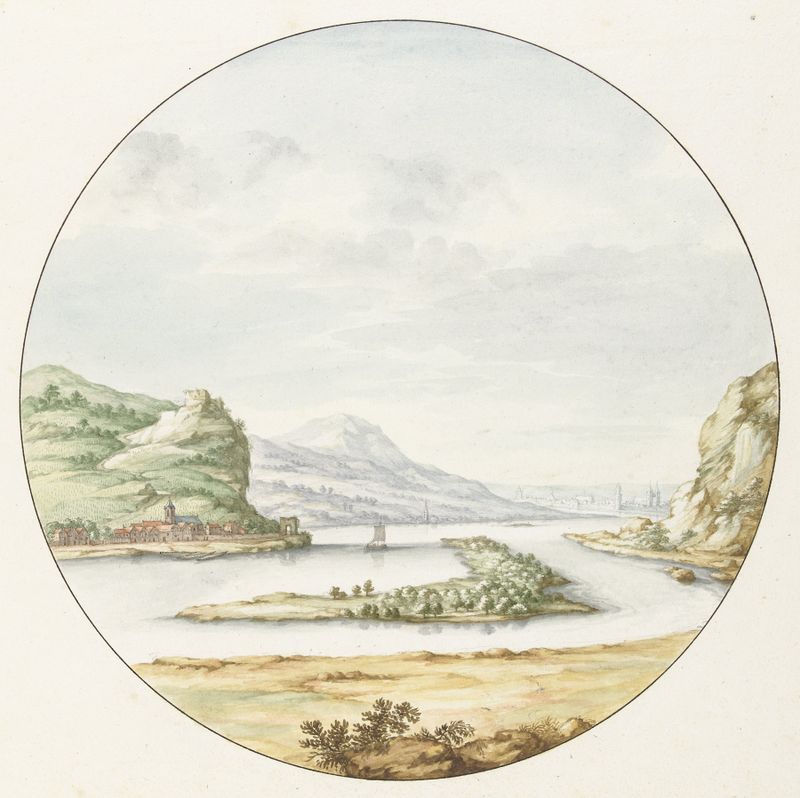
Gezicht op de Rijn bij Hammerstein
Jan van Call the elder

Ereboog voor koning Willem III aan Den Haag, 1691
Jan van Call the elder
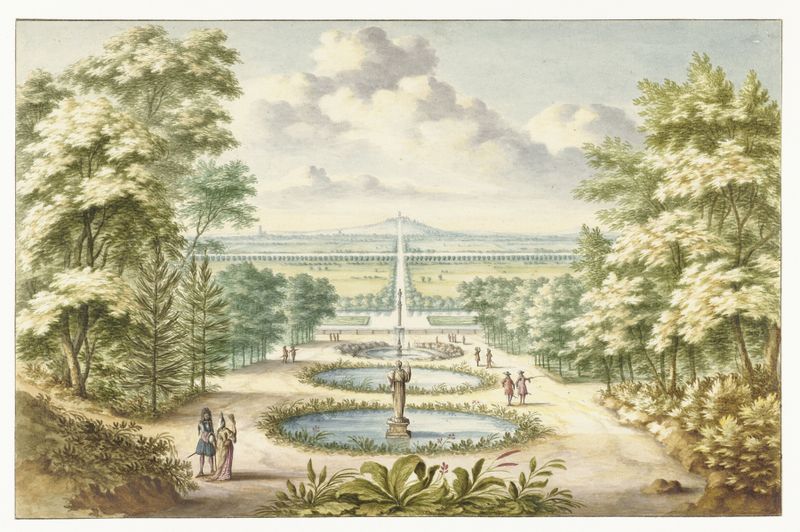
Amfitheater te Kleef, naar het Noorden gezien
Jan van Call the elder
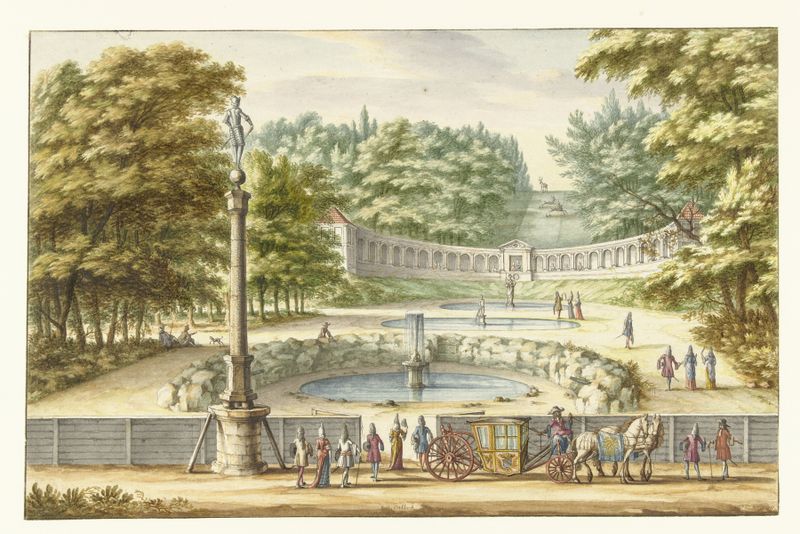
Amfitheater te Kleef, naar het Zuiden gezien
Jan van Call the elder
Gezicht op Kleef van de Galgenberg
Jan van Call the elder





