
Wintergezicht, Jan van de Cappelle, 1634 – 1700 — History & Facts
Did the painter know this moment would outlive them? In Wintergezicht, the stillness of winter captures a fleeting harmony, where nature and human endeavor coexist in an everlasting balance. Look to the left at the delicate frost settling on the branches, their intricate patterns whispering of the cold that envelops the landscape. Notice how the soft light filters through the trees, casting gentle shadows that dance upon the snowy ground. The palette—cool blues and whites interspersed with earthy browns—creates a serene ambiance, evoking both tranquility and contemplation within the viewer. As you absorb the scene, consider the quiet figures traversing the frozen expanse.
The contrast between the vibrant life of the skaters and the stark, still landscape serves as a reminder of nature's dominance over fleeting human joy. It hints at the duality of existence: the robustness of life against the inevitability of winter's chill. Each brushstroke encapsulates a moment that resonates with themes of impermanence and endurance. Jan van de Cappelle painted Wintergezicht during a time when the Dutch Golden Age was flourishing, and the art world was captivated by landscapes that celebrated nature and daily life.
This period saw a heightened interest in capturing atmospheric effects, and van de Cappelle's work reflects this movement. He expertly rendered his surroundings in a manner that blended realism and emotional depth, positioning him as a significant figure in the genre of landscape painting.
More Artworks by Jan van Call the elder
Browse all →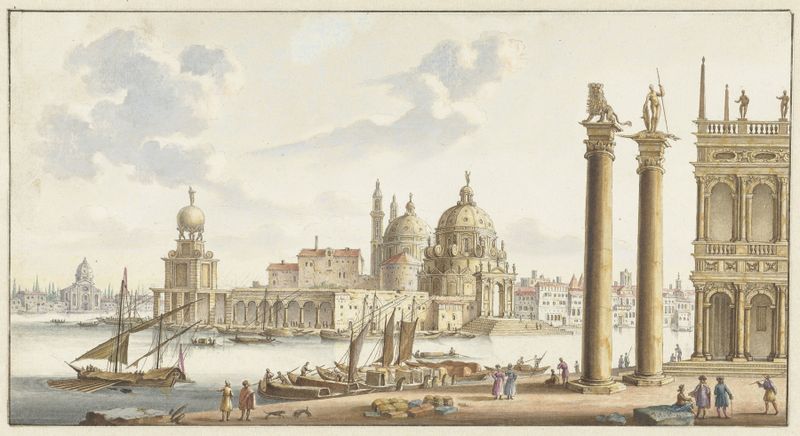
Gezicht op de Sta. Maria della Salute vanaf het S. Marcoplein te Venetië
Jan van Call the elder

Gezicht van Schenkenschans
Jan van Call the elder
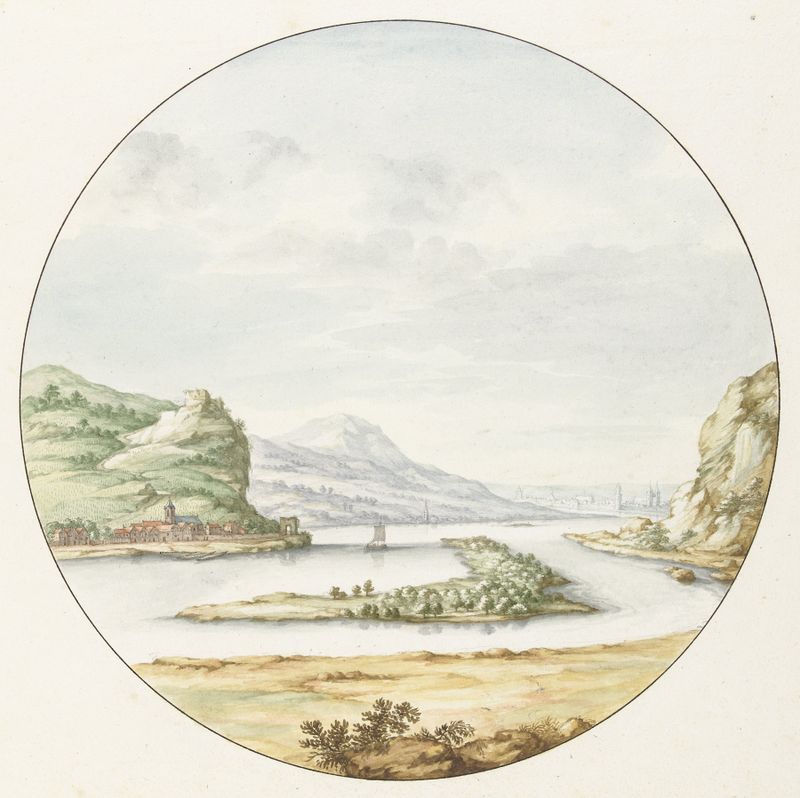
Gezicht op de Rijn bij Hammerstein
Jan van Call the elder

Ereboog voor koning Willem III aan Den Haag, 1691
Jan van Call the elder
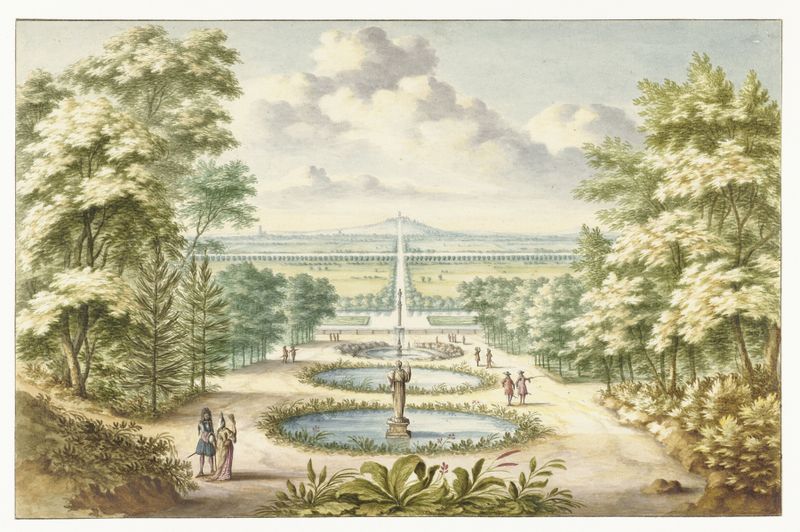
Amfitheater te Kleef, naar het Noorden gezien
Jan van Call the elder
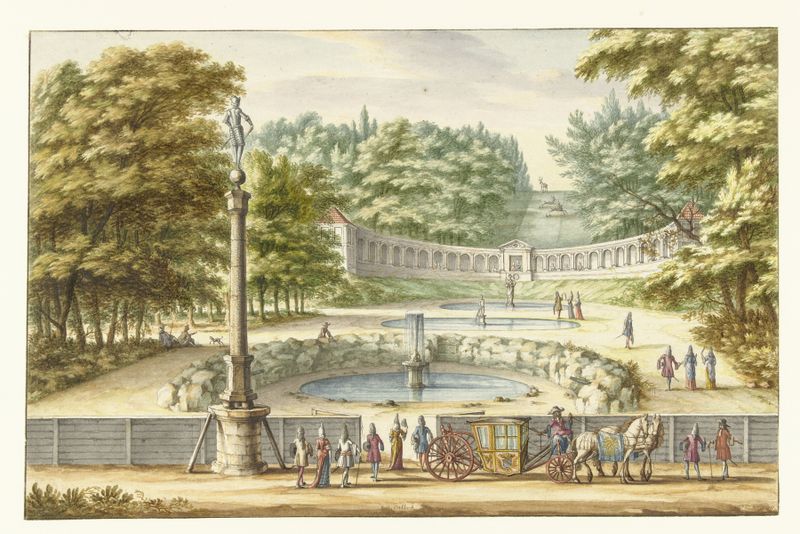
Amfitheater te Kleef, naar het Zuiden gezien
Jan van Call the elder
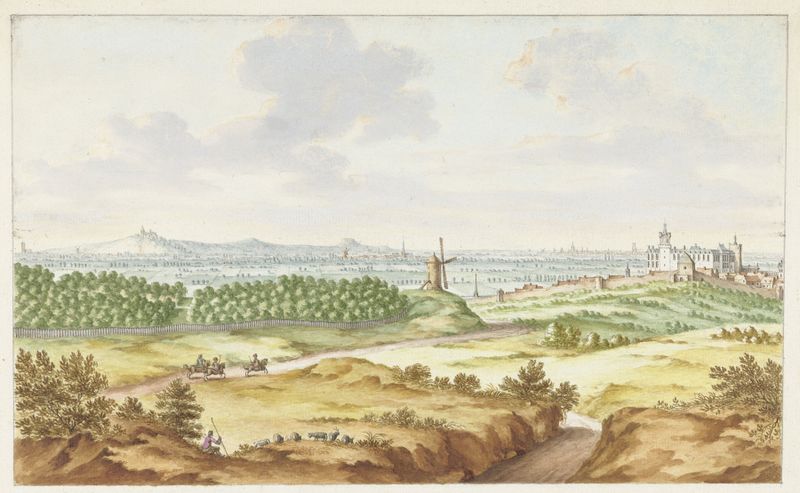
Gezicht op Kleef van de Galgenberg
Jan van Call the elder

Kasteel Ehrenbreitstein
Jan van Call the elder





