Gezicht op de ruïne en de stad Senftenberg — History & Facts
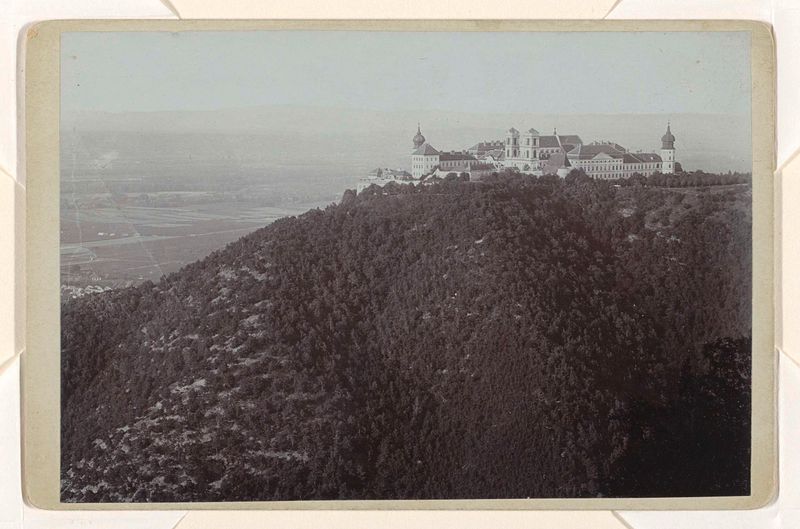
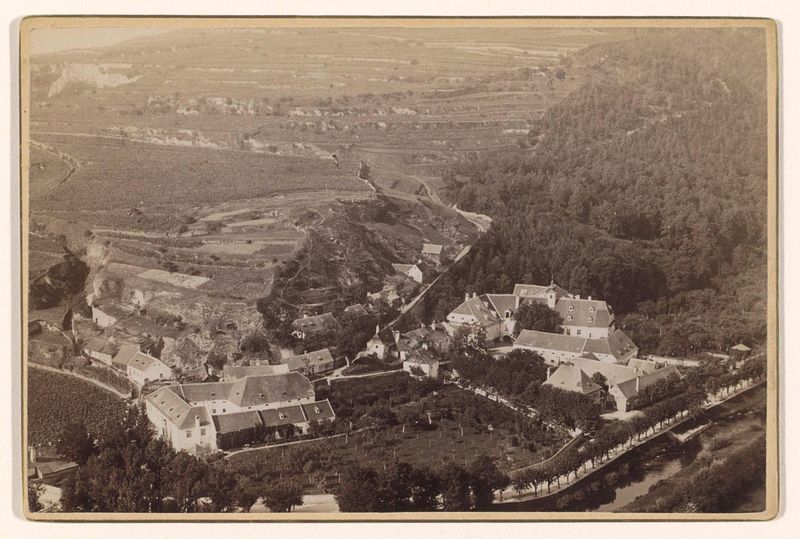
In Gezicht op de ruïne en de stad Senftenberg, the passage of time is both a haunting presence and a vivid memory, captured in the brushstrokes of a lesser-known artist. The work invites us to confront the ruins that stand as silent witnesses to history, embodying the inevitable decay that characterizes our existence. Look closely at the foreground where the jagged edges of crumbled stone rise abruptly from the canvas, creating a stark contrast against the gentler hues of the distant town. The play of light dances across the surfaces, revealing textures that evoke both fragility and resilience.
Notice how the atmospheric blues and warm ochres of the sky blend seamlessly, hinting at the twilight of an era, while the meticulously rendered architecture beckons the eye toward the heart of Senftenberg. Beneath the surface, there exists a tension between decay and vitality. The ruins, though remnants of a glorious past, pulse with a life of their own, suggesting that even in decline, there is movement, a story unfolding. Each brushstroke captures the duality of destruction and beauty, inviting reflection on what persists despite the ravages of time, while the city in the background stands as a testament to continuity amid change. Franz von Prandtstetter created this work between 1866 and 1900, during a period marked by rapid industrialization in Europe.
Living in Austria, he witnessed profound shifts in society and culture. This backdrop may have influenced his portrayal of ruins, capturing not just an image, but a conversation about memory, history, and the relentless march of time, intricately woven into the very fabric of the landscape.