Gezicht op de vallei van Wachau — History & Facts
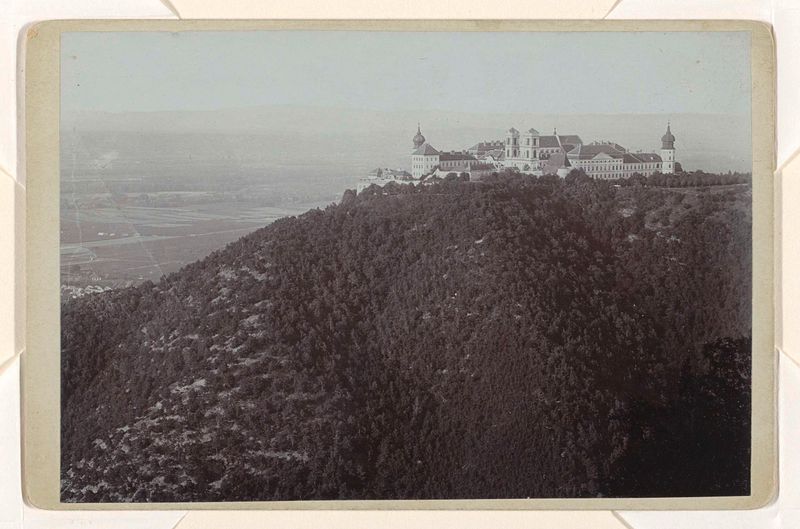
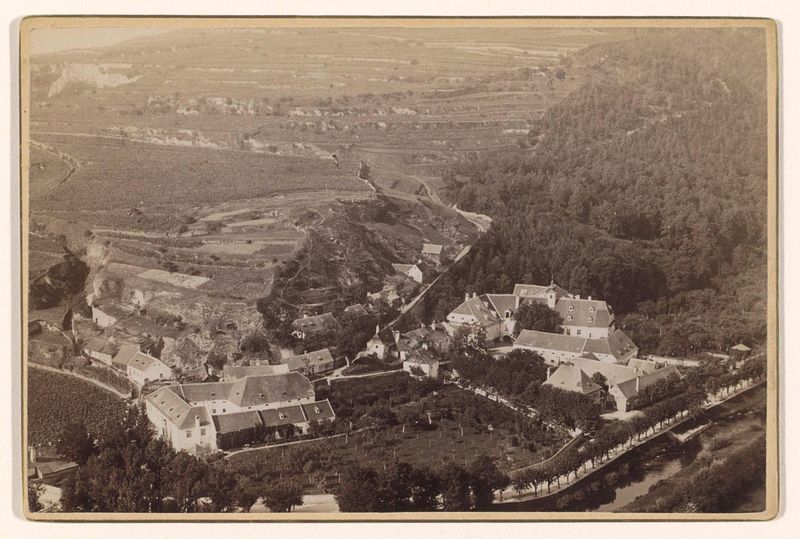
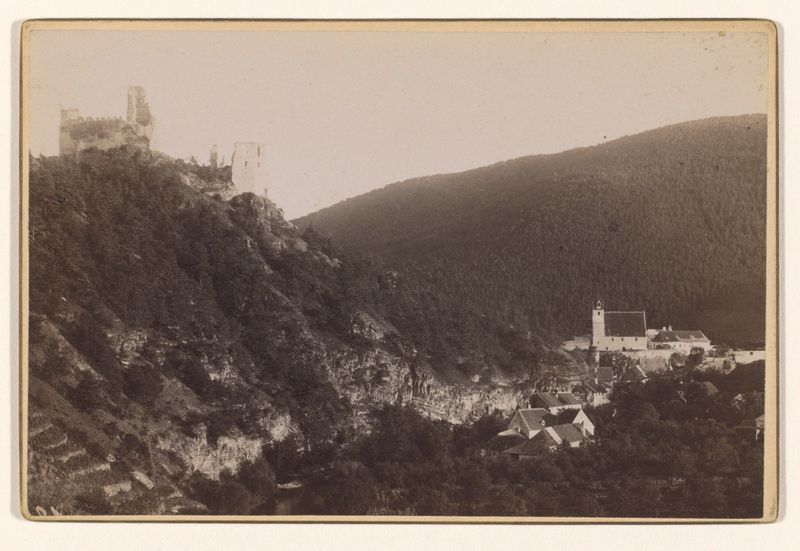
In the stillness of Gezicht op de vallei van Wachau, nature awakens with a whisper, inviting contemplation and introspection—a stark contrast to the cacophony of life beyond its borders. Look to the left where rolling hills nestle against the gentle flow of the river, their verdant hues rendered with delicate brushstrokes. The artist’s meticulous attention to detail draws your gaze toward the interplay of light and shadow, particularly where sunlight glimmers on the water's surface. Notice the soft gradients in the sky, transitioning from warm gold to cool azure, and how they mirror the serene landscape below, enhancing a sense of harmony and tranquility. Within this tranquil setting lies an emotional depth that invites exploration.
The still waters reflect not only the surroundings but also evoke a sense of introspection, suggesting the depths of the human experience. The contrasting textures of the rugged hills and the smooth river surface highlight the tension between nature's wild beauty and its serene, inviting aspects. This duality encourages a moment of awakening, urging the viewer to confront their own silence and the confessions it holds. Franz von Prandtstetter painted this work between 1890 and 1910, during a time when the Austrian art scene was undergoing significant transformation, moving from academic constraints to embrace more naturalistic representations.
Living amidst the picturesque landscapes of the Wachau Valley, Prandtstetter was inspired by his environment, capturing the essence of a region that resonated with both beauty and stillness, reflecting the broader cultural shifts of his time.