
Gezicht op het Dekkersduin, met oude gasfabriek en molen in het verschiet — History & Facts
Could a single brushstroke hold eternity? In the solitude of an expansive landscape, loneliness whispers through the canvas, inviting contemplation amidst the vastness of life and industry. Look to the foreground, where the wind-swept grasses sway gently, their muted greens and browns accentuating the raw beauty of the natural world. Notice how the artist delicately captures the interplay between light and shadow, casting soft glows upon the old gas factory and distant windmill, breathing life into structures often overlooked. The composition draws the eye along the horizon, where clouds billow softly, creating a dialogue between earth and sky that feels timeless. Delve deeper into the details: the gas factory stands as a solitary sentinel of human endeavor, juxtaposed against the windmill, a testament to the rhythms of nature.
Each element reveals a hidden narrative—the factory's angular lines cutting through the softness of the landscape reflect the encroachment of industry on pastoral life, while the windmill evokes a sense of nostalgia, connecting us to simpler times. This tension between progress and tradition evokes an emotional resonance, encapsulating the loneliness of existence amid relentless change. During the late 19th century, Weissenbruch painted this piece while navigating the evolving art world. A member of the Hague School, he sought to capture the Dutch landscape with an emotional depth that transcended mere representation.
This work emerged in a time when realism was gaining prominence, and artists like him were redefining their relationship with both nature and the burgeoning industrial age, encapsulating the dualities that would come to define modern life.
More Artworks by Johan Hendrik Weissenbruch
Browse all →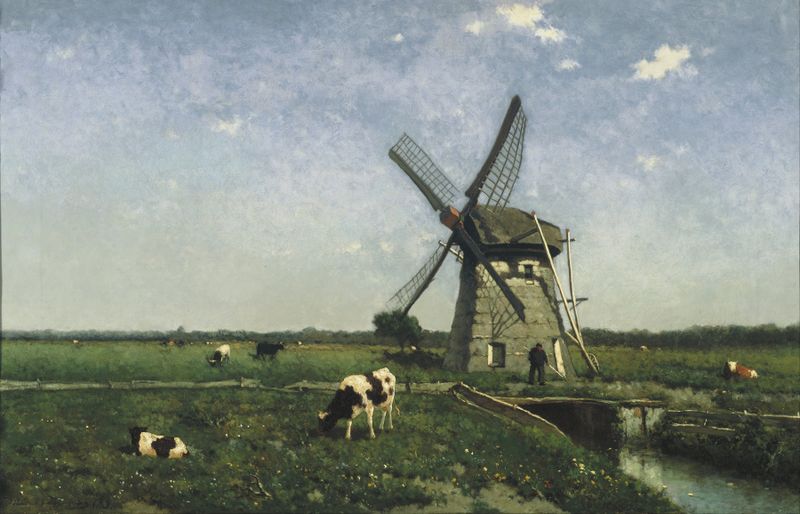
Landscape with Windmill near Schiedam
Johan Hendrik Weissenbruch
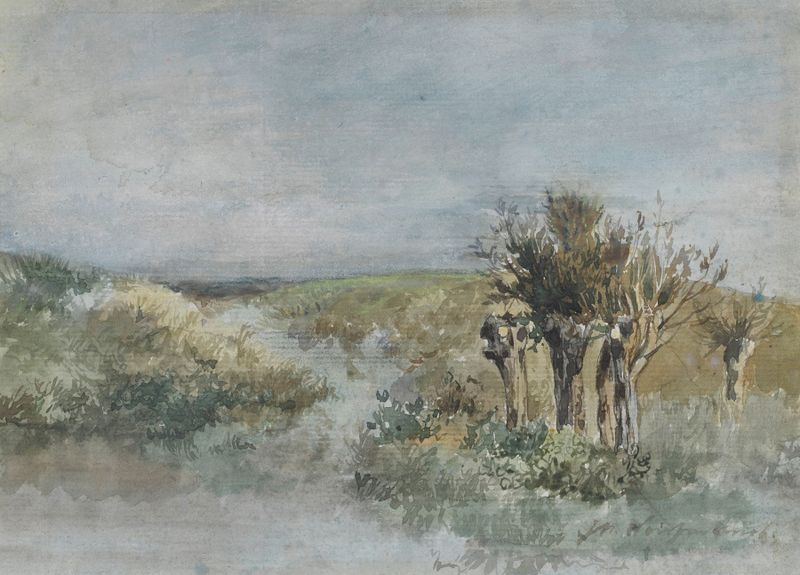
Landschap met knotwilgen langs een sloot
Johan Hendrik Weissenbruch
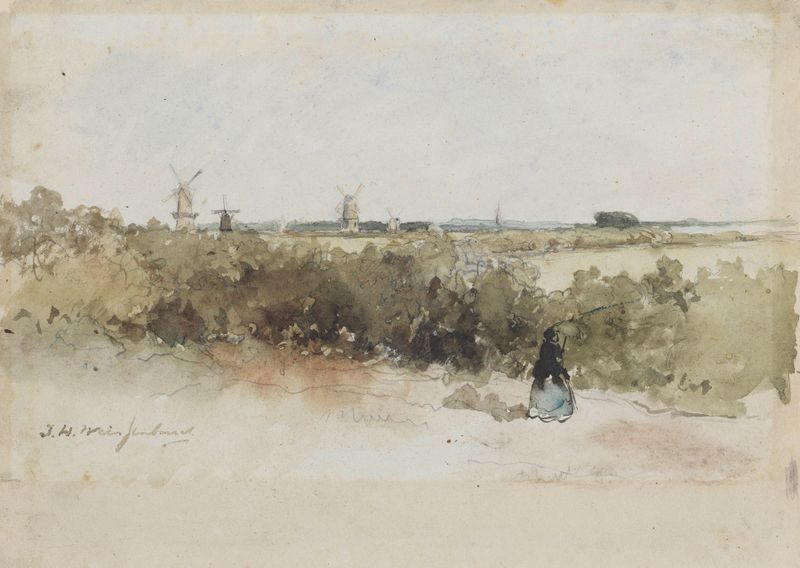
Landschap met windmolens
Johan Hendrik Weissenbruch
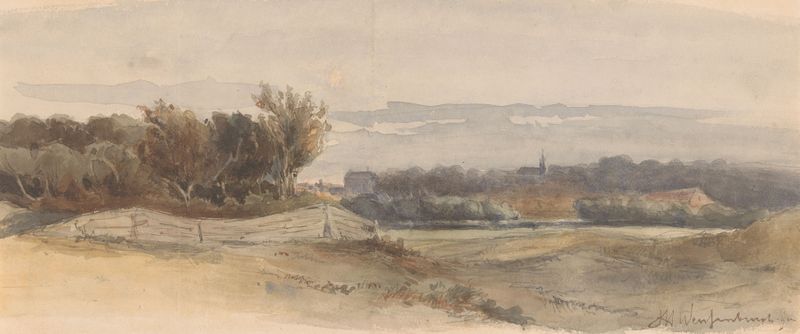
Panoramisch landschap
Johan Hendrik Weissenbruch
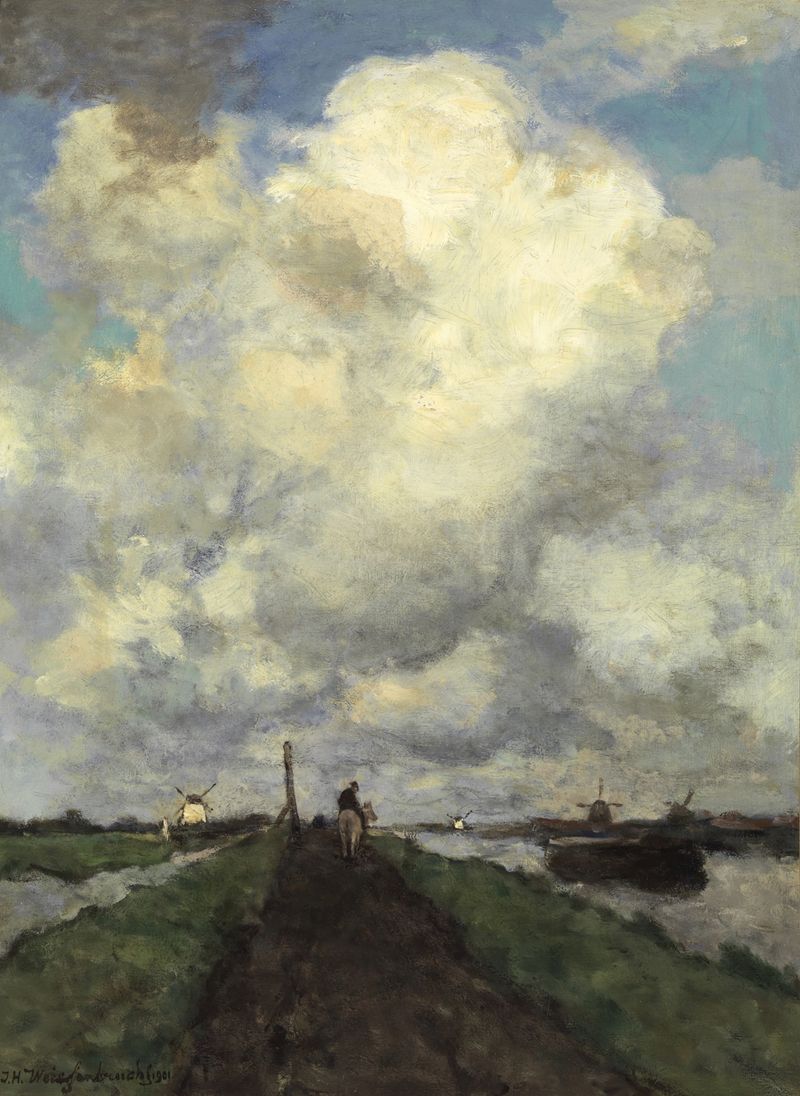
De witte wolk
Johan Hendrik Weissenbruch
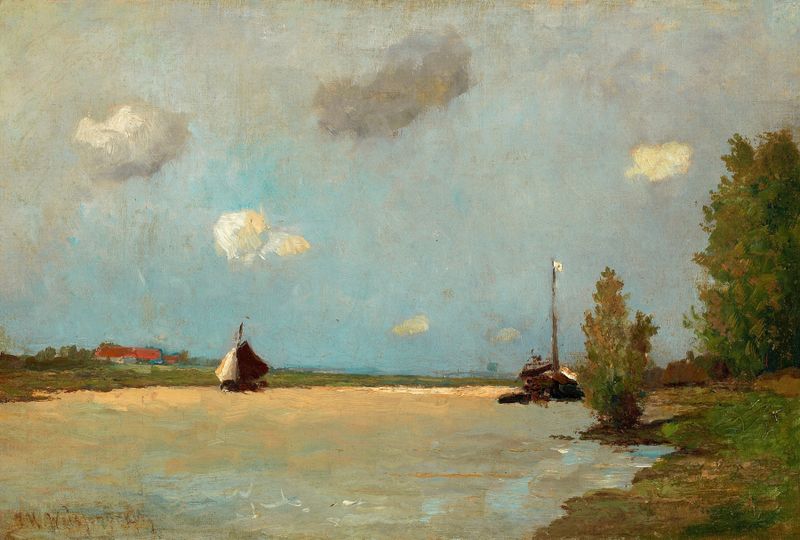
Dutch Landscape with Boats
Johan Hendrik Weissenbruch
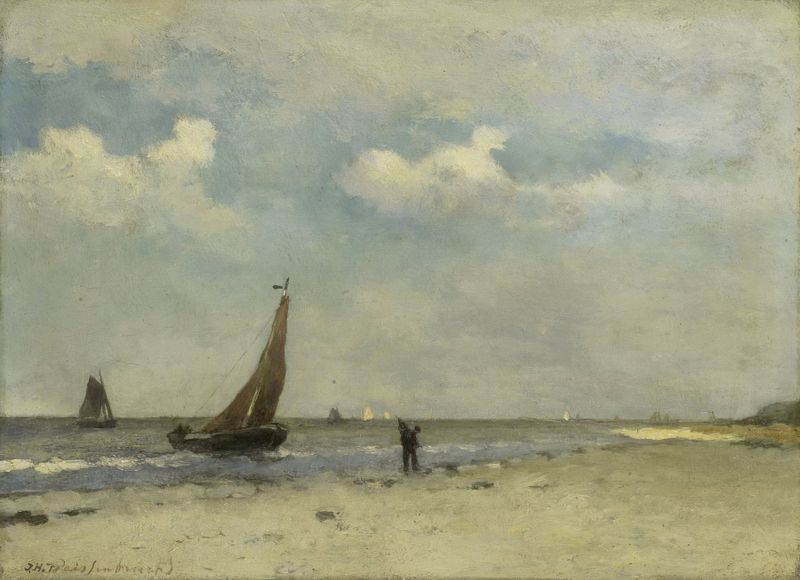
Beach Scene
Johan Hendrik Weissenbruch
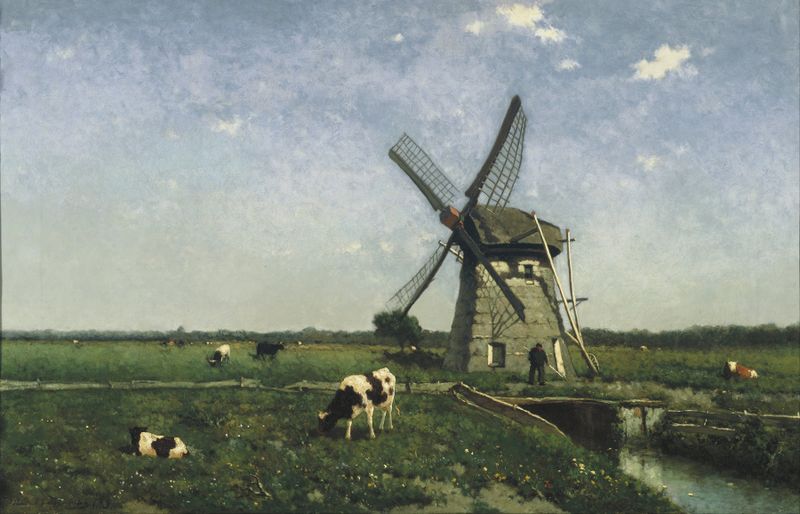
Landscape with Windmill near Schiedam
Johan Hendrik Weissenbruch
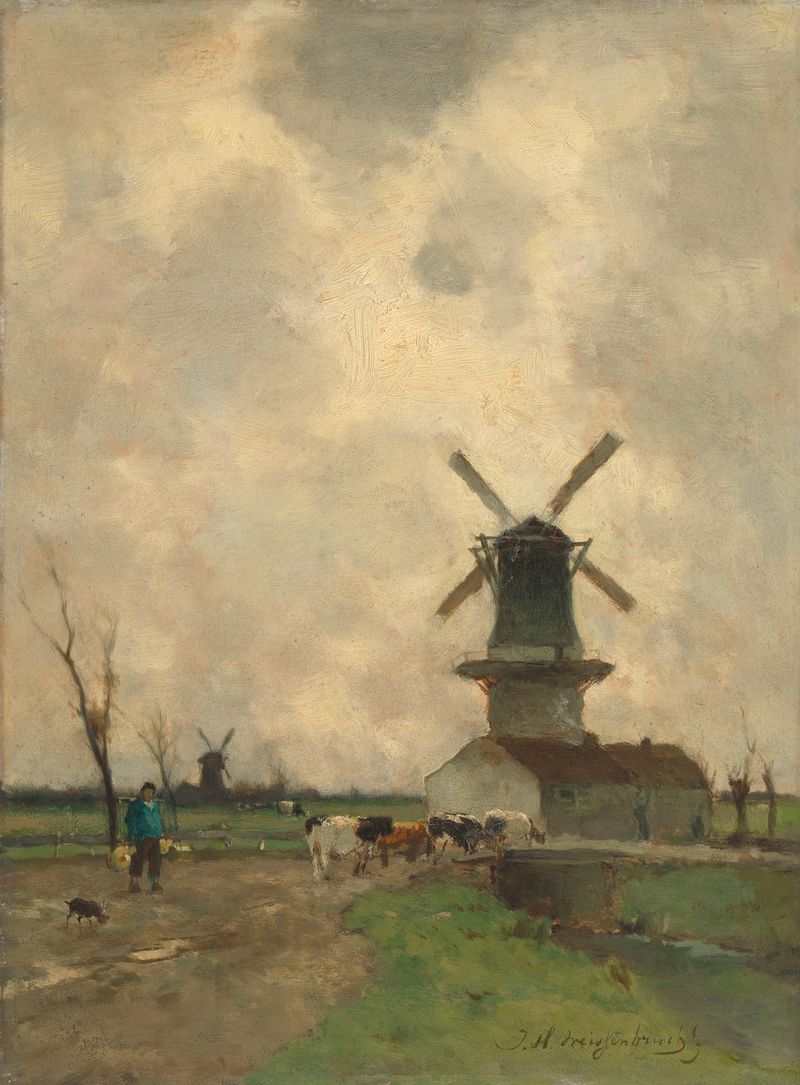
The Mill
Johan Hendrik Weissenbruch
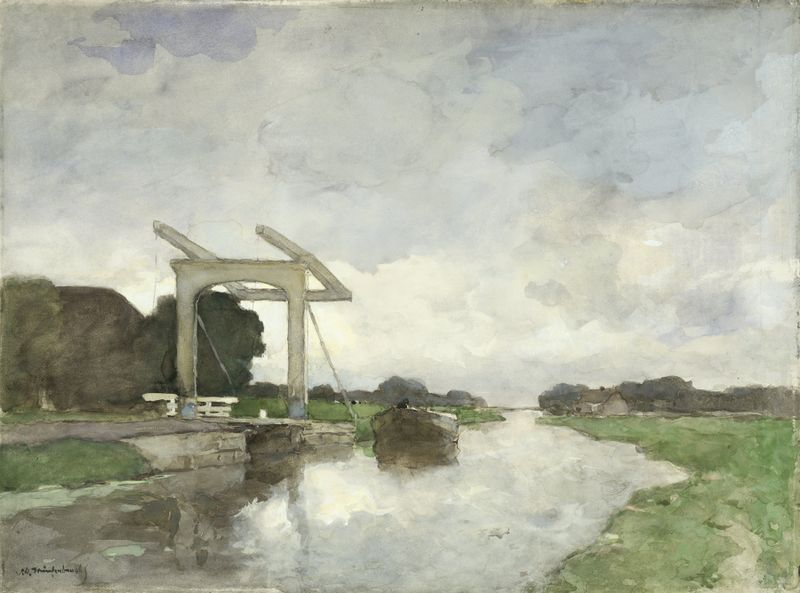
Drawbridge at Noorden
Johan Hendrik Weissenbruch





